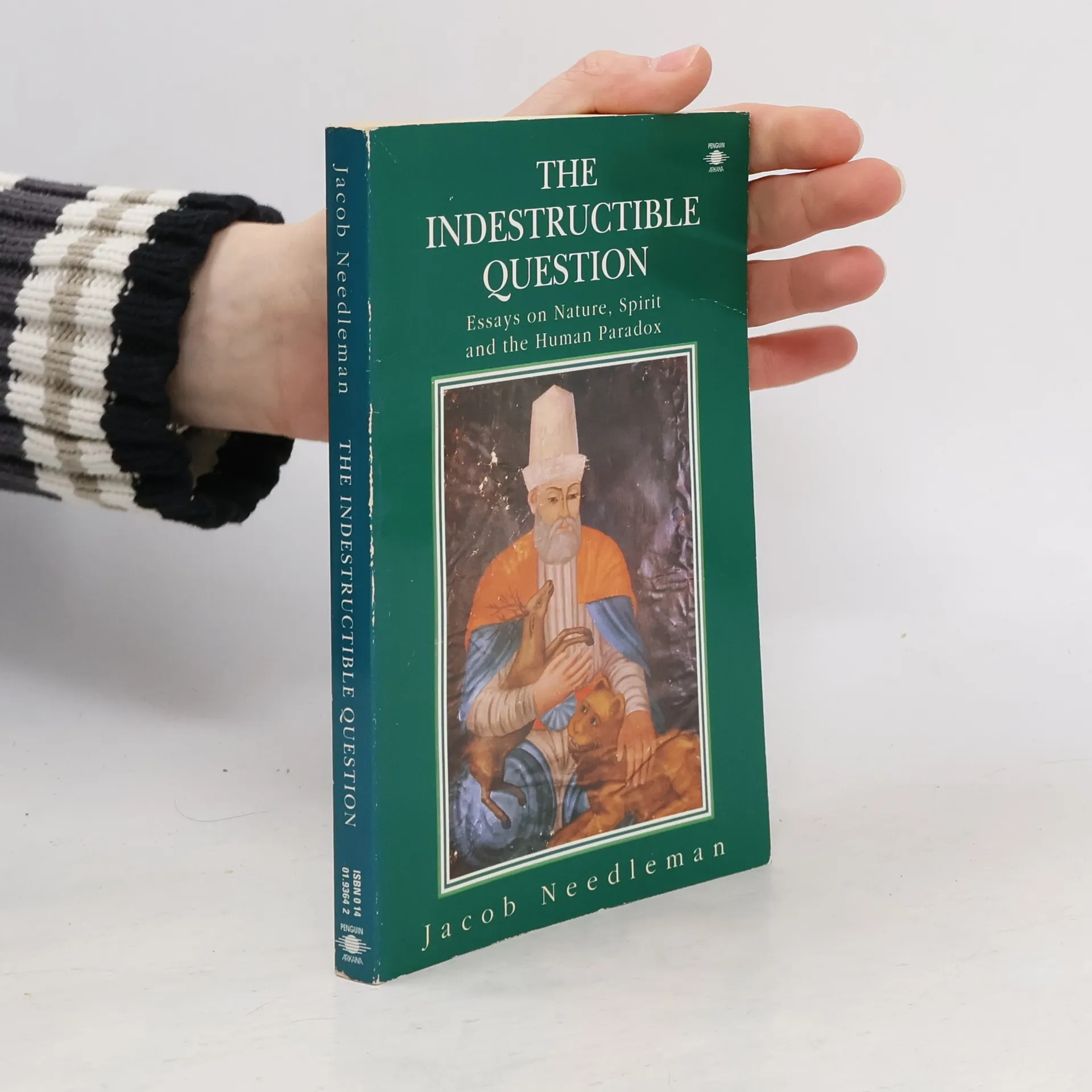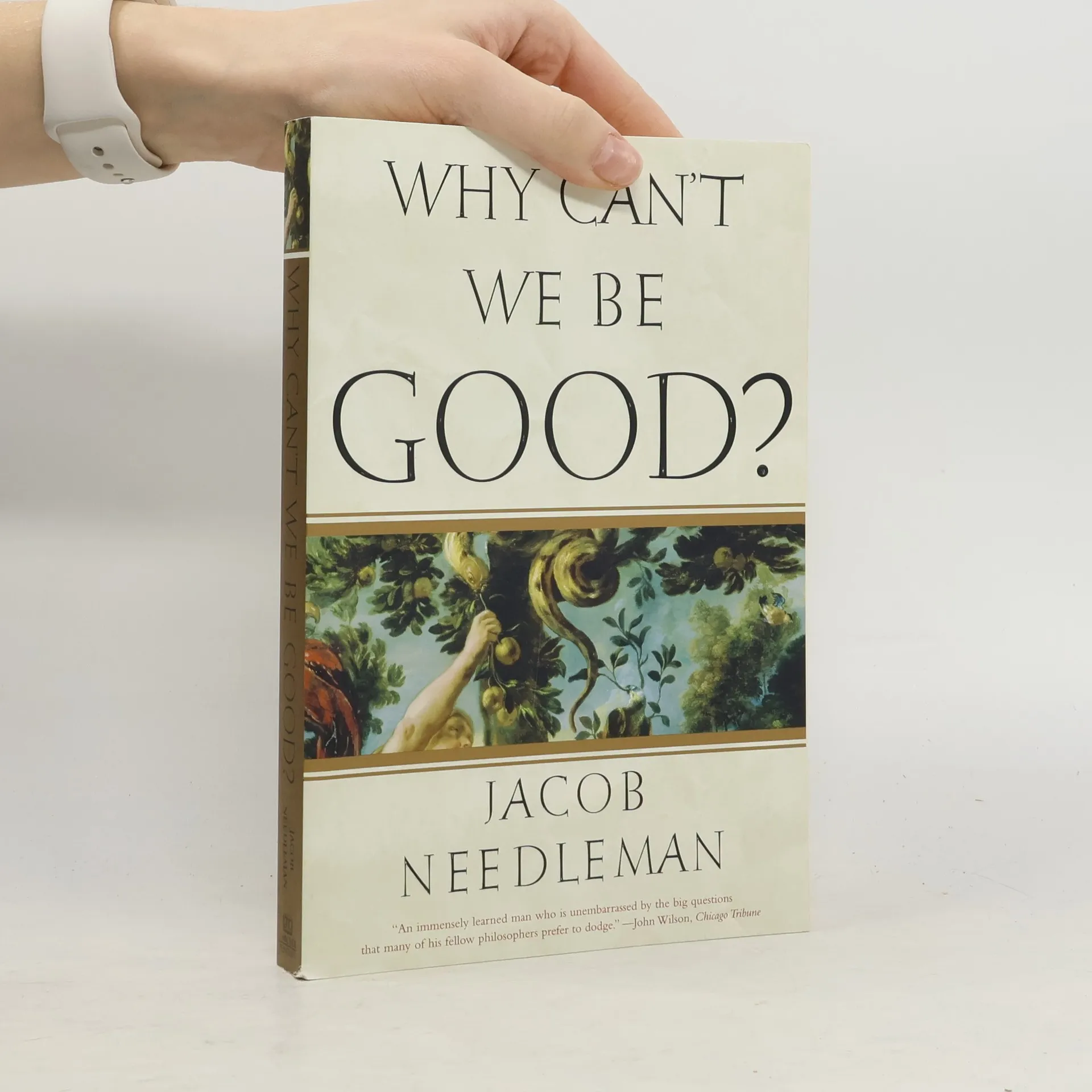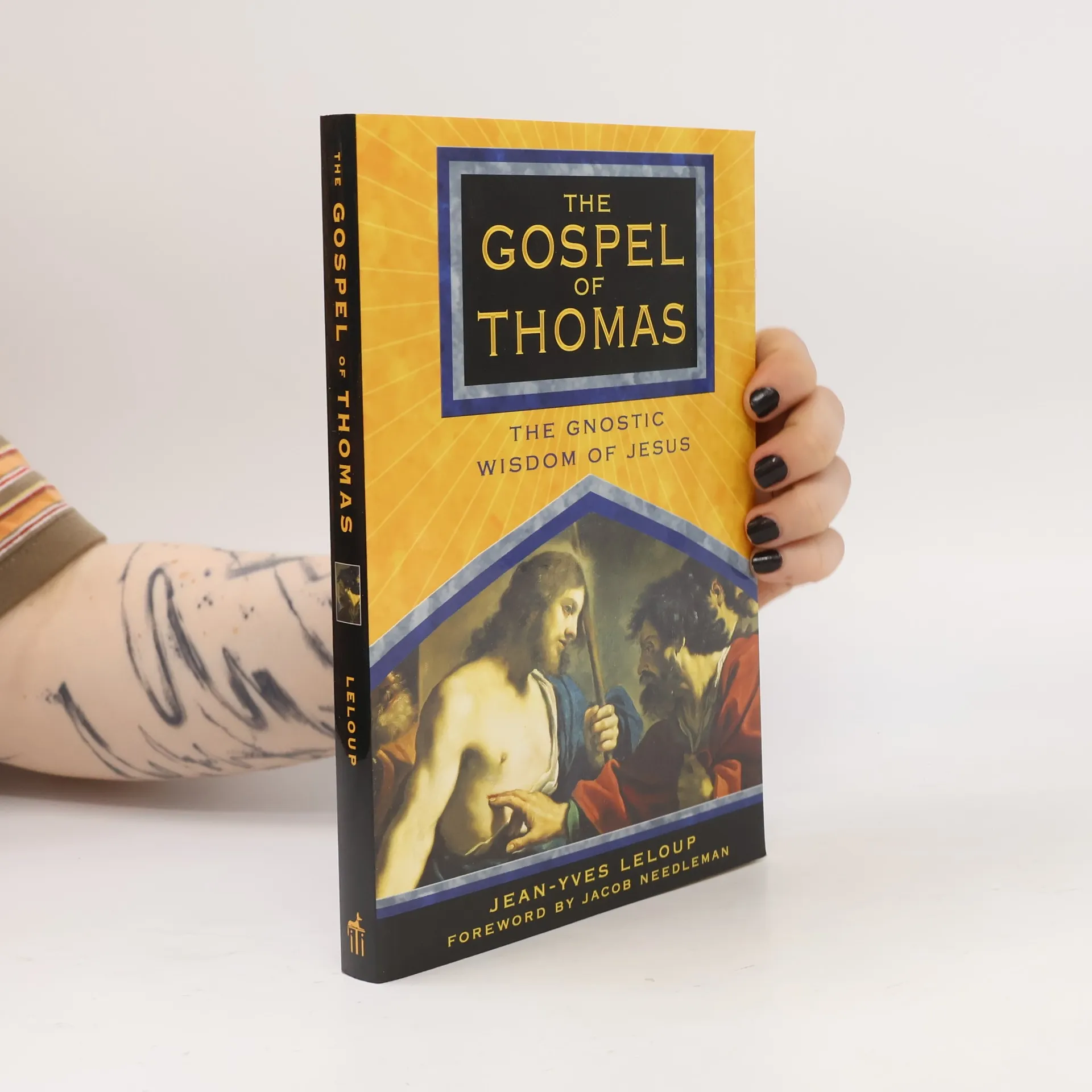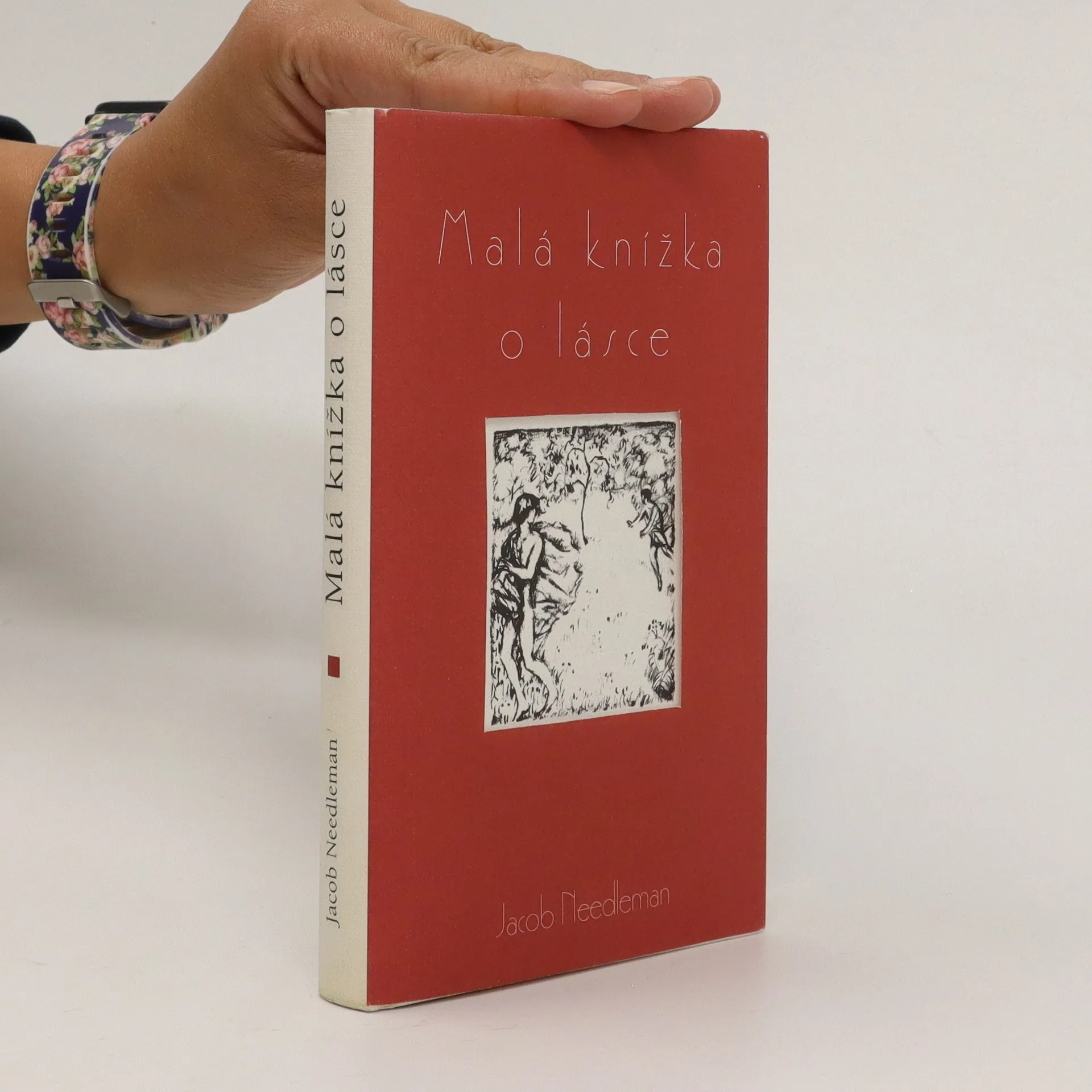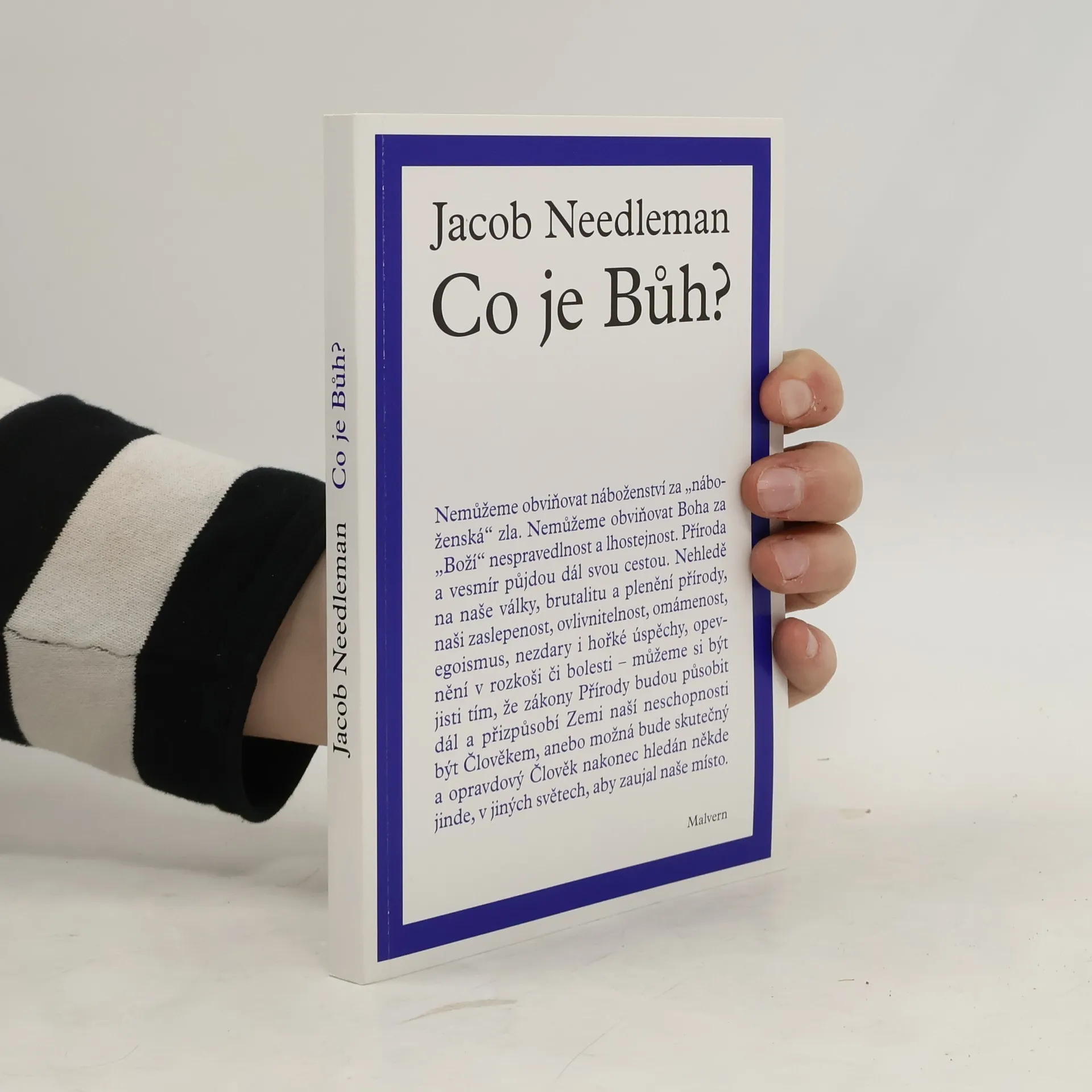
Natürlich glauben wir zu wissen, was Liebe ist. Doch: wissen wir es wirklich? Sehnen wir uns nicht vielmehr danach, die Liebe neu zu verstehen, zu begreifen, was es bedeutet, zusammenzuleben, an der Liebe zu arbeiten und nicht aufzugeben? Needleman fragt nach dem Potential eines Lebens in Liebe, das zwischen bloßem sexuellen Verlangen und hehren, aber meist unrealistischen Entwürfen 'heiliger' Liebe angesiedelt ist. Das kleine Buch der großen Liebe hilft uns, unsere eigene Liebesfähigkeit zu begreifen, zu entfalten und gemeinsam immer tiefere, intensivere Formen der Liebe zu erfahren. Denn: Welche Bedeutung unser Leben auch haben mag, es wäre sinnlos ohne die Liebe.
Jacob Needleman Bücher
Der Philosoph Jacob Needleman beschäftigt sich mit den tiefen Fragen der menschlichen Existenz und der Sinnsuche. Seine Arbeit untersucht die Beziehung zwischen spirituellen Traditionen und dem modernen Leben und betont die Notwendigkeit innerer Transformation und Selbsterkenntnis. Needlemans Texte sind für ihre Klarheit bekannt und verbinden auf geschickte Weise alte Weisheiten mit gegenwärtigen Herausforderungen, um Lesern einen Weg zu tieferem Verständnis ihrer selbst und der Welt zu bieten.


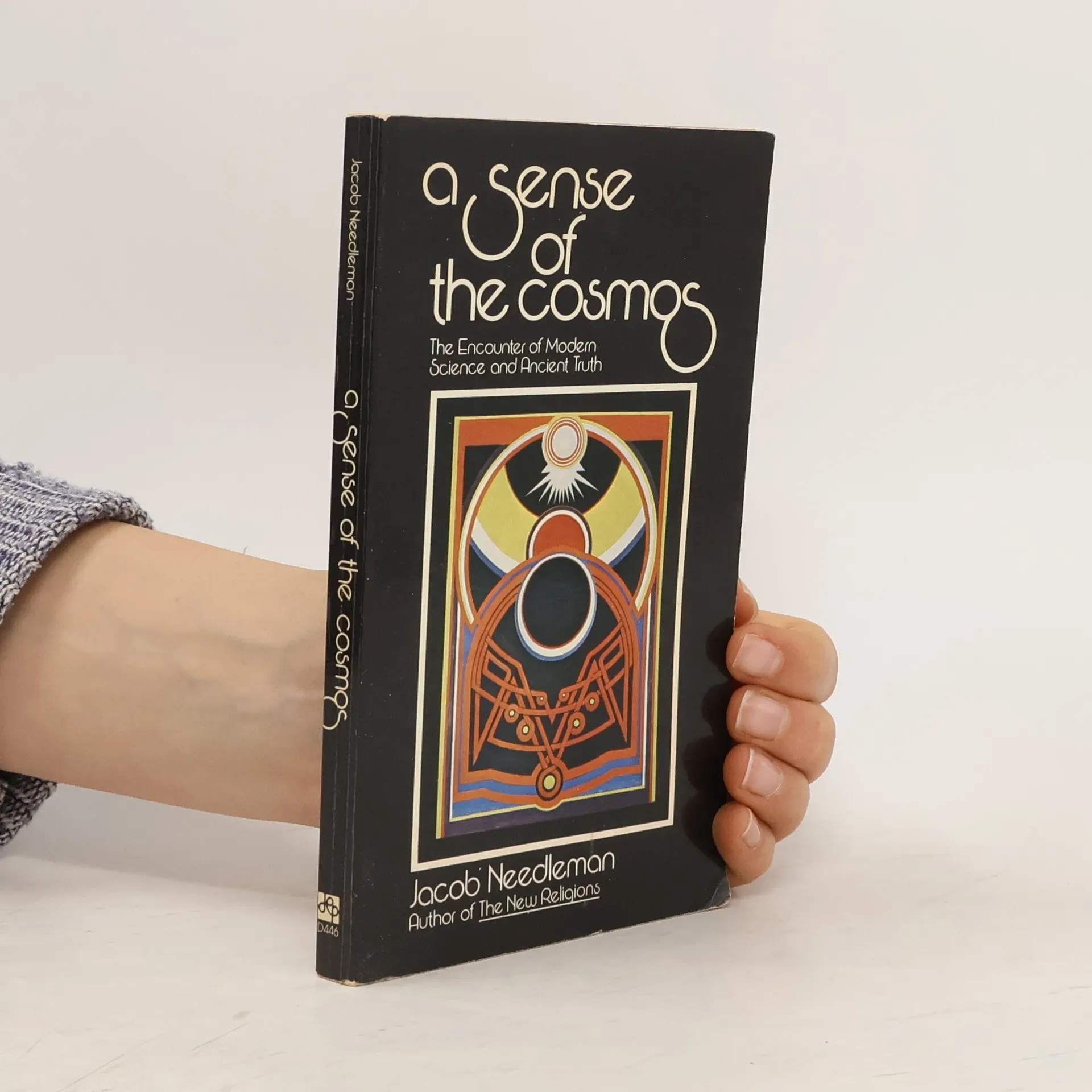
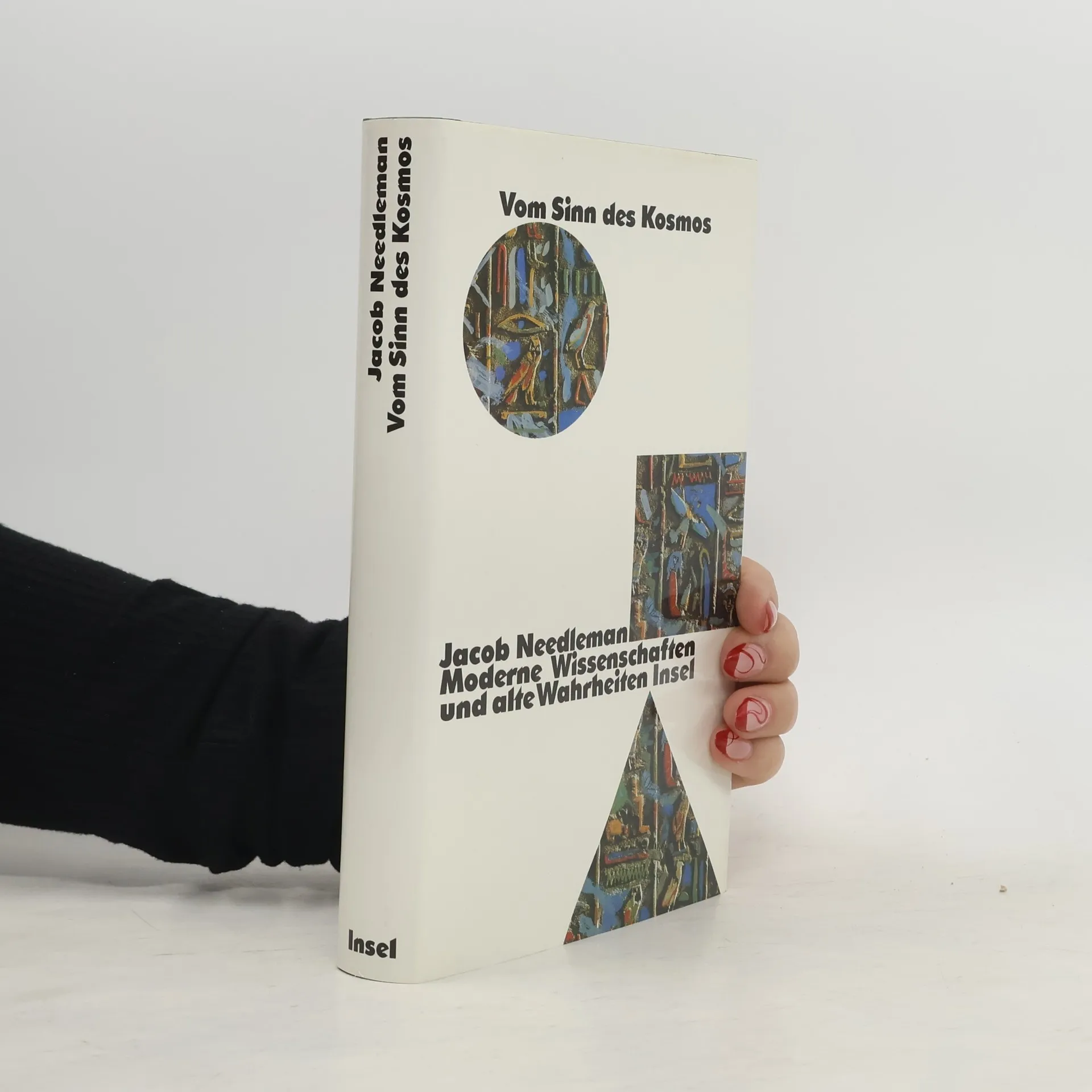
Vom Sinn des Kosmos
- 249 Seiten
- 9 Lesestunden
Die sanfte Revolution des Glaubens
Die Wiederentdeckung der spirituellen Praxis im Christentum
- 304 Seiten
- 11 Lesestunden
Jacob Needleman has initiated a significant shift in the discourse surrounding science and religion, prompting a more mature exploration of consciousness transformation. This work serves as a crucial stop for those delving into these themes, encouraging thoughtful reflection and potential reevaluation of their paths. Esteemed voices like Theodore Roszak and Fritjof Capra endorse the book, highlighting its relevance to our cultural landscape. Needleman posits that Western science has long operated under the misconception that understanding the universe can occur independently of self-understanding. He emphasizes the importance of connecting the laws of nature with our inner nature, warning against superficial approaches to spirituality. His focus is not on the convergence of science and spirituality but rather on their separation, asserting that true unity arises from recognizing and understanding real divisions. This awareness can foster the harmony that humanity has struggled to achieve. Needleman, a philosophy professor at San Francisco State University, has authored numerous works and contributes to various fields, including psychology and ethics. His insights have also been showcased on Bill Moyers's PBS series, A World of Ideas.
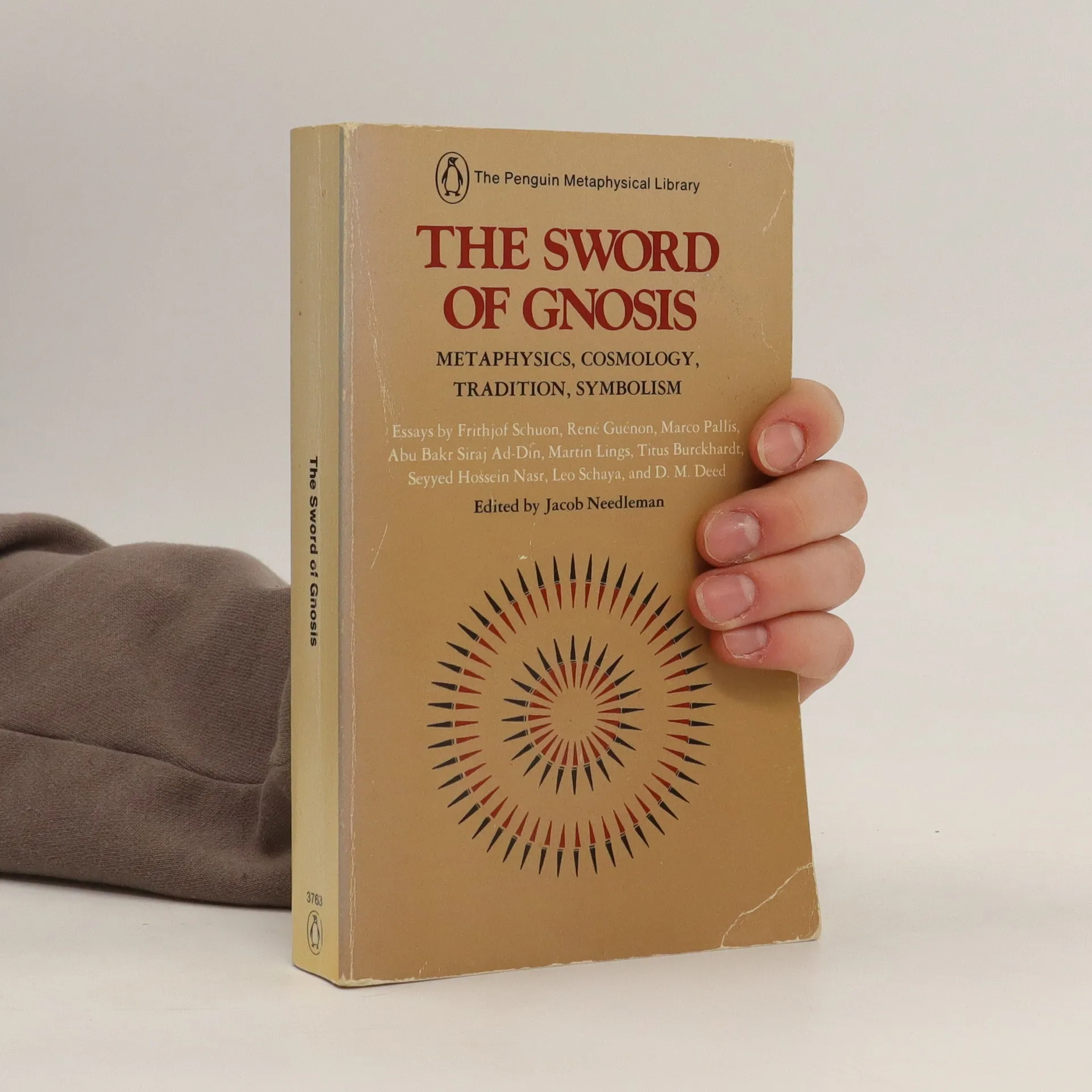
The Sword of Metaphysics, Cosmology, Tradition, Symbolism (The Penguin metaphysical library) [May 30, 1974] Needleman, Jacob
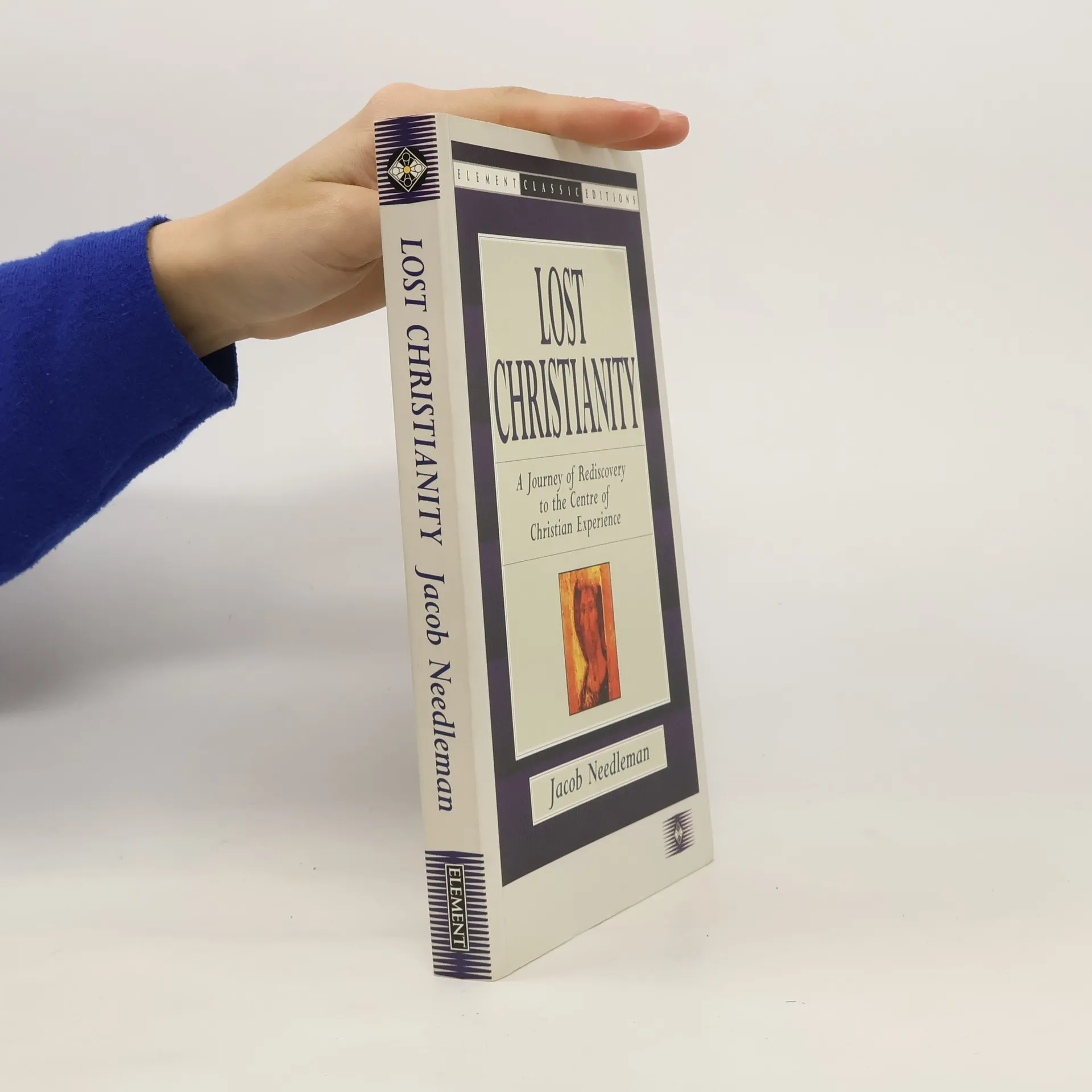
Lost Christianity
- 240 Seiten
- 9 Lesestunden
Renowned scholar of comparative religion Jacob Needleman gathers together ancient texts and writings of the modern practitioners of essential Christianity. Needleman demonstrates that a more effective contemplative tradition existed in the early church and continues today in the lives of extraordinary people whose stories he retells in the course of his own personal explorations into the realms of the spirit. 2 cassettes.
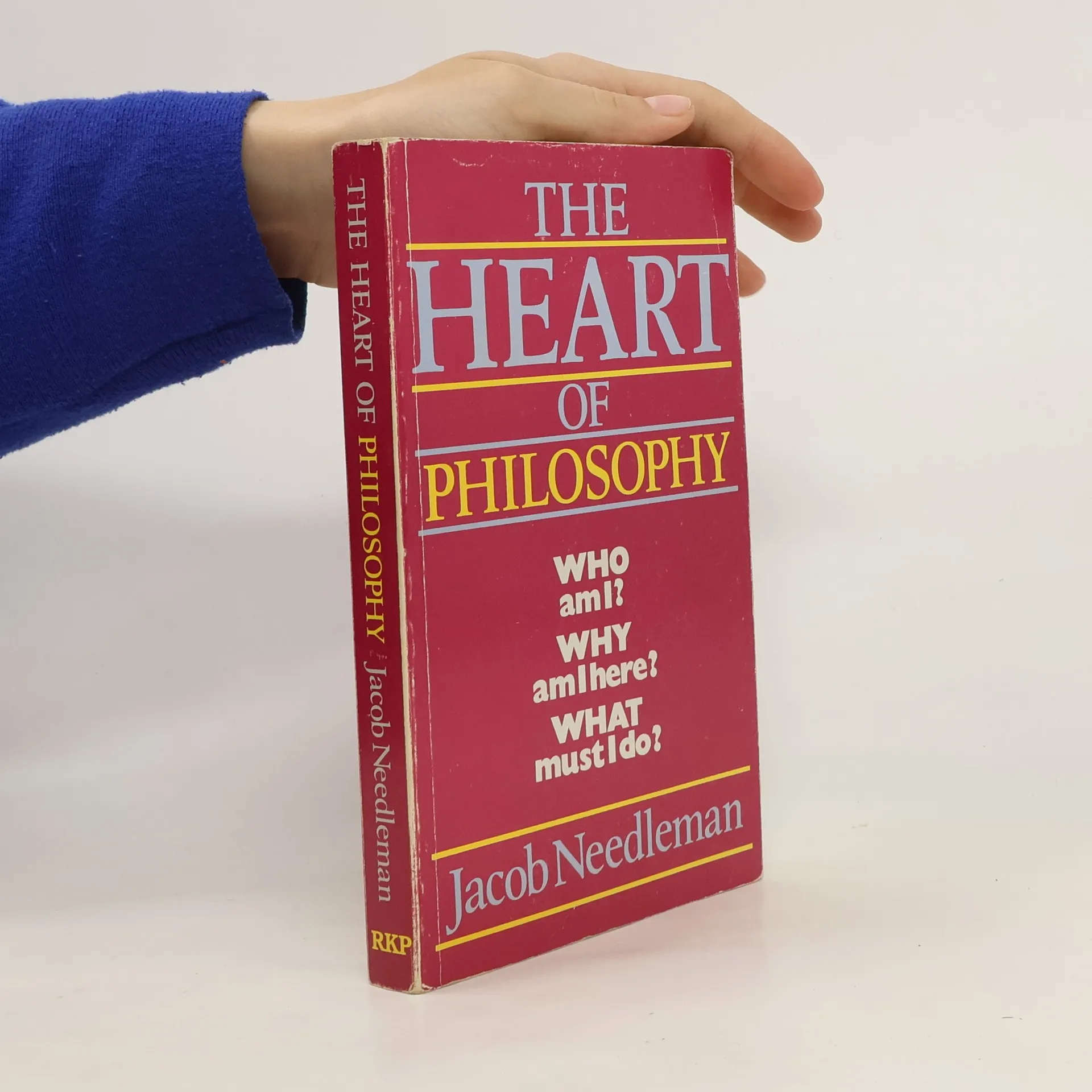
Philosophy as it is frequently taught in classrooms bears little relation to the impassioned and immensely practical search for self-knowledge conducted by not only its ancient avatars but also by men and woman who seek after truth today. In The Heart of the Philosophy, Jacob Needleman provides a "user's guide" for those who would take philosophy seriously enough to understand its life-transforming qualities.
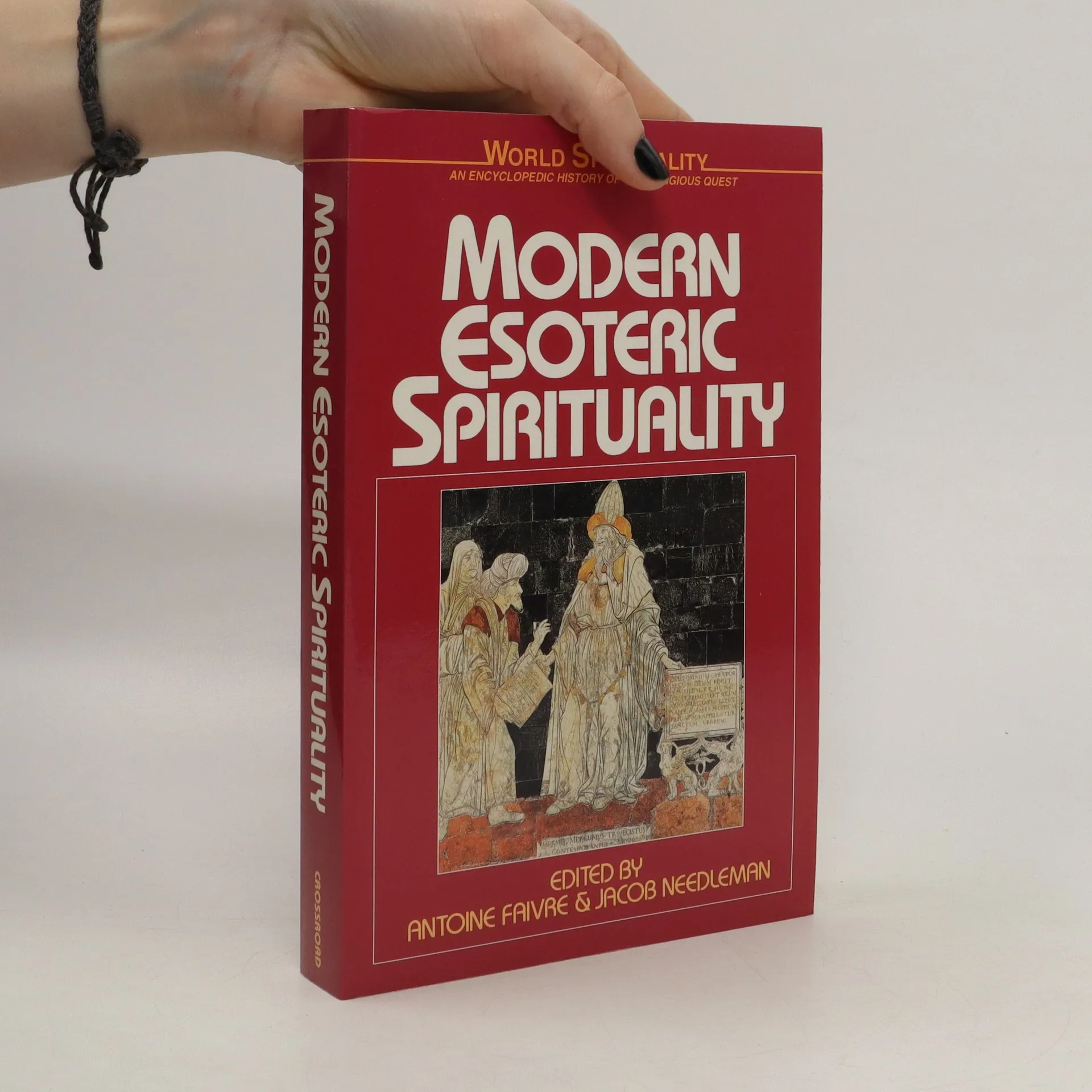
Modern esoteric spirituality
- 150 Seiten
- 6 Lesestunden
"An excellent overview of spiritual movements throughout the last few centuries . . . a superb panorama" (The Book Reader), this book covers esoterica from its ancient beginnings through the alchemists to Gurdijeff and Jung.
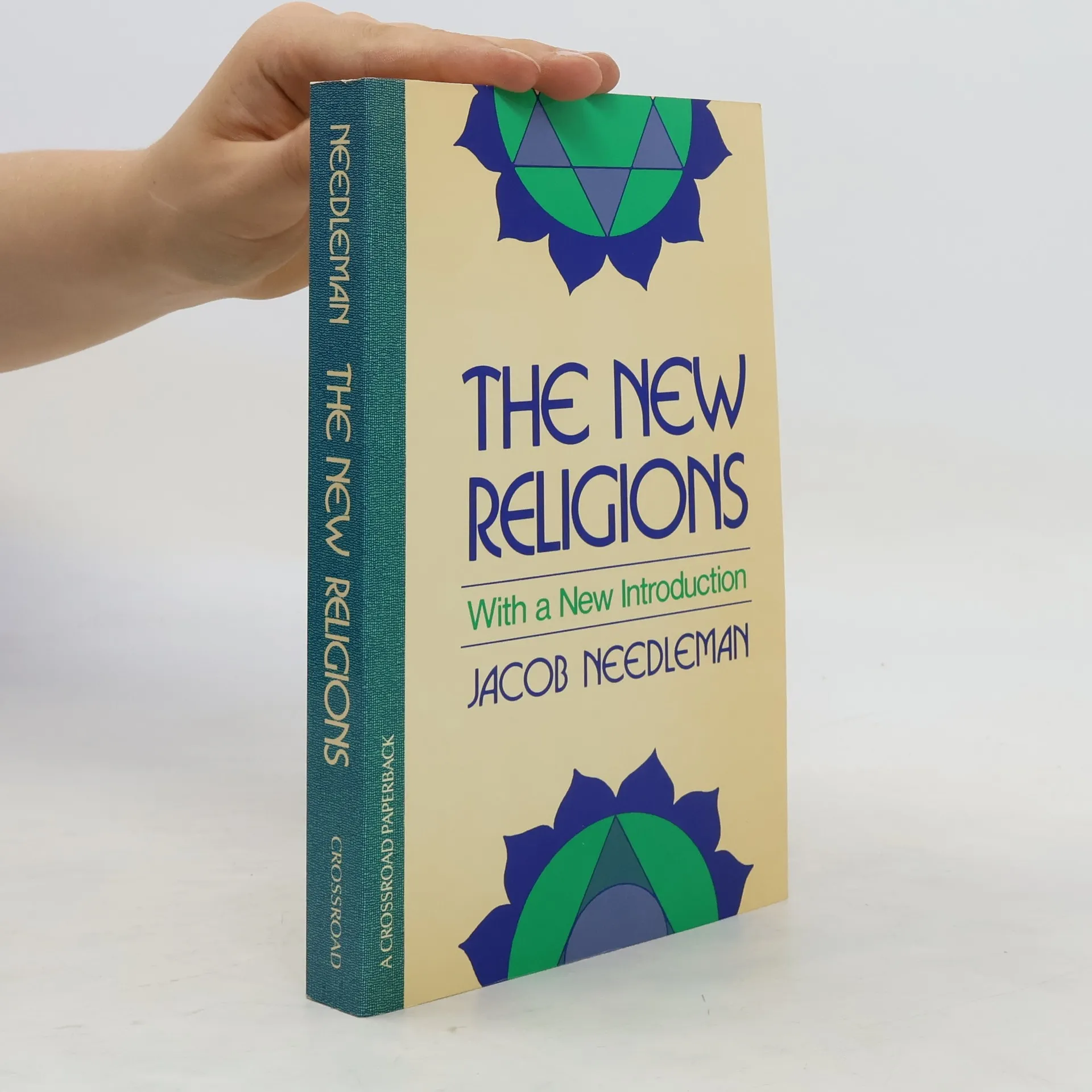
New Religions - With a New Introduction
- 297 Seiten
- 11 Lesestunden
Now restored to print, here is philosopher Jacob Needleman's groundbreaking study of America's alternative spiritual movements, with a new introduction by the author. Originally published in 1970, The New Religions was the first full-scale study of alternative spirituality in America. It remains unparalleled for the intellectual depth and seriousness with which it regards Eastern, New Age, and alternative faiths on the American landscape.