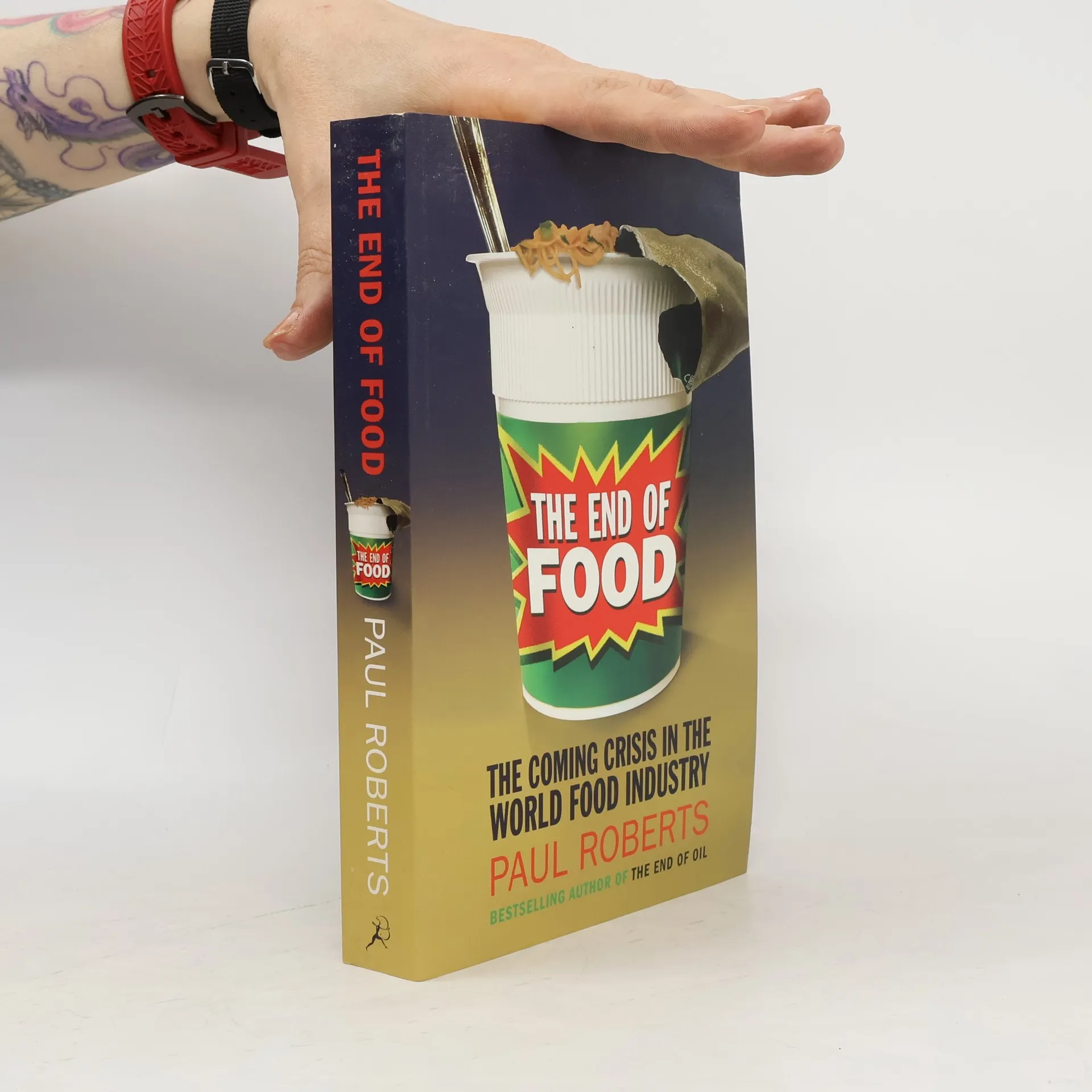
The End of Food
- 416 Seiten
- 15 Lesestunden


Diese Journalistin und Autorin von drei Büchern konzentriert sich in ihrer Arbeit auf die sich entwickelnde Beziehung zwischen dem Markt und dem Selbst. Ihre Schriften untersuchen Themen, die von Technologiebesessenheit bis zur Politik des Narzissmus reichen. Frühere Werke befassten sich mit der Energiewirtschaft und der Lebensmittelindustrie, wobei ihr jüngstes Werk Amerika im Zeitalter der sofortigen Befriedigung untersucht. Ihre Arbeit bietet eine scharfe Perspektive auf die moderne Gesellschaft.



»Mit ihrer Politik öffnen die USA dem Dritten Weltkrieg Tür und Tor!« Diese provokante Aussage stammt von Dr. Paul Craig Roberts, einem ehemaligen Staatssekretär für Wirtschaftspolitik im US-Finanzministerium unter Ronald Reagan. Roberts, 76 Jahre alt, warnt vor einem drohenden atomaren Konflikt zwischen den USA und Russland, wobei er die Verantwortung dafür klar Washington zuschreibt. Er sieht die europäischen Länder und viele andere als Vasallen der USA, deren Bestrebungen nach eigener Souveränität als Bedrohung des imperialen Machtanspruchs angesehen und bestraft werden. Europa wird eine Außenpolitik, die seinen eigenen Interessen dient, verwehrt. Während der Handel zwischen den USA und Russland trotz Sanktionen floriert, erleiden die Europäer massive Exporteinbußen. Roberts kritisiert die westlichen Medien, die seiner Meinung nach von wenigen Konzernen kontrolliert werden und einheitliche, stereotype Propaganda verbreiten. Anstatt Antiamerikanismus zu propagieren, sieht er die USA seit der Clinton-Ära als Verfechter einer imperialistischen Doktrin, die sich von ihren ursprünglichen Idealen entfernt hat. Er warnt vor der Entwicklung der USA zu einem Überwachungsstaat und beschreibt in seinen Essays, wie die Welt durch »wildgewordene Persönlichkeiten, Psychopathen und Soziopathen« in den USA in Gefahr eines nuklearen Armageddons gerät.
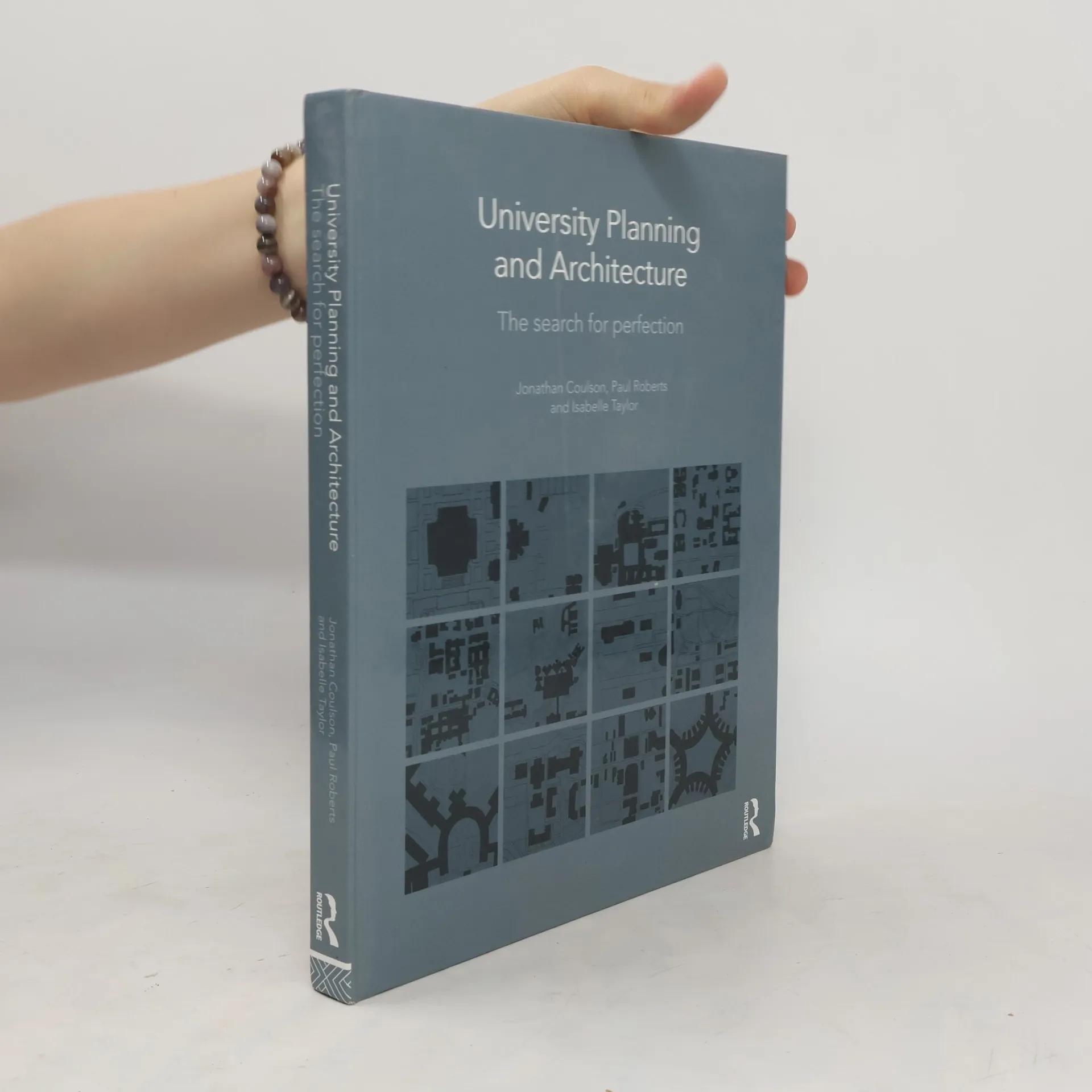
"This book comprehensively documents the worldwide evolution of university design from the Middle Ages to the present day, uncovering the key developments which have shaken the world of campus planning. A series of detailed and highly illustrated case-studies profile universally acclaimed campuses that, through their planning, architecture and landscaping, have succeeded in making positive contributions to the field. Drawing on these examples, the book turns to the strategies behind campus planning in today's climate. Exploring the importance of themes such as landscape, architecture, place-making and sustainability within university development, the book consolidates the lessons learnt from the rich tradition of campus development to provide a 'good practice guide' for anyone concerned with planning environments for higher education."--Publisher description
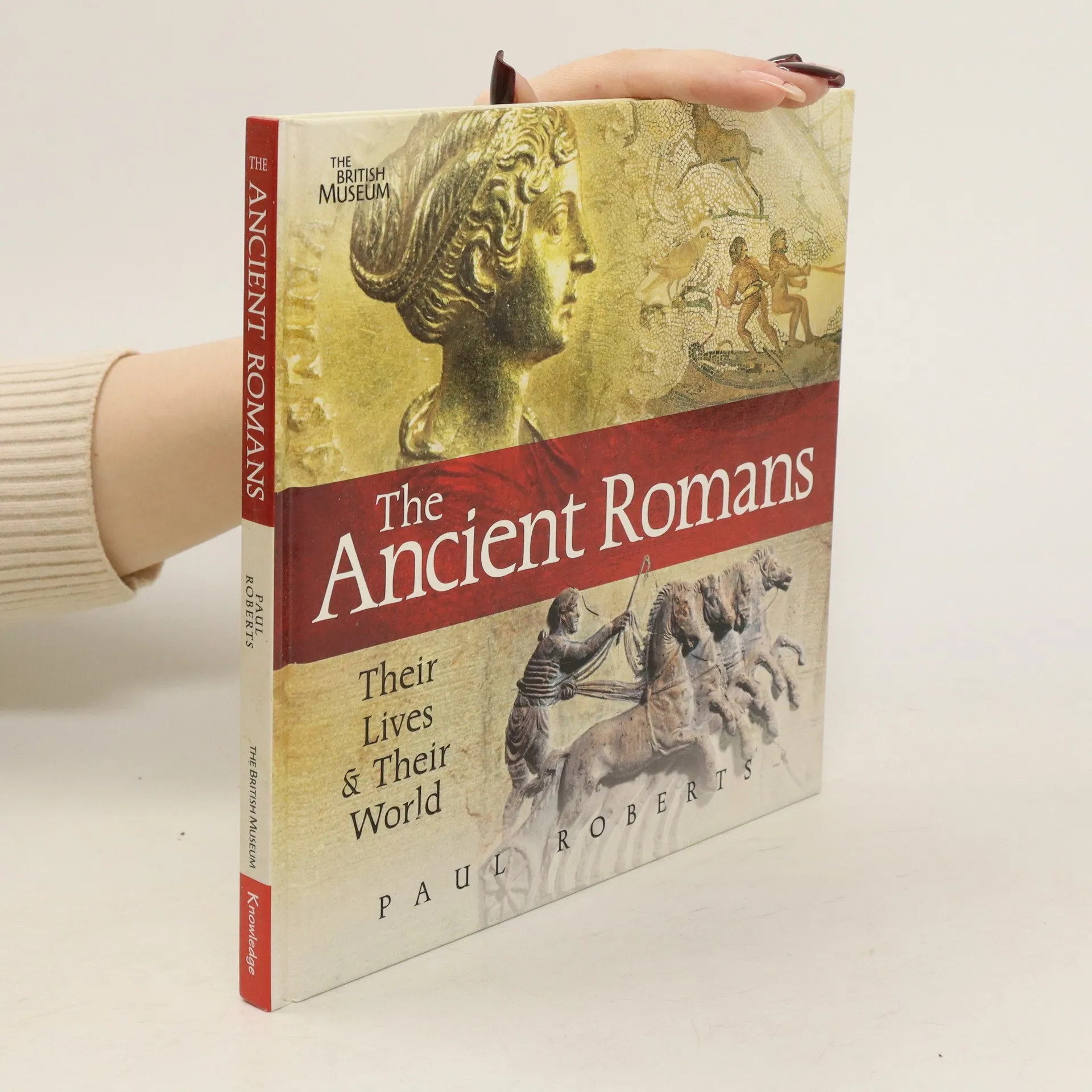
In AD 79, the Bay of Naples was devastated by the eruption of Mount Vesuvius, burying Pompeii, Herculaneum, and surrounding areas under pumice and ash. This eruption is one of history's most recognized volcanic events, leaving behind invaluable archaeological evidence of daily life in the Roman Empire. The book offers a vivid exploration of the lives of Pompeii and Herculaneum's inhabitants, using full-color photographs of over 200 excavated artifacts, from a soldier's sword to a shopkeeper's blue glass bottle. Paul Roberts, a British Museum curator, brings these individuals back to life, examining every room in a typical Roman home. Readers will discover bronze busts and mosaics in the entrance, frescoes and silver cups in the dining room, a carbonized cradle and a birth certificate in the bedroom, and cooking pots in the kitchen. The book also discusses various shops, from bakeries to taverns, and reconstructs the eruption using archaeological and geological evidence, alongside Pliny the Younger's eyewitness account. With stunning photographs of celebrated artifacts and recent finds, this work captures both the public and private lives of real Roman families.
Introducing the many people of the Roman Empire and showing first hand how they lived and worked, this book also has quotations from ancient Roman sources that allow children to read about the Romans in their own words. The contents include sections on kings and emperors, gods and goddesses, servants and slaves and much more.
From the Hubble space telescope that was launched with a malfunctioning device that resulted in all the pictures it took being blurred, to the extremely late completion of England's new national soccer stadium at Wembley, history is full of example of projects that damaged organisations because they were late, over budget, failed to deliver what they were meant to, or were complete disasters. This guide explains the principles and techniques of project management and how they are interconnected with the day-to-day management of a business. It is an invaluable handbook for helping firms deliver successful project outcomes and achieve lasting benefit through effective change.
This shortform text hones in on the absolute essential elements of the field. With practical insights throughout, the book provides readers with a concise understanding of key concepts, techniques and outcomes such as ownership, execution, success, quality, budgets and risks.
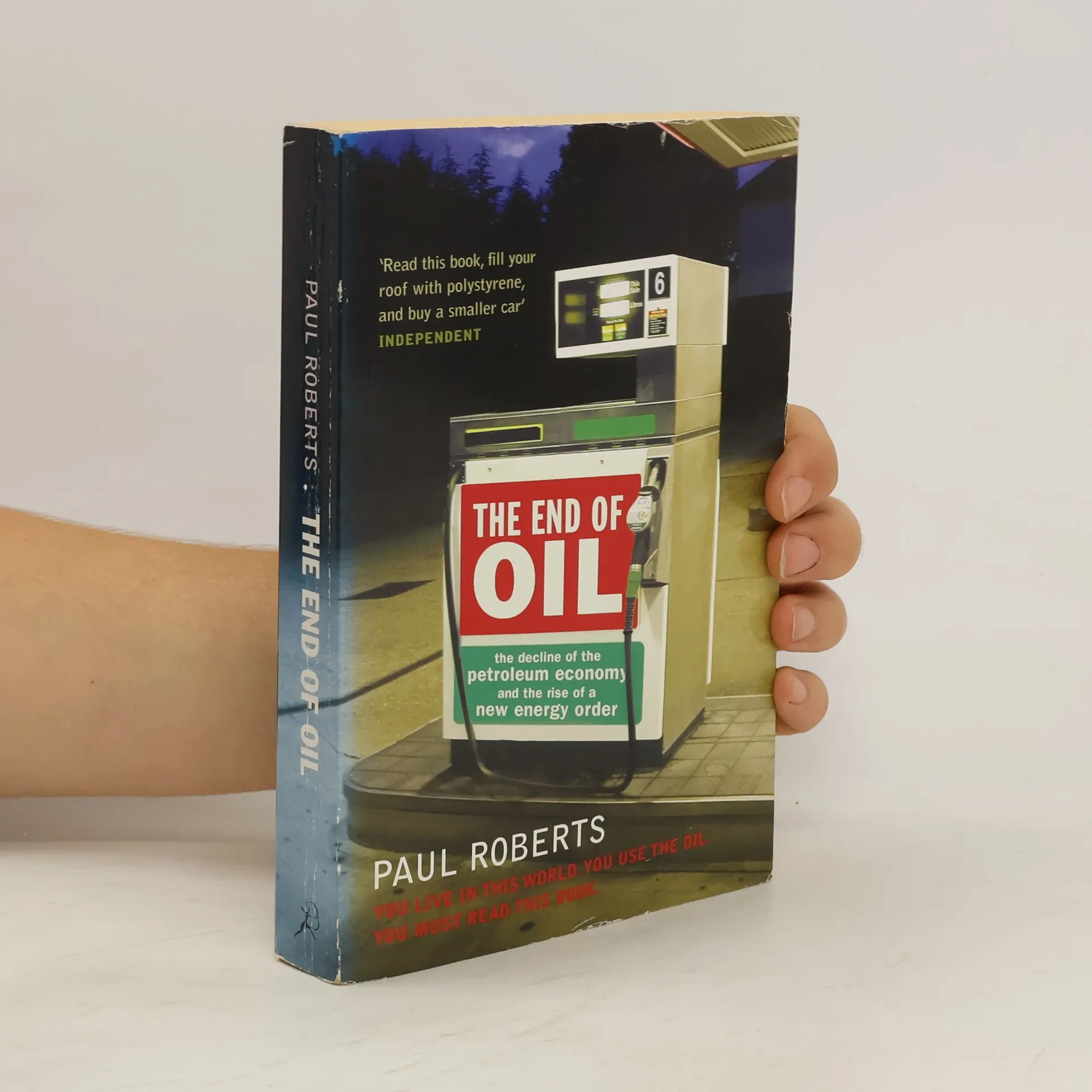
This title provides a revealing look at our plundering of natural resources, and the trouble we are in when they run out - which could be sooner than we imagine.
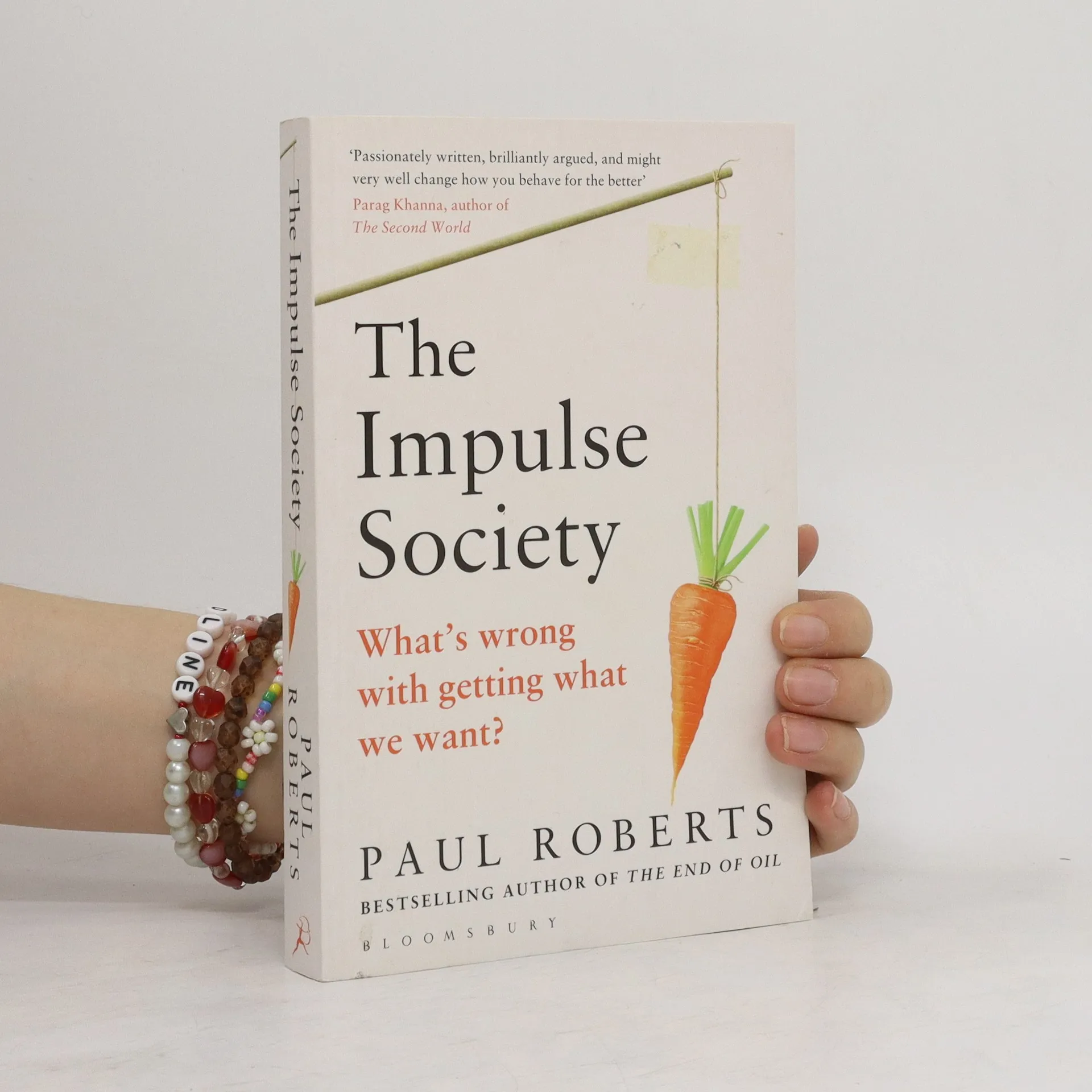
What do soaring debt, endemic narcissism, road rage, political attack ads and killer drones share in common? All are symptoms of a society that moves, reflexively and relentlessly, to exploit the fastest, most efficient means to any end, without regard to cost. This is the 'impulse society' in which we live. In every facet of postindustrial society - the way we eat, the way we communicate and entertain, the way we work, the way we court lovers and raise children, educate and govern - technology and affluence has let us reach our goals with a speed and efficiency unimaginable even a generation ago. But the result is not all milk, honey, and gold. Companies now reflexively maximise short-term gain at the expense of long-term success. Politicians resort with ever-greater speed to nasty campaign tactics, and can count on their damaging claims to spread before the facts catch up with them. Consumers engage in serial over-indulgence and pursue instant gratification of every whim with speed and greed. The costs of living this way are substantial: financial volatility, health epidemics, environmental exhaustion and political paralysis, to say nothing of a growing, gnawing dissatisfaction. In this epoch-defining book, Paul Roberts traces the roots of this problem, damningly revealing how it has permeated society, and cogently argues how it may, perhaps, still be reversed
Most projects fail to reach their desired results when an organization views a project as the responsibility of only one the project manager. Experience demonstrates that significant ventures require a great number of people—including those who commission the project, those who finance it, those who carry it out, and even those who use the end product—to be successful. This guide offers an in-depth approach to getting project management right. Guide to Project Management shows why projects of any scale require that an entire organization contribute to achieving results. It focuses on the steps essential for successful initiation, planning, delegation, and closing. Author Roberts has successfully managed projects at major companies such as Pfizer and British Airways. In this book, he details how all stakeholders can manage a project properly and successfully.
Mit Vorliebe nennt er sich Captain, manchmal auch Colonel Claridge oder Carver oder nur Smith. Allein diese Tatsache lässt dunkle Geschäft oder Verschwörungen vermuten: Ein feiner Herr mit Spazierstock und Melone betritt die Bildfläche, nimmt den minderjährigen Sohn eines Freundes unter seine Fittiche und lehrt ihn seine kleinen Betrügereien. In jede Rolle schlüpft er, dieser Mister X, sei es Ganove oder fürsorglicher Freund, sei es Spieler oder zärtlicher Liebhaber - und spontaner oder auch verhaltener Applaus ist ihm gewiss.
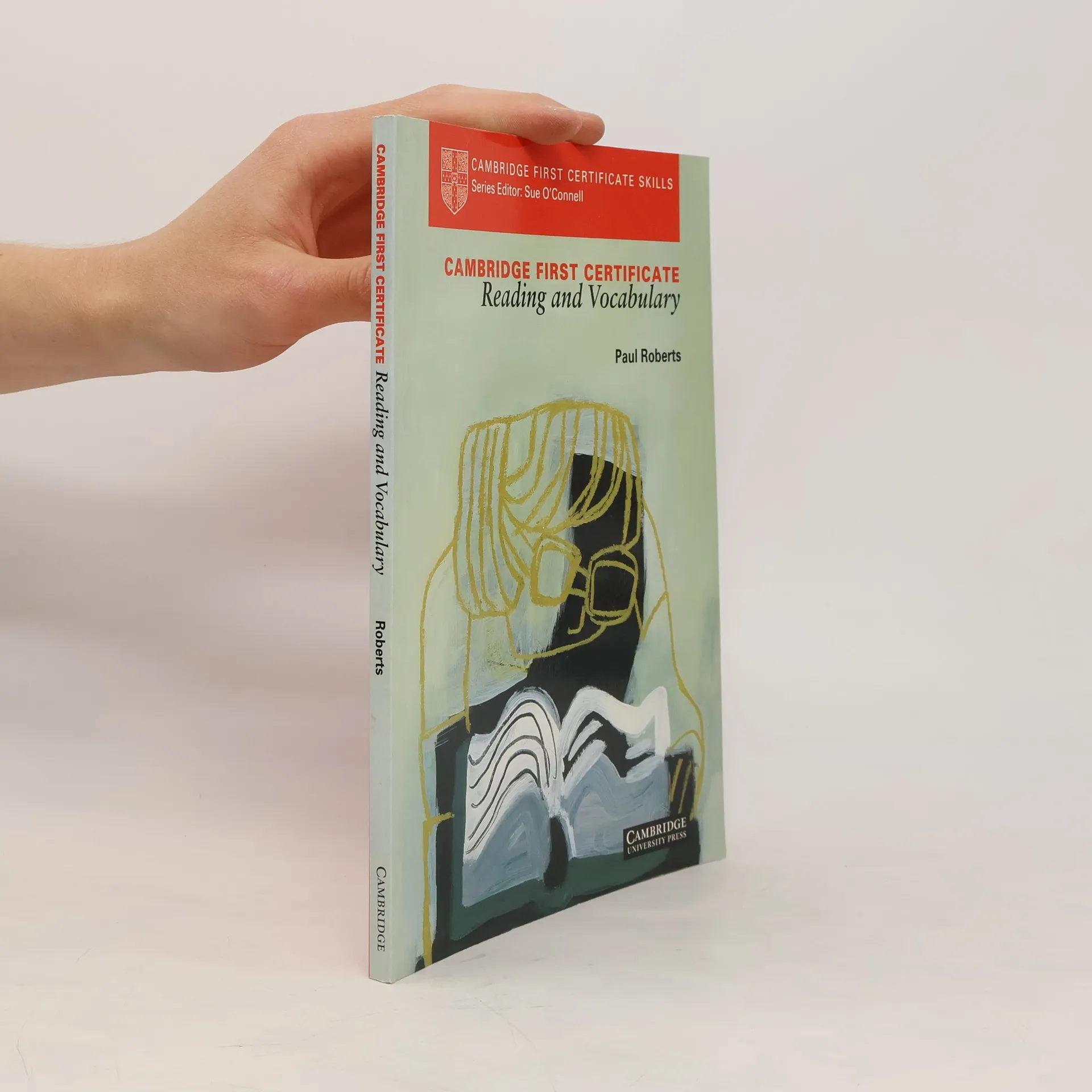
This book combines training in reading and vocabulary skills, with preparation for FCE Paper 1.
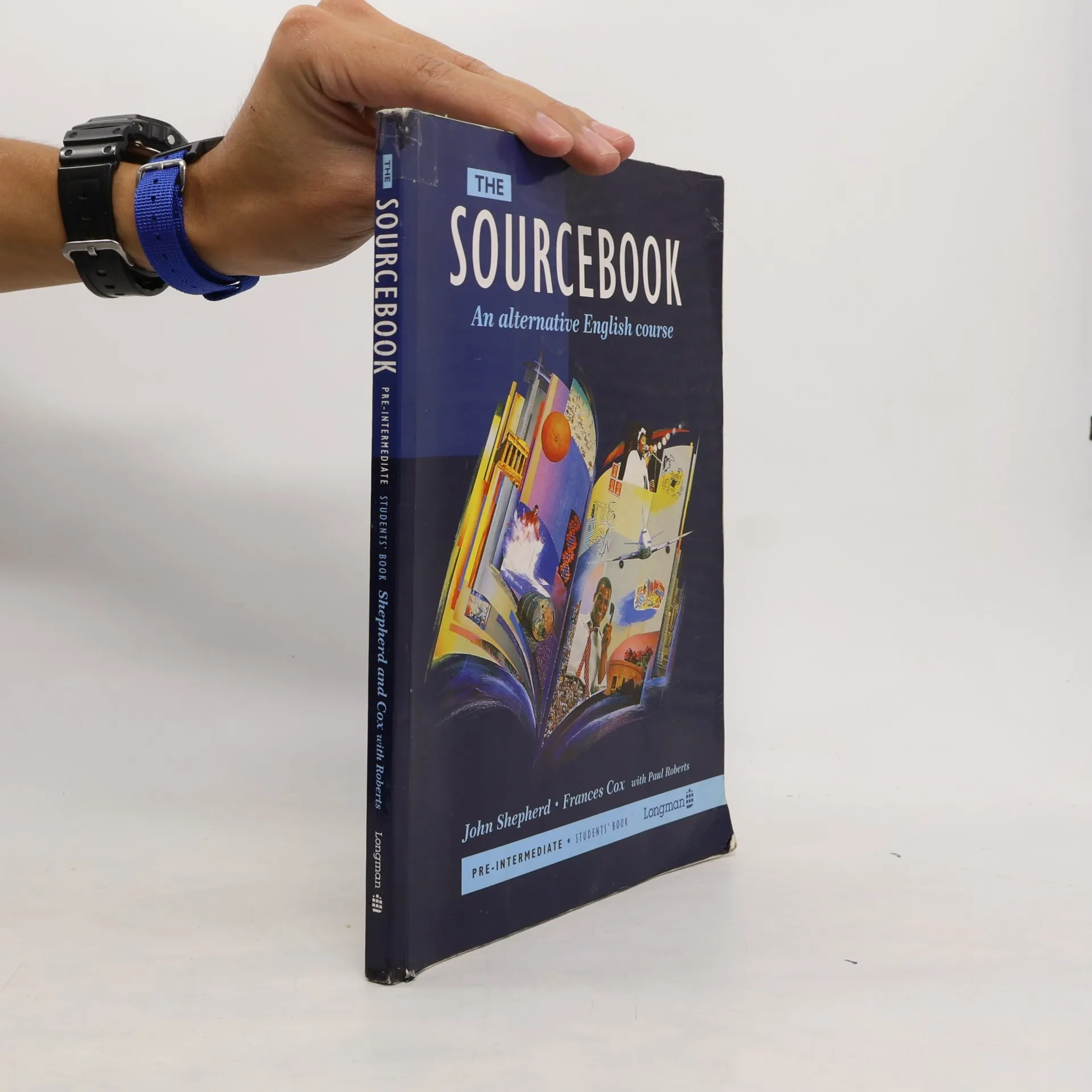
An Alternative English Course - Students' Book
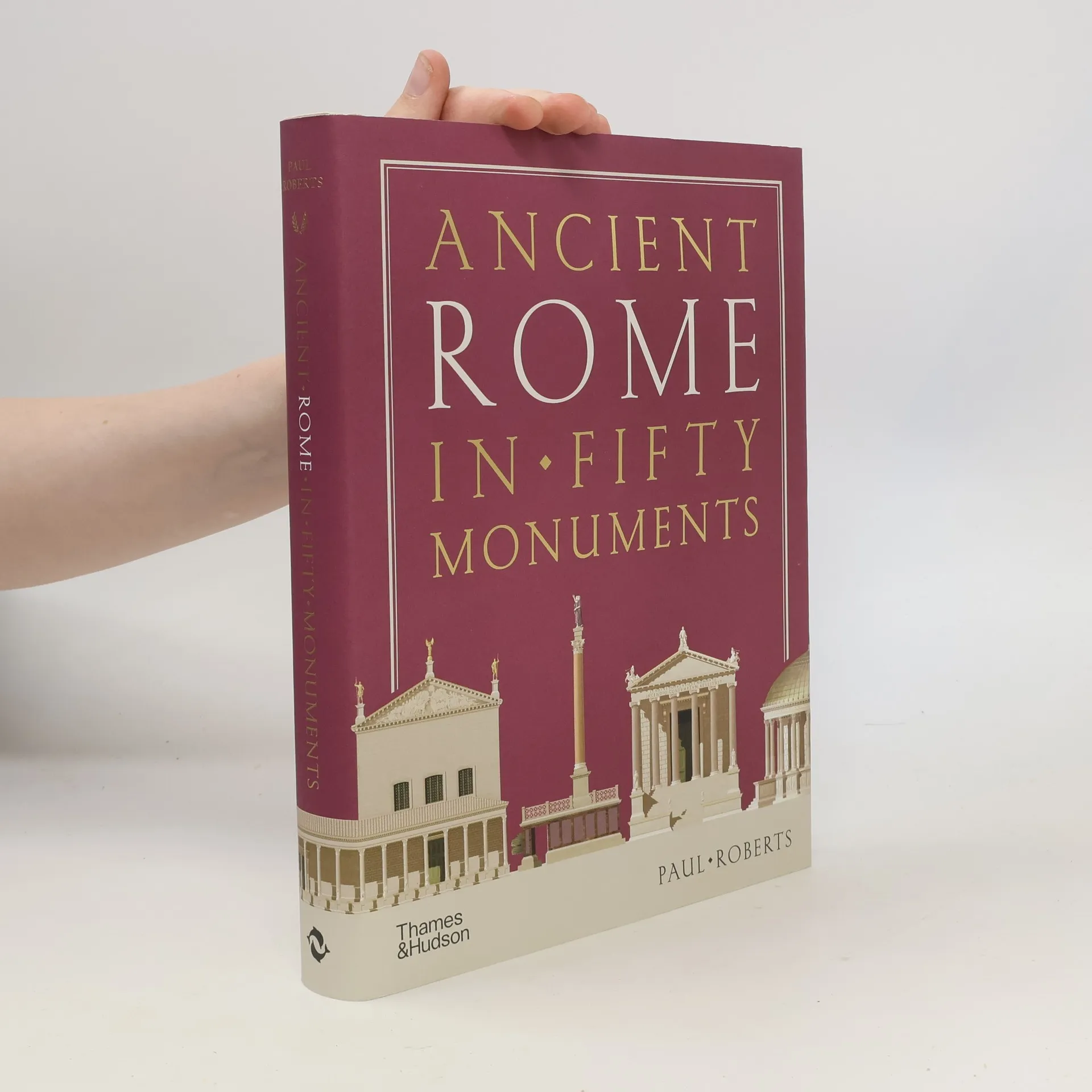
A sweeping new history of the city of Rome, told through its emperors and the monuments they built to leave their mark on one of the great capitals of the classical world.
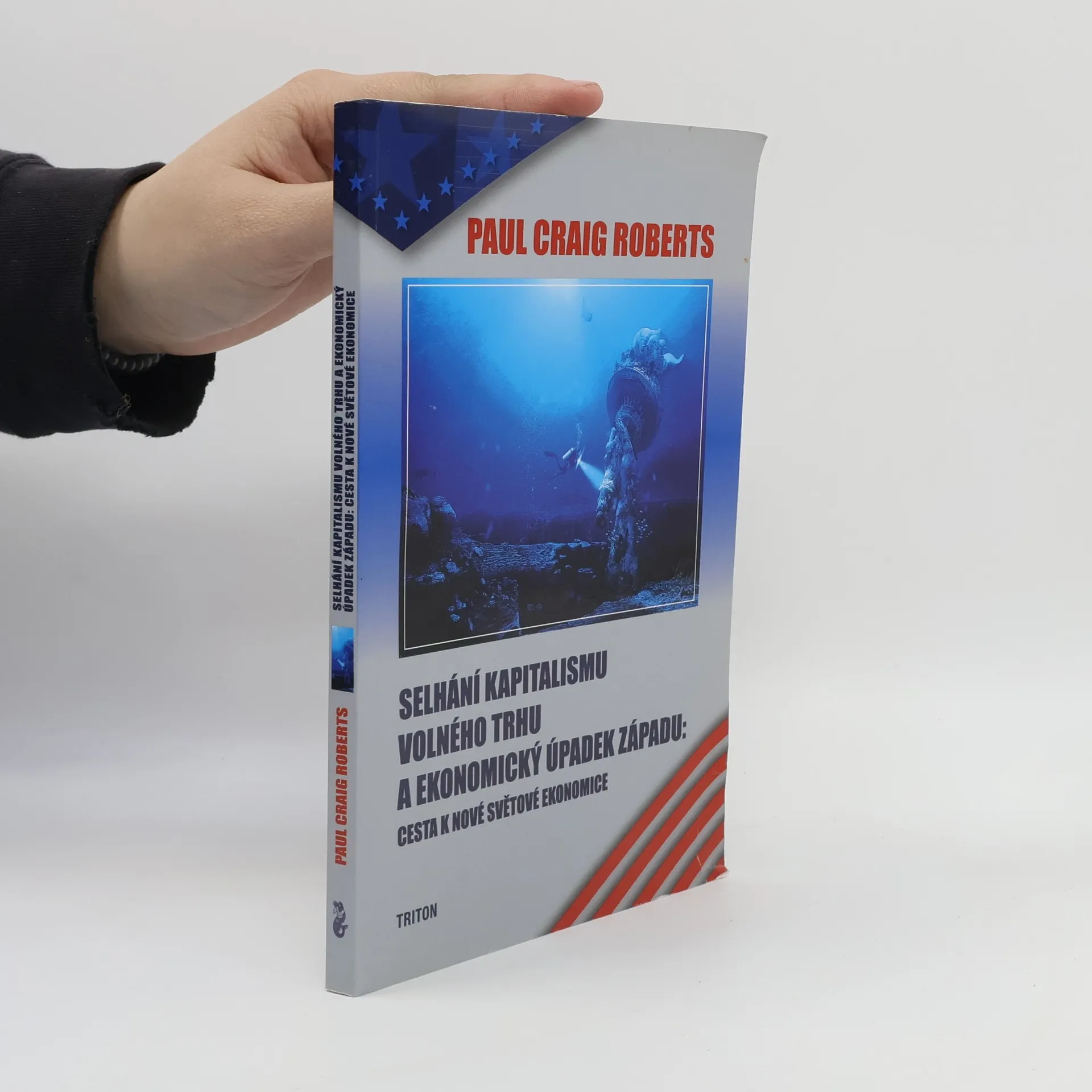
V tomto díle, které psal dlouho před ukrajinskou krizí, se Paul Craig Roberts věnuje popularizaci ekonomie a především kritice omylů spjatých s libertariánským pohledem na svět a ekonomiku, a také pečlivému rozlišování, komu politika tohoto směru pomáhá a koho poškozuje. Rozebírá samozřejmě příčiny poslední krize. Čtenář se může seznámit se zdrcujícími dopady offshoringu na americké hospodářství, zejména v podobě úbytku pracovních míst a nezaměstnanosti. Poukazuje na to, že původní „americký sen“ je dnes nahrazen masívním rozšířením chudoby, závislostí na potravinových lístcích a přímo neuvěřitelnou koncentrací bohatství v rukou hrstky lidí. Roberts věnuje pozornost i Evropské unii a „řecké tragédii“. Podle jeho názoru má Řecko posloužit jako precedens, aplikovatelný nejprve na Itálii či Španělsko, a posléze na všechny státy EU. Roberts chápe řecký problém nikoliv jako problém dluhový či čistě ekonomický, ale především jako boj o zachování (nebo zrušení) suverenity členských zemí EU. Vysoce oceňuje názory Hermana Dalyho a jeho ekonomiku ustáleného stavu. Zdůrazňuje, že jedno ekonomické paradigma končí. Podle něho je načase hledat paradigma jiné, v němž přírodní bohatství přestane být „externalitou“ a lidé „pracovními náklady“, které je třeba snižovat za každou cenu.