

Gratis Versand in ganz Deutschland
Bookbot

Oleksandr Mykhed

    21. April 1988
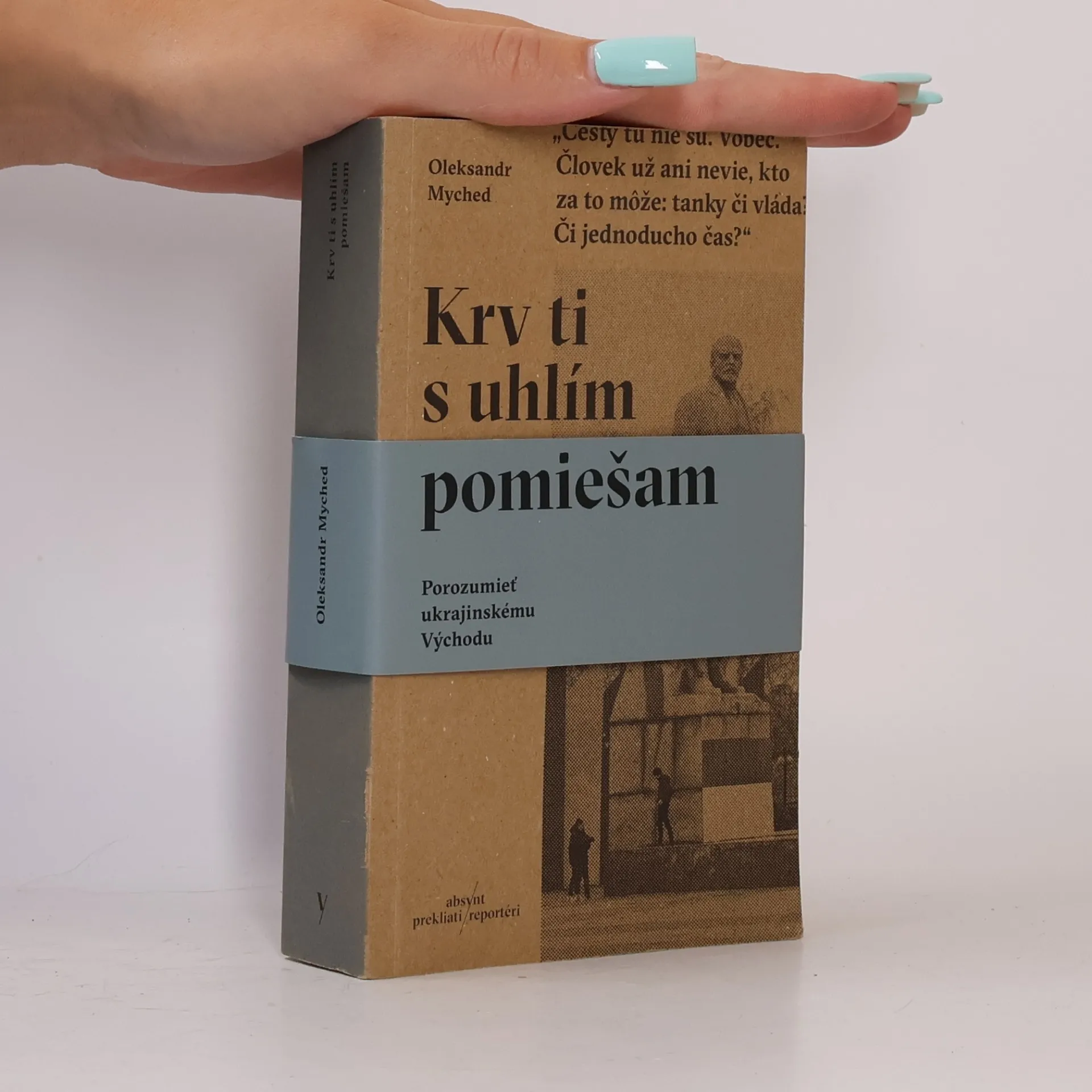
    Krv ti s uhlím pomiešam: Porozumieť ukrajinskému Východu
    The Language of War
    • 2024

      Čierne ruky, čierne tváre – len oči z nich žiaria nabielo. A ešte zuby, ak sa práve usmievajú. Tak vyzerajú doneckí baníci, keď vyjdú na svetlo a zažmúria do slnka. Kniha rozpráva o Donbase pred vojnou. Oleksandr Myched nás zoberie do čierneho srdca Ukrajiny, do miest ako Bachmut, Pokrovsk, Konsťantynivka, Severodoneck a Lysyčansk, ktoré boli centrami ukrajinského a predtým sovietskeho baníctva a súčasťou fascinujúceho vesmíru Donbas. Myched prichádza na východ v roku 2016, keď už prebieha vojna a východná Ukrajina hľadá svoju identitu. Mestá dostávajú nové mená a prichádza mladá generácia, zatiaľ čo o blížiacej sa invázii nikto netuší. V knihe skúma mytológiu baníckych miest, kľúčové postavy regiónu a stereotypy. Ukazuje, že kraj má v sebe viac než len čierny prach; je to hrdé, etnicky a kultúrne rôznorodé obyvateľstvo, ktoré sa cíti silne spojené s Ukrajinou a otvorené voči Západu. Myched sa vracia do miest, ktoré spoznal pri projektoch oživujúcich komunitu, dnes spojených s najtvrdšími bojmi. Rozpráva sa s obyvateľmi, baníkmi, umelcami a intelektuálmi, ktorí hovoria o svojich životoch v regióne, ktorý nie je veľmi známy ani v samotnej Ukrajine. Kniha je pôsobivou polyfóniou o minulosti a súčasnosti ukrajinského východu, zachytávajúc stratenej histórii a láske k vlasti.

      Krv ti s uhlím pomiešam: Porozumieť ukrajinskému Východu
    • 2024

      The Language of War

      • 280 Seiten
      • 10 Lesestunden

      When everyday life becomes a state of emergency, how can yesterday’s words suffice?‘We were so happy and didn’t know it…’A thirty-three-year-old writer lives in a quiet European suburb with his wife and his dog. His parents have bought an apartment nearby. On weekends they go out for brunch, cook and see friends. Life is good; it is normal. Then the invaders come.The Language of War is about what happens when your world changes overnight. When you wake up to the sound of helicopters and the smell of gunpowder. When your home is hit by shells or broken into by gunmen, and you spend another night in a basement-turned-bomb shelter. When, even though you’ve never held a weapon before, you realise the only choice is to fight back. It is about things one can never forget, or forgive.Bringing together Oleksandr Mykhed’s vivid day-by-day chronicles of the invasion of Ukraine with a chorus of other voices – his family, friends in exile, those who have fought and have witnessed unimaginable atrocities – this book is both a record, and a reckoning. Haunting and timeless, it asks how it is possible to find the words to describe a new reality; how you can still make sense of the world when the only language you can speak is the language of war.

      The Language of War