Perdita Durango
- 173 Seiten
- 7 Lesestunden
Hrsg. v. Callahan, Bob ; Spiegelman, Art Illustr. v. Gillis, Scott. ( NeonLit). 112 S.


Barry Gifford ist ein amerikanischer Autor, der für seine einzigartige Mischung aus amerikanischen Landschaften und literarischem Wahnsinn bekannt ist, beeinflusst von Film noir und der Beat Generation. Seine Prosa zeichnet sich durch einen unverwechselbaren, dunklen Humor aus und erkundet die Randgebiete des amerikanischen Lebens. Gifford ist berühmt für seine Erzählungen über unkonventionelle Protagonisten auf der Straße, von denen viele erfolgreich verfilmt wurden, was seine starke visuelle Erzählweise unterstreicht. Er hat zudem ein umfangreiches Werk an Sachliteratur verfasst.





Hrsg. v. Callahan, Bob ; Spiegelman, Art Illustr. v. Gillis, Scott. ( NeonLit). 112 S.
První část šesti volně na sebe navazujících románů o Námořníkovi a Lule. Zběsilost v srdci je příběhem Námořníka a Luly, jejichž láska je od začátku vystavena nepříznivým okolnostem a náhodám. Nepřející Lulina matka dělá vše proto, aby oba mladé lidi od sebe oddělila – pokud možno navždy. Námořník a Lula se rozhodnou utéct, a tak se vydávají na cestu. Život „on the road“ však není tak jednoduchý, jak by se mohlo zdát, a uskutečnit sny je ještě těžší. Zvlášť když jste plní vášně, pro ránu nejdete daleko a zlo na vás číhá v každém hotelovém pokoji.
Das Buch enthält Erzählungen, die die Geschichte von Lula Fortune und Sailor Repley, den Protagonisten der berühmten "Wilde Herzen", fortsetzen. Zwei miteinander verbundene Geschichten behandeln das Thema von Liebenden, die versuchen, sich in einer Welt zurechtzufinden, die sie ständig mit ihrer Neigung zum Bösen überrascht. Vor dem Hintergrund unglaublicher Abenteuer und dramatischer Wendungen zeichnen sich interessante, einzigartige Persönlichkeiten ab.
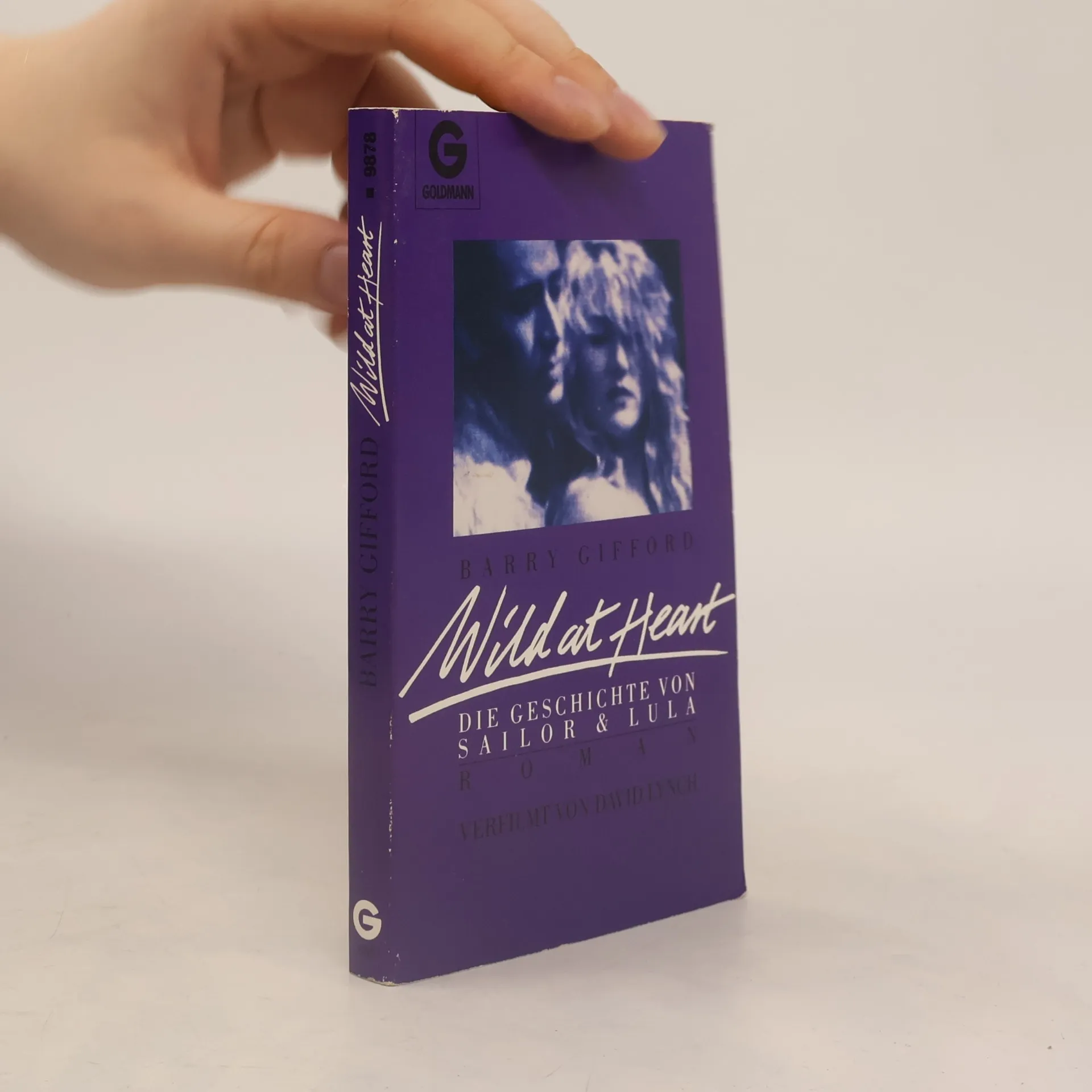
"The Romeo and Juliet of the South" are back in this new edition of the internationally best-selling Sailor and Lula novels, now including for the first time the culminating novel, The Up-Down, by American master Barry Gifford. "Barry Gifford invented his own American vernacular--William Faulkner by way of B-movie film noir, porn paperbacks, and Sun Records rockabilly--to forge the stealth-epic of Sailor & Lula"--Jonathan Lethem Here for the first time in print together are all eight of the books that comprise the saga of Sailor Ripley and Lula Pace Fortune, "the Romeo and Juliet of the South": Wild at Heart, Perdita Durango, Sailor's Holiday, Sultans of Africa, Consuelo's Kiss, Bad Day for the Leopard Man, The Imagination of the Heart, and The Up-Down.
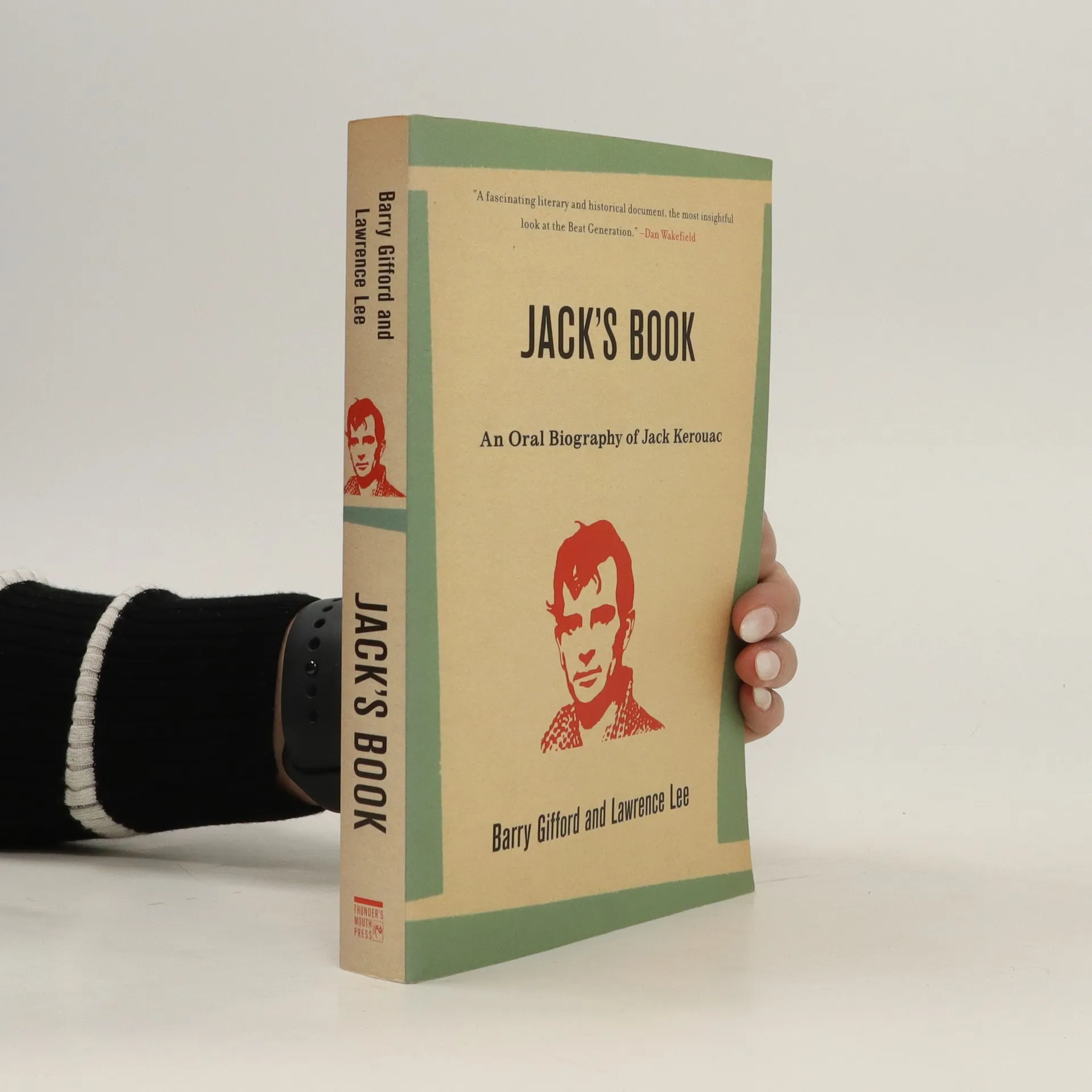
Here, in what has become a classic of its kind since its publication in 1978, is the fascinating story of Jack Kerouac, "King of the Beats" and American literary legend, recorded through the voices of his friends and lovers. Authors Barry Gifford and Lawrence Lee retraced Kerouac's life at home and on the road and talked with the prophets, musicians, poets, socialites, and working people who knew Jack Kerouac. Some are famous like Allen Ginsberg, Gore Vidal, William Burroughs, Gary Snyder, among others; and some are not like Jack's boyhood buddies, his lovers, and his barroom companions. All, however, have contributed to a remarkably vibrant, riveting portrait of a life. We see Jack at Columbia University and on the scene of Greenwich Village; speeding across the tarmac of America with Neal Cassidy ("Dan Moriarty" in Kerouac's classic novel, On the Road); at home with his possessive mother; in California, drinking wine and talking Buddhism; and finally, in Florida, where his life ends tragically at forty-seven years old. Jack's Book, like Kerouac's novels, makes a unique contribution to our understanding of a man and a generation that shaped the dreams and visions of those who followed.
First Edition - 1st Printing - 1982 - dust jacket price not clipped - dust jacket has little shelf wear - no marks or tears in the book. Tight binding. Barry Gifford's sequel to Landscape with Traveler.
From the author of Wild at Heart, a “wild, wacky, funny, well-written, and surreal” novel (Kansas City Star) about a woman struggling to make her way in “a New Orleans so feverishly peculiar that Anne Rice would feel at ease there” (Washington Post).
On the twentieth anniversary of the publication of Barry Gifford's international bestseller, Wild at Heart, as well as the anniversary of the Palme d'Or-winning film adaptation by director David Lynch, Sailor & Lula: The Complete Novels presents all of the novels and novellas that comprise the saga of Sailor Ripley and Lula Pace Fortune, the Romeo and Juliet of the South: Wild at Heart, Perdita Durango (also made into a feature film), Sailor's Holiday, Sultans of Africa, Consuelo's Kiss, Bad Day for the Leopard Man, and The Imagination of the Heart.