Paul Carus Bücher
Paul Carus war ein deutsch-amerikanischer Autor und Herausgeber, der sich intensiv mit vergleichender Religionswissenschaft und Philosophie beschäftigte. Er betrachtete sich selbst eher als Theologen denn als Philosophen und gilt als Pionier bei der Förderung des interreligiösen Dialogs. Seine Arbeit erforschte die komplexe Beziehung zwischen Wissenschaft und Religion und spielte eine entscheidende Rolle bei der Einführung östlicher Traditionen und Ideen im Westen, insbesondere des Buddhismus. Carus' Schriften unterstreichen sein Engagement, unterschiedliche spirituelle Wege zu verbinden und ihr Verständnis in der modernen Welt zu fördern.


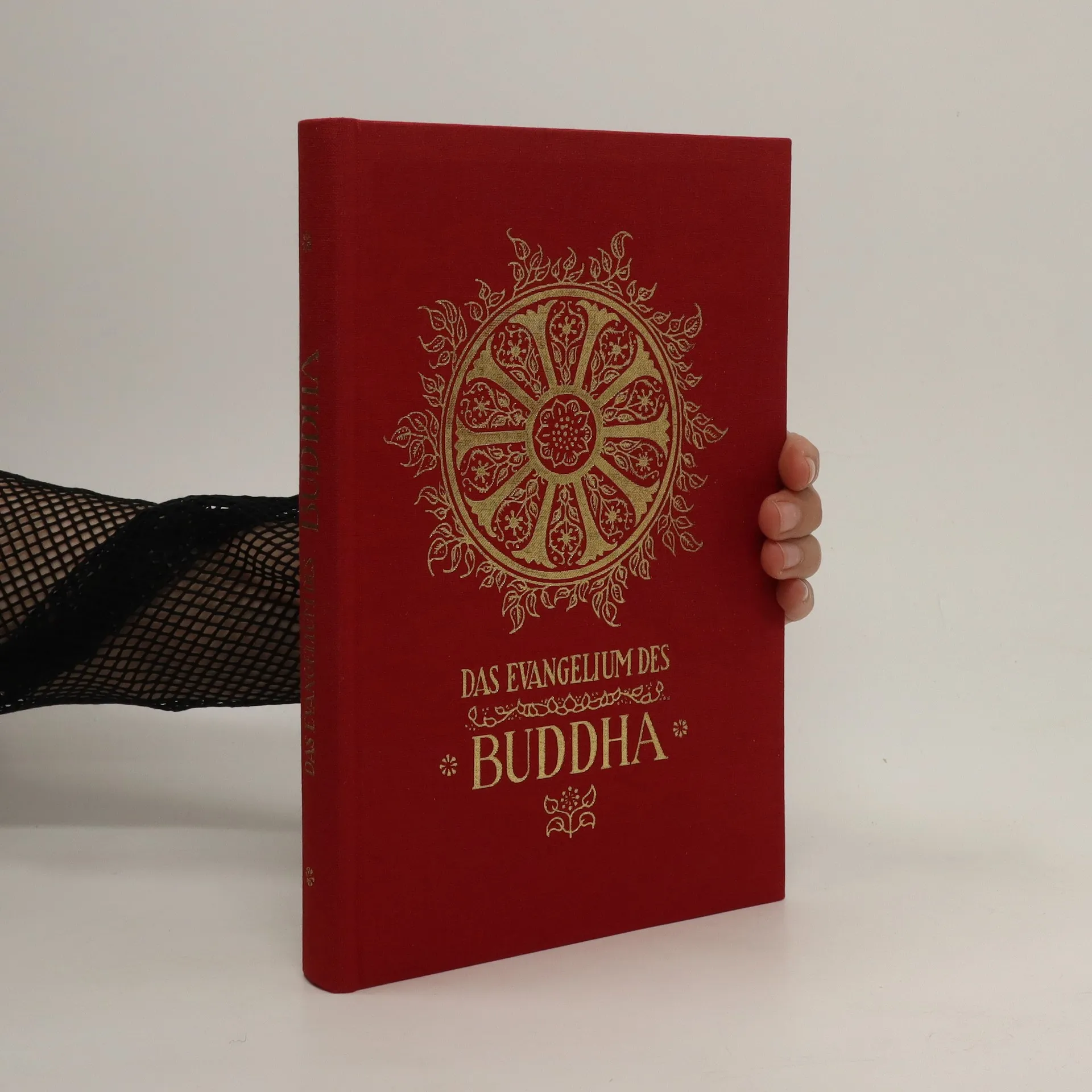
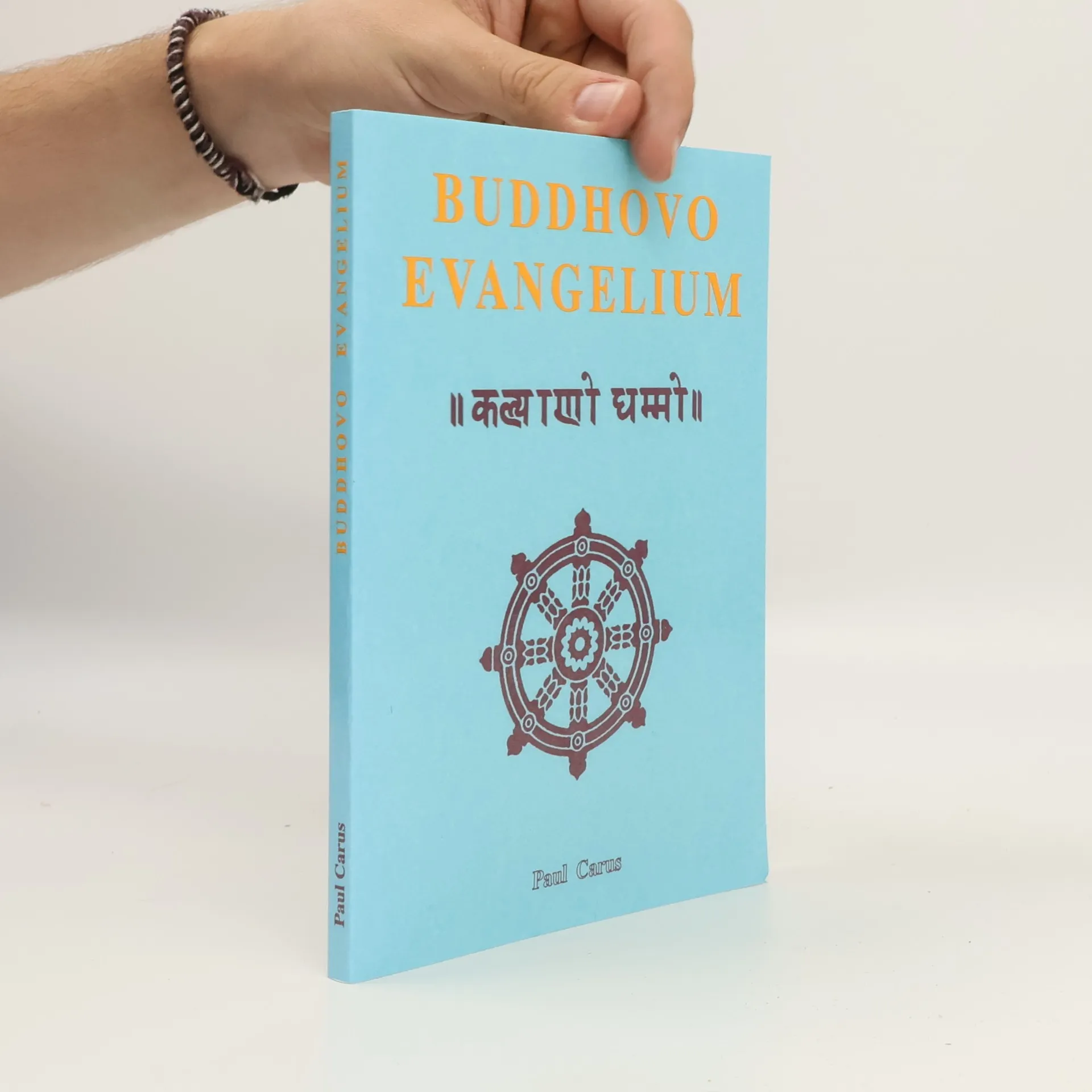
The Gospel of Buddha
- 228 Seiten
- 8 Lesestunden
Focusing on the life and teachings of Gautama Buddha, this classic text by Paul Carus offers insights into Buddhist philosophy and ethics. It explores key principles such as compassion, mindfulness, and the path to enlightenment, presenting Buddha's wisdom in a way that is accessible to readers. The book serves as both a spiritual guide and a scholarly examination of Buddhism, making it an essential resource for those interested in understanding this influential religion.
Buddha: His Life and Teachings
- 298 Seiten
- 11 Lesestunden
The Dharma
- 54 Seiten
- 2 Lesestunden
Excerpt from The Dharma, or the Religion of Enlightenment: An Exposition of Buddhism The Dharma taught by the Buddha (the Enlightened One) and held by the Sangha (the Buddhist Brotherhood) is formulated in four statements, called the four noble truths. About the Publisher Forgotten Books publishes hundreds of thousands of rare and classic books. In rare cases, an imperfection in the original, such as a blemish or missing page, may be replicated in our edition. We do, however, repair the vast majority of imperfections successfully; any imperfections that remain are intentionally left to preserve the state of such historical works.
Set against the backdrop of a majestic mountain hall, the narrative unfolds as characters gather, each bringing their own stories and secrets. The atmosphere is charged with anticipation, as tensions rise and relationships are tested. Themes of camaraderie, betrayal, and the struggle for power emerge, creating a rich tapestry of human emotion and interaction. As the plot develops, the characters confront their pasts, leading to unexpected revelations that shape their futures.
The Dharma
The religion of enlightenment - an exposition of Buddhism. Third Edition
- 60 Seiten
- 3 Lesestunden
This exposition of Buddhism explores the principles of enlightenment, offering insights into its teachings and practices. The third edition maintains the integrity of the original 1896 text, providing readers with a historical perspective on Buddhist philosophy. It serves as a valuable resource for those interested in understanding the foundational aspects of Buddhism and its relevance in contemporary spirituality.
The book is a facsimile reprint of an original antiquarian work, preserving its historical significance despite potential imperfections like marks and notations. It aims to protect and promote cultural literature by providing an affordable, high-quality edition that remains faithful to the original text.
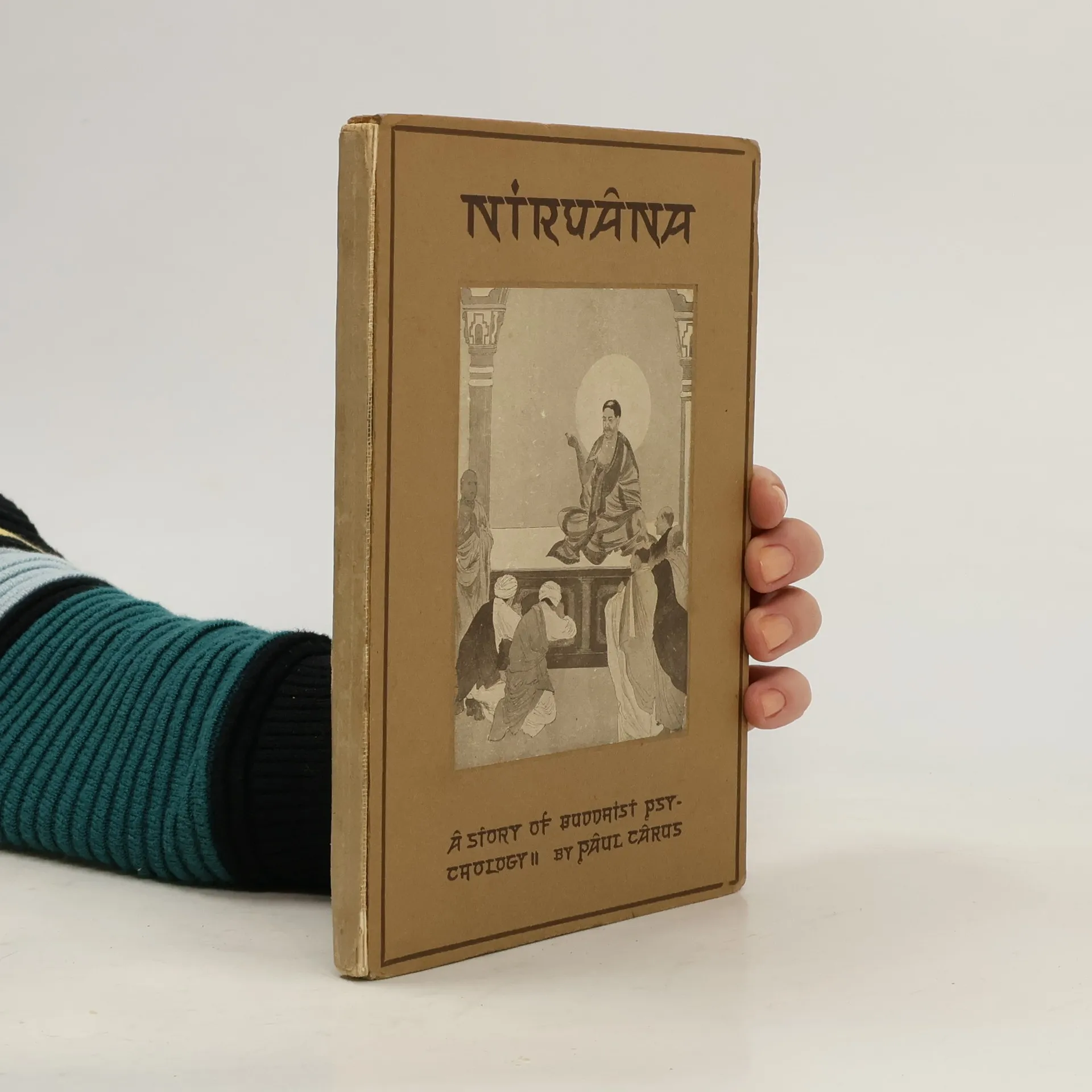
Nirvâna
A Story of Buddhist Psychology
Obsah této knihy je odvozen od starého buddhistického kánonui. Mnohé části, a ve skutečnosti jsou to ty nejdůležitější, jsou doslovnými opisy překladů originálních textů. Některé části jsou podávány volněji, některé jinak uspořádány a jiné byly zkráceny. Kromě třech úvodních a třech závěrečných kapitol je v knize jen několik málo čistě původních dodatků. Pro čtenáře, kteří se chtějí dostat až k pramenům buddhismu, je zde přiložena přehledná tabulka, která ukazuje v nejstručnější podobě hlavní zdroje jednotlivých kapitol a poukazuje na paralely se západním myšlením, zvlášť s křesťanskými evangelii.