
Gratisversand in ganz Deutschland!
Bookbot

Burny Bos

    8. April 1944 – 1. Dezember 2023
    Olli der kleine Elefant
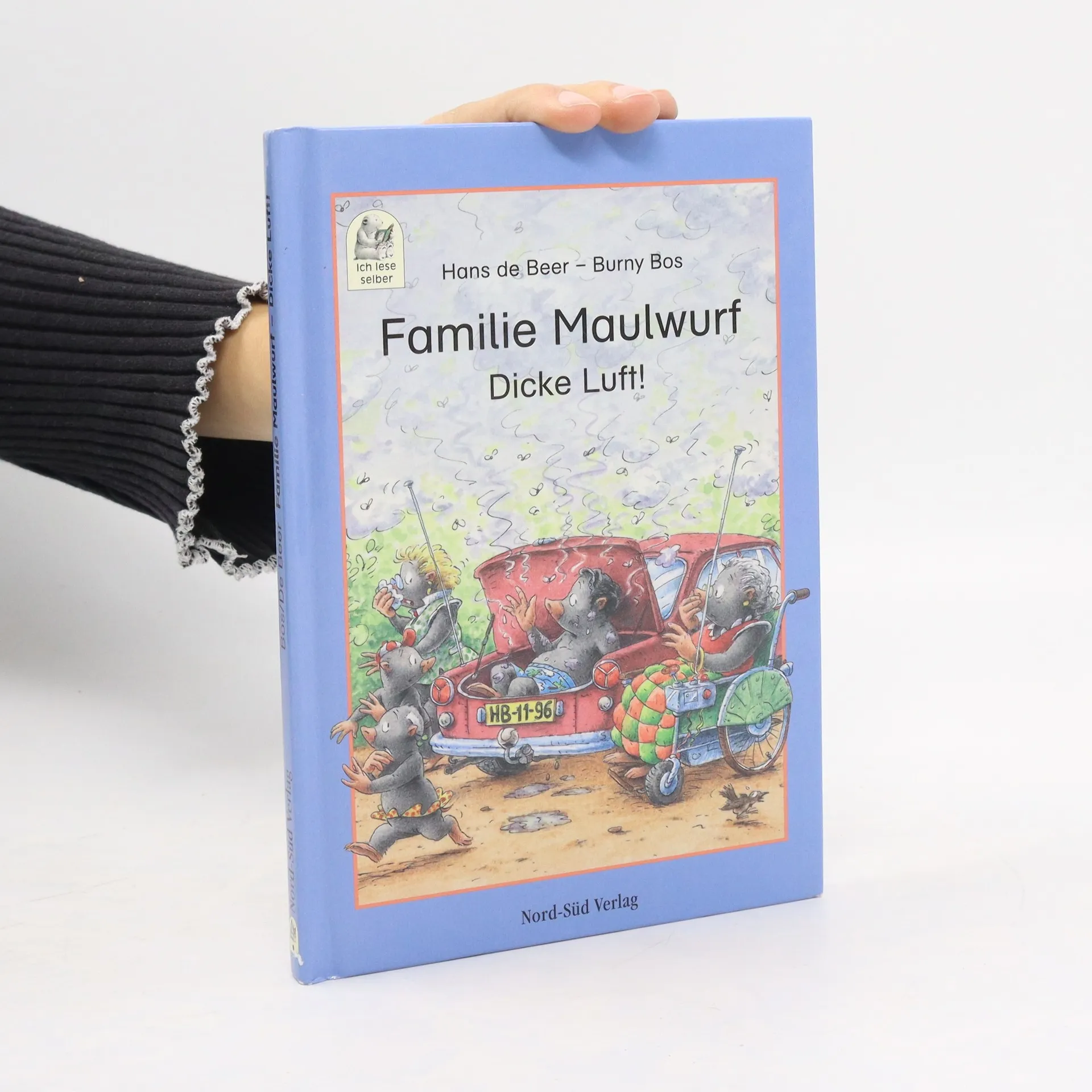
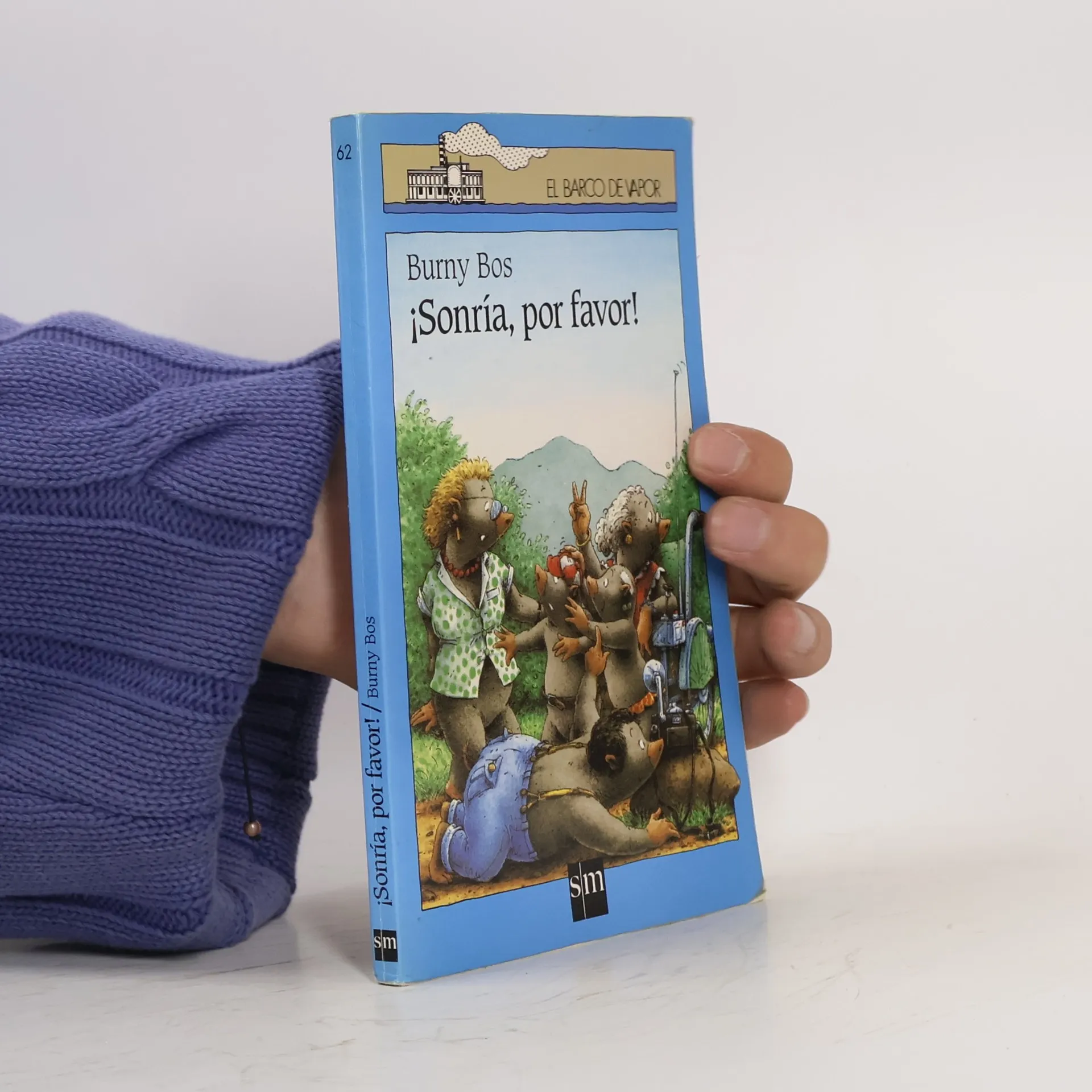
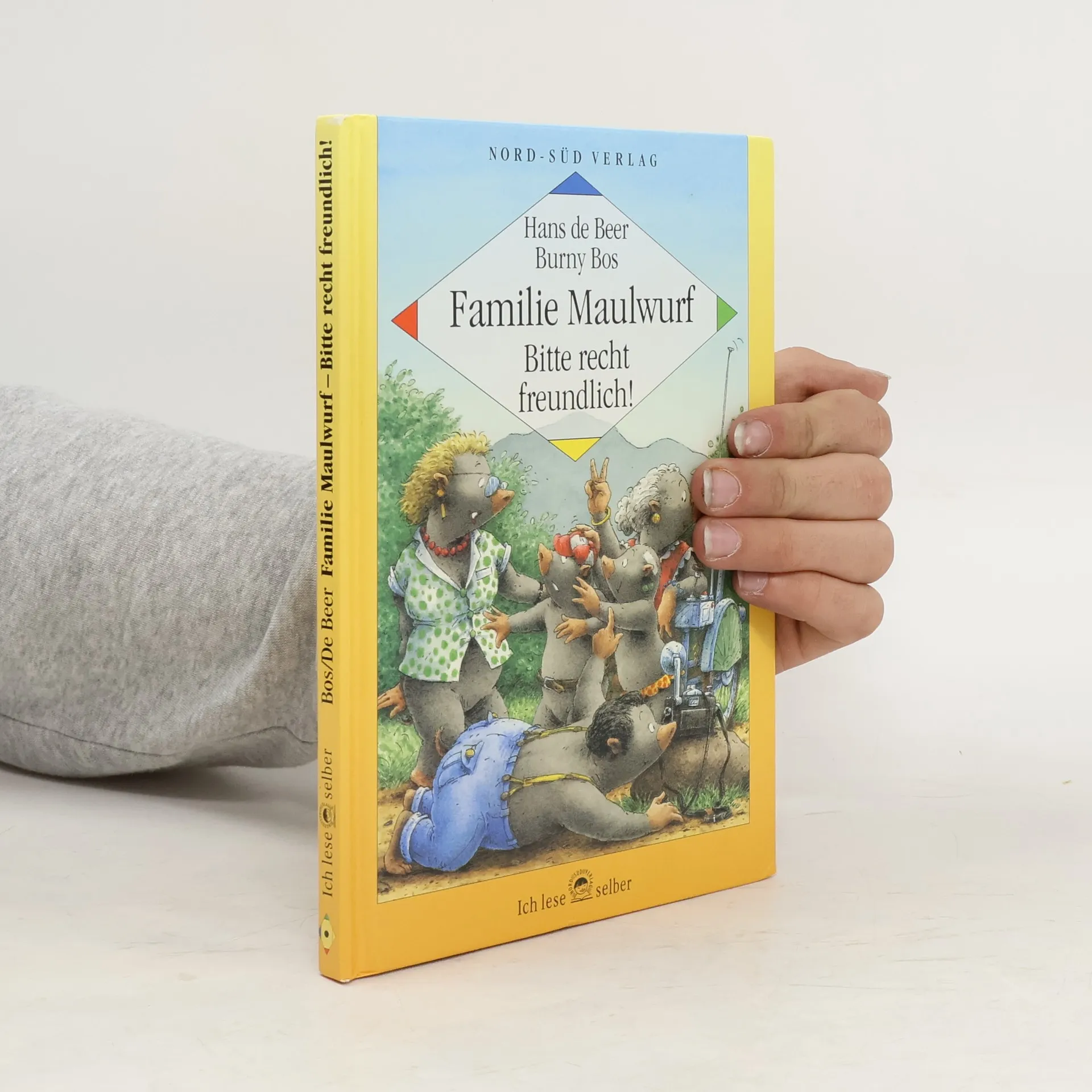
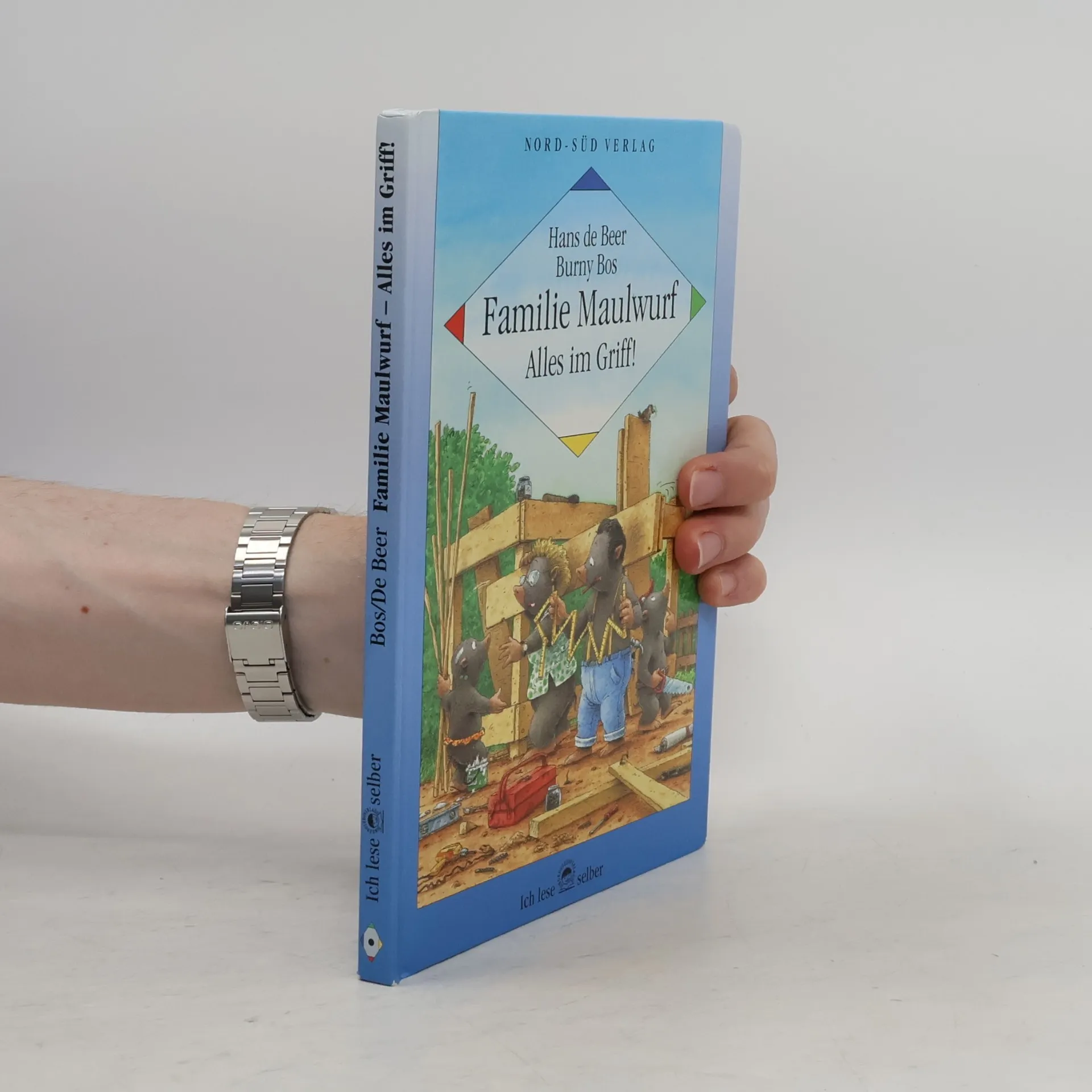
    Familie Maulwurf. Bitte recht freundlich!
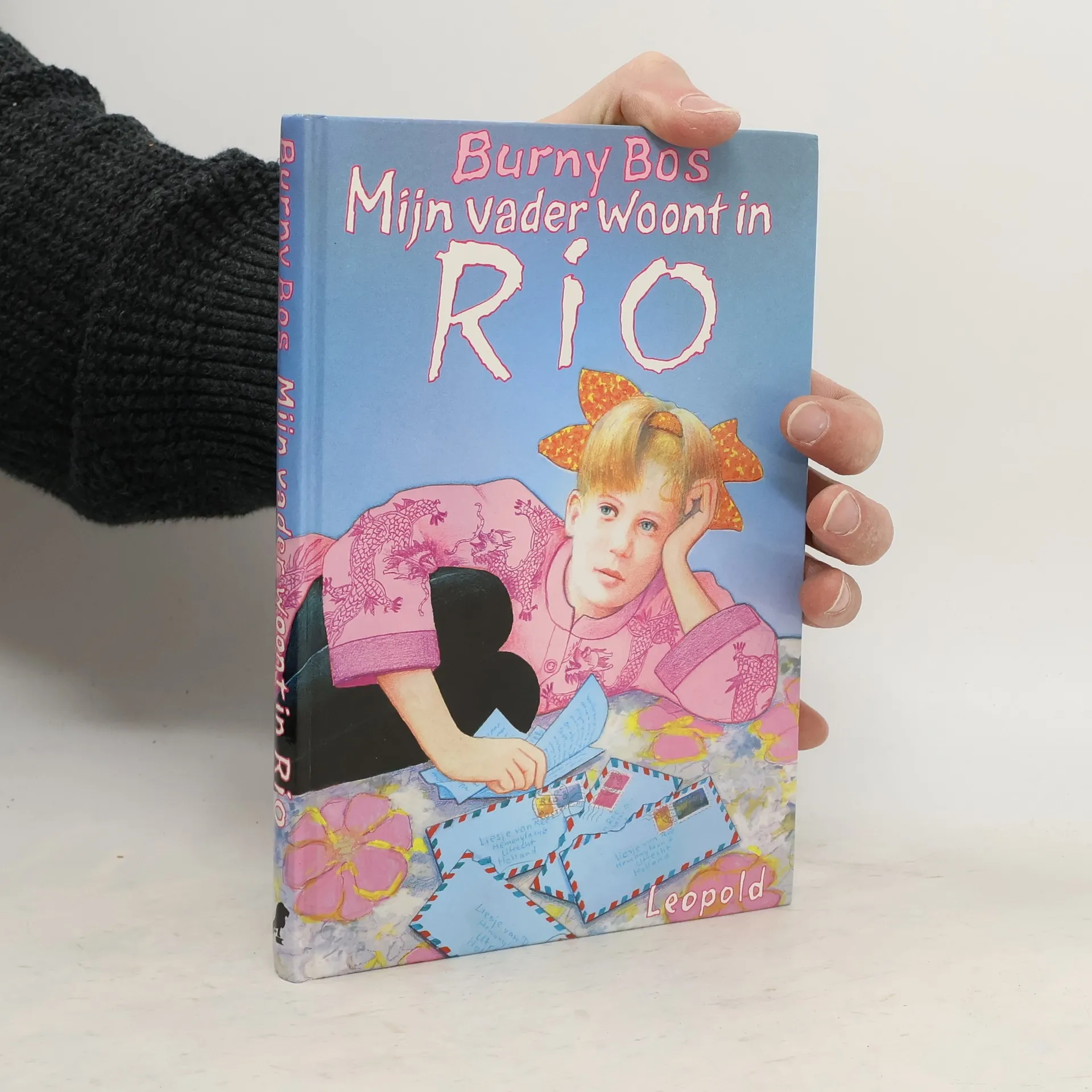
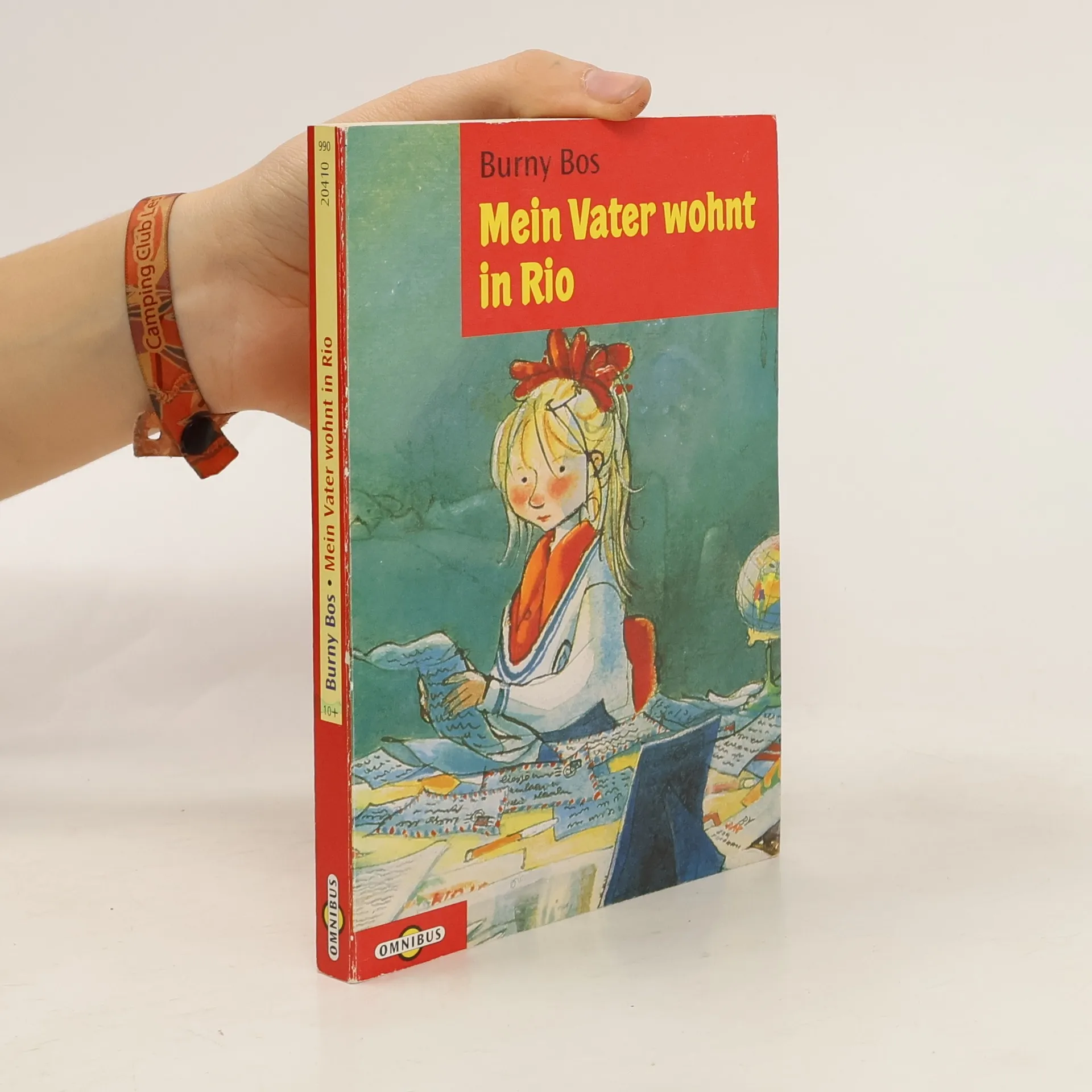
    Mein Vater wohnt in Rio
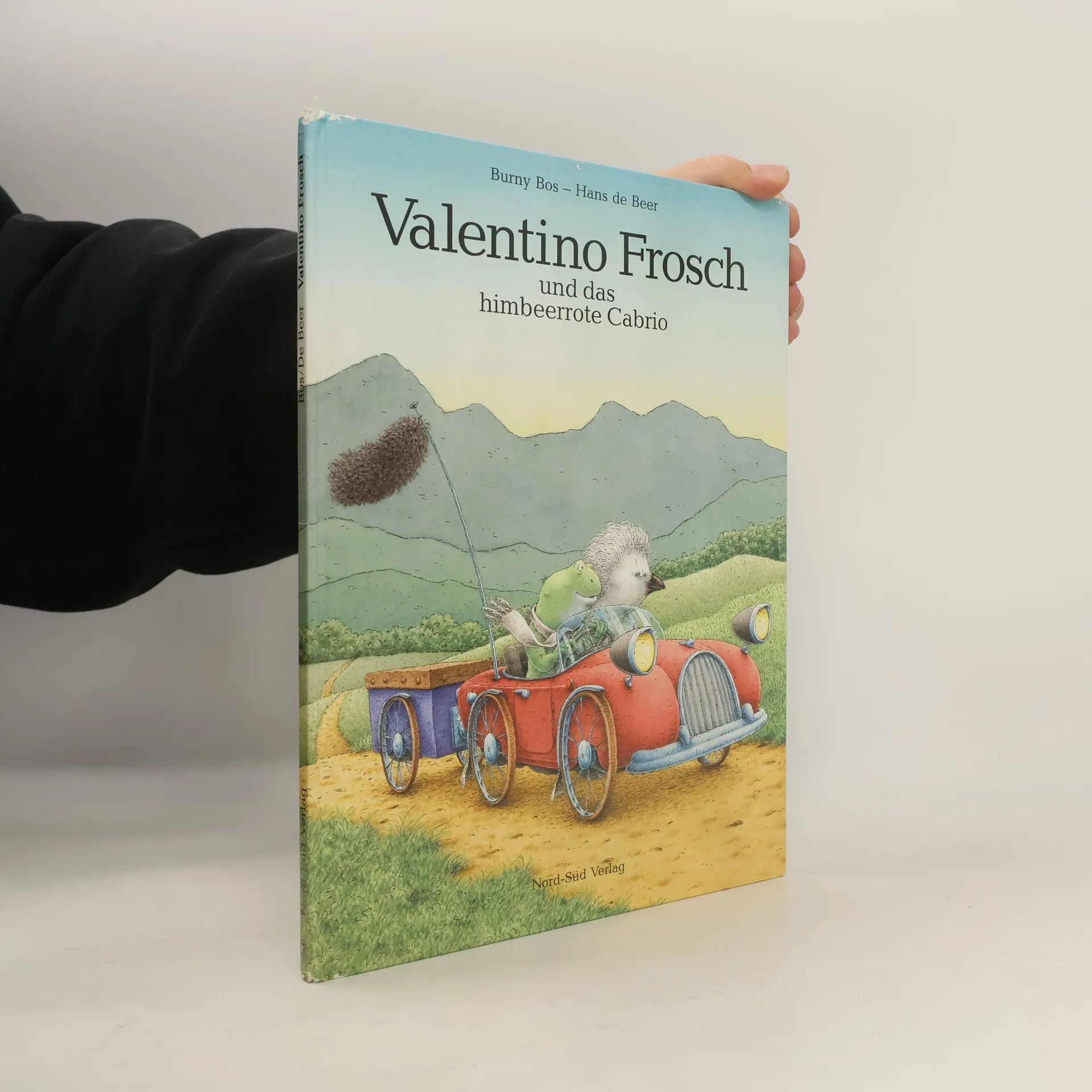
    Valentino Frosch und das himbeerrote Cabrio
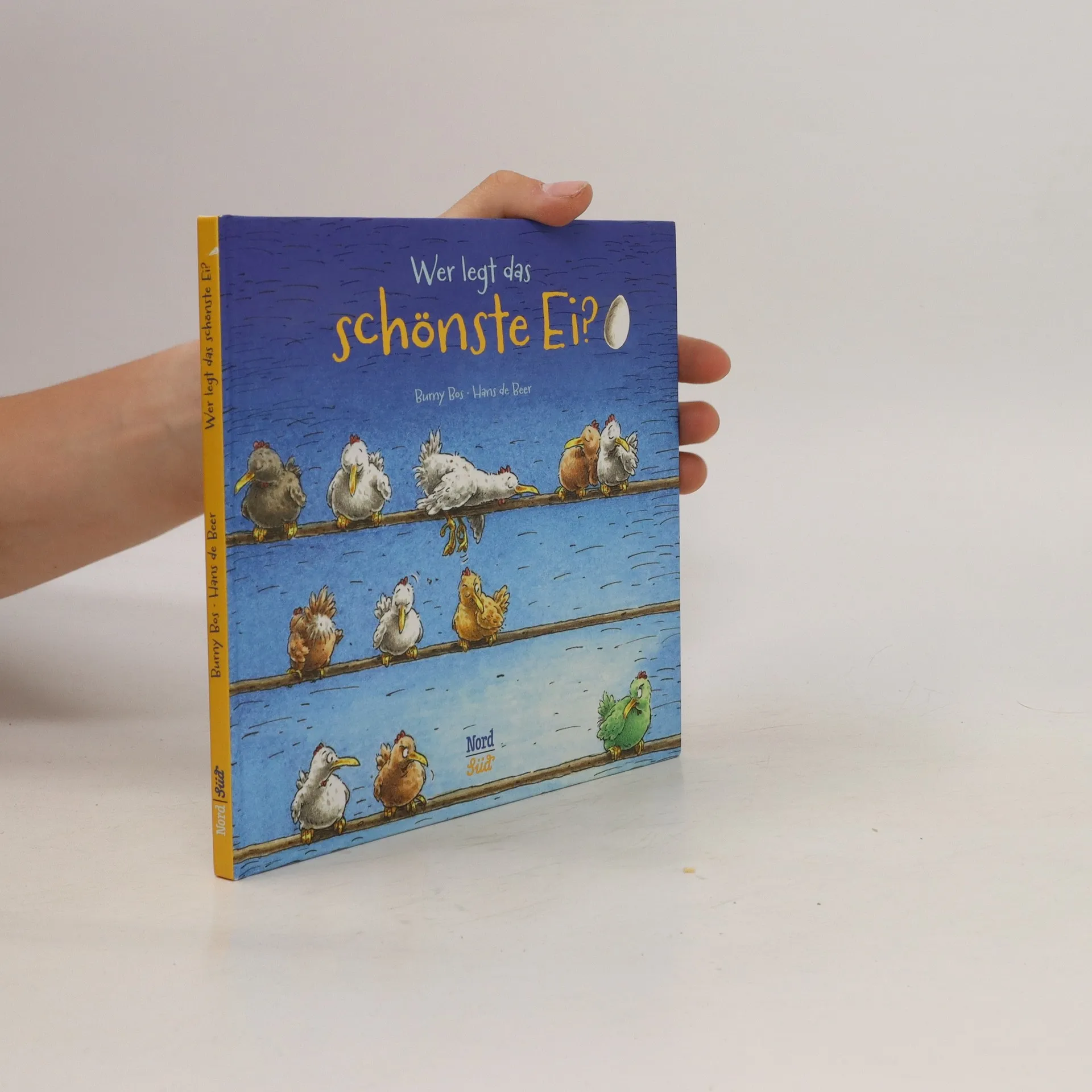
    Wer legt das schönste Ei?
    Valentino Frosch
    • 2022
    • 2018

      100 Iconic Postcards

      • 100 Seiten
      • 4 Lesestunden

      Each postcard includes a caption with additional information from the experts at the Imperial War Museum

      100 Iconic Postcards
    • 2018

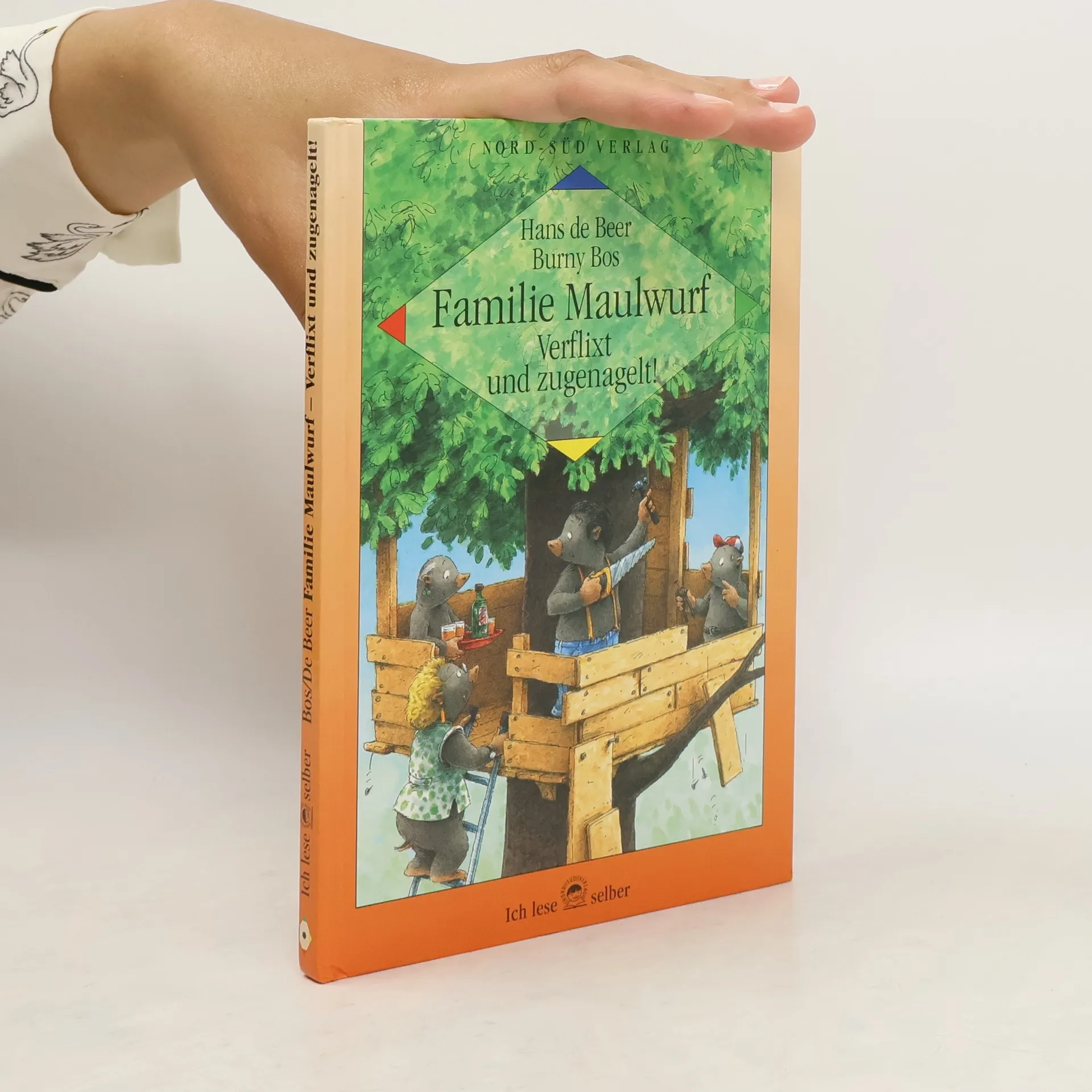
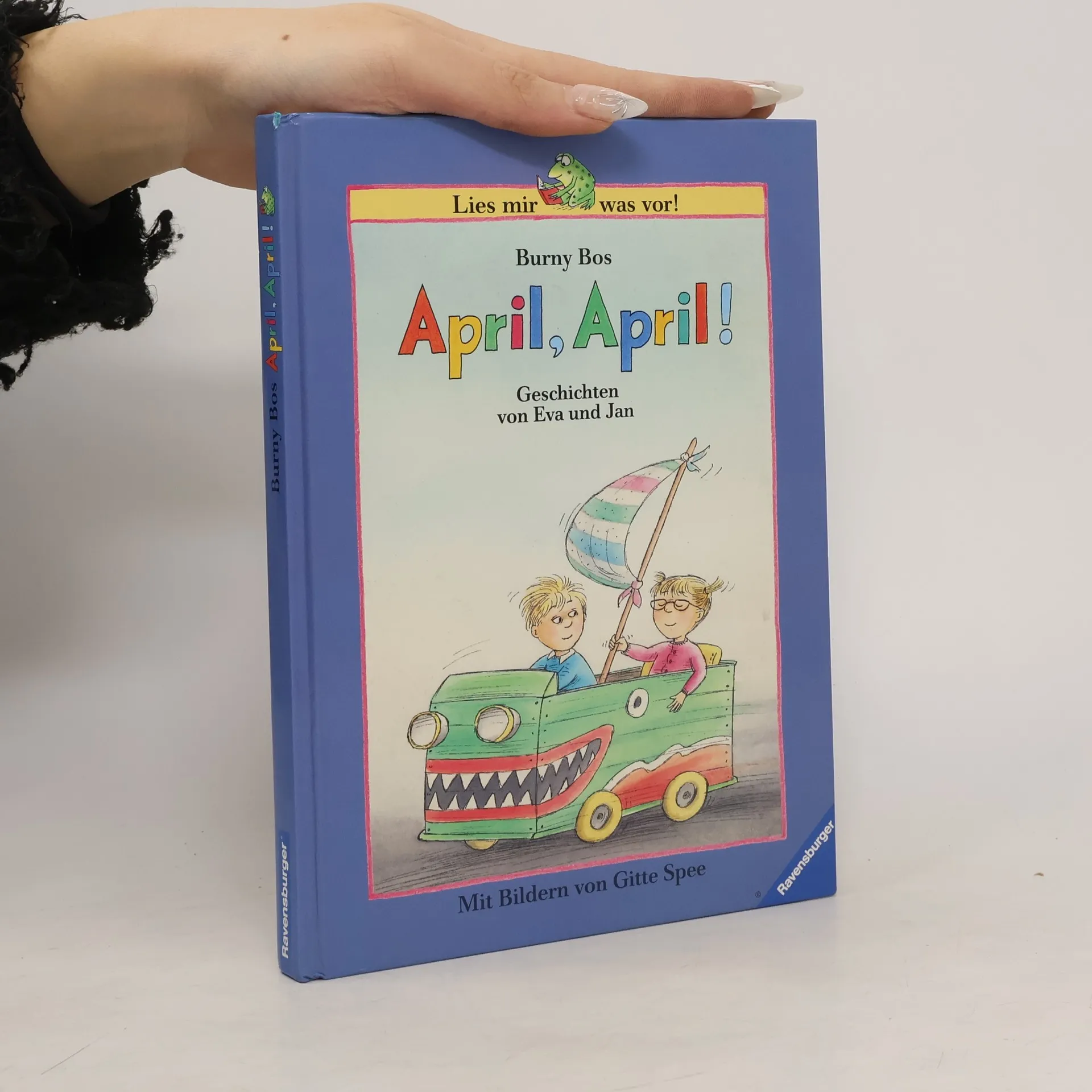
      Bei Familie Maulwurf ist immer was los! Sie verreisen, feiern Geburtstag, gehen auf den Jahrmarkt, bauen ein Baumhaus und tapezieren ihr Haus. Besonders viel Spaß haben die Maulwurfskinder Mia und Max mit Oma. Die ist zwar schon richtig alt, hat aber jede Menge tolle Ideen. Und sie fährt mit ihrem Rollstuhl so schnell, dass sie sogar von der Polizei angehalten wird! Doch was auch geschieht: Am Ende ist alles gut.
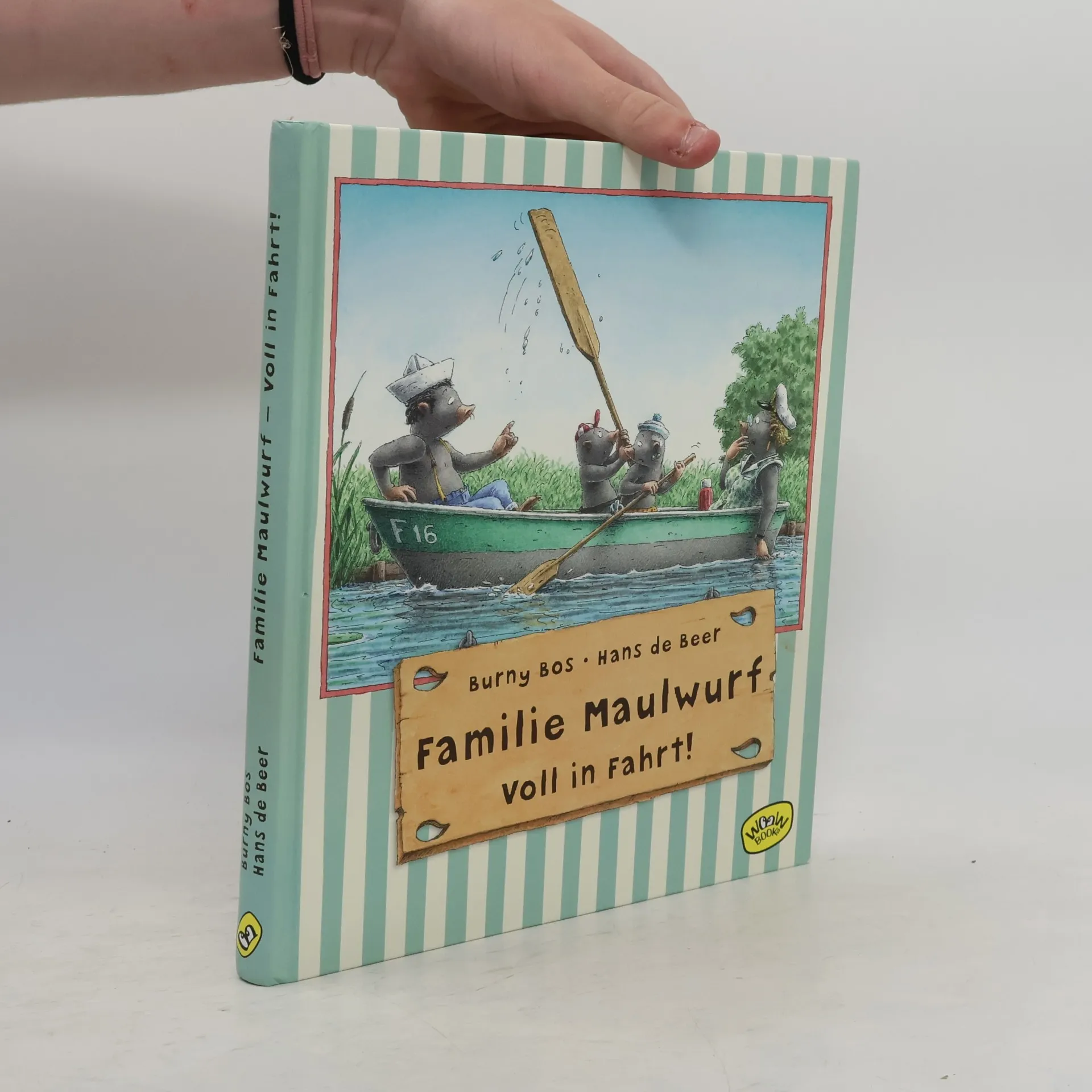

      Familie Maulwurf voll in Fahrt!
    • 2012

      Pour son anniversaire, Ollie a reçu quatre superbes patins à roulettes. Elle est très déçue car elle voulait un petit frère. Alors elle chausse ses patins et s'en va toute seule, à la recherche d'un bébé.

      Ollie cherche un petit frère
    • 2010

      Valentino weiß: Ich bin kein Frosch, ich bin ein Prinz. Und er macht sich auf die Suche nach einer Prinzessin. Unterwegs nimmt er das Vögelchen Isabella mit. Einmal sehen sie einen Storch und Isabella fragt erschrocken: “Bin ich vielleicht auch einer?” Doch Valentino sagt: “Du siehst nur so aus.” Beim Schloss angekommen, trennen sie sich. Valentino springt in den Schlossbrunnen – aber da sind Hunderte von gekrönten Fröschen und die lachen ihn aus, weil er keine Krone trägt. Da weiß er: Ich bin ein ganz gewöhnlicher Frosch. Auf dem Heimweg rettet ihn Isabella aus einer Panne und zieht sein Cabrio nach Hause. Sie ist tatsächlich ein Storch, aber sie sind ja Freunde.

      Valentino Frosch
    • 2005

      A detailed list of orders on how the Bengal Army was run. Subjects Duty of Officer in Command and Charge of Companies 2. General Remarks for the European Officers. 3. The adjutant. 4. The Interpreter and Quarter Master. 5. The Surgeon 6.The Officer of the Day.7. The Sergeant Major 8. The Quarter Master Sergeant. 9. Native Commissioned Officers. 10. Native Officer of the Day. 11. Non-Commissioned Officers.12. Pay Havildars. 13. Orderly Havildars. 14. The Hospital Orderly. 15. Drummers and Fifers. 16. Promotions. 17. Redress of Grievances. 18. Discharges. 19. Guard Mounting. 20. Conduct of Guards and Sentries. 21. Skeleton Drill Instruction of Non-Commissioned Officers. 22. Clothing. 23. Half Mounting. 24. Petty Store and Forge Establishment. 25. Baggage. 26. Regimental Necessaries. 27. Servants and Followers to be kept up in every Company. 28. Reliefs and Detachments. 29. Treasure Escorts. 30. General Observations.

      Standing Orders for the Bengal Native Infantry 1829
    • 2005

      A detailed and very readable history devoted primarily to WWI. The Bn served in Mesopotamia, Egypt, and Palestine. Although the narrative is quite short, it provides all the basic information in an attractive style. In 1922, the Regt became 2/14th Punjab Regt, still distinguished with the titles Duke of Cambridge s Own and Brownlow s . Apps: Roll of Honour (all ranks, WWI) H&A all ranks WWI), list of COs (1908-1922), idem officers who served in WWI, idem former Subedar Majors, idem Indian personnel awarded the OBI and the IOM (1863-1922), list of stations and movements. 3 photographs, 6 maps.

      Historical Records of the 20th (Duke of Cambridgeos Own) Infantry Brownlowos Punjabis 1909-1922
    • 2005

      The 3rd Mountain Battery began life in 1759 as Captain T.Smith s Company, 3rd Battalion Royal Artillery . The opening pages of the narrative describe the dress, equipment and establishment noting that every man had his hair combed back, tied in a club three-quarters of a yard long with a broad black ribbon and well powdered with white. After a few designation changes, described in the narrative, the unit s title became No 3 Mountain Battery in 1889, the oldest mountain battery in the Royal Artillery by virtue of being the first to be equipped as one. This record goes from 1759 to 1908 and during that time the battery certainly saw plenty of action from the American War of Independence to Corunna to the Crimea and then, for thirty years (1878-1908) in India/Burma, in India mainly on the NW Frontier: Kabul, relief of Kandahar, Zhob Valley Field Force, Burma, Sikkim, Miranzai, Isazai, Chitral, Mohmand, Tirah. The last twenty pages contain the names of all the officers who served with the battery during the 150 years covered in the book, when they served and the expeditions or campaigns they were in with any medals.

      Records of No 3 Mountain Battery R.A.
    • 2005

      The battery was formed on 26th August 1914 as a 4-gun 4.7in battery. It went to France in May 1915 with the 9th (Scottish) Division which it left within a few days to join H.A.Reserve and went into action near Armentieres. Subsequently it joined 16th H.A.Brigade and in January 1917 it was re-equipped with 60 pdrs.. This account is based on the Battery Log but the record is not complete in detail prior to 27th May 1918 a great deal of the necessary information having been lost due to enemy action. Details that are there include the dates of movements with locations from arrival in France to the Armistice; list of Honours and Awards; Roll of Honour with date, place and, in many cases cause of death; battle casualties from 27th May 1917; record of officers who served with the battery in France, and finally the names and (most unusual) home addresses of NCOs and Men. This book is not listed in White s Bibliography.

      9th Heavy Battery R.G.A. 1914-1919
    • 2004

      A rare early publication (taken from the James Clavell Library) , setting out firing exercises in the Georgian Navy. The concise book gives words of command, and detailed instructions for carrying out the discharge of firelocks , bayonet exercises and the use of ramrods. The book also instructs its readers on the firing of ship s cannons. An authentic rarity that gives a salty flavour of 18th century naval warfare.

      EXERCISE OF THE SMALL ARMS AND GREAT GUNS FOR THE SEAMEN ON BOARD HIS MAJESTYOS SHIPS (1778)