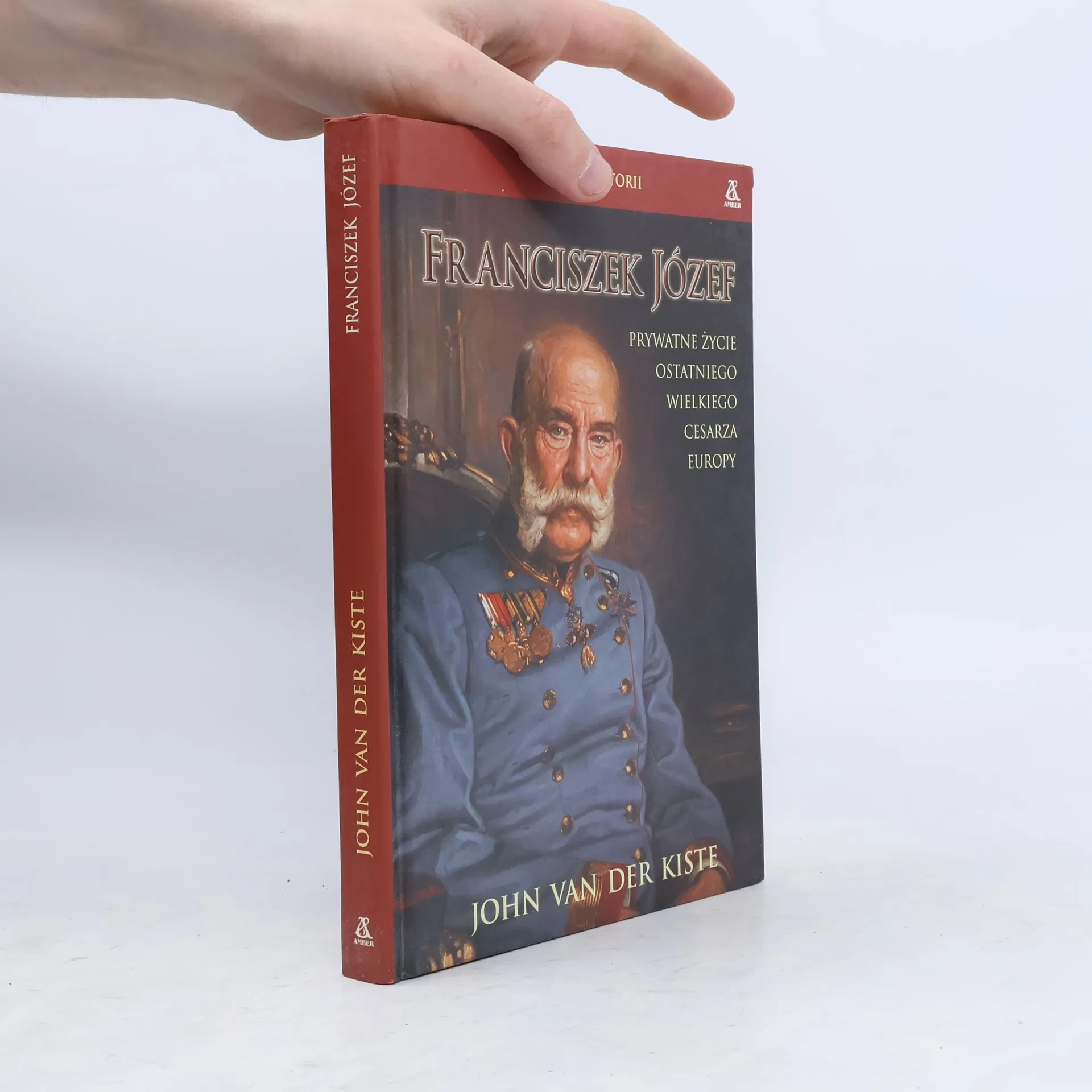
Im Sommer 1853 verliebt sich der damals 23-jährige Franz Josef, Kaiser von Österreich-Ungarn in seine Cousine Elisabeth und heiratet sie. Die Geschichte von der unglücklichen Kaiserin fasziniert die Menschen bis heute, und der Mythos Sisi prägt unser Bild von diesem Herrscher ebenso sehr, wie seine glücklose Politik, an deren Ende der Ausbruch des ersten Weltkriegs stand. Doch war war der Mensch Franz Josef? John van der Kiste zeichnet das Porträt eines Monarchen, der die tragischen Verluste seines Lebens mit stoischer Ruhe zu ertragen versuchte.
John Van der Kiste Bücher
15. September 1954
John Van der Kiste ist ein britischer Autor, der für seine umfangreichen historischen Biografien und Publikationen zur Lokalgeschichte bekannt ist. Seine Werke tauchen tief in die komplexen Leben und Epochen seiner Subjekte ein und erforschen oft weniger bekannte Persönlichkeiten und Ereignisse mit akribischer Recherche. Durch seine Schriften bietet er ein fesselndes Fenster in die Vergangenheit und erweckt die Geschichte für den heutigen Leser zum Leben. Seine Fähigkeit, wissenschaftliche Genauigkeit mit zugänglicher Erzählung zu verbinden, macht ihn zu einer geschätzten Stimme in der historischen Literatur.


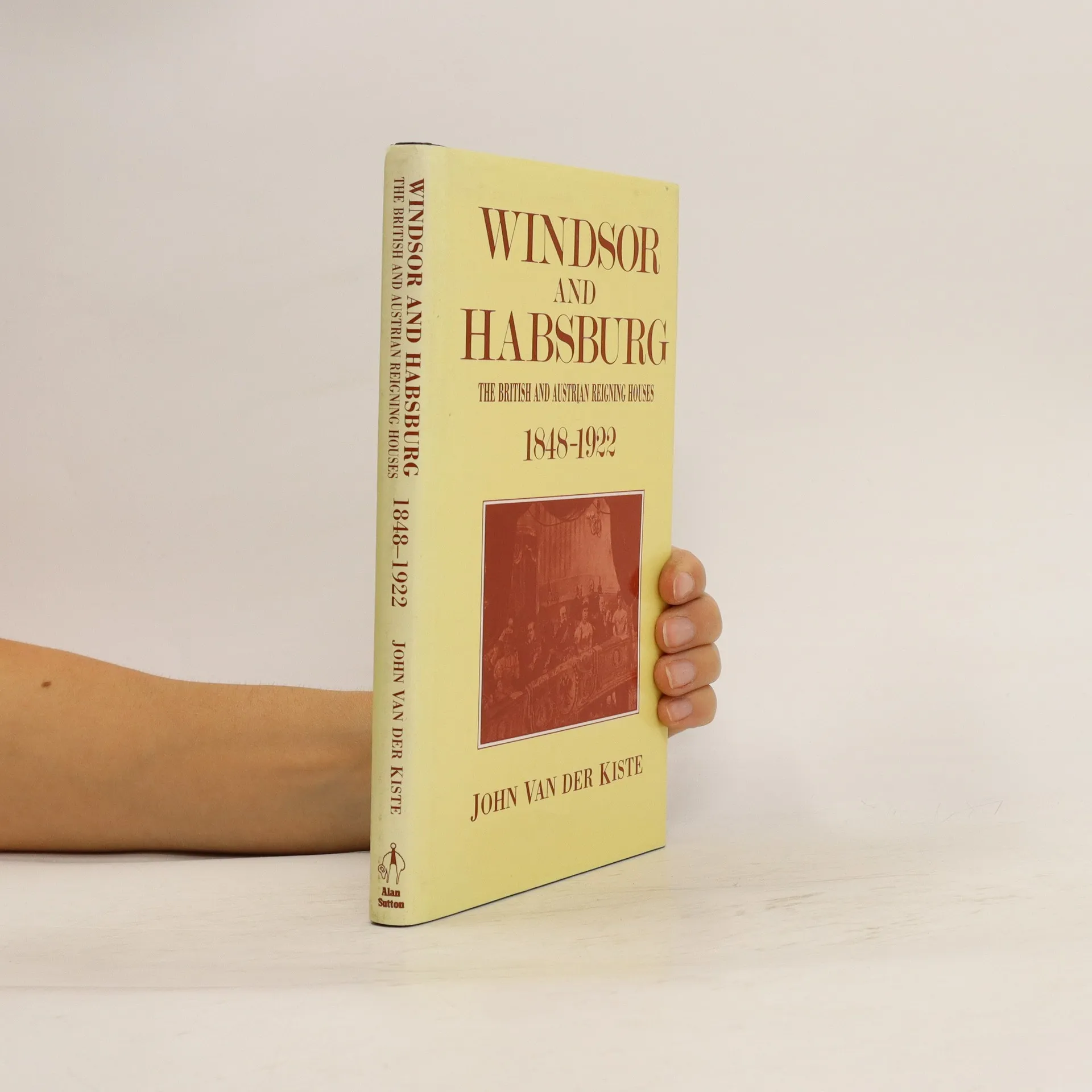
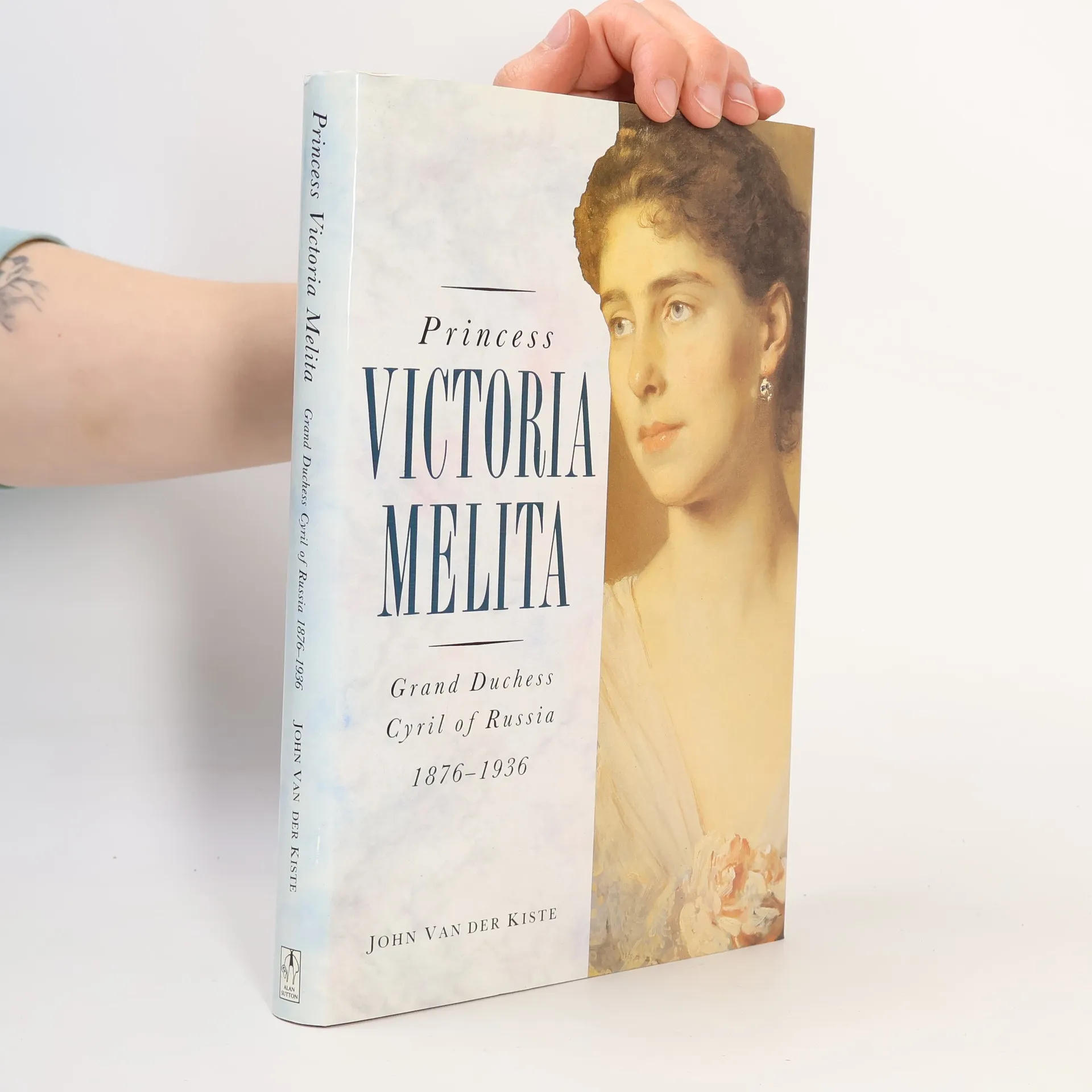
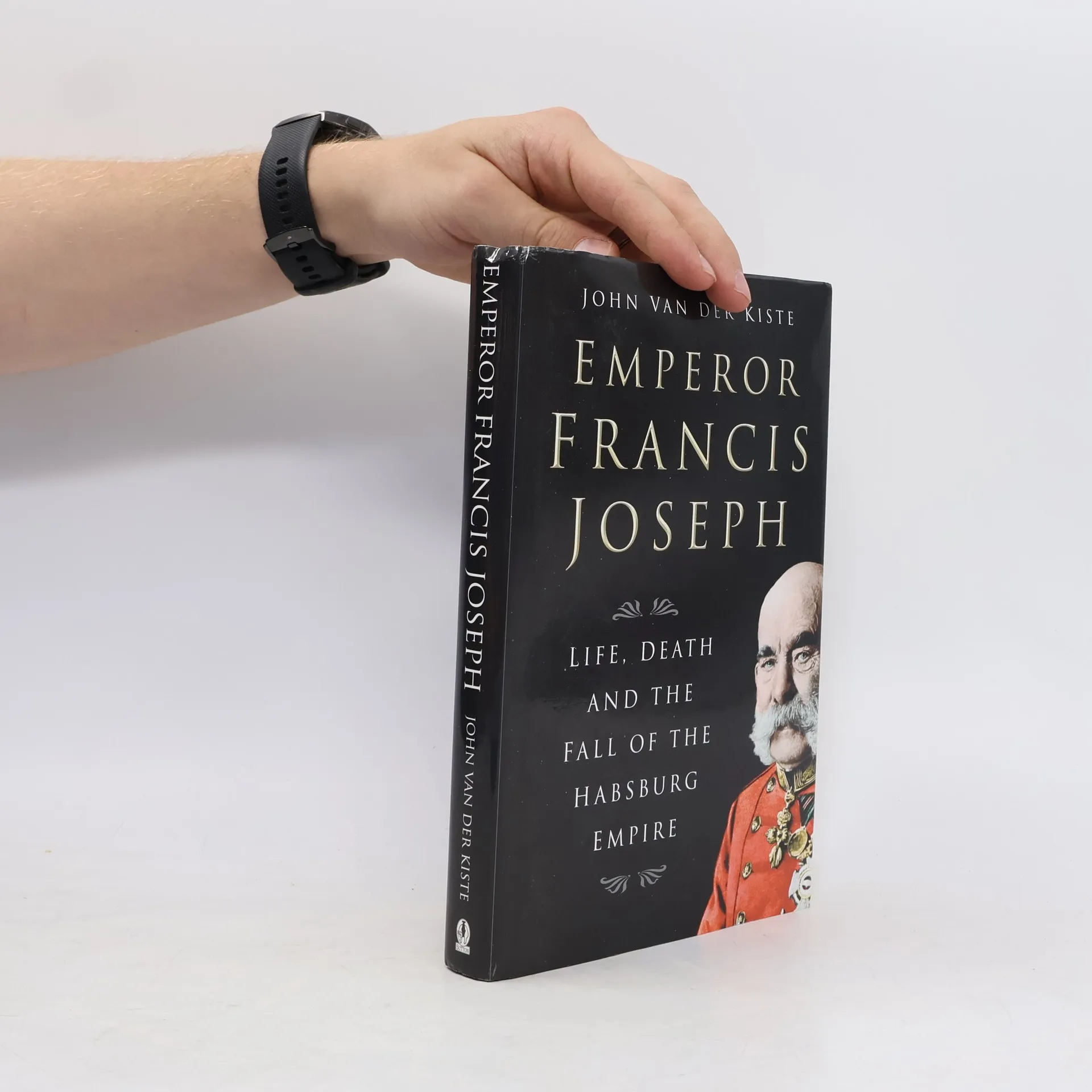
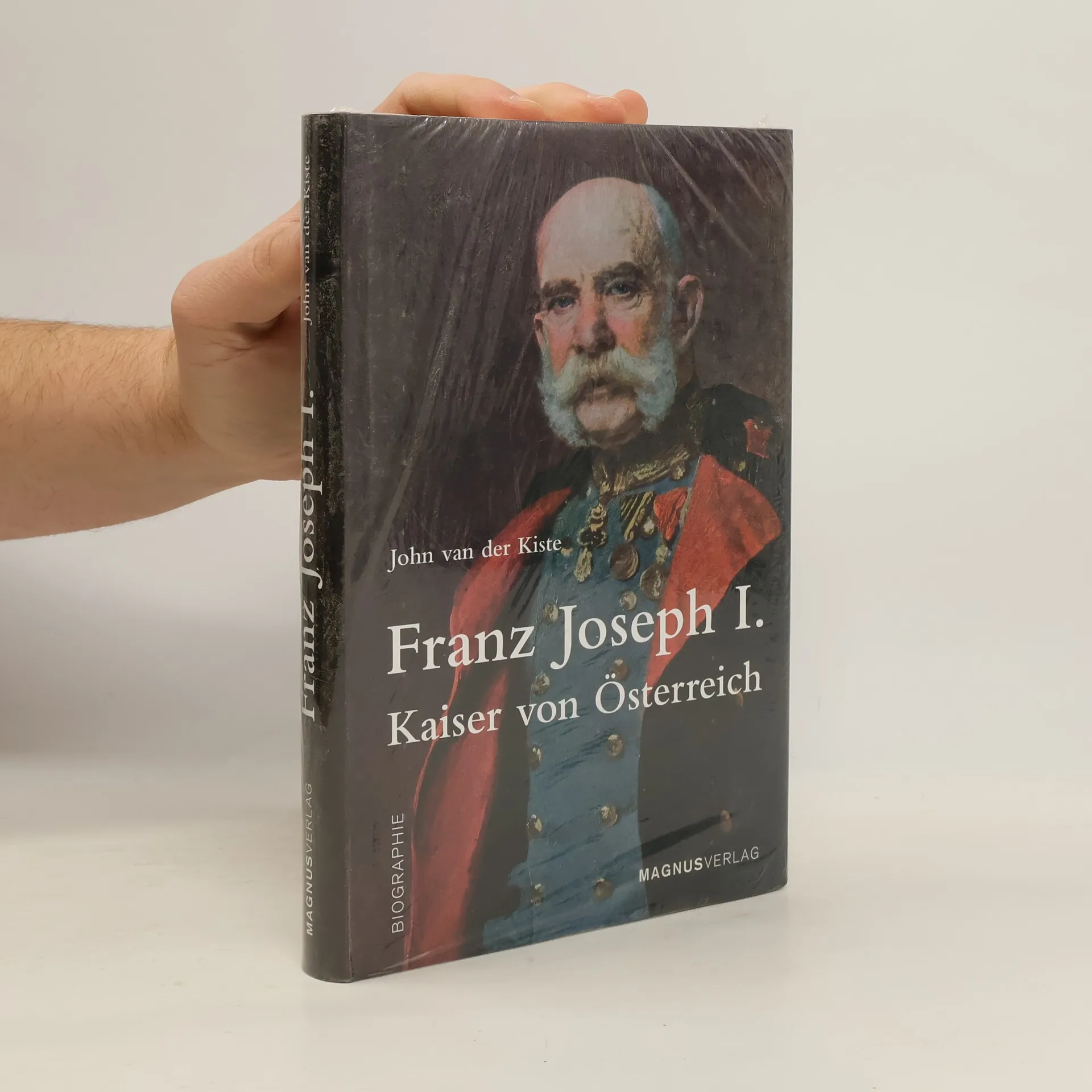
In 1848, 28-year-old Francis Joseph became King of Hungary and Emperor of Austria. He would reign for almost 68 years, the longest of any modern European monarch. Focusing on the life of Emperor Francis Joseph and his family, this book examines their personal relationships against the turbulent background of the 19th century.
This is a fascinating portrait of the Princess and how she played a colorful role from her birth in 1876.
A study of relations between Britain and Austria as seen through personal and political connections between the families of Queen Victoria and Emperor Francis Joseph
This book explores key aspects of Queen Victoria's life through her roles with mentors, family, ministers, and servants. It highlights her close relationship with Albert and the tumultuous dynamics with her sons, as well as her favoritism towards Disraeli and aversion to Gladstone.
Childhood at Court 1819-1914
- 195 Seiten
- 7 Lesestunden
What was childhood like for the princes and princesses in the Victorian and Edwardian period? Here their education, recreation and general upbringing is discussed, from Queen Victoria's isolated and lonely childhood, to the children of King George V and Queen Mary. We see glimpses of Prince Waldemar of Prussia, who enjoyed collecting fossils on the Isle of Wight and terrifying his grandmother with a pet crocodile; Prince Christian Victor of Schleswig-Holstein, who was the first prince to attend public school despite enjoying cricket much more than education; and Prince Louis of Battenberg, who introduced the 'Katuf' into his family, and recorded his voice on a wax cylinder. Contrasts are drawn between childhood at the English court and that of the Queen's decendants at European capitals, as well as the differing attitudes of royal parents. For example, Queen Victoria found babies to be "very froglike", whereas Queen Alexandra still gave children's parties to her children when they were adults.
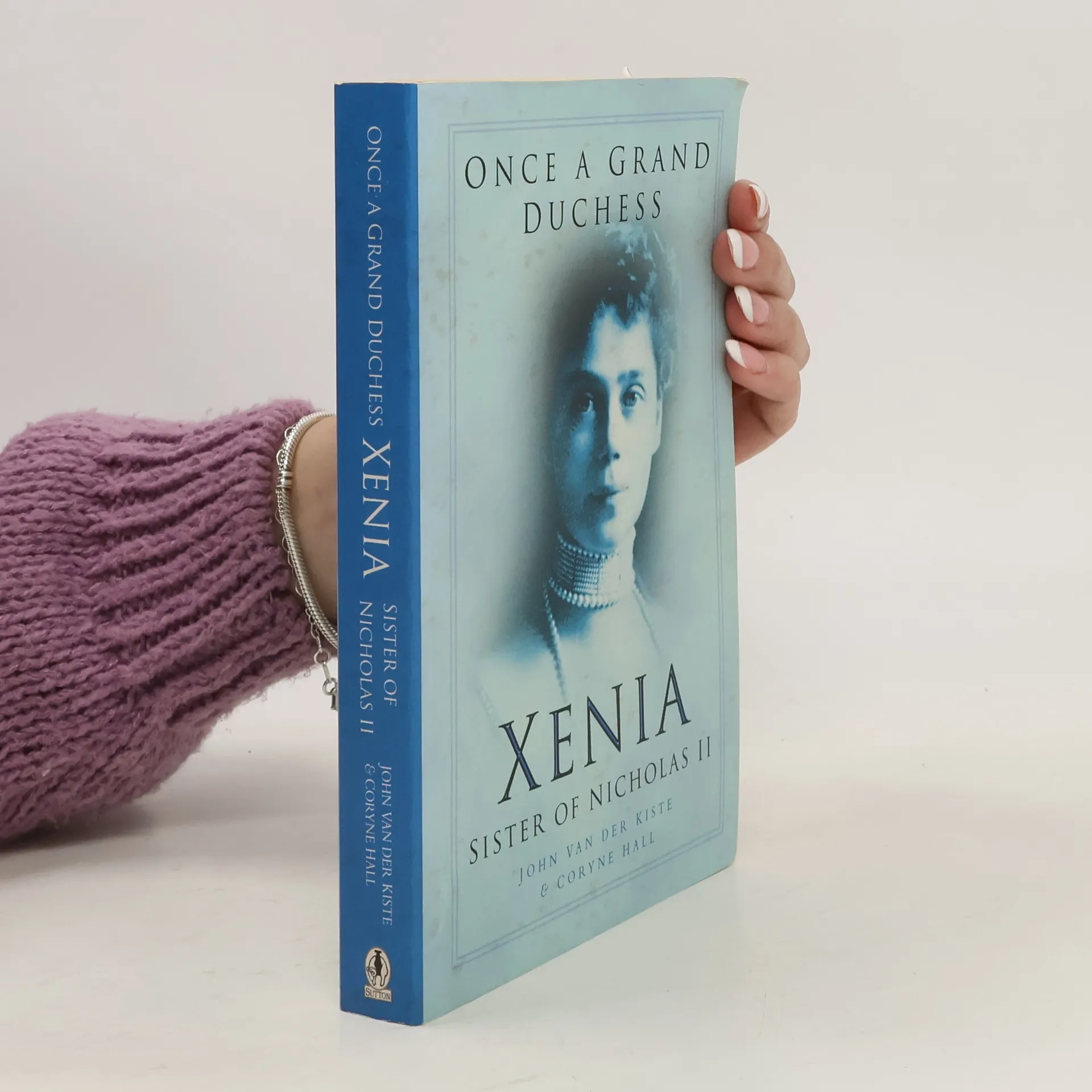
This biography of Xenia, sister of Nicholas II gives a new angle on the Romanov story and provides new information on relationships within the family after the Revolution. Important new letters and photographs are also included.
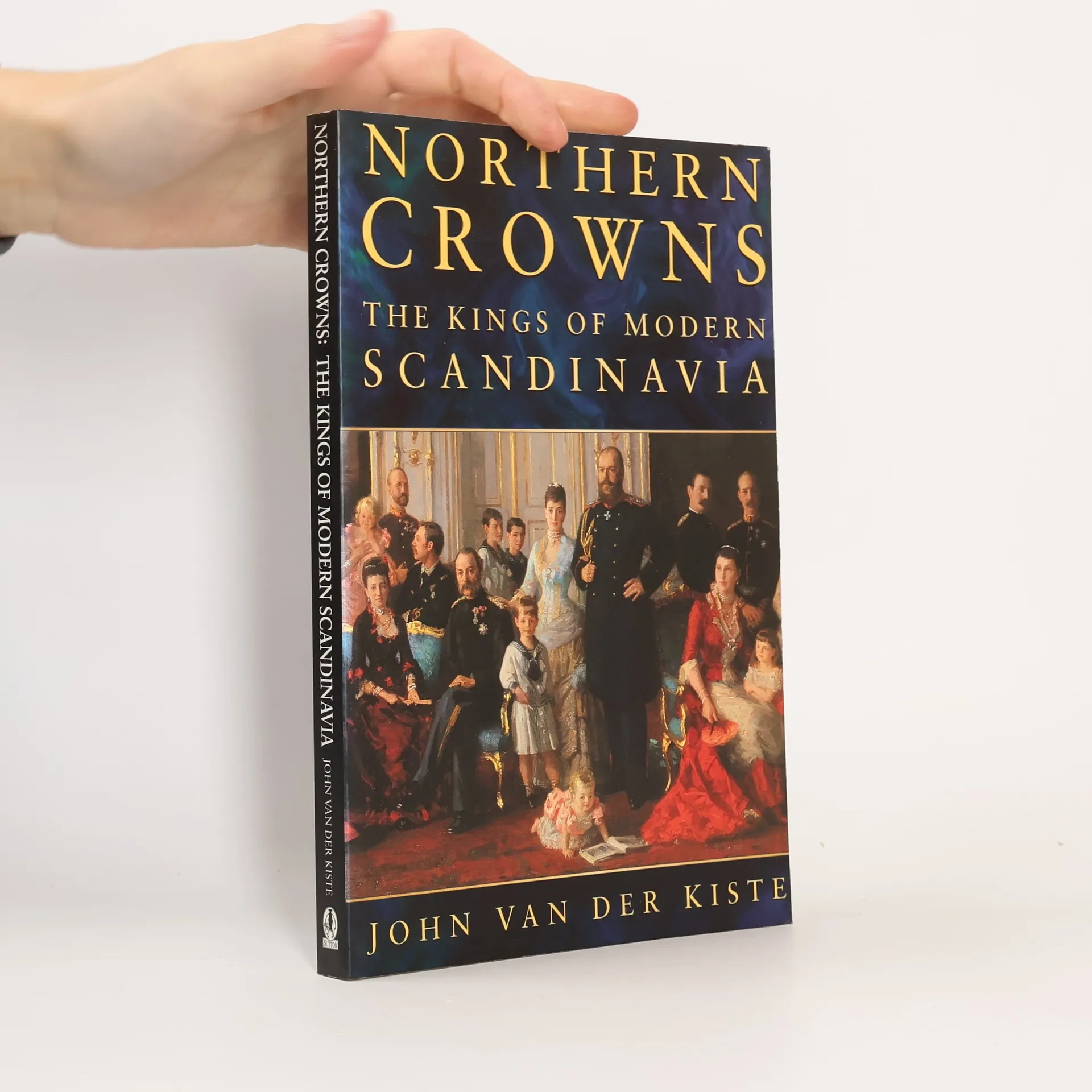
John Van der Kiste's book takes in the principal monarchies of Scandinavia going back to the beginning of the 19th century. He uses unpublished sources and photographs to show how they relate to modern European history. The book also considers the political backgrounds to the monarchs' reigns; as well as examining the suspected pro-German leanings of Gustav V, the author describes the dissolution of the union between Norway and Sweden in 1905, which eventually led to the election of Christian IX's grandson as Haakon VII.
Queen Victoria's Children
- 229 Seiten
- 9 Lesestunden
Queen Victoria and Albert, the Prince Consort, had nine children who, despite their very different characters, remained a close-knit family. Inevitably, as they married into European royal families their loyalties were divided and their lives dominated by political controversy. This is not only the story of their lives in terms of world impact, but also of personal achievements in their own right, individual contributions to public life in Britain and overseas, and as the children of Queen Victoria and the Prince Consort.