Paul Radin Bücher
Paul Radin war ein amerikanischer Kulturanthropologe und Folklorist, dessen Werk sich tiefgehend mit der Erforschung und Interpretation von Mythologien und religiösen Traditionen verschiedener Kulturen beschäftigte. Sein Forschungsansatz war geprägt von dem Bestreben, universelles menschliches Denken und Symbolik durch die detaillierte Untersuchung von Volksglaube-Erzählungen zu verstehen. Radin konzentrierte sich darauf, tiefere Bedeutungen und psychologische Aspekte aufzudecken, die das Verständnis der Welt durch die Menschheit prägen. Sein Einfluss liegt in seinem umfassenden Verständnis von Kultur und den spirituellen Ausdrucksformen der Menschheit.


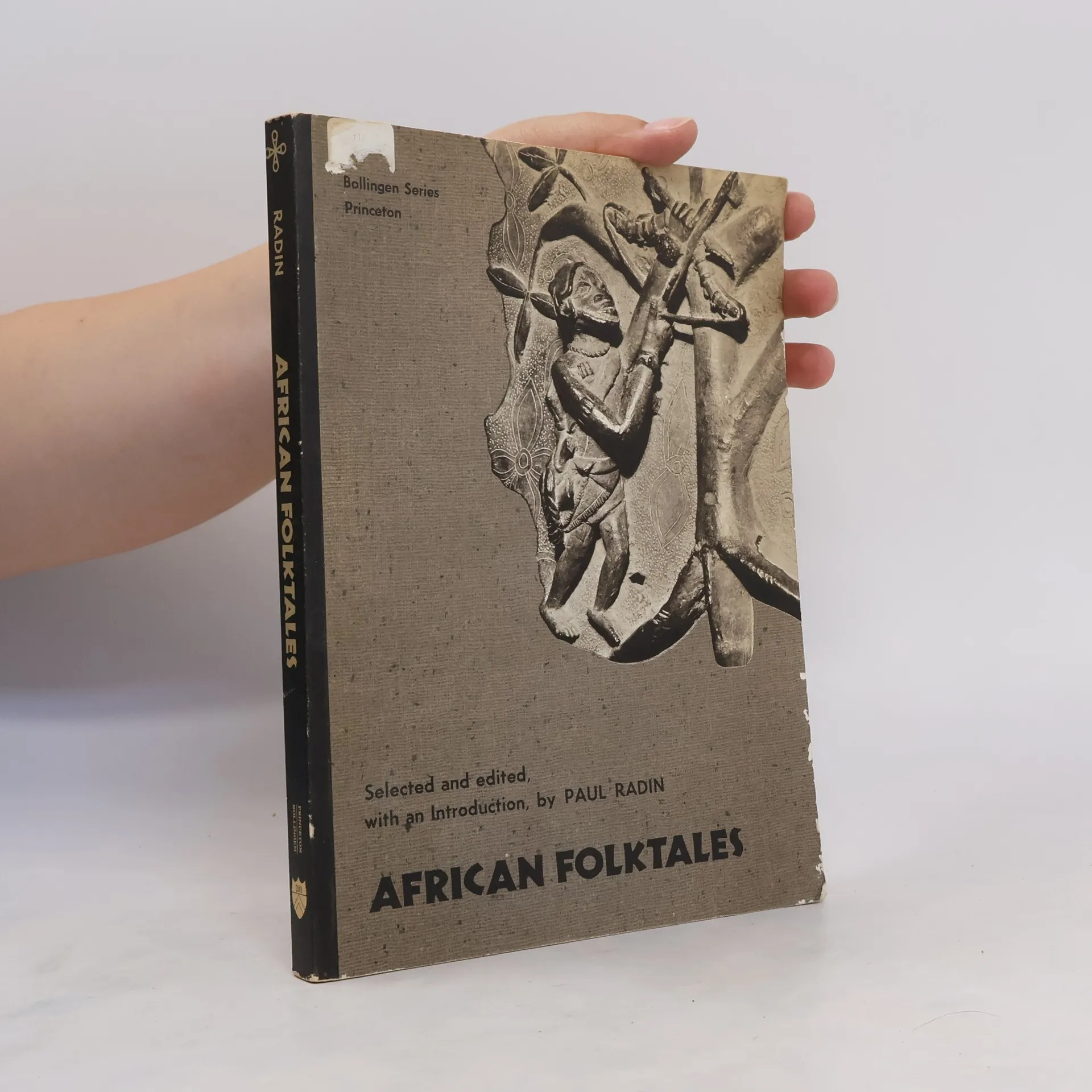

A representative collection of eighty-one myths and folktales chosen from the oral tradition of the peoples of Africa south of the Sahara. Originally published in 1964. The Princeton Legacy Library uses the latest print-on-demand technology to again make available previously out-of-print books from the distinguished backlist of Princeton University Press. These editions preserve the original texts of these important books while presenting them in durable paperback and hardcover editions. The goal of the Princeton Legacy Library is to vastly increase access to the rich scholarly heritage found in the thousands of books published by Princeton University Press since its founding in 1905.
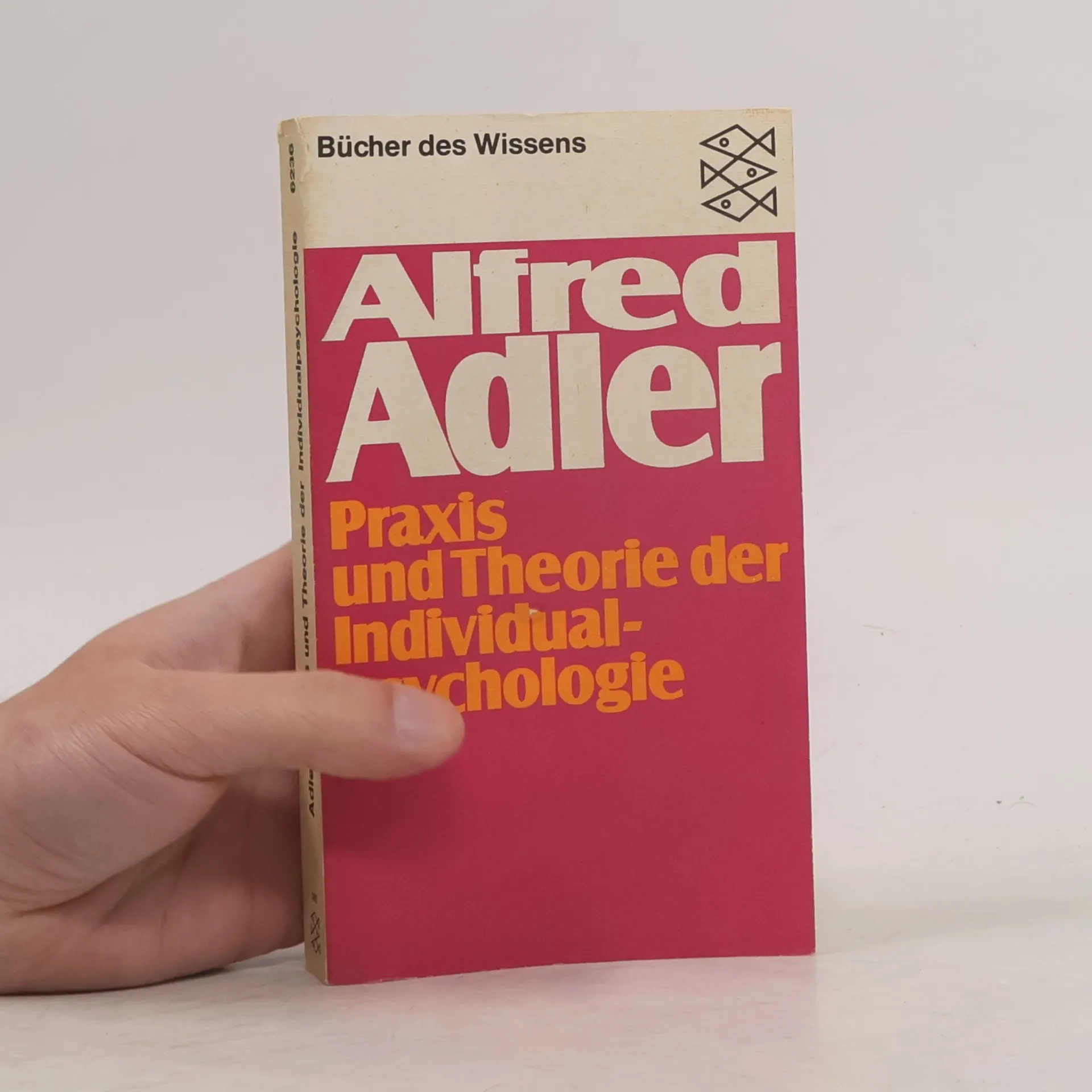
Praxis und Theorie der Individualpsychologie
- 349 Seiten
- 13 Lesestunden
»Die individualpsychologische Forschung erstrebt eine Vertiefung der Menschenkenntnis, die nur zu holen ist aus dem Verständnis der Stellung des Individuums zu seiner sozial bestimmten Aufgabe. Nur die Bewegungslinie, in der sich die soziale Aktivität einer Persönlichkeit darstellen und empfinden läßt, gibt uns Aufschluß über den Grad der Verschmelzung eines Menschen mit den Forderungen des Lebens, der Mitmenschen, des Weltalls. Sie gibt uns auch Aufschluß über den Charakter, über den Elan, über sein körperlich-geistiges Wollen. Sie läßt sich zurückverfolgen bis zu ihren Ursprüngen in der Zeit der Ichfindung und zeigt uns dort, in der frühesten Position des Menschenkindes, die ersten Widerstände der Außenwelt und die Form und Kraft des Wollens und der Versuche, sie zu überwinden, In diesen frühesten Kindheitstagen schafft sich das Kind irrend und unverständig seine Schablone, sein Ziel und Vorbild und den Lebensplan, dem es wissend-unwissend folgt. Vorbildlich werden ihm dabei alle Erfolgsmöglichkeiten und die Beispiele anderer Überwinder. Den Rahmen gibt ihm die umgebende Kultur.« Alfred Adler
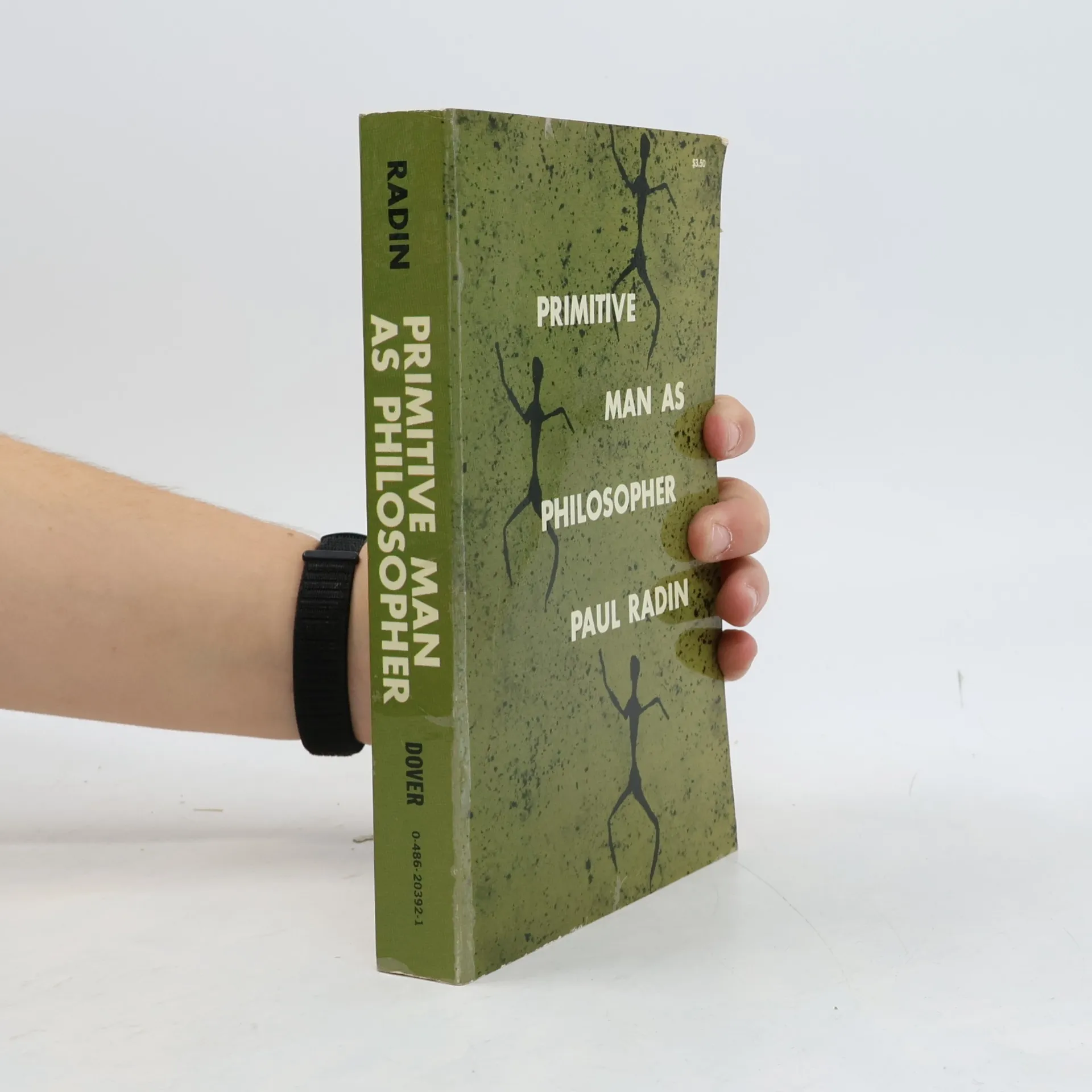
"Primitive Man as Philosopher is influential anthropologist and ethnologist Paul Radin's enduringly relevant survey of an array of aboriginal cultures and belief systems, including those of the Winnebago, Oglala Sioux, Maori, Banda, the Buin of Melanesia, Tahitian, Hawaiian, Zuni, and Ewe. Radin examines the conditioning of thought and religion practiced among the members of each society and the freedom of individuals to deviate from the group and to affect change. Written in a straightforward, almost conversational style, Radin's discourse is rooted in firsthand accounts. He allows his subjects to speak for themselves by quoting extensively from interviews (many of which he conducted in the course of his own fieldwork), and includes a veritable anthology of poems and songs from the varied traditions. Radin, known in his field for his honesty and integrity, offers brilliant interpretations of myth and symbolism in his exploration of their deeper meanings in each culture. Readers both in and out of the field will appreciate the rich and varied insights of this classic of anthropology. Celebrated anthropologist Neni Panourgiá; provides a new introduction to this landmark and pioneering work"-- Provided by publisher
Culture of the Winnebago: as Described by Themselves
- 138 Seiten
- 5 Lesestunden
Recognized for its cultural significance, this work contributes to the foundational knowledge of civilization. It has been selected by scholars for its importance in understanding historical and societal contexts, making it a valuable resource for those interested in the evolution of human thought and culture.
The book presents an ethno-biography of a Winnebago man, exploring his life experiences from childhood to adulthood. In the first part, he shares personal anecdotes, including his struggles with peyote, conversion, and time in prison. The second part focuses on his father's teachings, offering wisdom on medicine, fasting, marriage, and family relationships. Originally published in 1920, this work is noted for its honesty and depth, enriched by extensive footnotes that provide additional context.
The ritual and significance of the Winnebago medicine dance
- 68 Seiten
- 3 Lesestunden
Focusing on the Winnebago medicine dance, this essential book delves into its rituals and cultural significance. Recognizing its historical importance, Alpha Editions has republished the work in a modern format, ensuring its preservation for future generations. The text has been reformatted and retyped for clarity, with a design that enhances readability, distinguishing it from mere scanned copies of the original.
The Sources And Authenticity Of The History Of The Ancient Mexicans
- 176 Seiten
- 7 Lesestunden
The book is a facsimile reprint of a scarce antiquarian work, preserving its historical significance despite potential imperfections such as marks and flawed pages. It aims to protect and promote cultural heritage by making classic literature accessible in high-quality modern editions that remain faithful to the original text.
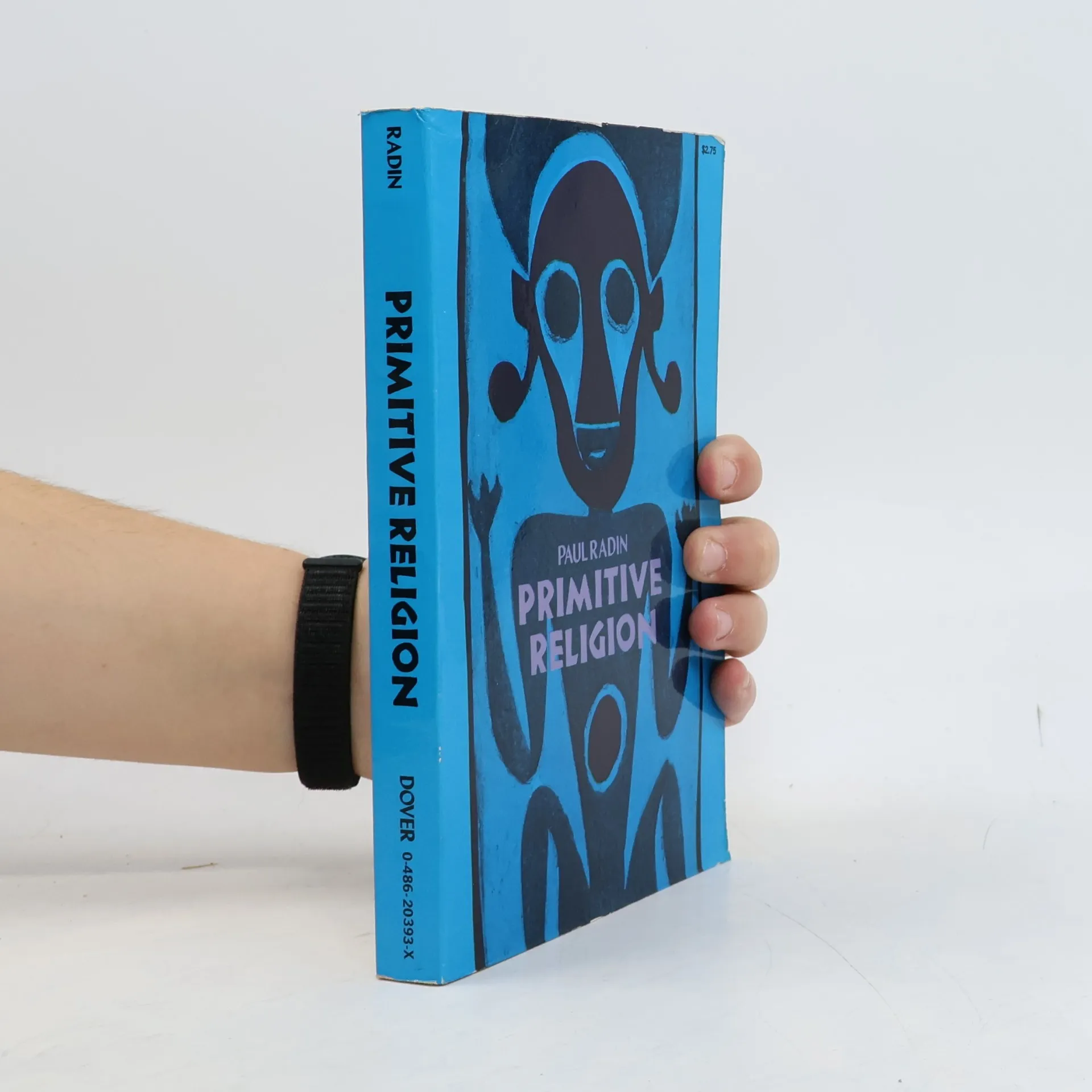
Primitive Religion
Its Nature and Origin
In this transcription of the Medicine Rite, the most sacred ritual of the Winnebago Indians, anthropologist Paul Radin captured a poetic source of profound importance to the understanding of mystical experience. Performed by medicine men upon the initiation of a member to their cult, this secret rite recapitulated the mythic origins and heroes of the Winnebago while integrating those present with the ancestral forces.
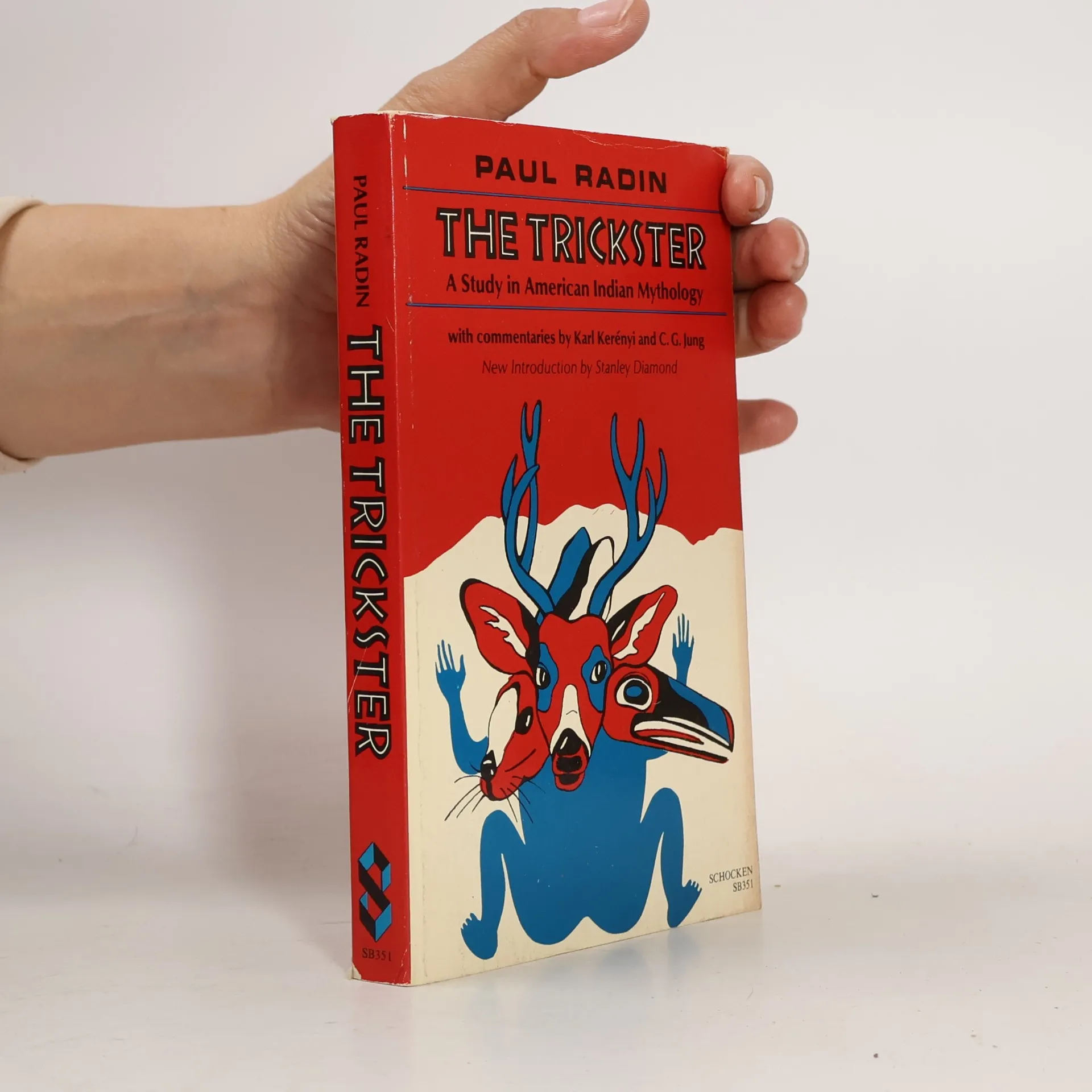
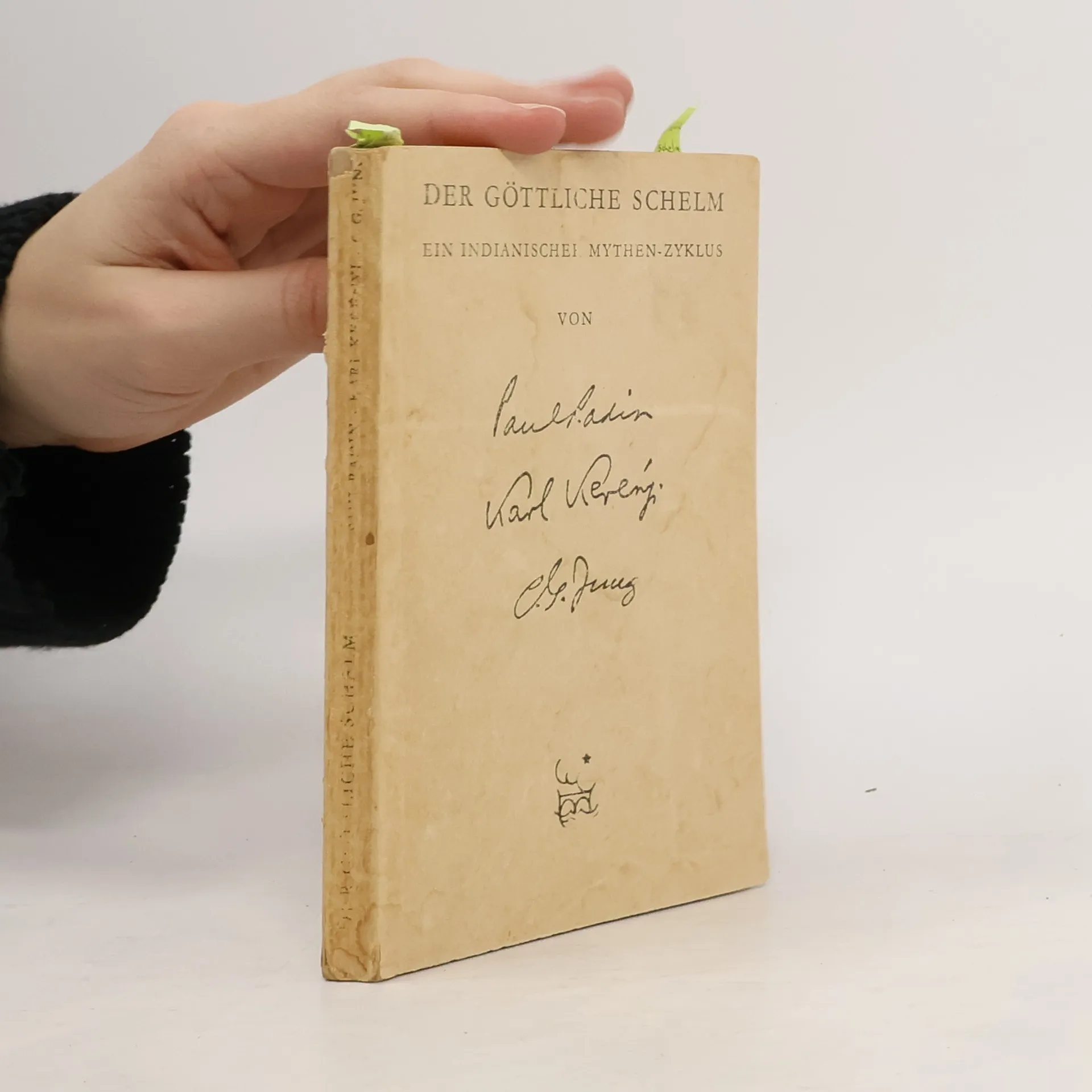
The myth of the Trickster--ambiguous creator and destroyer, cheater and cheated, subhuman and superhuman--is one of the earliest and most universal expressions of mankind. Nowhere does it survive in more starkly archaic form than in the voraciously uninhibited episodes of the Winnebago Trickster Cycle, recorded here in full. Anthropological and psychological analyses by Radin, Kerenyi, and Jung reveal the Trickster as filling a twofold role: on the one hand he is an archetypal psychic structure" that harks back to "an absolutely undifferentiated human consciousness, corresponding to a psyche that has hardly left the animal level" *Jung); on the other hand, his myth is a present-day outlet for the most unashamed and liberating satire of the onerous obligations of social order, religion, and ritual.Cover illustration by Susana Krause
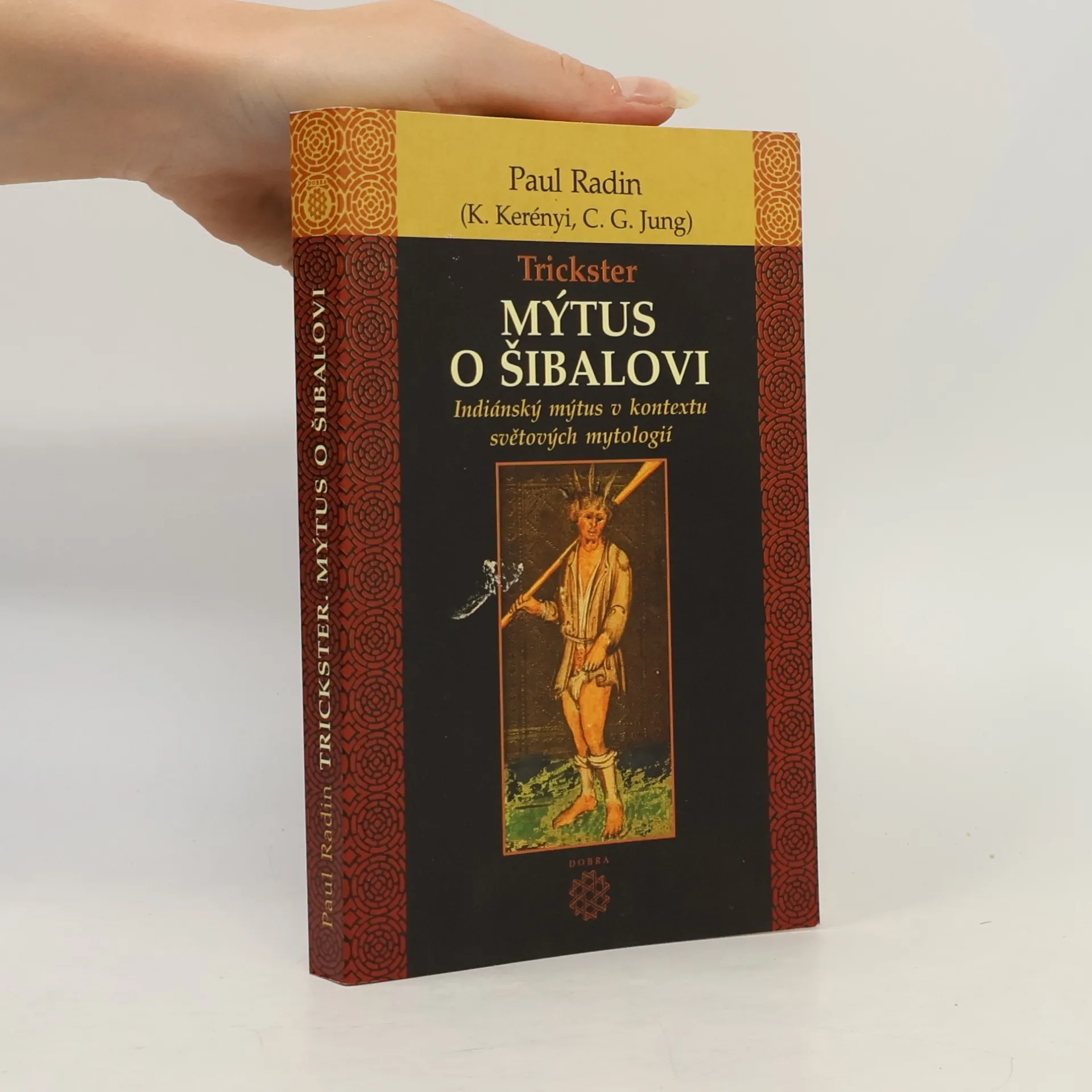
Trickster: Mýtus o Šibalovi
- 217 Seiten
- 8 Lesestunden
Mýtus o Šibalovi, který je jak tvořitelem, tak ničitetelem, jak podvodníkem, tak podváděným, jak podčlověkem, tak nadčlověkem - je jedním z nejstarších a nejuniverzálnějších vyjádření člověka. Původní indiánské mýty týkající se archetypické postavy Šibala či Blázna, jsou obsahem jedinečné studie indiánské mytologie se zaměřením na tuto postavu, její srovnání s postavami antické mytologie a její psychologický rozbor. Autor je jedním z vůdčích antropologů zabývajících se indiány. Je pravděpodobně nejlepším znalcem indiánských mýtů.