Jesus Christus
Erscheinungsbild und Wirkung in 2000 Jahren Kulturgeschichte


Jaroslav Pelikan war ein produktiver Autor und Historiker der christlichen Lehre, dessen Werk sowohl westliche als auch östliche theologische Traditionen umfasste. Seine umfangreichen Studien untersuchten die Entwicklung des christlichen Denkens über Jahrhunderte hinweg und reichten oft über akademische Kreise hinaus, um ein breites Lesepublikum anzusprechen. Pelikan besaß ein tiefes Verständnis der Tradition und unterschied zwischen dem lebendigen Glauben der Toten und dem toten Glauben der Lebenden, wobei er den Dialog mit der Vergangenheit betonte.
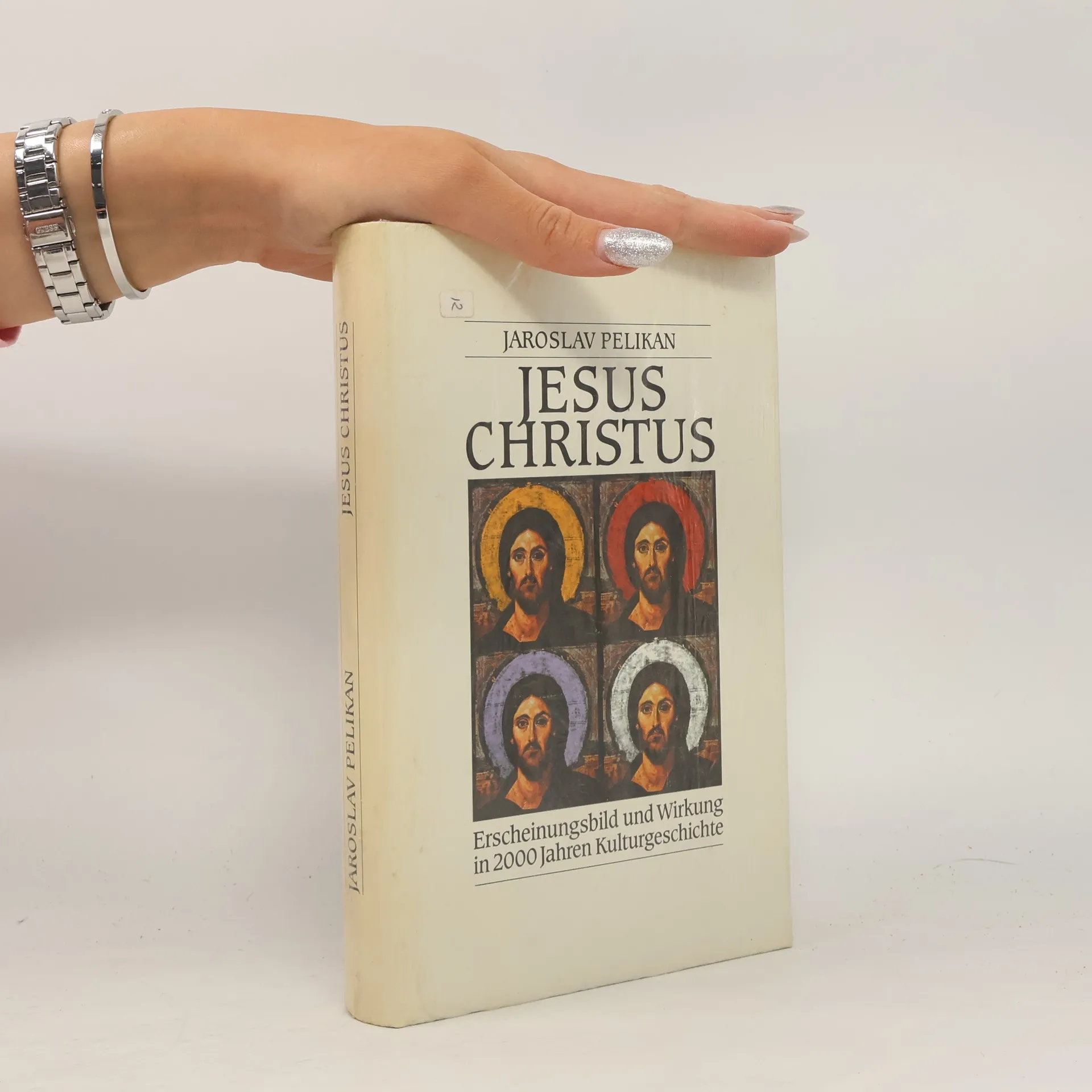
Erscheinungsbild und Wirkung in 2000 Jahren Kulturgeschichte
per flauto e pianoforte / for Flute and Piano
Timaeus and Genesis in Counterpoint
An important contribution to early Christian studies
The momentous encounter between Christian thought and Greek philosophy reached a high point in fourth-century Byzantium, and the principal actors were four Greek-speaking Christian thinkers whose collective influence on the Eastern Church was comparable to that of Augustine on Western Latin Christendom. In this erudite and informative book, a distinguished scholar provides the first coherent account of the lives and writings of these so-called Cappadocians, showing how they managed to be Greek and Christian at the same time.
Explores how Mary has been represented in theology, art, music, and literature throughout the ages
In this book, the author meditates on the theological implications of Goethe's Faust. Jaroslav Pelikan reflects on Goethe's statement that he was a pantheist when it came to science, a polytheist in art, and a monotheist in ethics, and he uses it for the first time to analyze Faust's development as a theologian. By so doing, Pelikan enables us to see Goethe's masterpiece in a surprising new light. Pelikan begins by discussing Faust's role as natural scientist or pantheist. He examines Faust's disenchantment with traditional knowledge, considers his interests in geology, oceanography, and optics, and analyzes his perception of nature as a realm inspirited throughout by a single unifying Power. Pelikan next follows Faust on his journeys to the two Walpurgis Nights, where he shows how Faust reveals his delight in the polytheistic extravaganzas of Germanic and especially of Greek mythology. Finally Pelikan describes the operatic finale of the book, where Faust's spirit is drawn upward to salvation by the Eternal Feminine, and he argues that this marks Faust's evolution into moral philosopher and monotheist. Pelikan's analysis thus reveals thematic unities and a dialectical development of Faust's character that have been unnoticed heretofore.
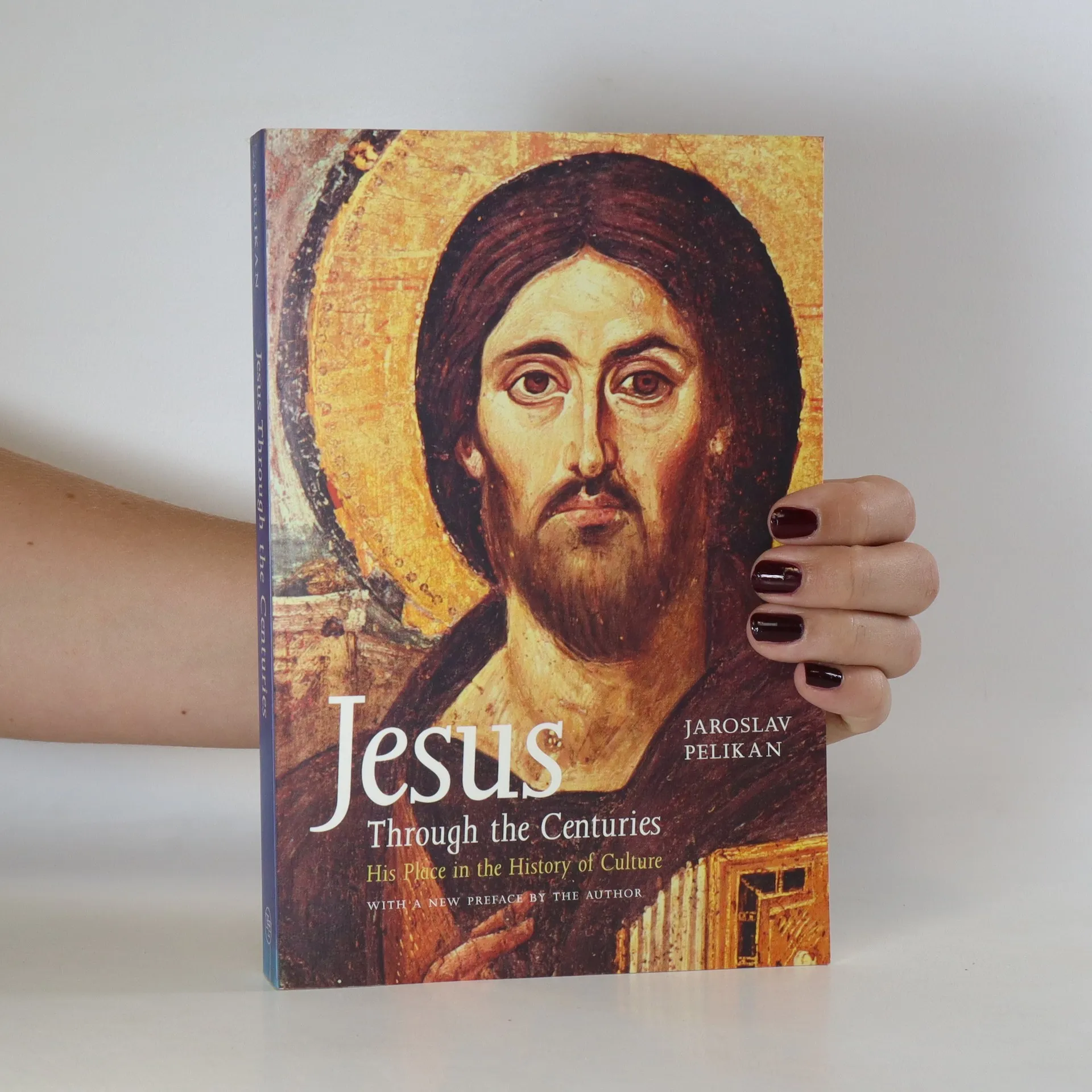
Describes Jesus Christ's changing image throughout history, from rabbi in the first century to liberator in the twentieth, and explains how each version has shaped its era socially, politically, economically, and culturally.
Jaroslav Pelikan, widely regarded as one of the most distinguished historians of our day, now provides a clear and engaging account of the Bible's journey from oral narrative to Hebrew and Greek text to today's countless editions. Pelikan explores the evolution of the Jewish, Protestant, and Catholic versions and the development of the printing press and its effect on the Reformation, the translation into modern languages, and varying schools of critical scholarship. Whose Bible Is It? is a triumph of scholarship that is also a pleasure to read.
This text explores the influence of speech and language on three interpretations of the Sermon on the Mount, taken from the Latin and Catholic traditions (St. Augustine), the Greek and Orthodox tradition (St. John Chrysostom), and the reformation and Protestant tradition (Martin Luther). schovat popis
The crisis in university education has sparked vigorous debate recently. In this eloquent and personal book, a distinguished scholar reflects on the university's character and aims, assessing its guiding principles, practical functions, and societal role. By reexamining the university through the lens of John Henry Cardinal Newman’s classic work, the author highlights how Newman’s ideas illuminate and contrast with current challenges in higher education. The author affirms Newman’s assertion that knowledge must be an end in itself and argues for the inseparability of research and teaching on both intellectual and practical grounds. He emphasizes the virtues of free inquiry, scholarly honesty, civility in discourse, toleration of diverse beliefs, and trust in rationality and public verifiability that universities must uphold and teach. The discussion includes the university's mission: advancing knowledge through research, interpreting it through teaching, preserving it in libraries and museums, and disseminating it through scholarly publishing. By fulfilling these roles, fostering closer ties with other educational institutions, and engaging the community in lifelong learning, the university can make its most significant contribution to society.
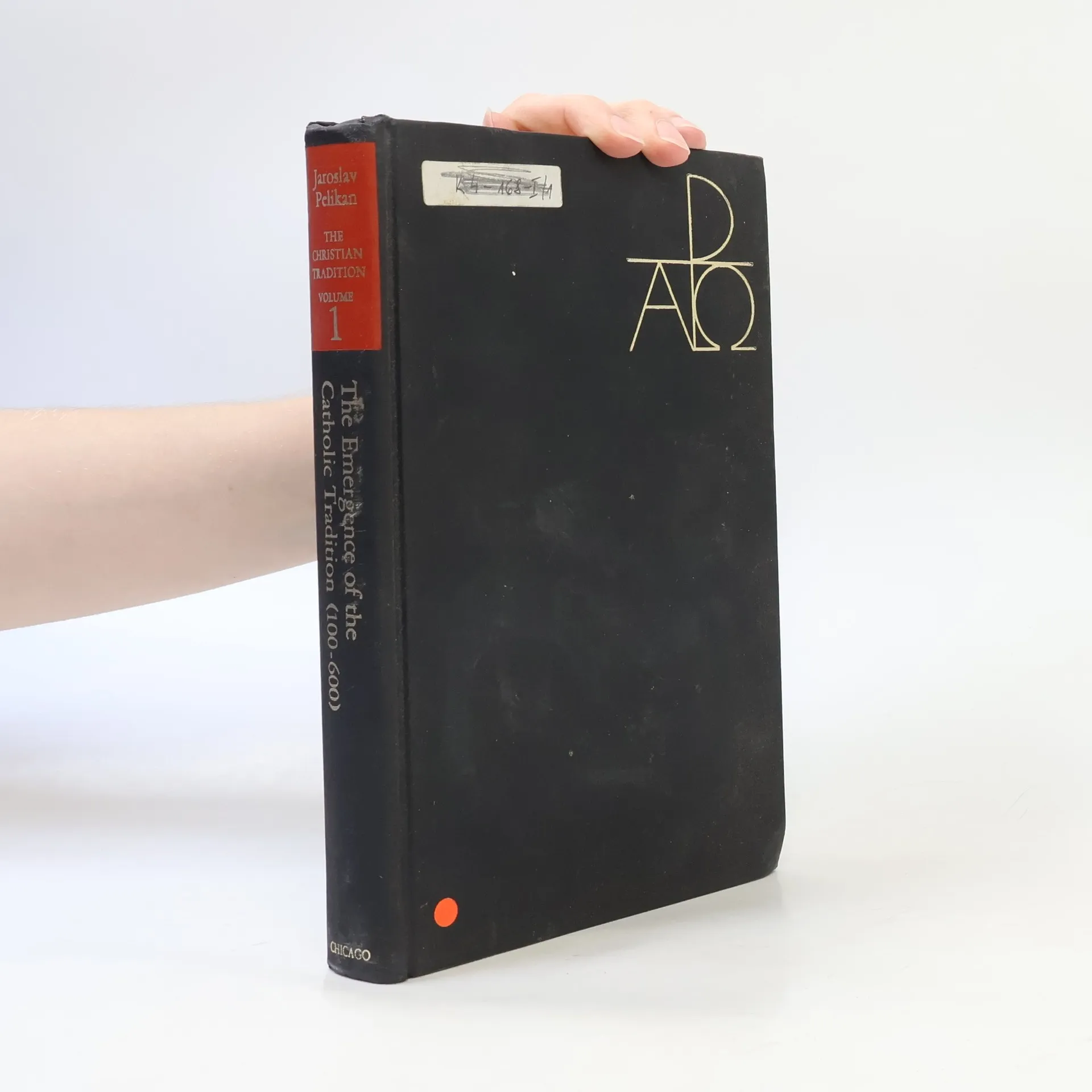
The Emergence of the Catholic Tradition (100-600)
Velká monografie Joži Uprky vznikla za příležitosti stejnojmenné výstavy v Praze, kde se poprvé ve velkém rozsahu prezentovalo Uprkovo dílo. V knize naleznete jak dobové fotografie samotného umělce, jeho rodiny, přátel a významných malířských kolegů, tak převážnou část Uprkových děl. Na knize se podílela celá řada našich významných uměleckých teoretiků a autorit. Krásným způsobem dává kniha nahlédnout do zamilované Uprkovy oblasti a to Moravského Slovácka, které nebylo nikdy tak věrně a s láskou zachycené.
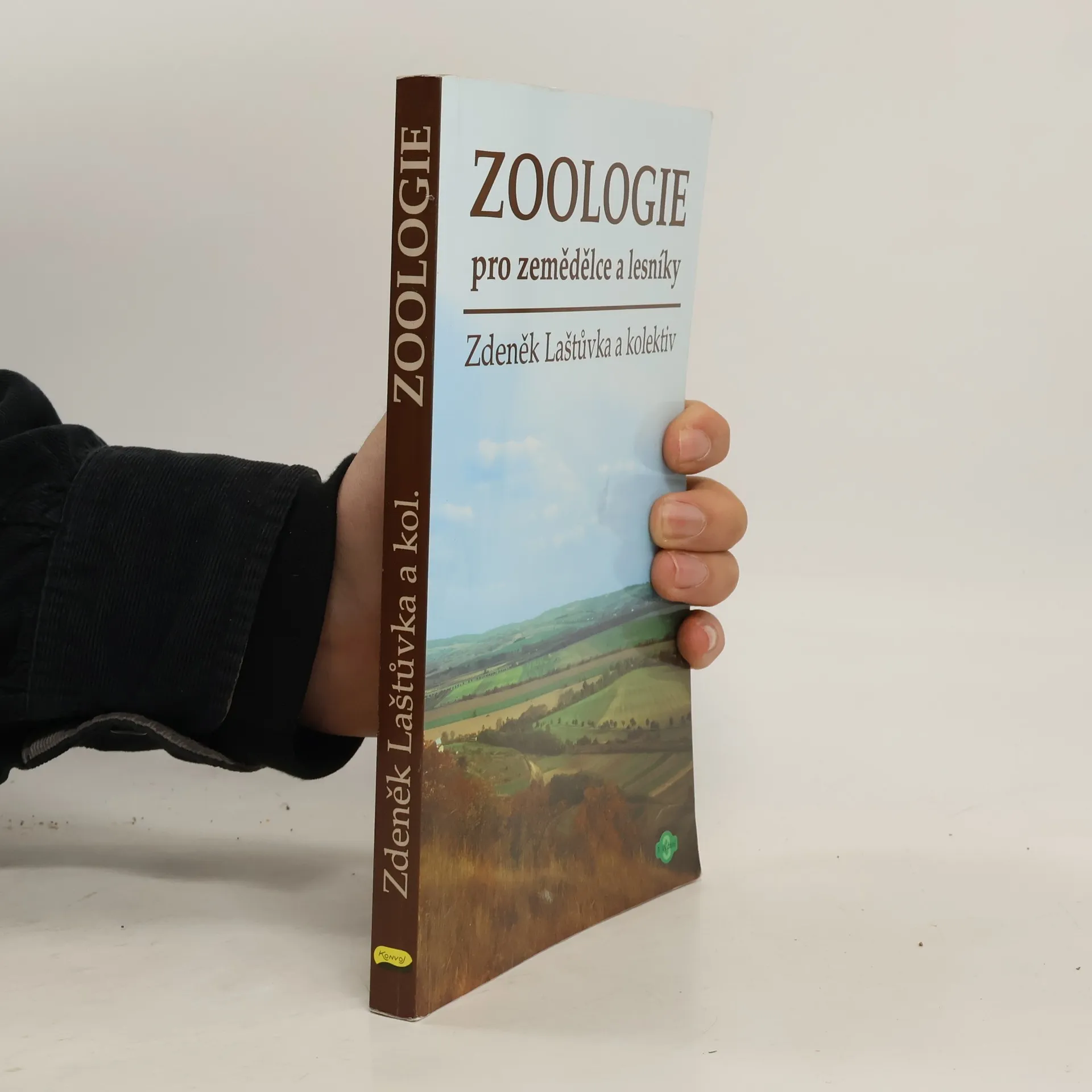
Učebnice Zoologie obsahuje základní informace o morfologii, ontogenetickém vývoji, chování, ekologických vztazích a další. Vydalo nakladatelství KONVOJ, Brno 1996, pro Moravský svaz VTS. Vydání první, stran 266, 25 ilustrovaných tabulí.
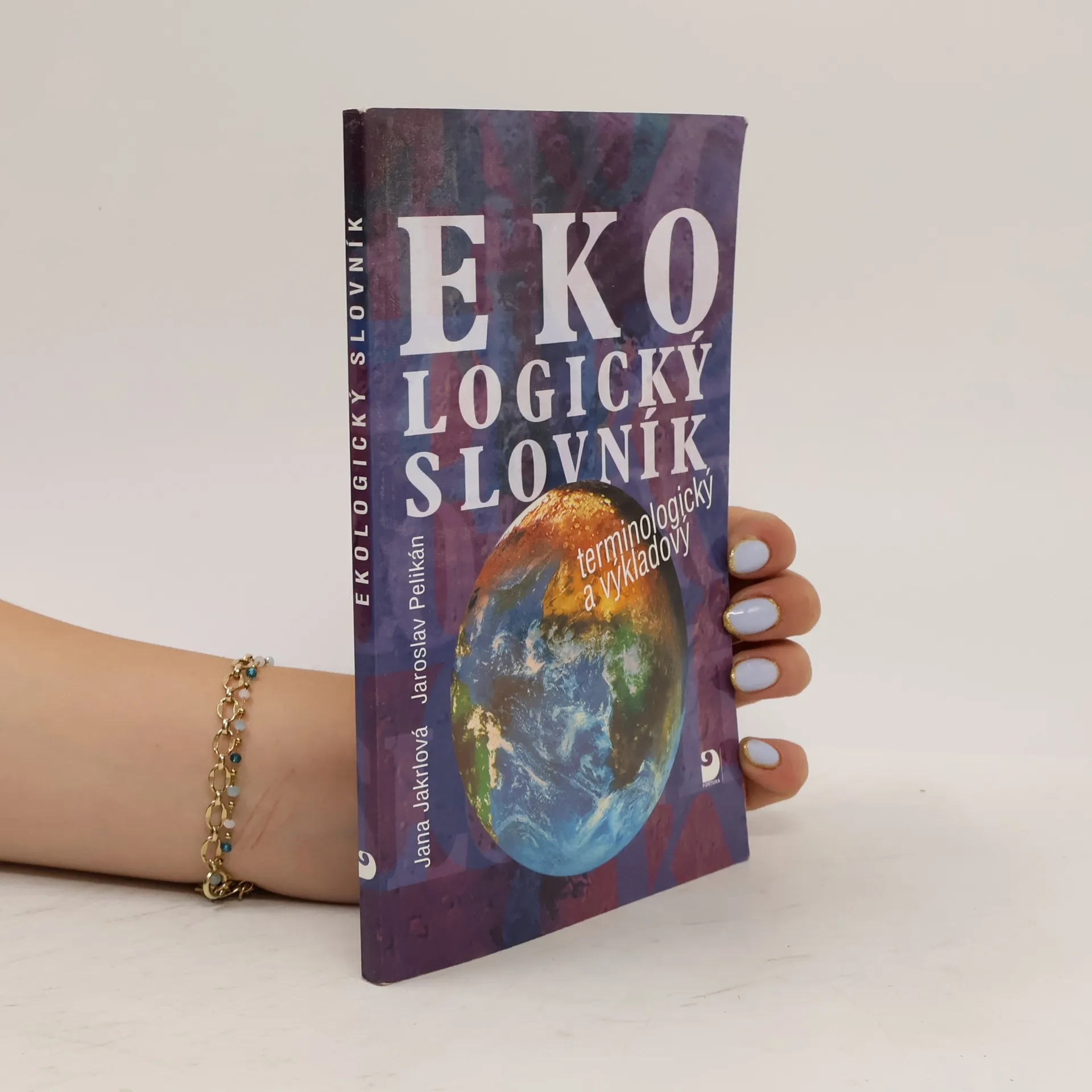
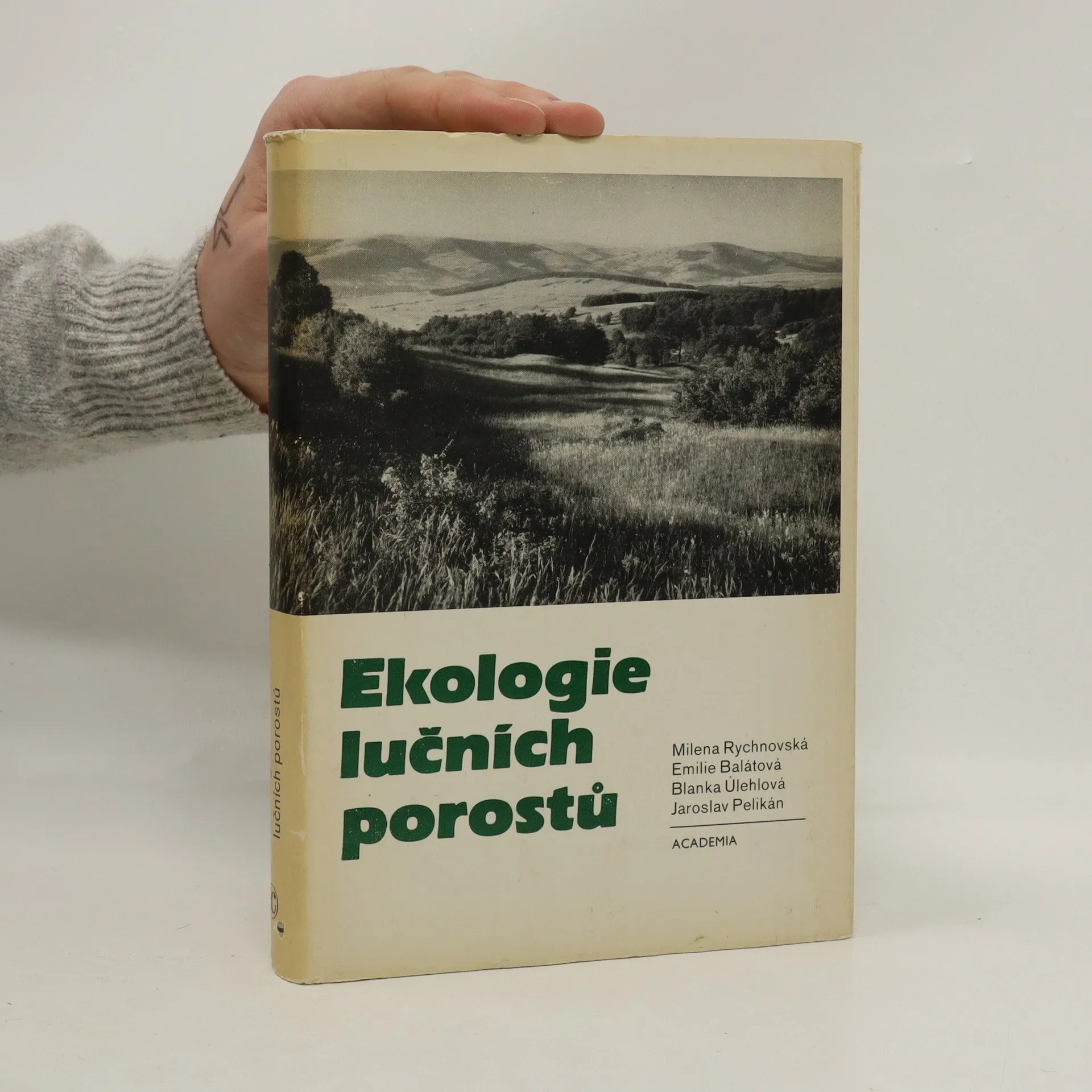
Slovník obsahuje reprezentativní soubor ekologických termínů včetně pojmů, které se díky rozvoji vědy nově objevily v posledních letech.
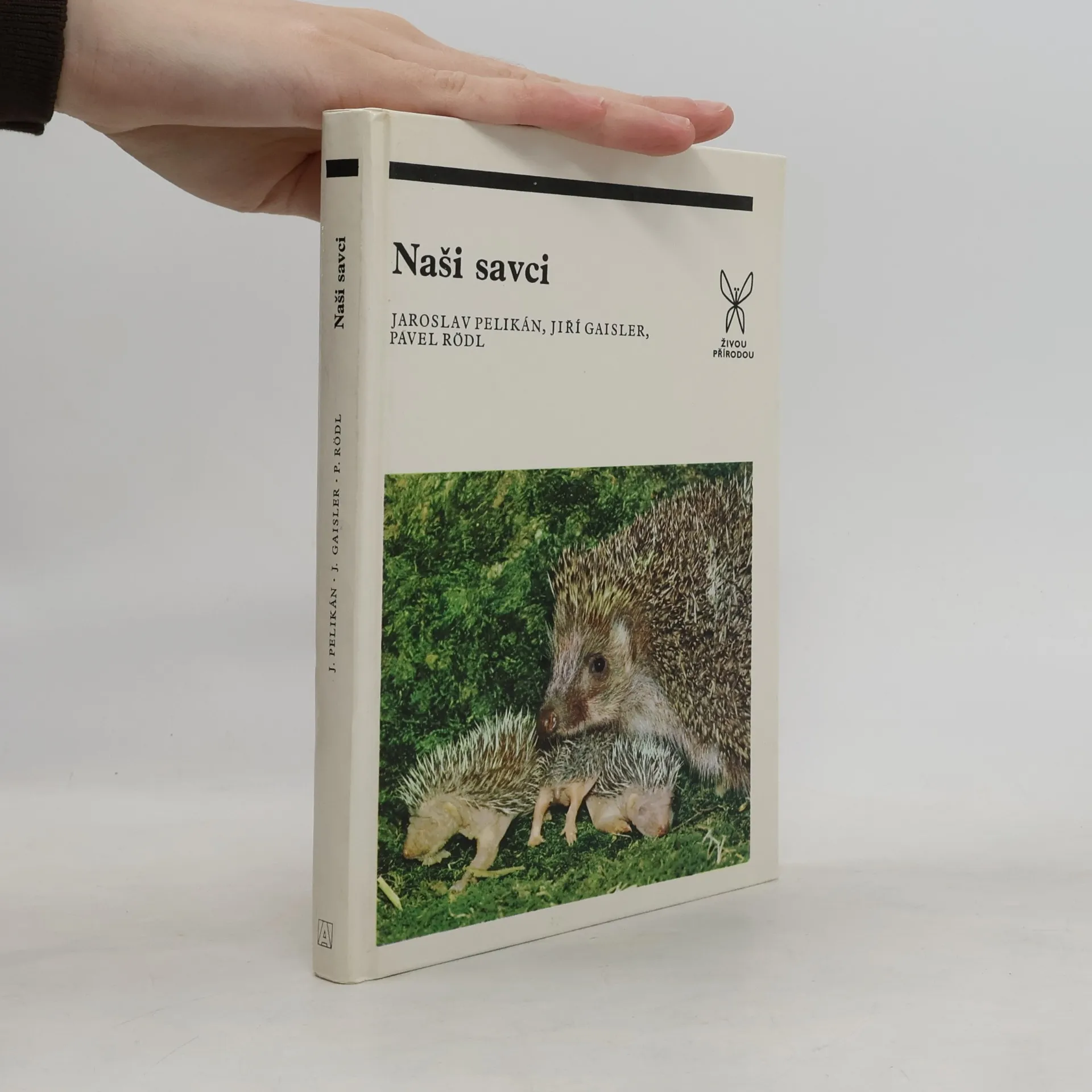
Kniha zahrnuje všechny savce žijící divoce ve volné přírodě v naší republice. Příručka, vybavená barevnými fotografiemi, kresbami a mapkami, přináší základní informace o savcích, kteří žijí na území ČSSR. Popisuje jejich charakteristické znaky, rozšíření, výskyt, způsob života, rozmnožování a početnost. U každého řádu a čeledi uvádí hlavní znaky a vlastnosti příslušné skupiny, které se již u jednotlivých druhů neopakují. 21-003-78
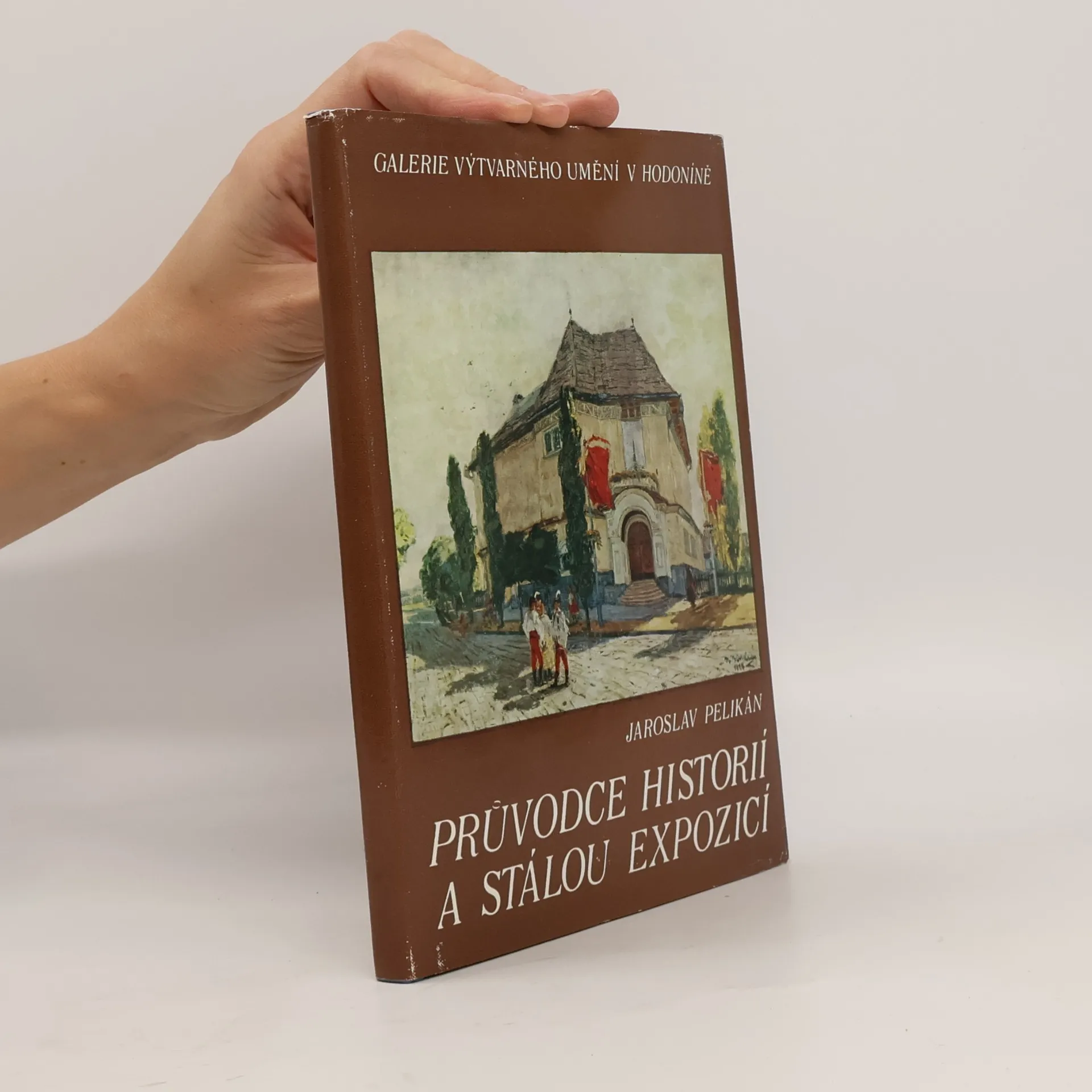
Průvodce historií a stálou expozicí výtvarného umění v Hodoníně.


![Karel Benedík : malířské dílo a restaurátorská činnost : [Katalog] výstavy k umělcovým šedesátinám, Hodonín, červen - červenec 1983](https://rezised-images.knhbt.cz/1920x1920/143460.webp)