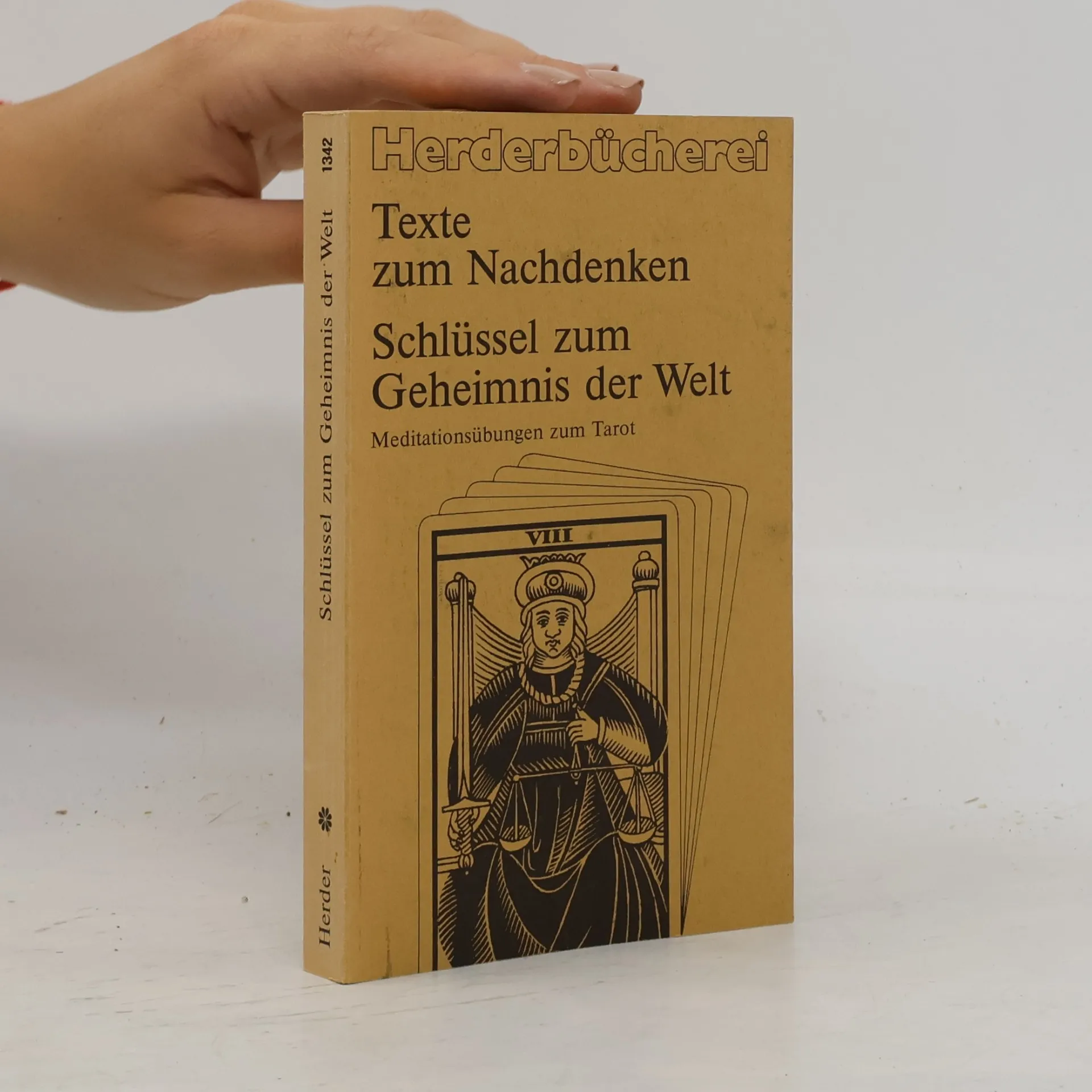
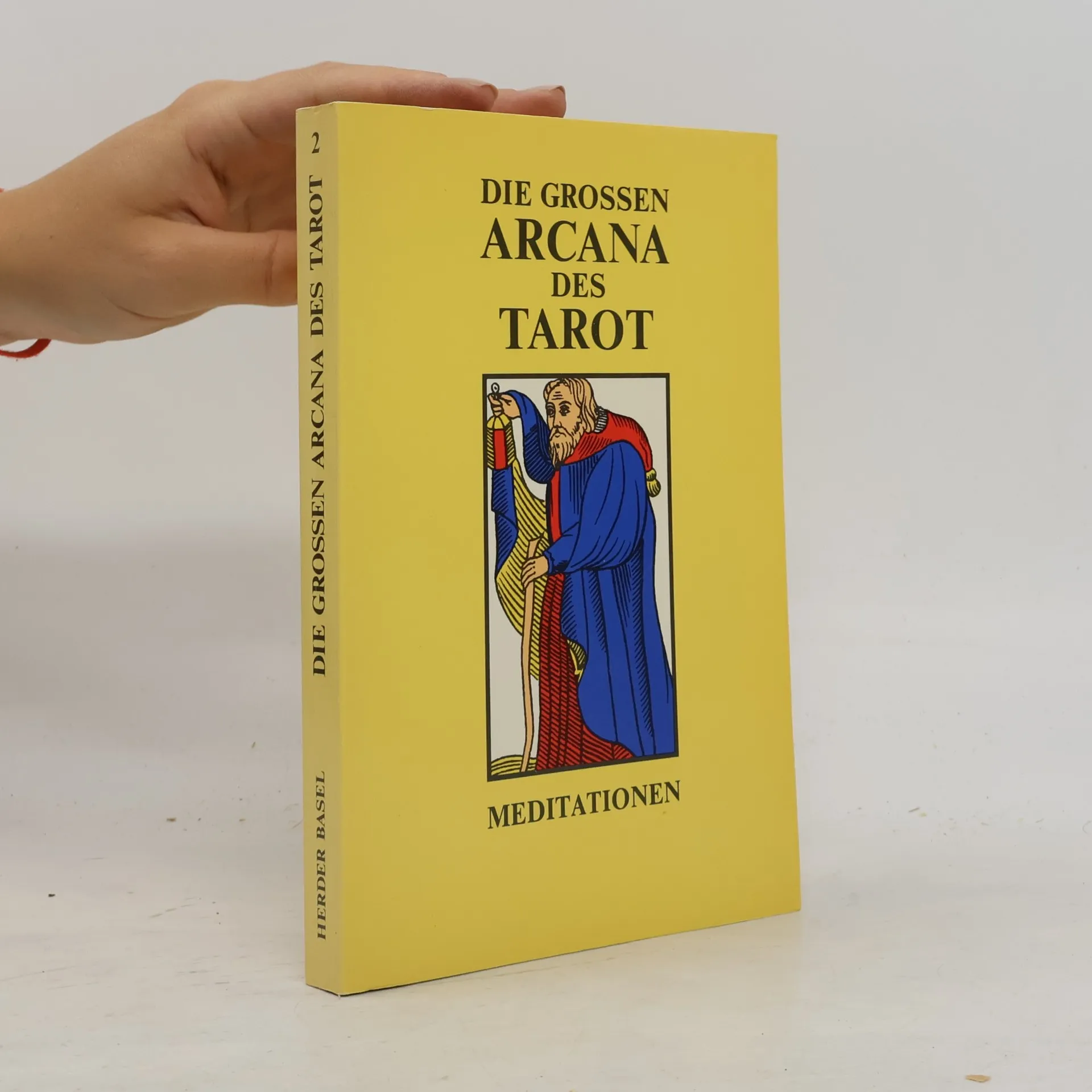
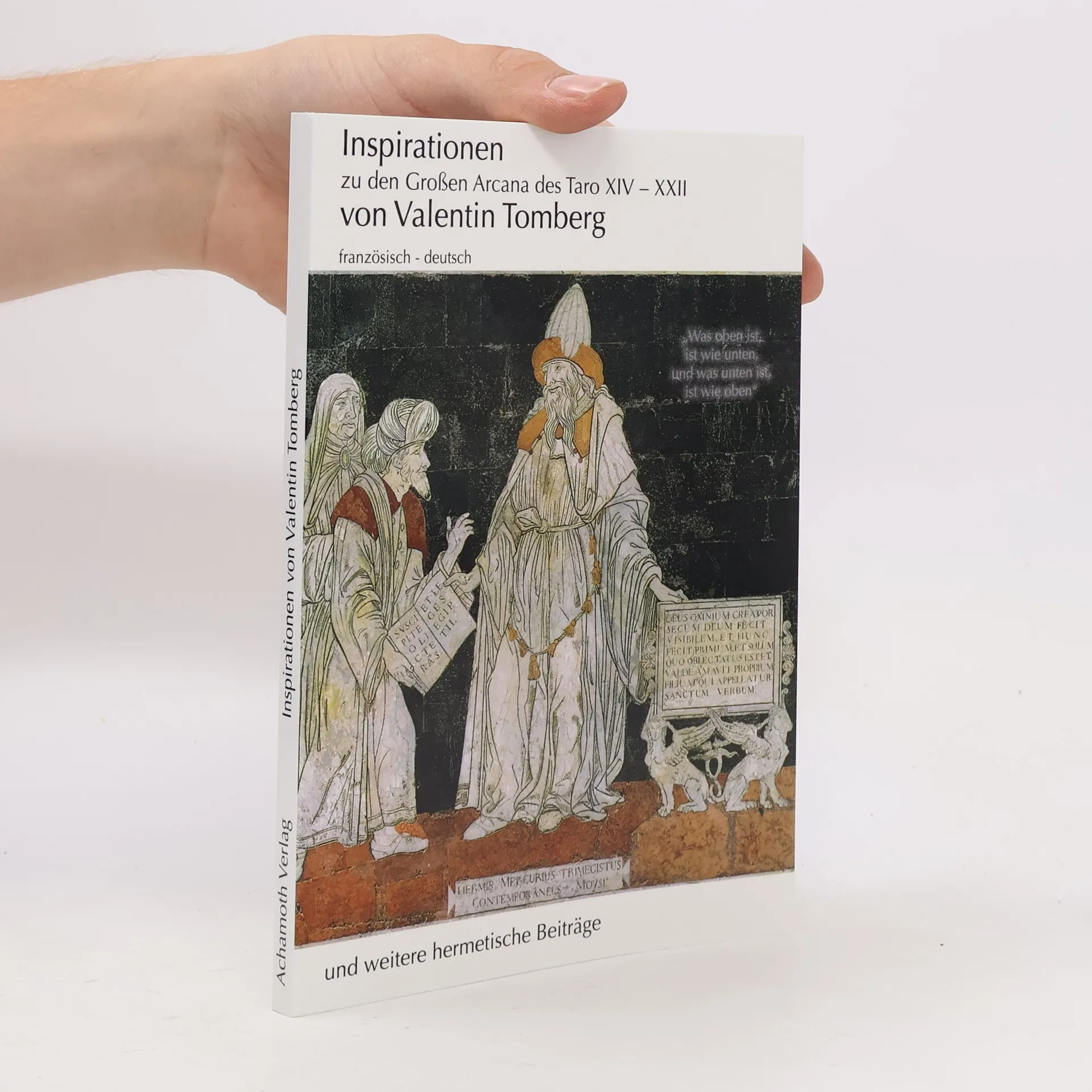
Die grossen Arcana des Tarot - Ausgabe A
- 11 Seiten
- 1 Lesestunde


Valentin Tomberg war ein christlicher Mystiker, Gelehrter und hermetischer Magier. Seine Arbeit tauchte tief in die Geheimnisse spirituellen Wissens und Suchens ein. Er erforschte die Vernetzung von Mystik und Magie. Seine Schriften bieten eine einzigartige Perspektive auf spirituelle Reisen.



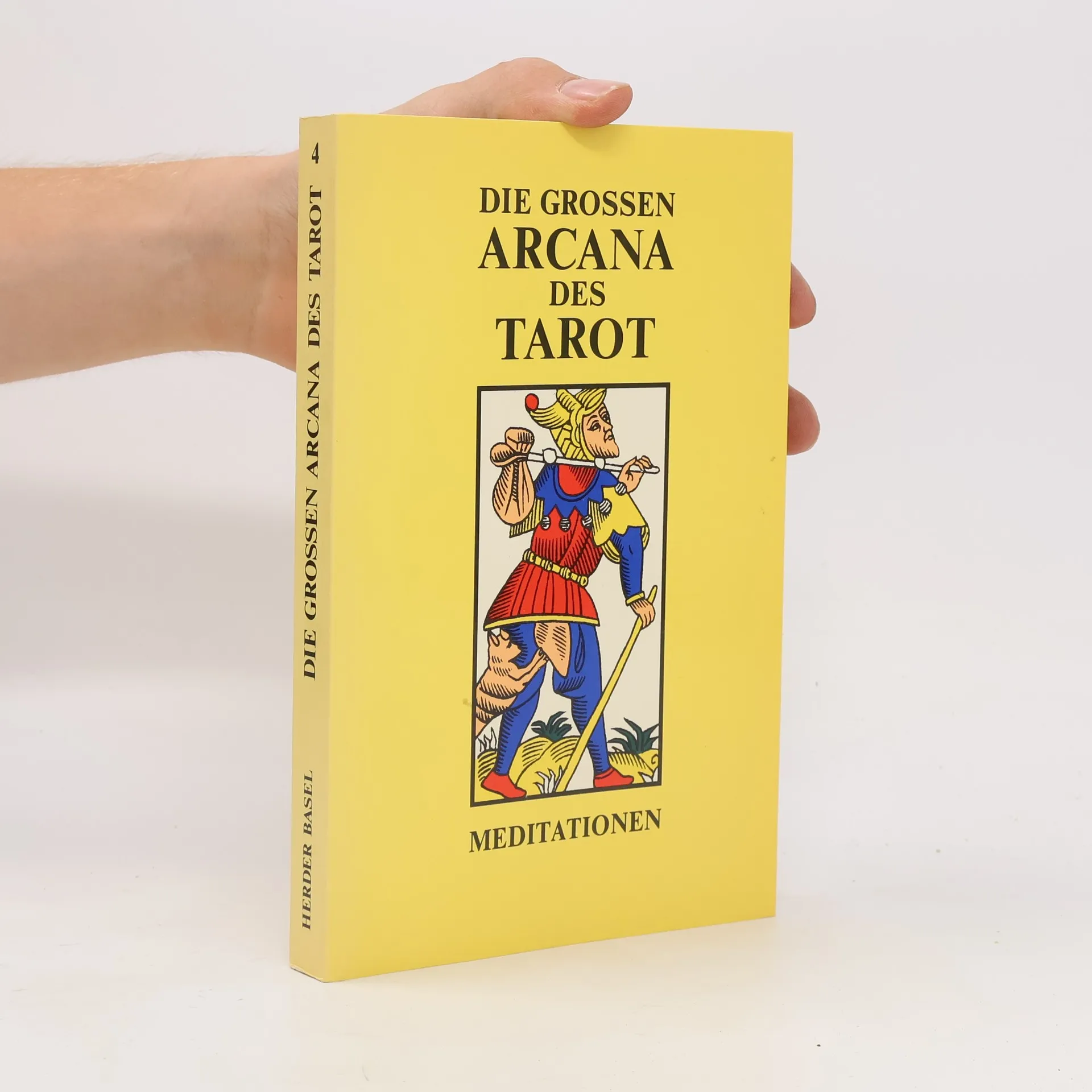
Das Buch umfasst 22 anonym verfasste Briefe, die zwischen 1959 und 1967 geschrieben wurden. Sie behandeln die Großen Arcana des Tarot und die Hermetik nach Hermes Trismegistos. Es gilt als moderner Klassiker der Esoterik, wurde in viele Sprachen übersetzt und hat international an Bedeutung gewonnen. Der 15. Brief hebt die Bedeutung der echten geistigen Erfahrung hervor.
Die Problemgeschichte der Völkerrechtswissenschaft
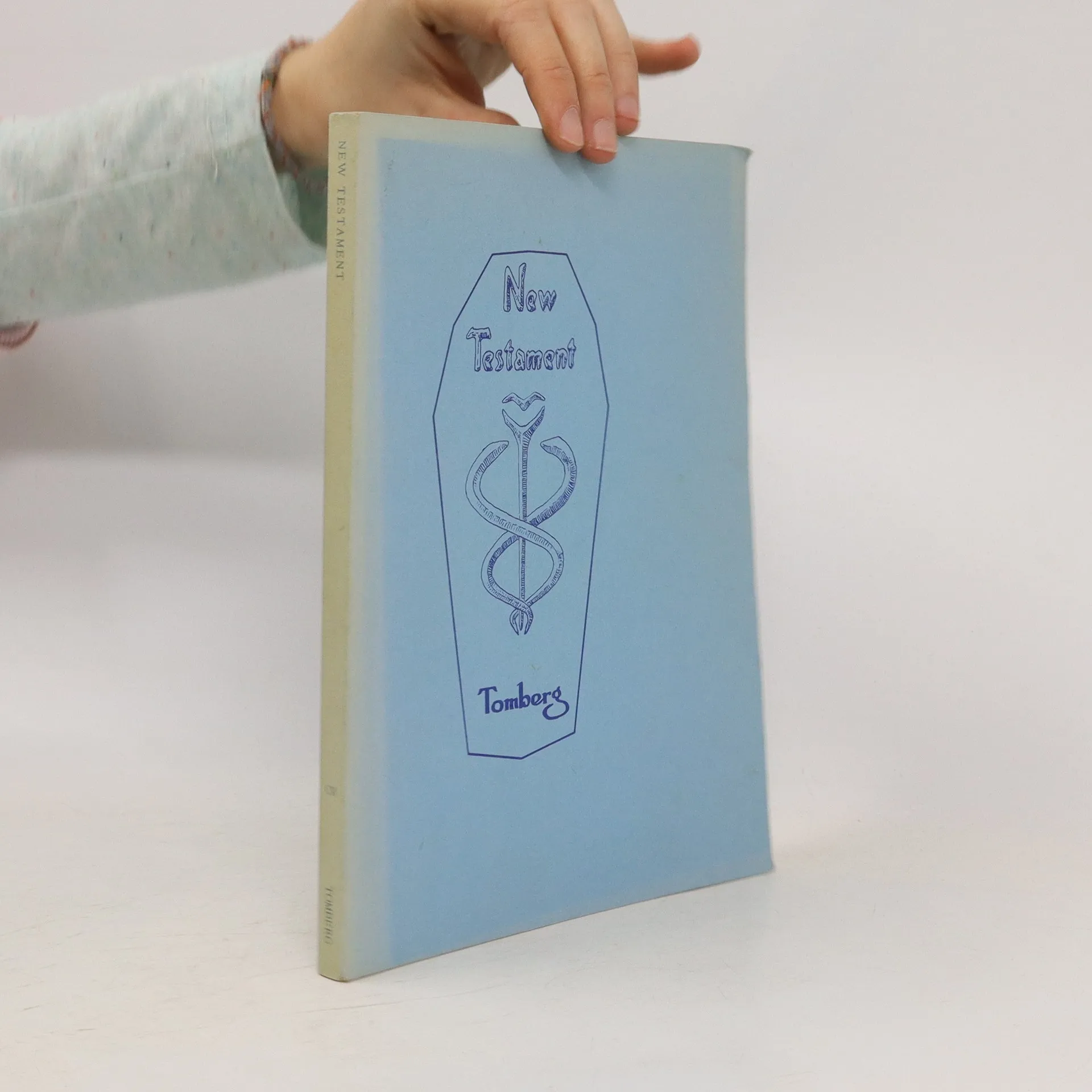
This series of twelve studies is, in a certain sense, a continuation of the studies on the Old Testament. Just as the latter work focused on the origin of the karma of humankind, this work concentrates on the healing of this karma. In the course of these studies, the author offers deep insights into the spiritual-moral aspects of the nine beatitudes, the Lord's Prayer, the signs or miracles in the Gospels, the Stages of the Passion, and the Mystery of Golgotha -- culminating in the event of Pentecost.
Valentin Tomberg's journey from St. Petersburg to becoming a prominent legal scholar reflects a profound transformation in his philosophical outlook. After converting to various Christian denominations, he shifted from humanistic studies to a Platonic understanding of knowledge and medieval realism. His 1944 dissertation critiques the decline of natural law in favor of legal positivism, which he views as a degeneration of legal principles. Tomberg advocates for a restructured academic approach to law that reinstates higher levels of legal understanding and restores the foundational ideals of justice.
Set against the backdrop of 1956, this unpublished text by Valentin Tomberg explores his journey towards understanding life's profound questions following his conversion to Catholicism. It captures a pivotal moment in his intellectual evolution, where he seeks to articulate a method for achieving authentic certainty. Tomberg's reflections aim to guide others on their quest for truth, addressing the universal dilemmas that humanity grapples with, and offering insights into the processes of spiritual and philosophical inquiry.
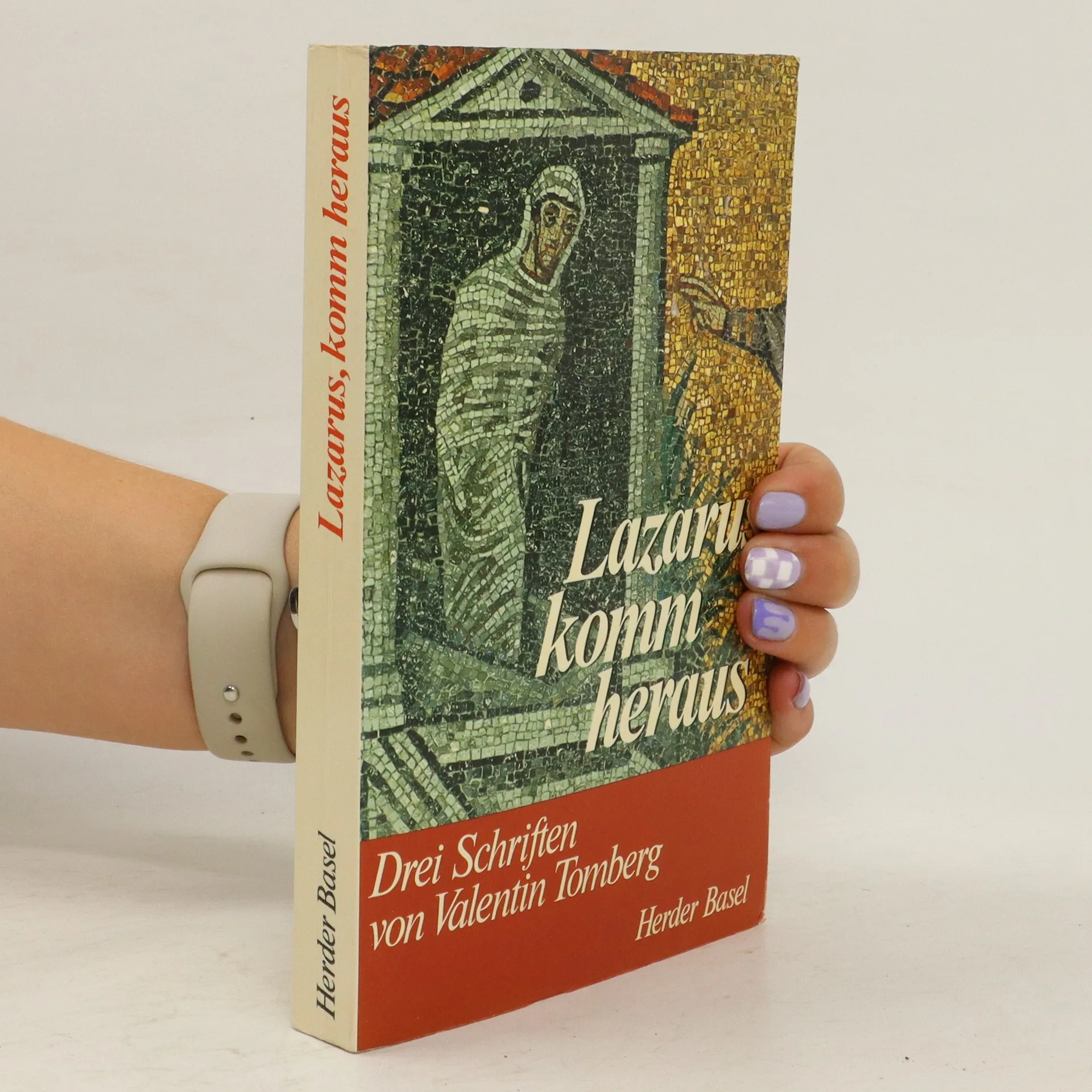
Exploring profound themes from his life, the book reflects on the origins of law and the soul's quest for certainty, framed as a "path through the wilderness." Tomberg revisits essentialism through analogical knowledge, engaging with symbols from Jewish kabbalah and the Catholic Church. He emphasizes the spiritual hierarchies and pays homage to Rudolf Steiner, highlighting their influence on his thought. The narrative culminates in insights on Divine Law, symbolized by the transfiguration of darkness into light on Mt. Sinai, marking a significant moment in Tomberg's spiritual journey.
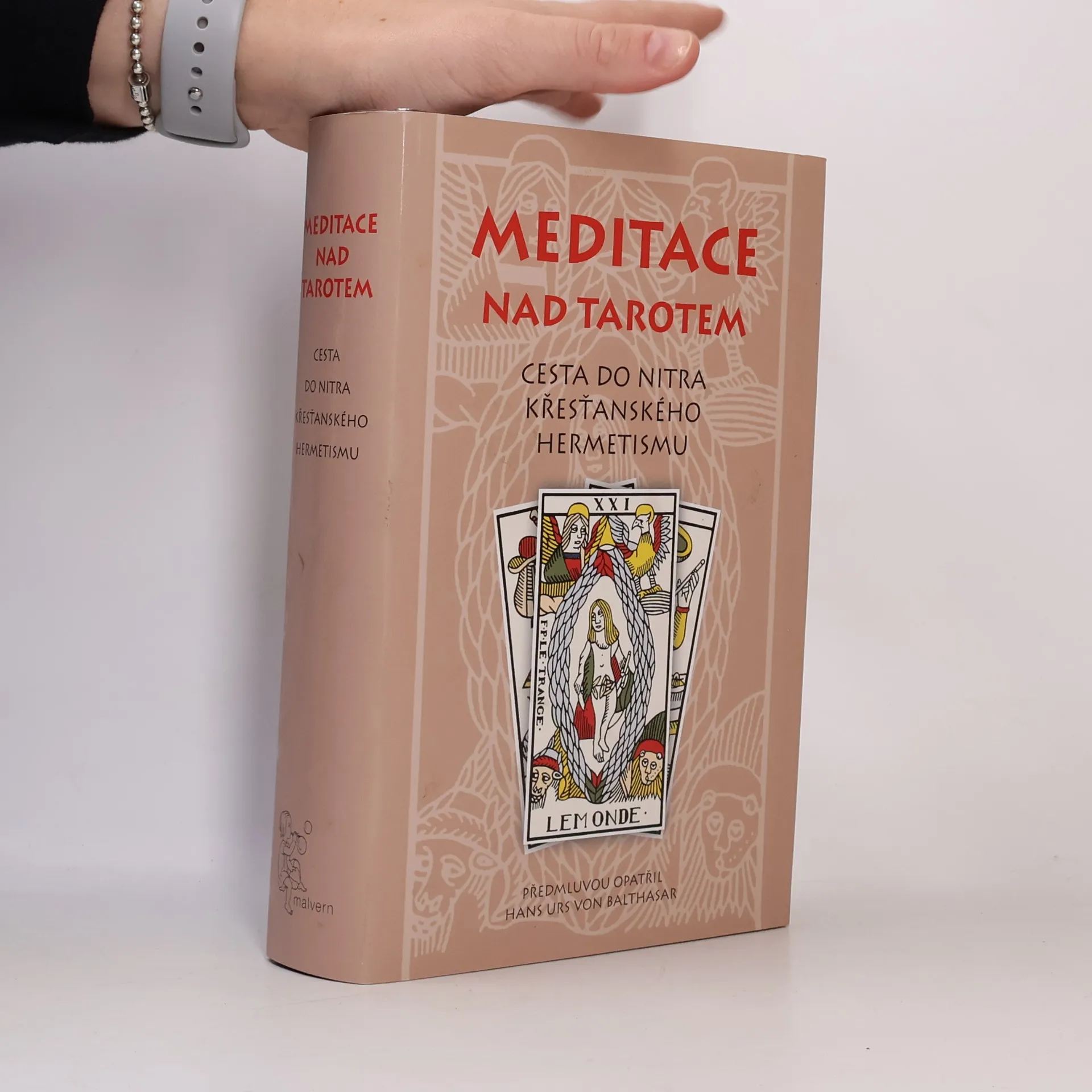
Přemýšlivý a zbožný křesťan nám ve svém obsáhlém a vpravdě celoživotním díle odhaluje symboly křesťanského hermetismu s mnoha jeho rovinami mystiky, gnóze a magie, přičemž zohledňuje také kabalu a jisté prvky astrologie a alchymie. Tyto symboly jsou shrnuty ve dvaadvaceti takzvaných ,,Velkých arkánech'' tarotových karet. Prostřednictvím Velkých arkán hledá autor meditativní cestu k hlubší, všezahrnující moudrosti katolického mystéria. Autorovy Meditace o tarotu se nesou v duchu velkých děl Pika della Mirandola a Franze von Baadera, jsou na nich však nezávislé. Mystické, magické, okultní přítoky, vytvářející společně proud jeho meditací, jsou mnohem obsažnější; přesto jejich soutok, plný pohybu, vnitřně nabývá jednoty křesťanské kontemplace. Autor se ve svých dvaadvaceti ''duchovních cvičeních'' odvolává především na myšlenky Jakoba Böhma či Rudolfa Steinera, C.G. Junga, Péladana, Papuse, Philippa z Lyonu a často odkazuje též k velkým filosofům a teologům jako Tomáš Akvinský, Bonaventura, Leibniz, Kant, Kierkegaard, Nietzsche, Bergson, Solovjev, Teilhard de Chardin; nebo k dramatikům a básníkům jako Shakespeare, Goethe, Cervantes, Baudelaire a mnohým dalším. Opakovaně se objevují jména sv. Antonína Velikého, sv. Alberta Velikého a sv. Františka z Assisi; a rozsáhle cituje především sv. Jana od Kříže a sv. Terezii z Ávily.