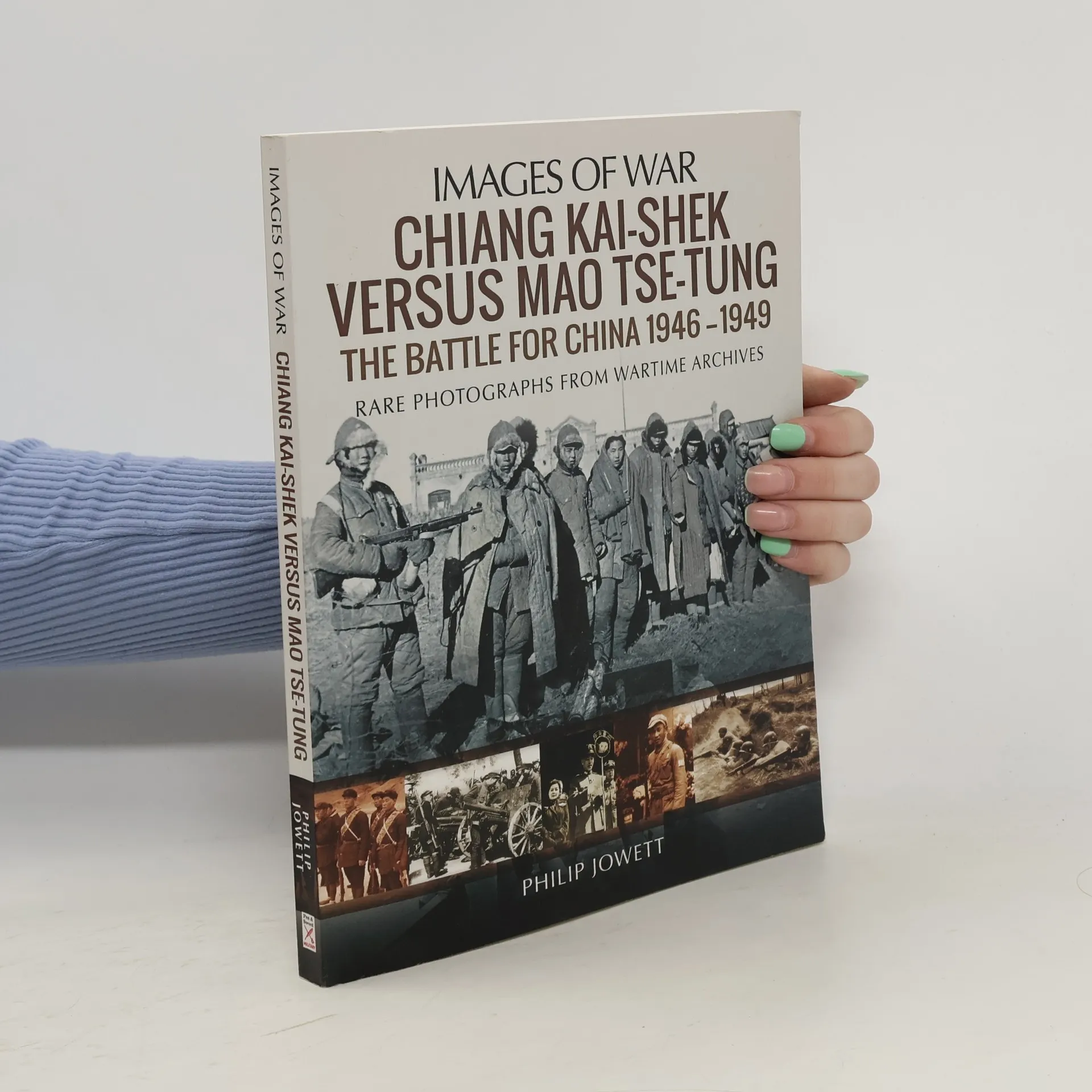
Over 200 archive photographs showing the war between the Nationalists and
Communists in China in the late 1940s. A graphic record of the experience of
the soldiers and civilians who were caught up in the country-wide conflict
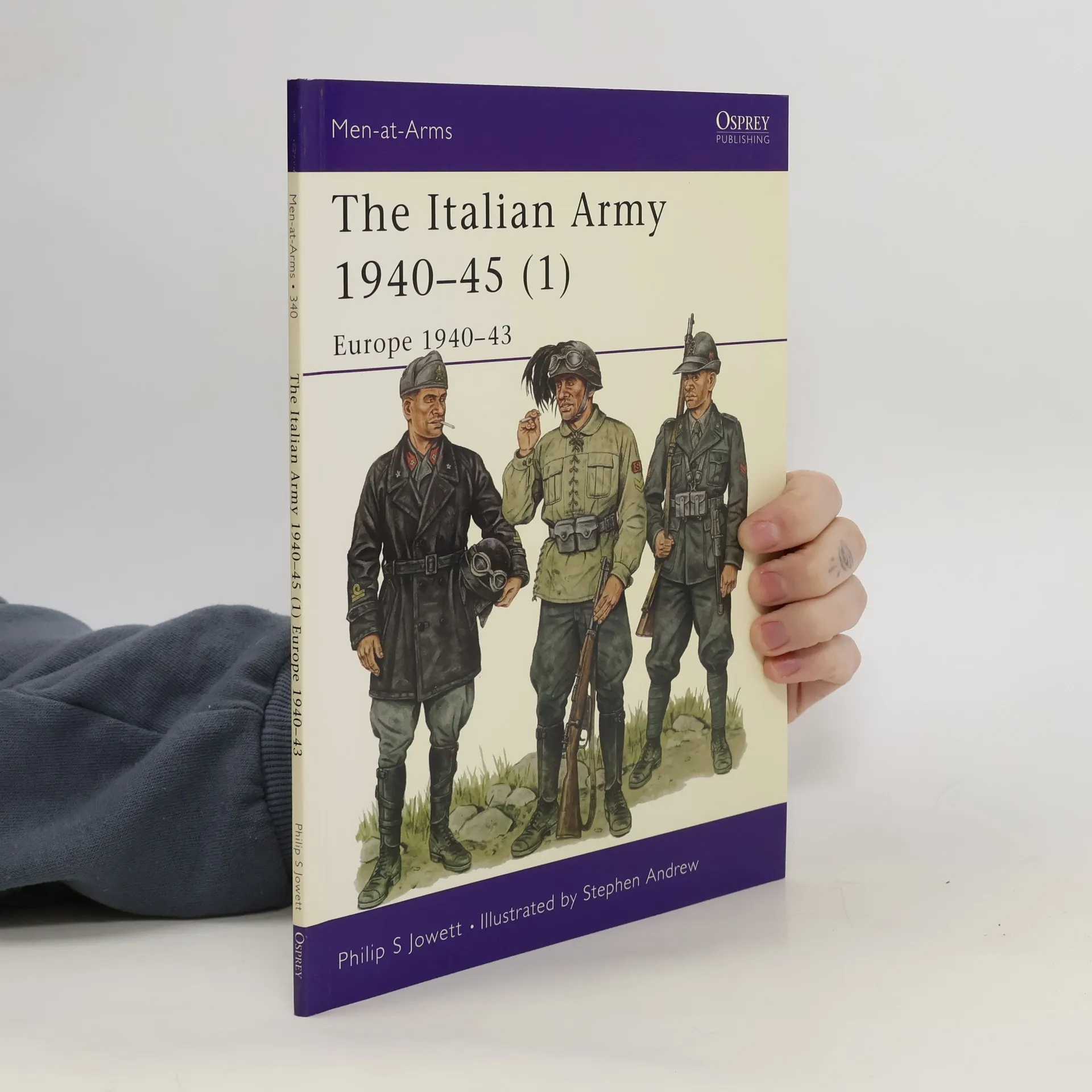
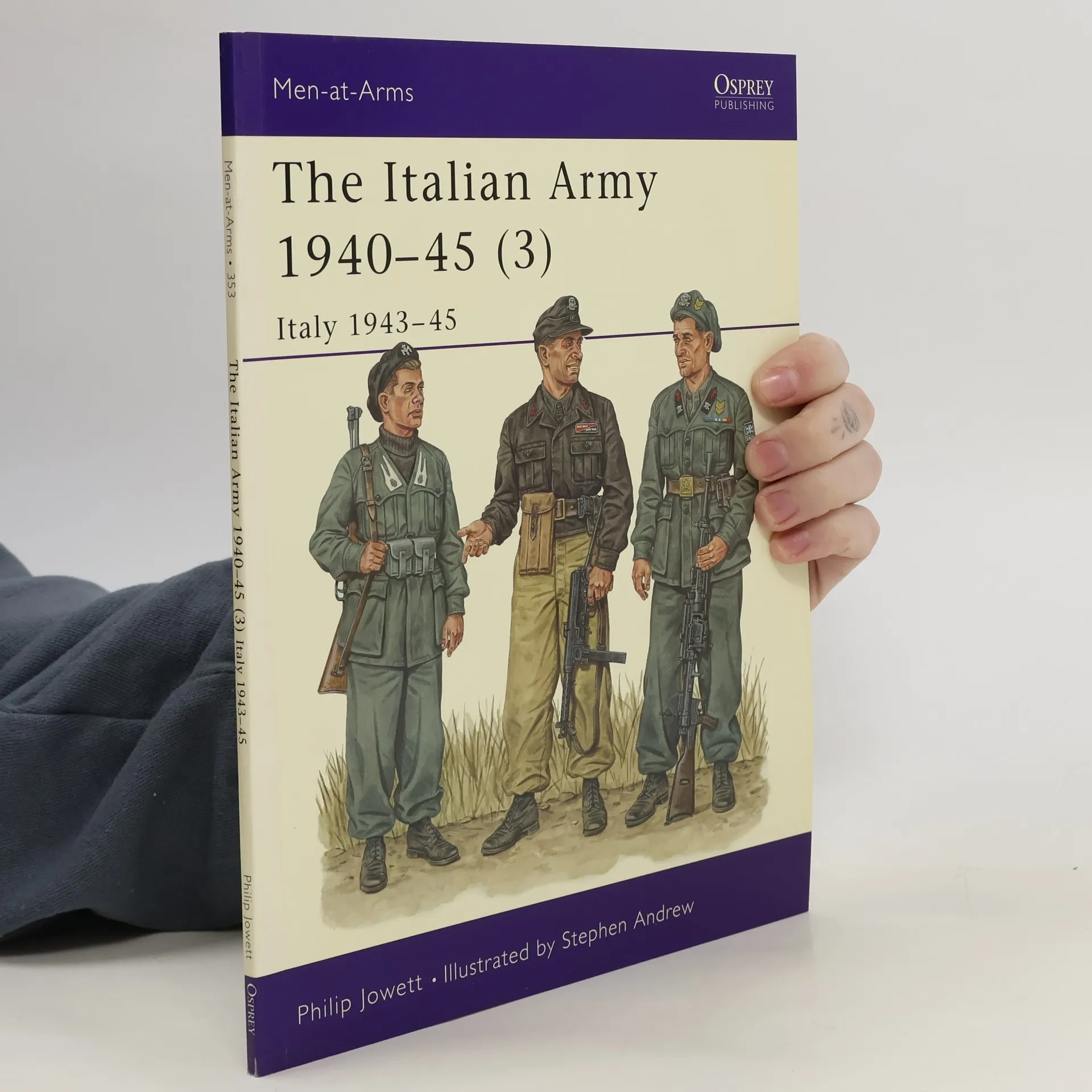
Immediately after the Allied invasion of Italy in September 1943, Mussolini was deposed and the new Italian government switched sides. The German occupying forces swiftly freed Il Duce and ruthlessly disarmed the Italian Army; and from then until the end of the war in April 1945 Italian troops fought on both sides - with the forces of the new Fascist 'Salo Republic', in the Allied 'Co-Belligerent Forces', and in the Partisan movement. This period of bitter struggle saw the appearance of many new units and a wide range of interesting uniforms, described and illustrated in this final part of Philip Jowett's comprehensive three-volume series.
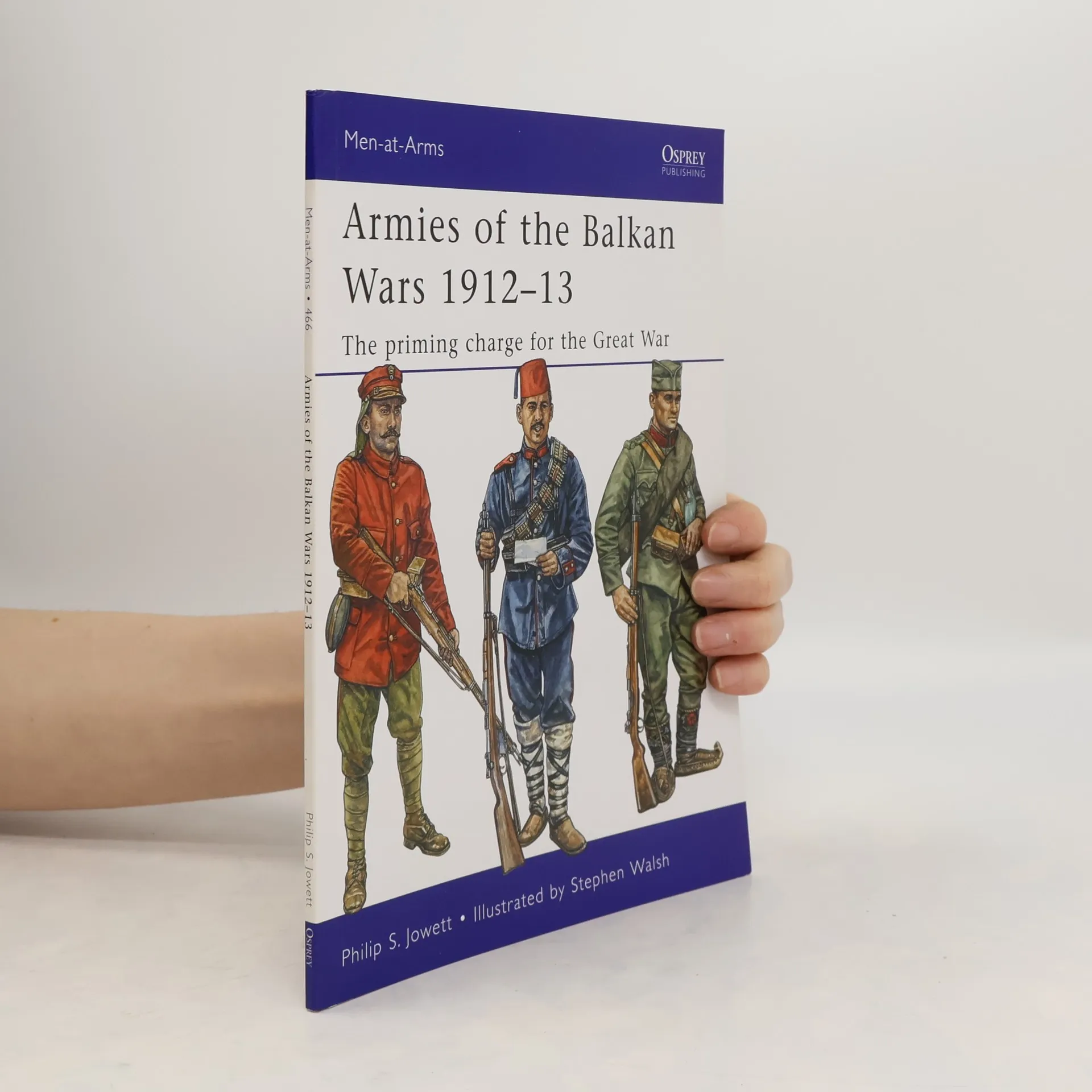
In 1912, the Balkan states formed an alliance in an effort to break free from
the crumbling Ottoman Empire. Forming an army of some 645,000 troops from
Greece, Bulgaria, Serbia and Montenego, they took on a force of 400,000
Turkish soldiers. This book looks at the diverse and sometimes colourful
uniforms worn by both sides.
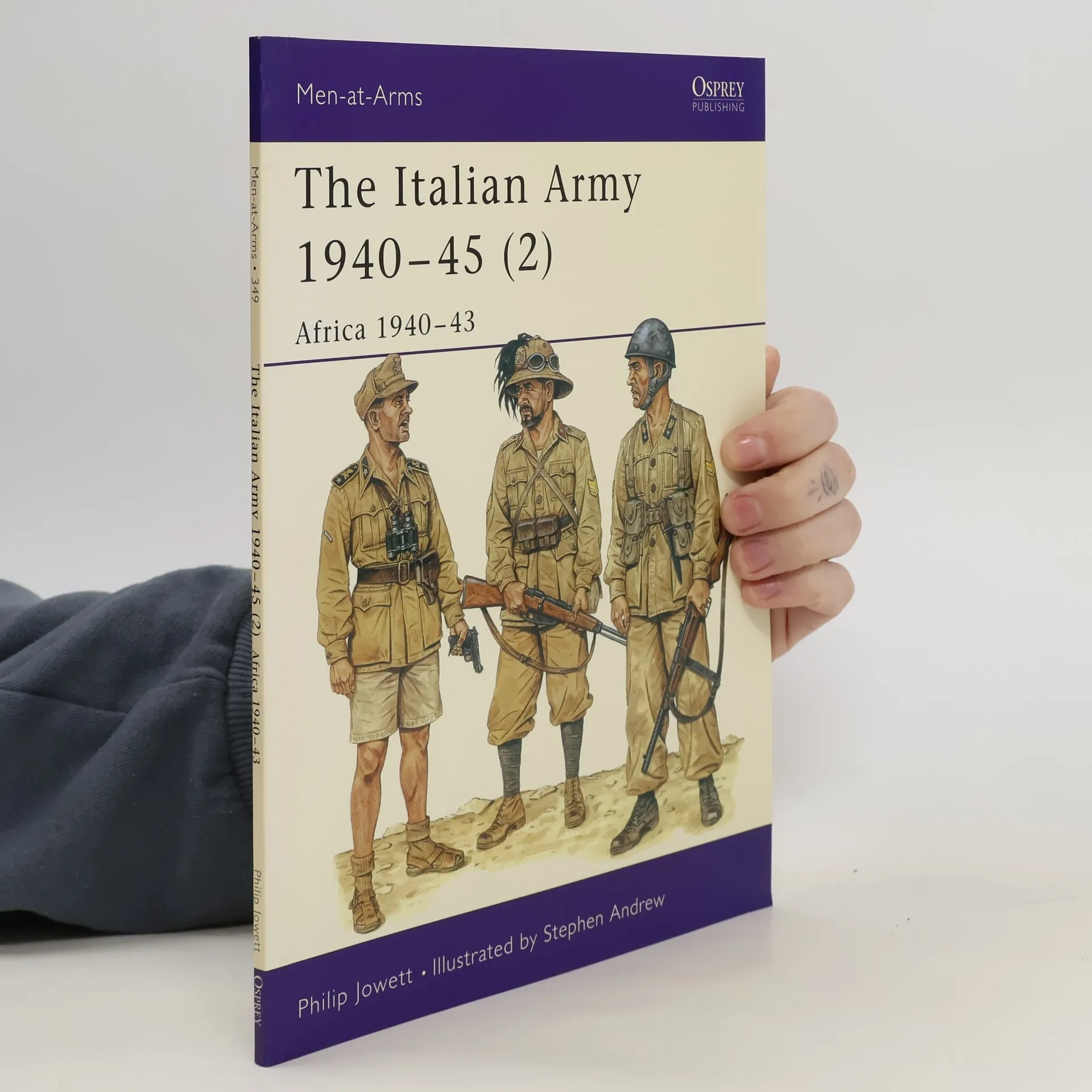
At its peak the Italian Army contributed 2.5 million troops to the Axis war effort during World War II (1939-1945). In addition to its major role in North Africa, Italy's army invaded, and later bore the main burden of occupying, the Balkan countries. Italy also sent 250,000 men to fight on the Russian Front. In this second book of a three-part study Philip Jowett covers the organisation, uniforms and insignia of the Italian troops committed to both the North African campaign, and the often neglected East African fighting of 1940-41, including the colourful colonial units. Stephen Andrew's meticulous colour plates illustrate a wide range of uniforms.
The Italian Army fought on every major front of the European and North African
theatres. They fielded a variety of colourfully-uniformed units, particularly
against the partisans in the Balkans. In this volume, the author dispels a
number of myths about the supposedly inferior Italian troops. schovat popis
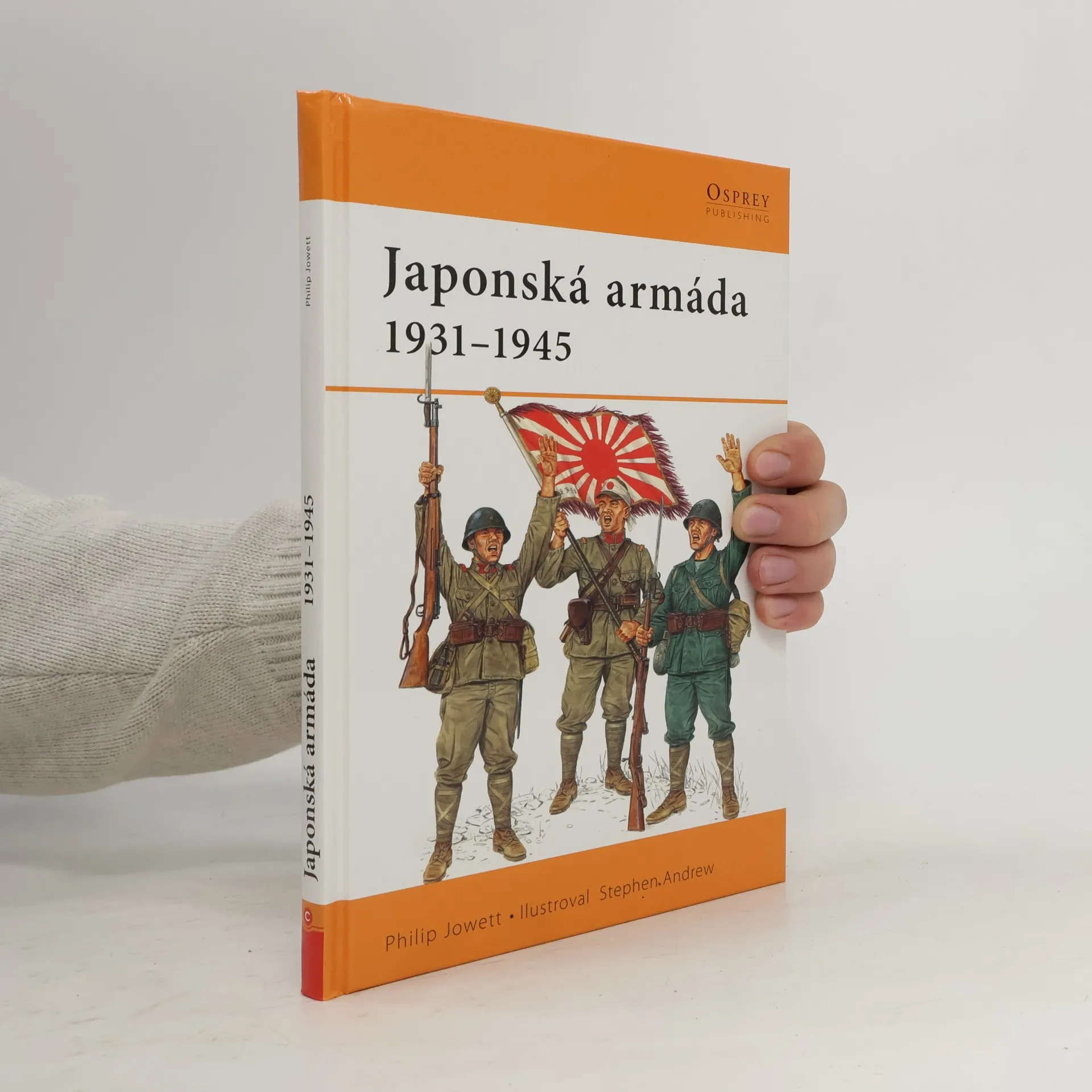
Japonská armáda byla unikátní směsí starověku a současnosti: moderní výzbroj a důmyslná taktika sloužila téměř středověkému kódu bezpodmínečné poslušnosti a bezohledné agrese. Tato publikace popisuje organizaci, výstroj, uniformy a složení japonských pozemních sil během bojů v Číně, Tichomoří i Barmě. Součástí knihy je schéma hodnostních označení, řada unikátních fotografií a 16 celobarevných příloh s přehledem uniforem.