Östlich von Konstantinopel
- 488 Seiten
- 18 Lesestunden
Im Geheimdienst östlich des Plans, das Britische Empire zu Fall zu bringen. 431 Seiten.


Peter Hopkirks Schriften tauchen tief in die faszinierenden, oft gesetzlosen Grenzgebiete des Britischen Empires und darüber hinaus ein, angetrieben von einer lebenslangen Faszination für Geschichte und Geografie. Seine umfangreiche journalistische Karriere, geprägt von Einsätzen in unruhigen Regionen, sowie jahrelange Reisen durch Russland, Zentralasien und den Nahen Osten, verliehen seinem Werk eine einzigartige Perspektive. Hopkirk verband meisterhaft seine Erfahrungen als Reporter und Korrespondent mit sorgfältiger historischer Recherche und schuf fesselnde Erzählungen über Abenteuer, Spionage und kulturelle Begegnungen. Inspiriert von klassischen Reiseberichten beleuchten seine Bücher die komplexen Geschichten und menschlichen Dramen, die sich am Rande der Zivilisation abspielen.

Im Geheimdienst östlich des Plans, das Britische Empire zu Fall zu bringen. 431 Seiten.
Hinter dem Himalaya verborgen, hat Tibet immer eine starke Anziehungskraft auf Reisende aus dem Westen ausgeübt. Peter Hopkirk erzählt von der gewaltsamen Öffnung dieses mittelalterlichen Landes im 19. und 20. Jahrhundert und dem Wettlauf zwischen neun verschiedenen Ländern, Lhasa, der heiligen Hauptstadt Tibets, zu erreichen.
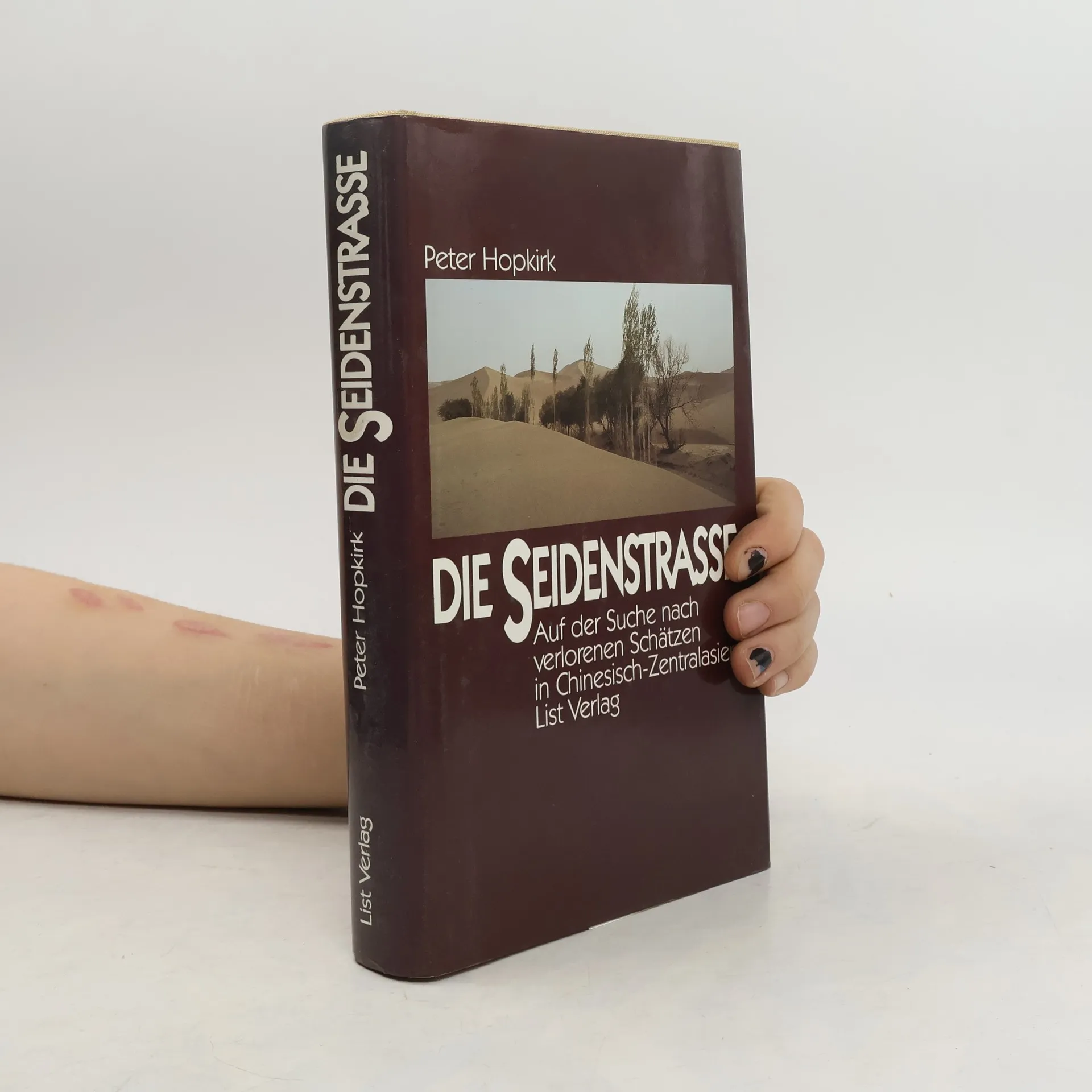
Die Seidenstrasse, die das imperiale Rom mit dem fernen China verband, war einst die größte Handelsstraße der Erde. Entlang dieser Route reisten kostbare Waren wie Seide, Gold und Elfenbein sowie revolutionäre neue Ideen. Ihre Oasenstädte blühten zu florierenden Zentren buddhistischer Kunst und Wissenschaft auf. Mit der Zeit begann sie zu verfallen. Der Verkehr verlangsamte sich, die Händler verließen die Städte und schließlich verschwanden sie unter dem Wüstensand, um tausend Jahre lang vergessen zu werden. Doch Legenden über verlorene Städte voller Schätze und bewacht von Dämonen entstanden. In den frühen Jahren des letzten Jahrhunderts begannen ausländische Entdecker, diese Legenden zu untersuchen, und bald begann ein internationaler Wettlauf um die Kunstschätze der Seidenstrasse. Riesige Wandmalereien, Skulpturen und unbezahlbare Manuskripte wurden buchstäblich tonnenweise abtransportiert und sind heute über die Museen eines Dutzends von Ländern verstreut. Peter Hopkirk erzählt die Geschichte der unerschrockenen Männer, die, auf großes persönliches Risiko bedacht, diese langwierigen archäologischen Raubzüge anführten und sich den ewigen Zorn der Chinesen zuzogen.
Tells the story of the "Great Game", the imperial, political, diplomatic and military operation in British India, stretching from the Caucasus in the west to Chinese Turkestan and Tibet in the east.
The Plot to Bring Down the British Empire
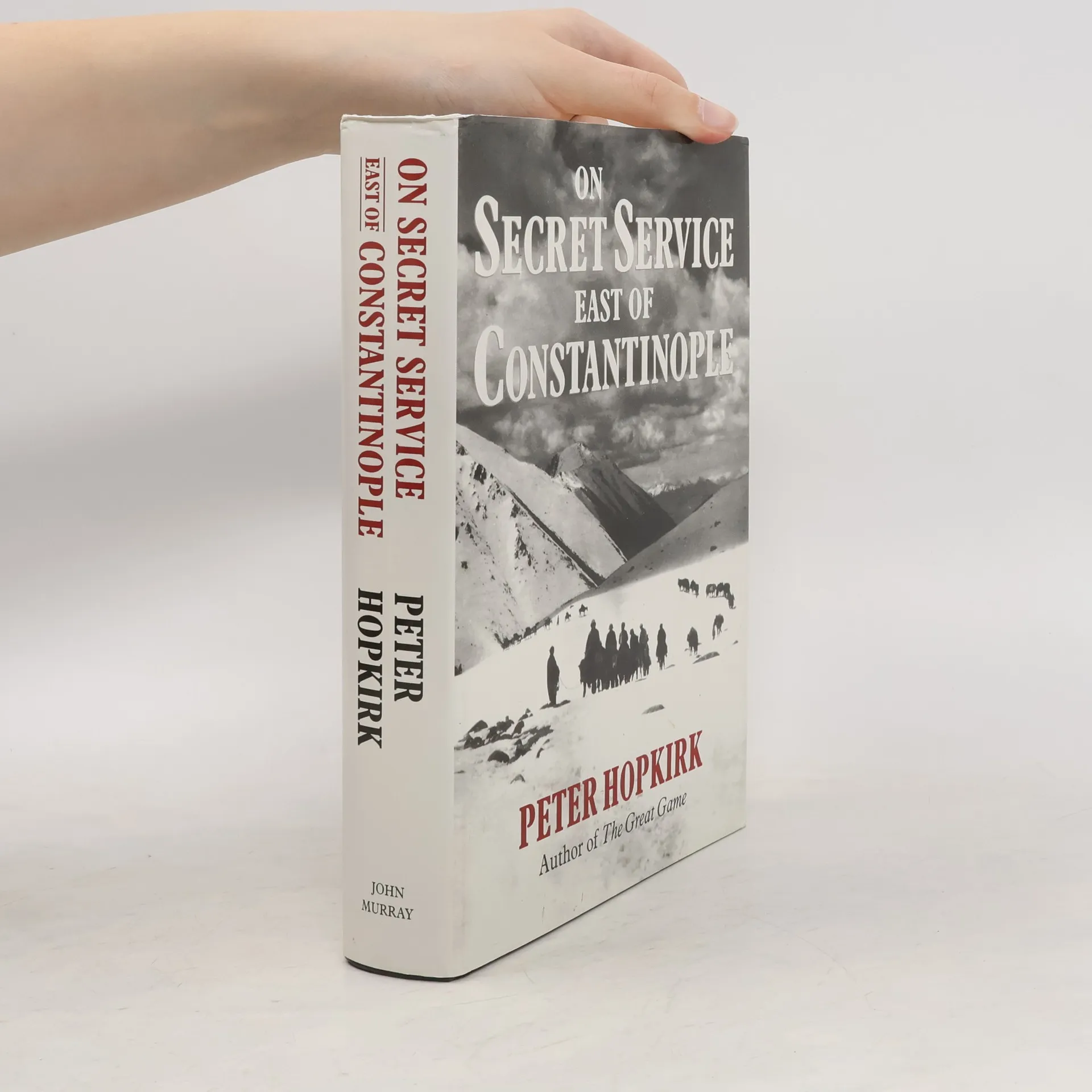
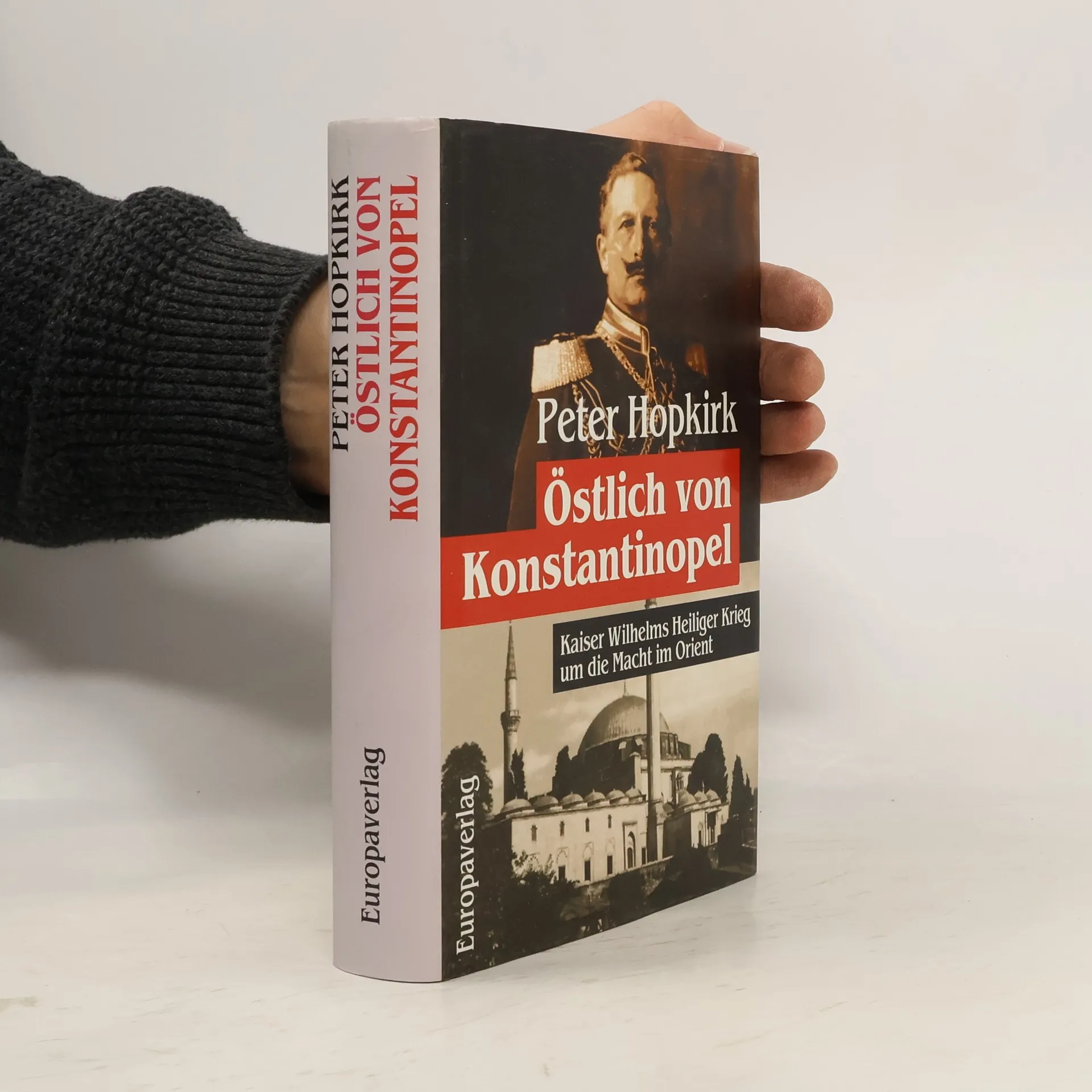
Under the banner of a Holy War, the Germans and Turks set out in 1914 to foment violent revolutionary uprisings against the British in India and the Russians in Central Asia. This is the story of the Turco-German jihad told through the adventures of the secret agents and others who took part in it.
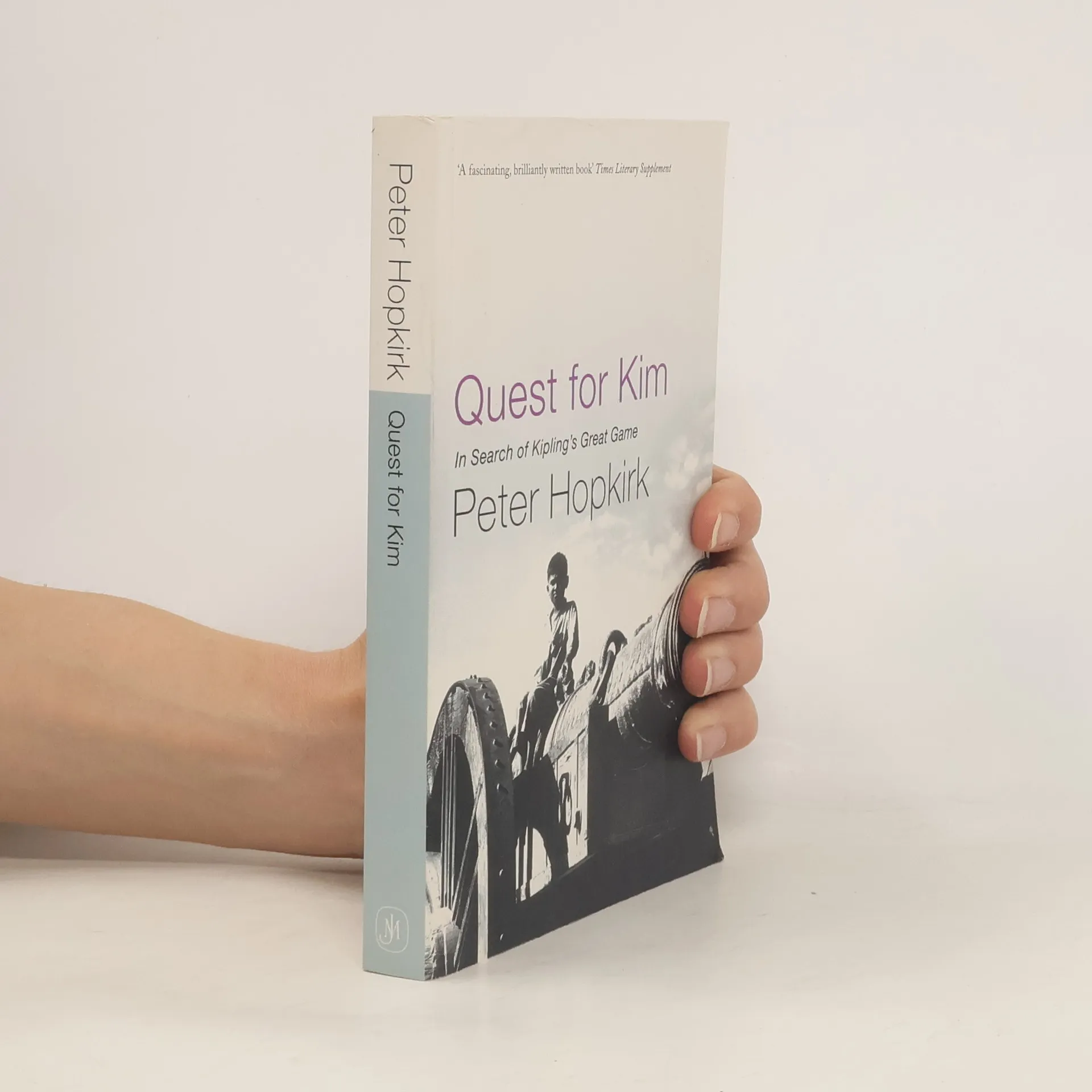
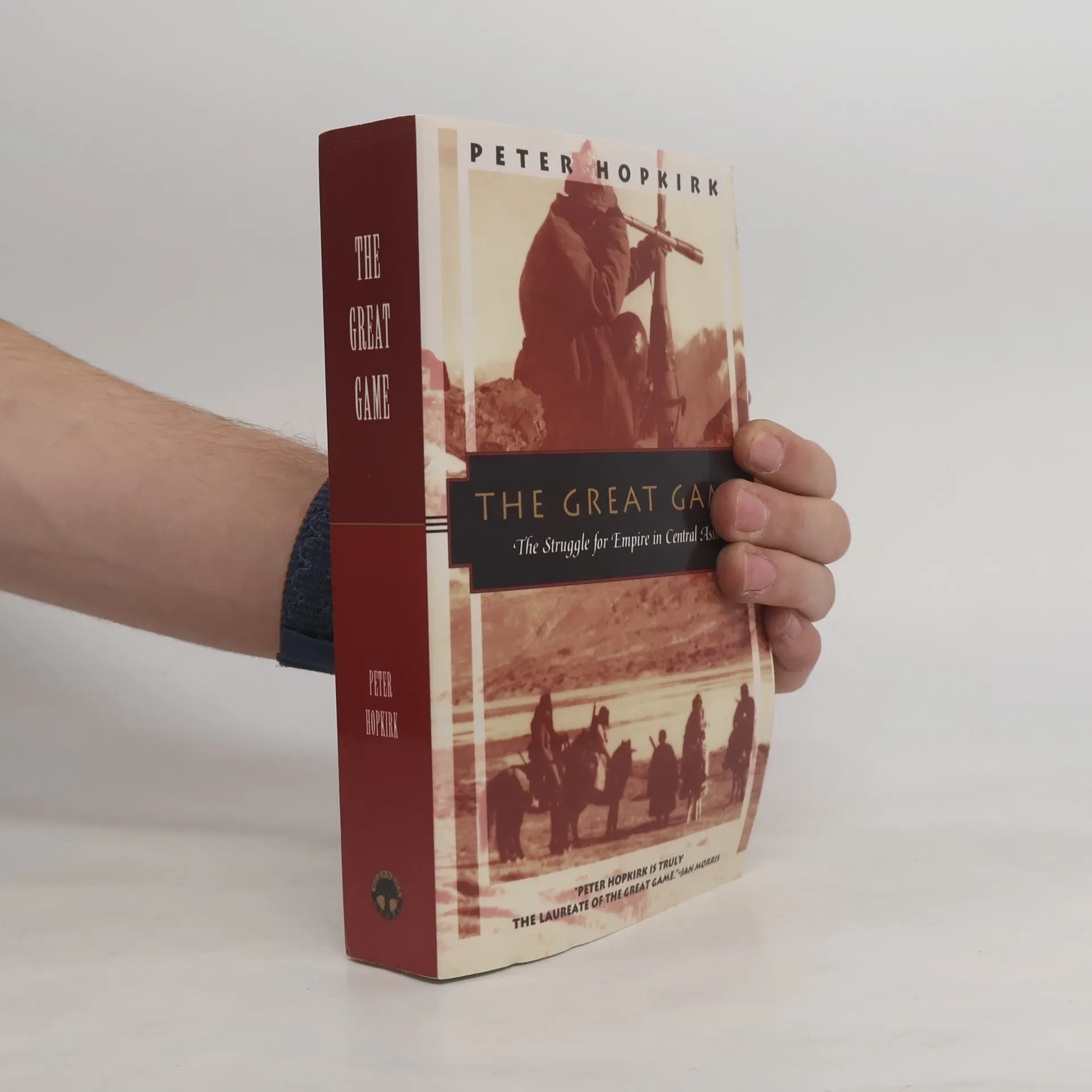
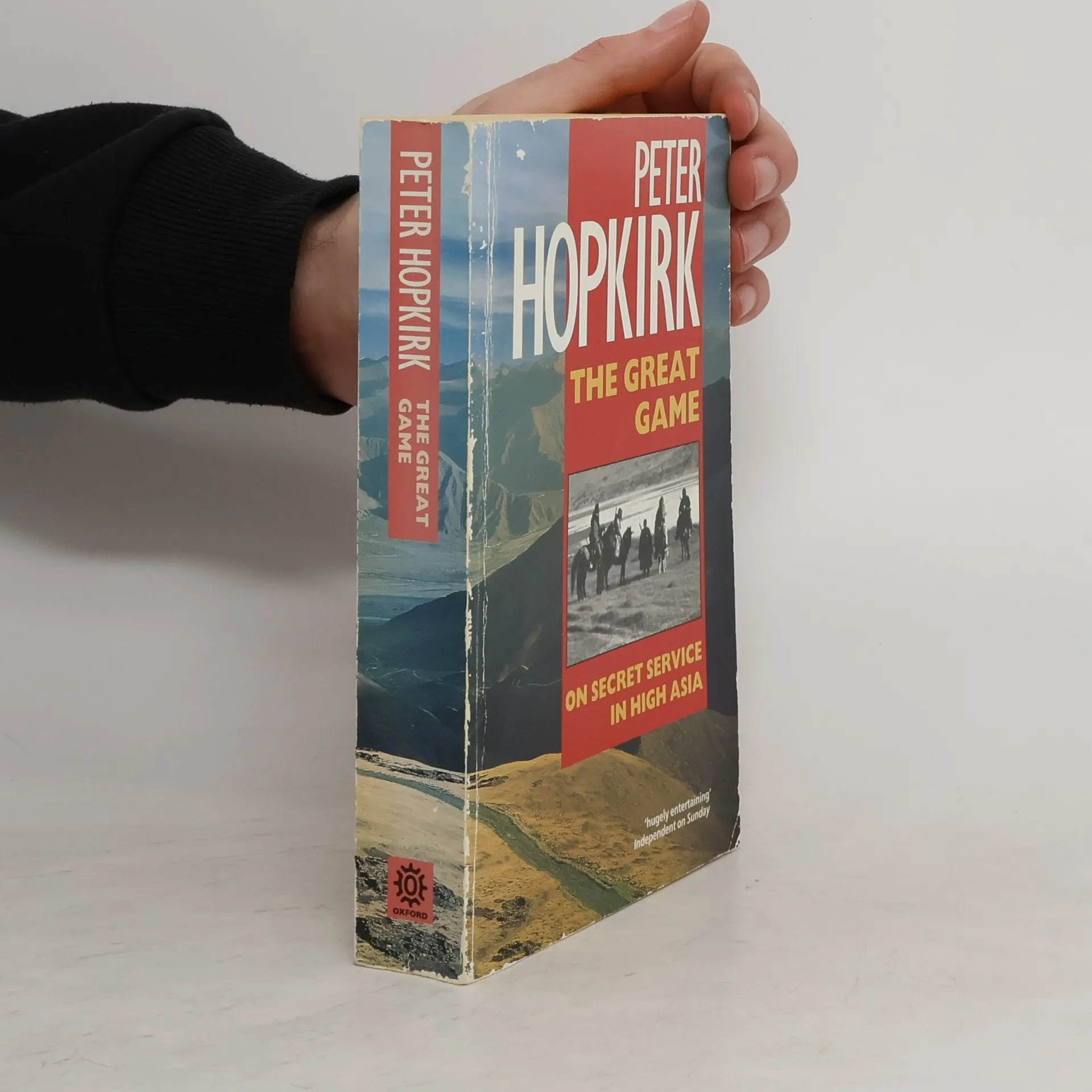
For nearly a century the two most powerful nations on earth - Victorian Britain and Tsarist Russia - fought a secret war in the lonely passes and deserts of Central Asia. Those engaged in this shadowy struggle called it 'The Great Game', a phrase immortalized in Kipling's Kim. When play first began the two rival empires lay nearly 2,000 miles apart. By the end, some Russian outposts were within 20 miles of India.This book tells the story of the Great Game through the exploits of the young officers, both British and Russian, who risked their lives playing it. Disguised as holy men or native horsetraders, they mapped secret passes, gathered intelligence, and sought the allegiance of powerful khans. Some never returned.
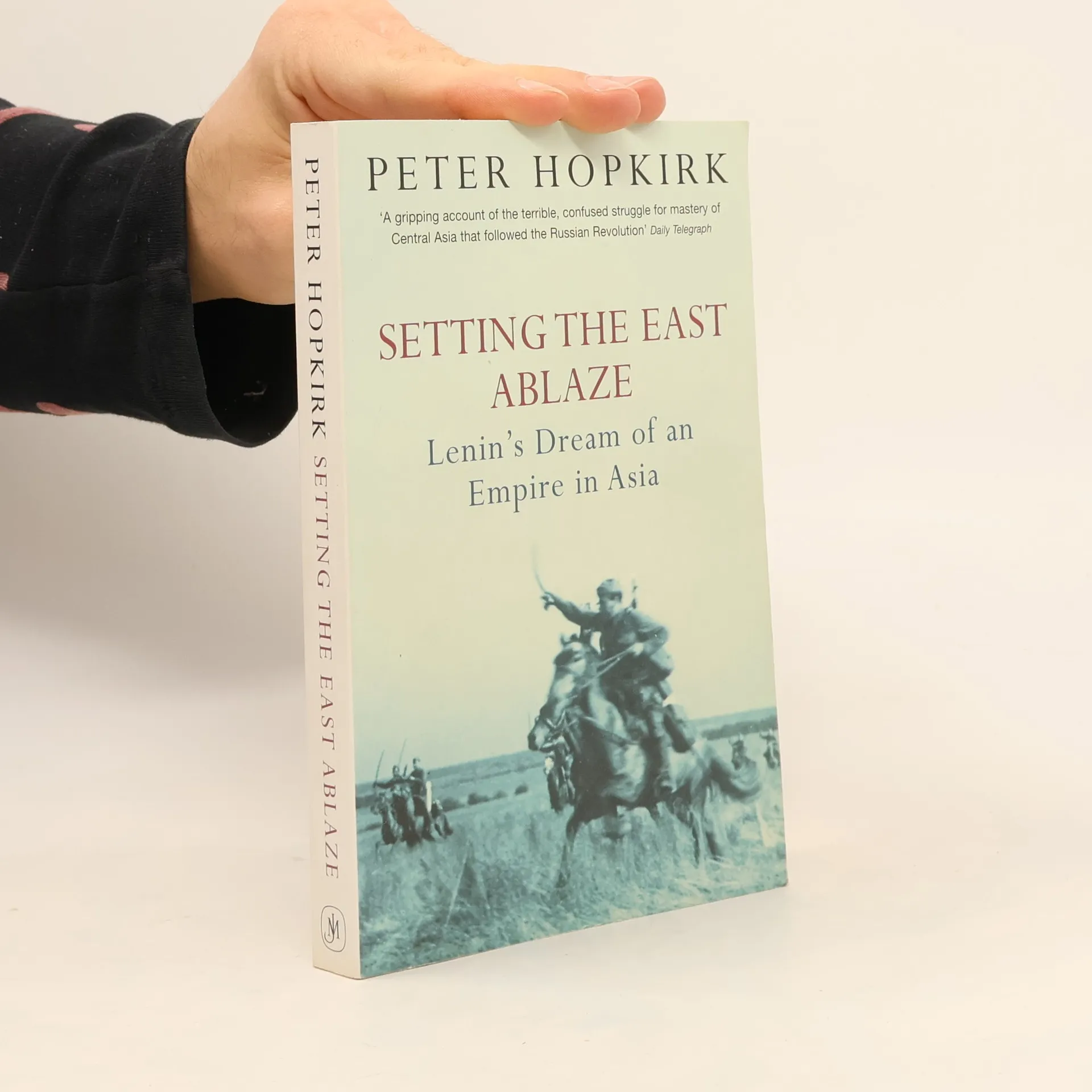
'A gripping account of the terrible, confused struggle for mastery of Central Asia that followed the Russian Revolution' Evening Standard
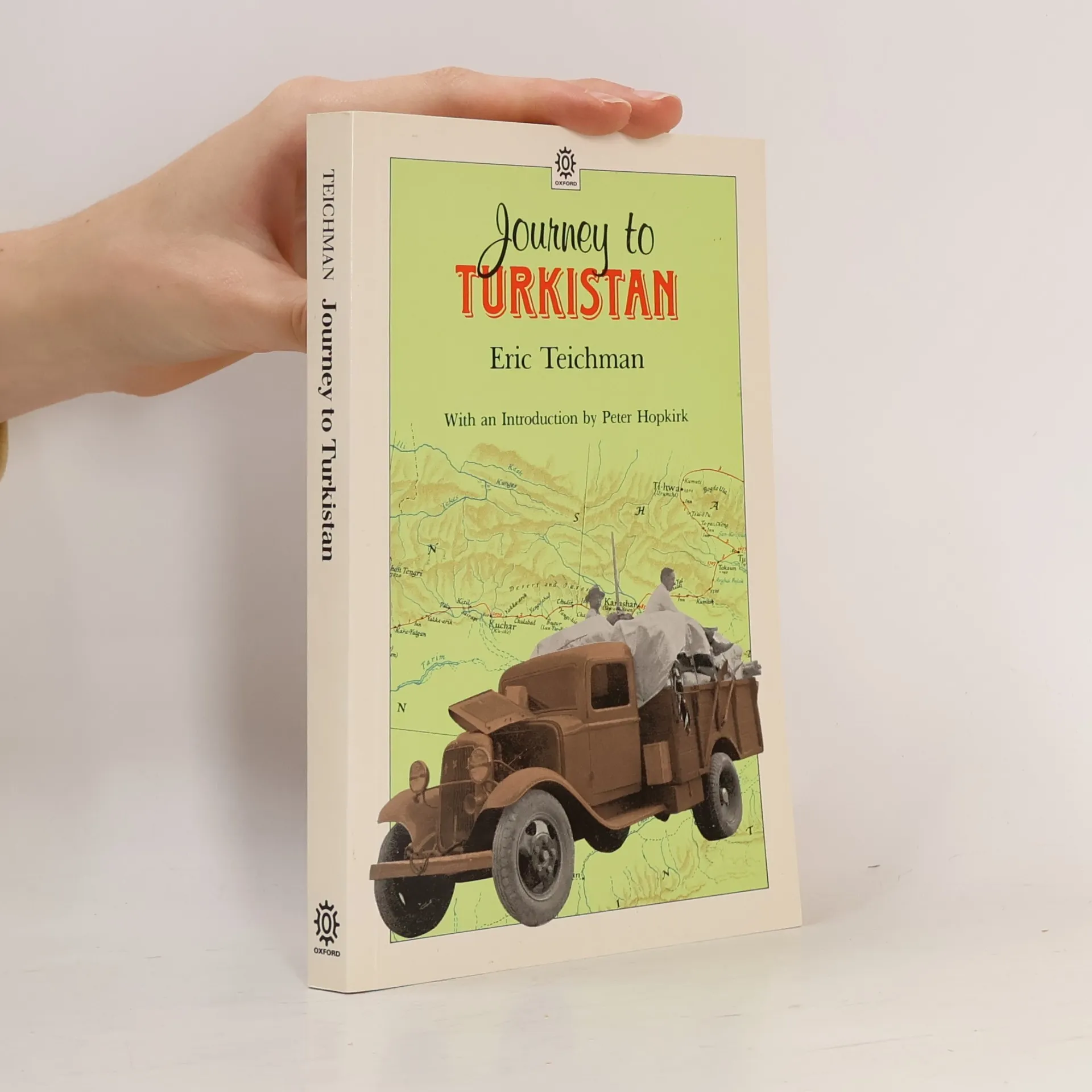
In 1933 Sir Eric Teichman and five colleagues undertook an epic journey to the Chinese province of Xinjiang in two ramshackle lorries. Their mission, to report back to the British Government on the confused situation in the Province which had been virtually taken over by the Russians - is part of the story, but the fascination of the book lies in Sir Eric's gripping account of their 2,500 mile journey, one of the pioneering feats of early motoring. This new edition includes an Introduction by Peter Hopkirk.
'A fascinating, brilliantly written book' Times Literary Supplement
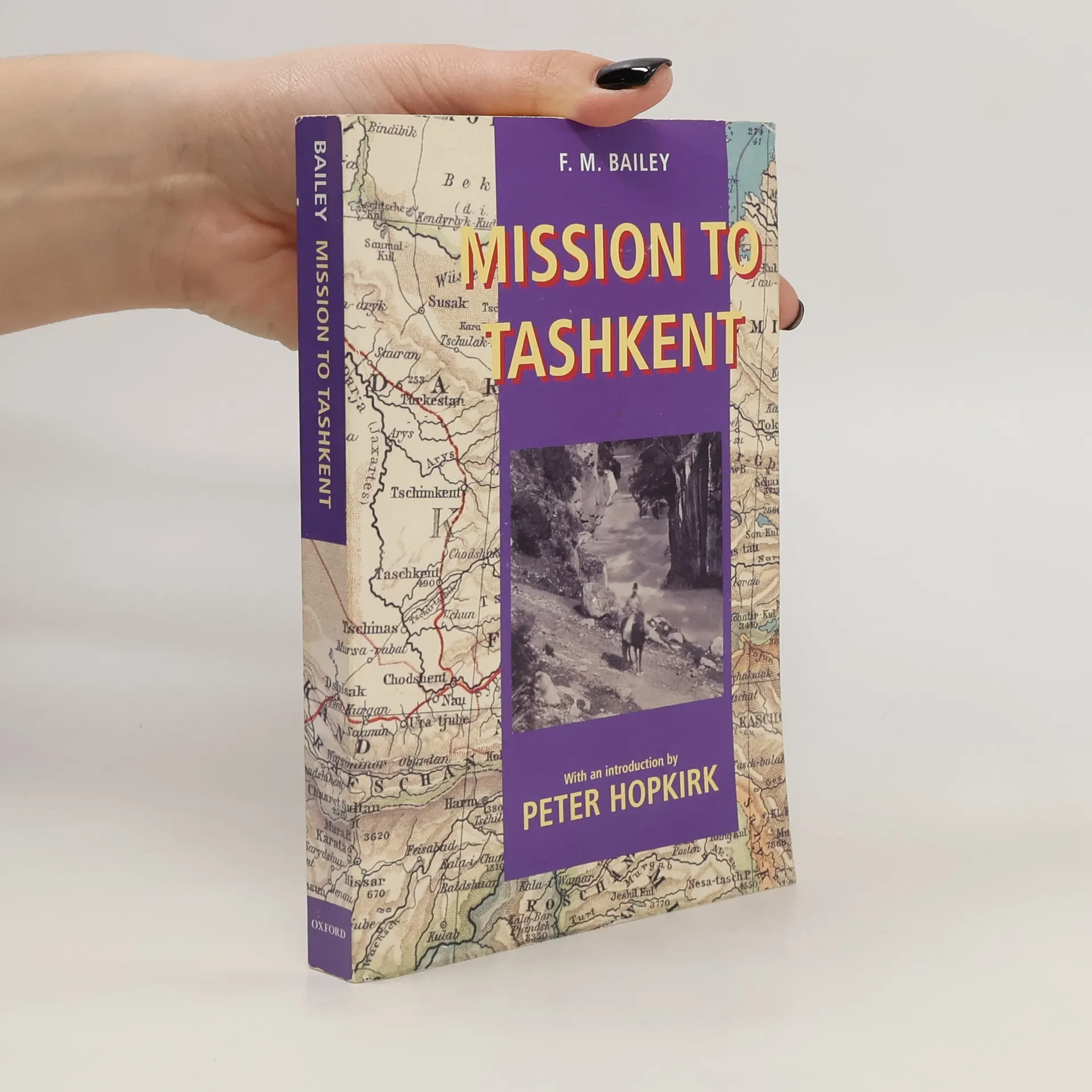
In this remarkable book Colonel F.M. Bailey, the last true player of the Great Game, tells of the perilous game of cat-and-mouse, lasting sixteen months, which he played with the Bolshevik secret police, the dreaded Cheka.
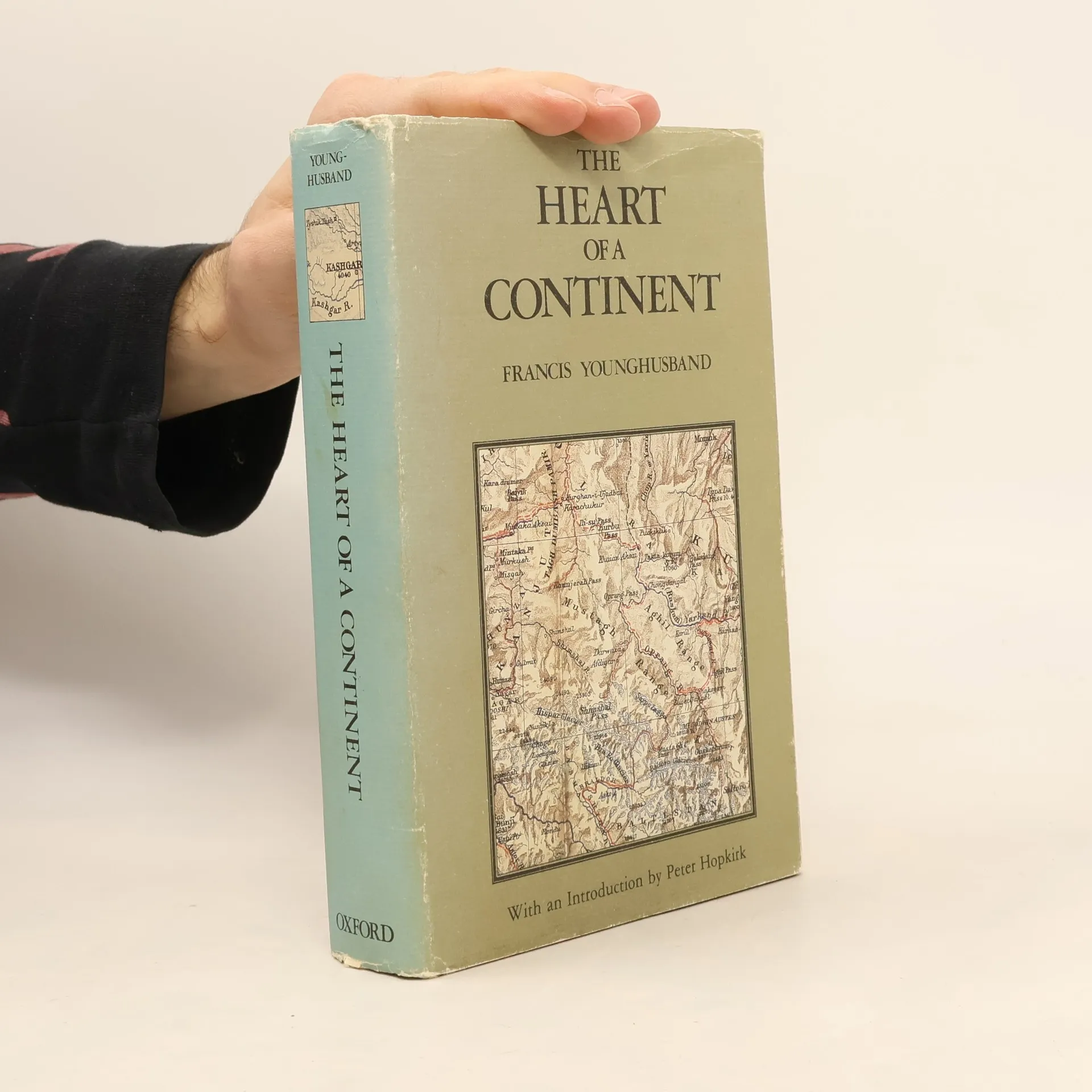
A Narrative of Travels in Manchuria, Across the Gobi Desert, Through the Himalayas, the Pamirs and Chitral, 1884-94: With an Introduction by Peter Hopkirk (Oxford in Asia Hardback Reprints)
In 1882, Francis Younghusband was commissioned into the First King's Dragoon Guards who were then stationed in India. Younghusband soon launched into his career of exploration with two brief sorties into the Himalayas. The Heart of a Continent, first published in 1896, tells of Younghusband's journey through Manchuria and along the Silk Road into Chinese Turkistan. The narrative allows the archair traveller a vicarious enjoyment of the excitement, the hardships, and the achievements of the Great Game being played at the time in Central Asia by Russia and Great Britain.
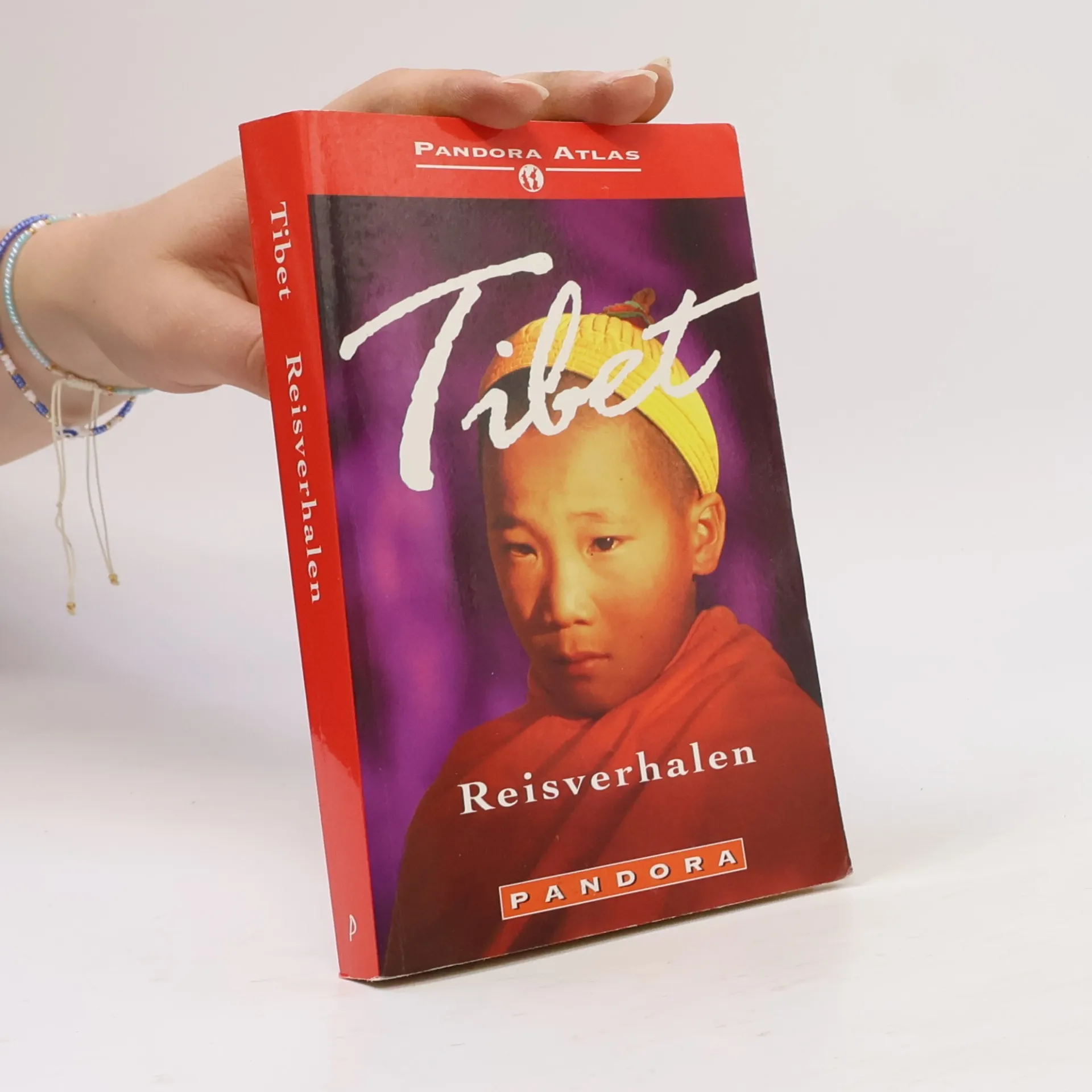
Het verboden land - Peter Hopkirk (uit: De weg naar Lhasa) Eerste avontuur - Sven Hedin (uit: Mijn leven als ontdekker) Lhasa, gewoonten en gebruiken - Ekai Kawaguchi (uit: Drie jaar in Tibet) Rovers, priesters en demonen - Alexandra David-Néel (uit: Tibet. Rovers, priesters en demonen) Lhasa zien - Heinrich Harrer (uit: Zeven jaar in Tibet) Een expeditie te paard - Michel Peissel (uit: Een barbaar in Tibet) Tibet heeft tot de verbeelding van vele reisschrijvers gesproken. Verhalen van de beste en beroemdste reizigers zijn nu in Tibet gebundeld. Alexandra David-Néel was één van de eerste vrouwen die het land bezocht; Heinrich Harrer bracht zeven jaar in Tibet door en schrijft over zijn eerste bezoek aan Lhasa, de hoofdstad; Sven Hedin beschrijft een huiveringwekkende tocht door de afgelegen hoogvlakten; Peter Hopkirk vertelt meer over de geschiedenis van Tibet en de pogingen haar te doorgronden; Ekai Kawaguchi, een Japanse boeddhistische monnik die zich vermomde als Chinese arts, ontsluiert als geen ander de gewoonten en gebruiken van de bevolking; Michel Peissel reist tot slot te paard door het woeste landschap, op zoek naar de oorsprong van de Mekong.
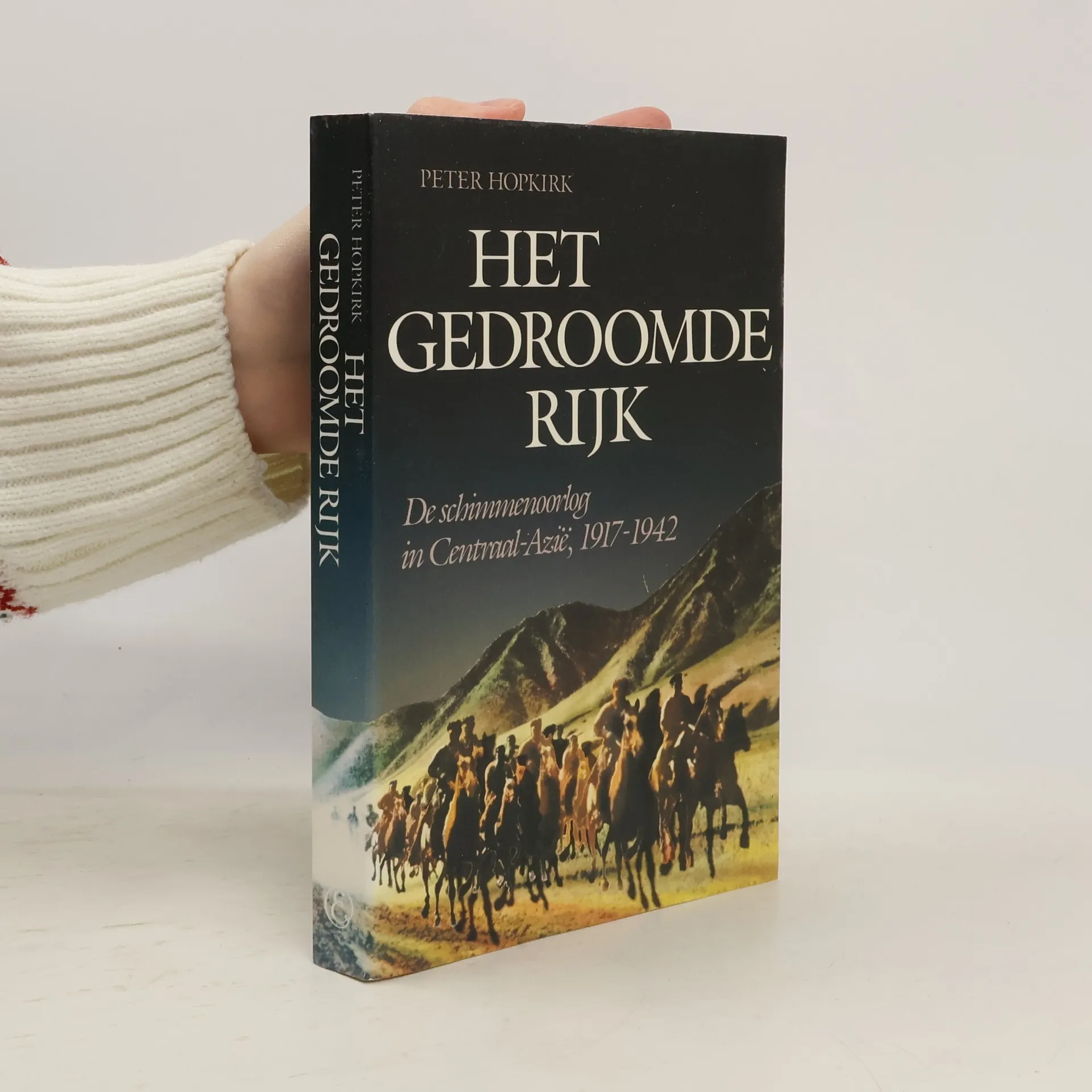
De politieke intriges van Engeland, Rusland en China na 1917 in Chinees en Russisch Turkestan.