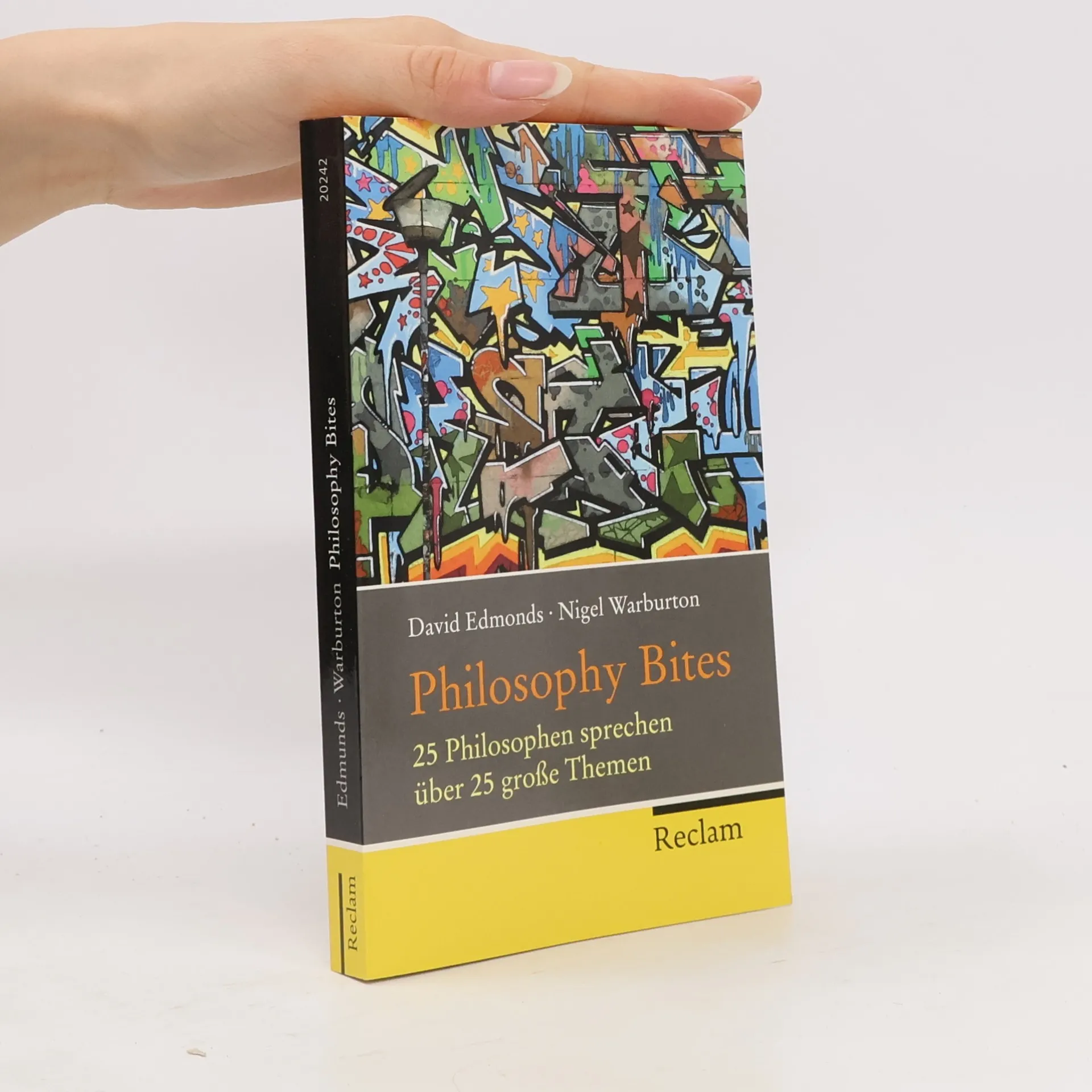
Dieses Buch begann als Serie von podcast-Interviews im Internet: Aus weit über hundert Gesprächen zu einem bestimmten Thema mit jeweils einem großen Philosophen wurden die fünfundzwanzig besten Dialoge ausgewählt - entstanden ist so eine Einführung in die Philosophie der etwas anderen Art. In lockerer Form werden grundlegende Themen der Philosophie behandelt: Toleranz, wissenschaftlicher Realismus, Geist und Körper, Zeit und Unendlichkeit, Skeptizismus, Relativismus, Freundschaft und Politik, der Sinn des Lebens, das Problem des Bösen. Gesprächspartner von Edmonds und Warburton sind u. a. Simon Blackburn, Don Cupitt, Stephen Law, David Papineau, Michael Sandel, Peter Singer, Barry Stroud oder Tzvetan Todorov.
Nigel Warburton Reihenfolge der Bücher (Chronologisch)
Nigel Warburton widmet sich der Popularisierung der Philosophie und führt Leser auf zugängliche und fesselnde Weise durch komplexe Ideen. Seine Arbeit konzentriert sich darauf, philosophische Konzepte einem breiten Publikum zugänglich zu machen und zum Nachdenken über grundlegende existenziolle Fragen anzuregen. Durch seine Schriften und Podcasts bemüht sich Warburton zu zeigen, wie Philosophie unser tägliches Leben bereichern und uns helfen kann, die Welt um uns herum besser zu verstehen. Er wird für seine Fähigkeit geschätzt, komplexe philosophische Argumente in verdauliche Formen zu destillieren und so neuen Lesergenerationen die Tür zu diesem Fachgebiet zu öffnen.


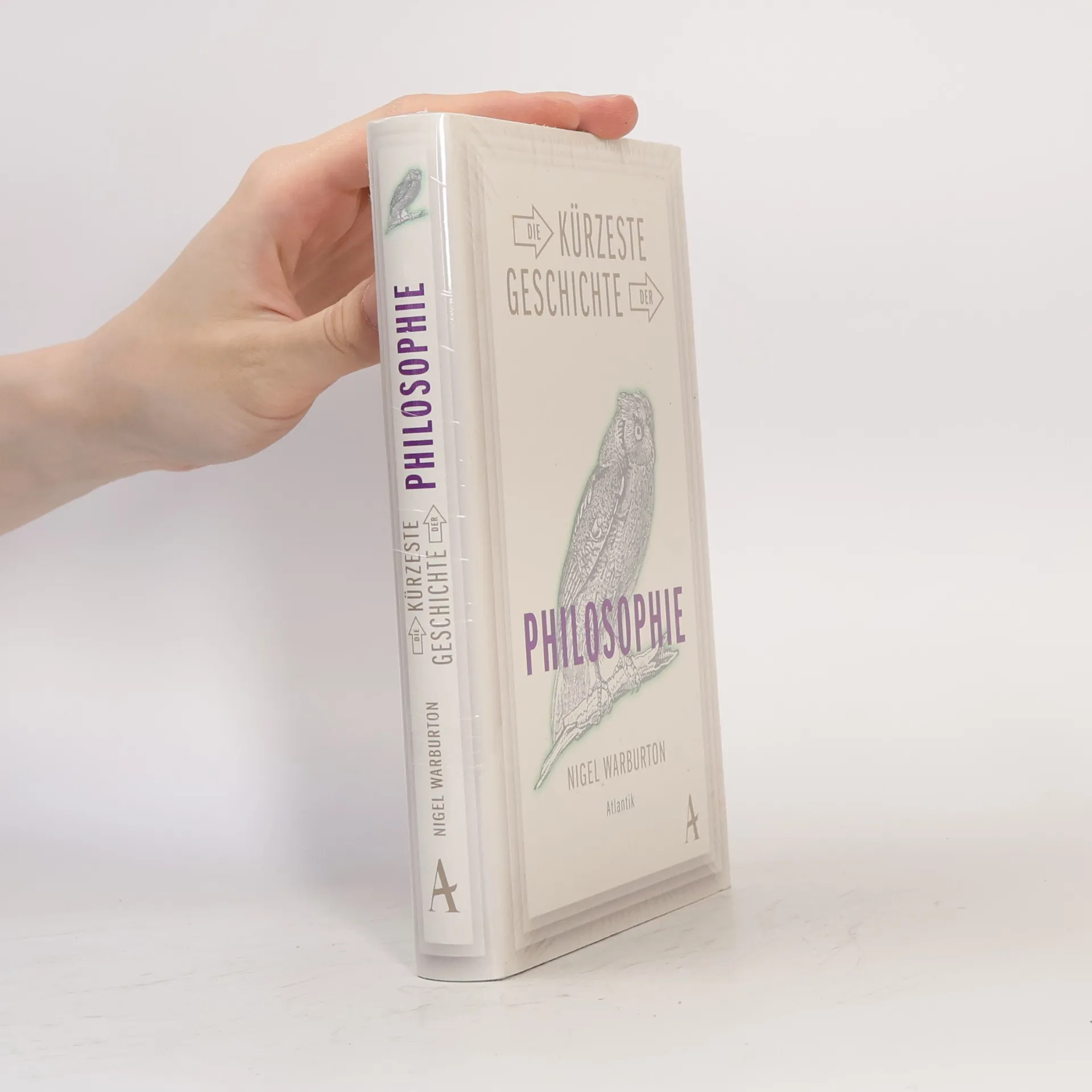
Von Sokrates über Leibniz bis hin zu Wittgenstein. Die großen philosophischen Fragen schnell und verständlich erklärt.Gibt es einen Gott, und wenn ja, warum lässt er Unrecht zu? Ist uns ein freier Wille gegeben oder nicht? Und ist der Mensch von Natur aus gut oder schlecht? In vierzig Kapiteln fasst Nigel Warburton 2400 Jahre Philosophiegeschichte zusammen. Er erklärt kurz, prägnant und verständlich die wesentlichen Theorien und Ideen der großen Denker und lädt zum Nachdenken, Streiten und Fragen ein.
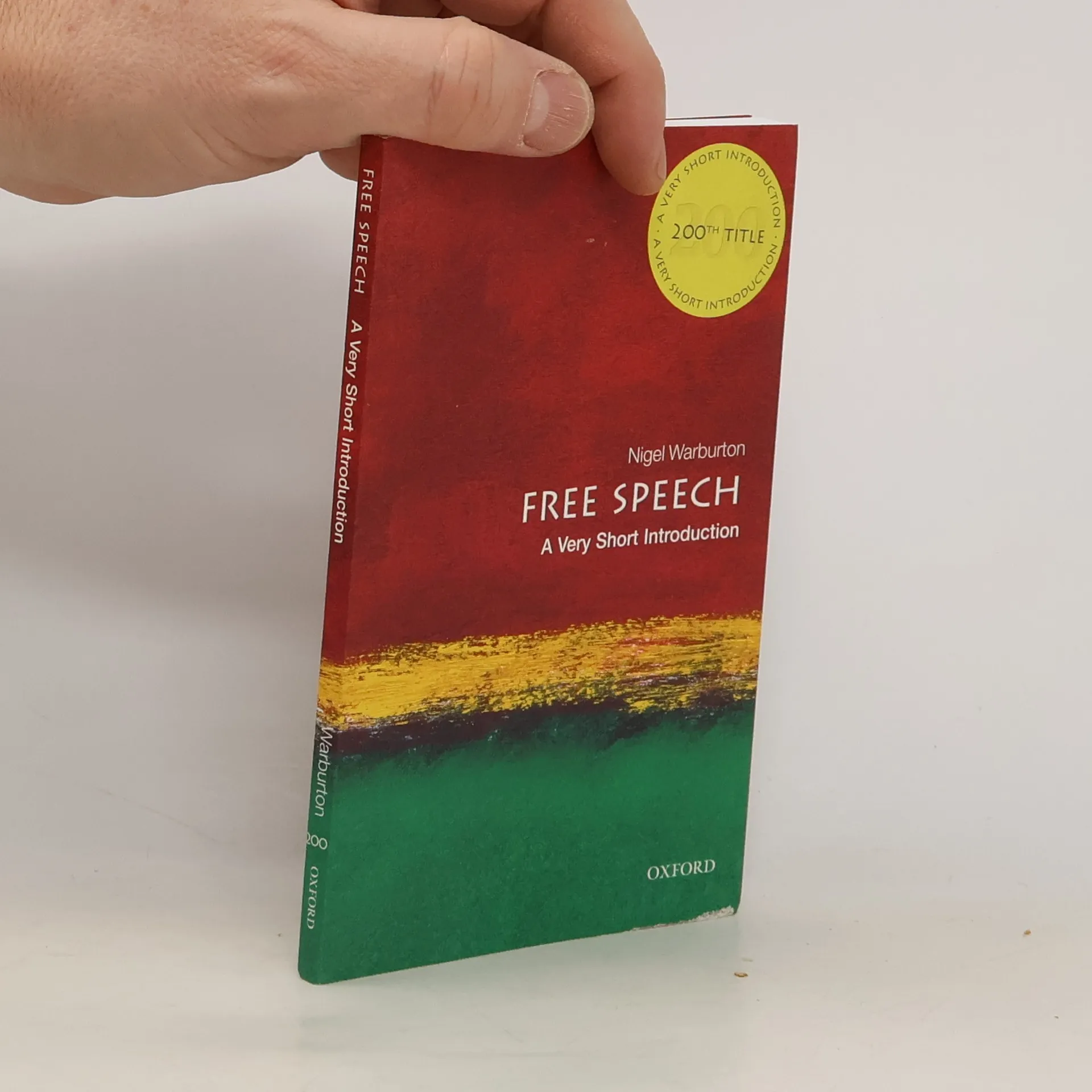
Free Speech: A Very Short Introduction
- 115 Seiten
- 5 Lesestunden
How important is free speech? Should it be defended at any cost? Or should we set limits on what can and cannot be said? This Very Short Introduction offers a lively and thought-provoking guide to these questions, exploring both the traditional philosophical arguments as well as the practical issues and controversies facing society today.
Bevezetés a filozófiába
- 197 Seiten
- 7 Lesestunden
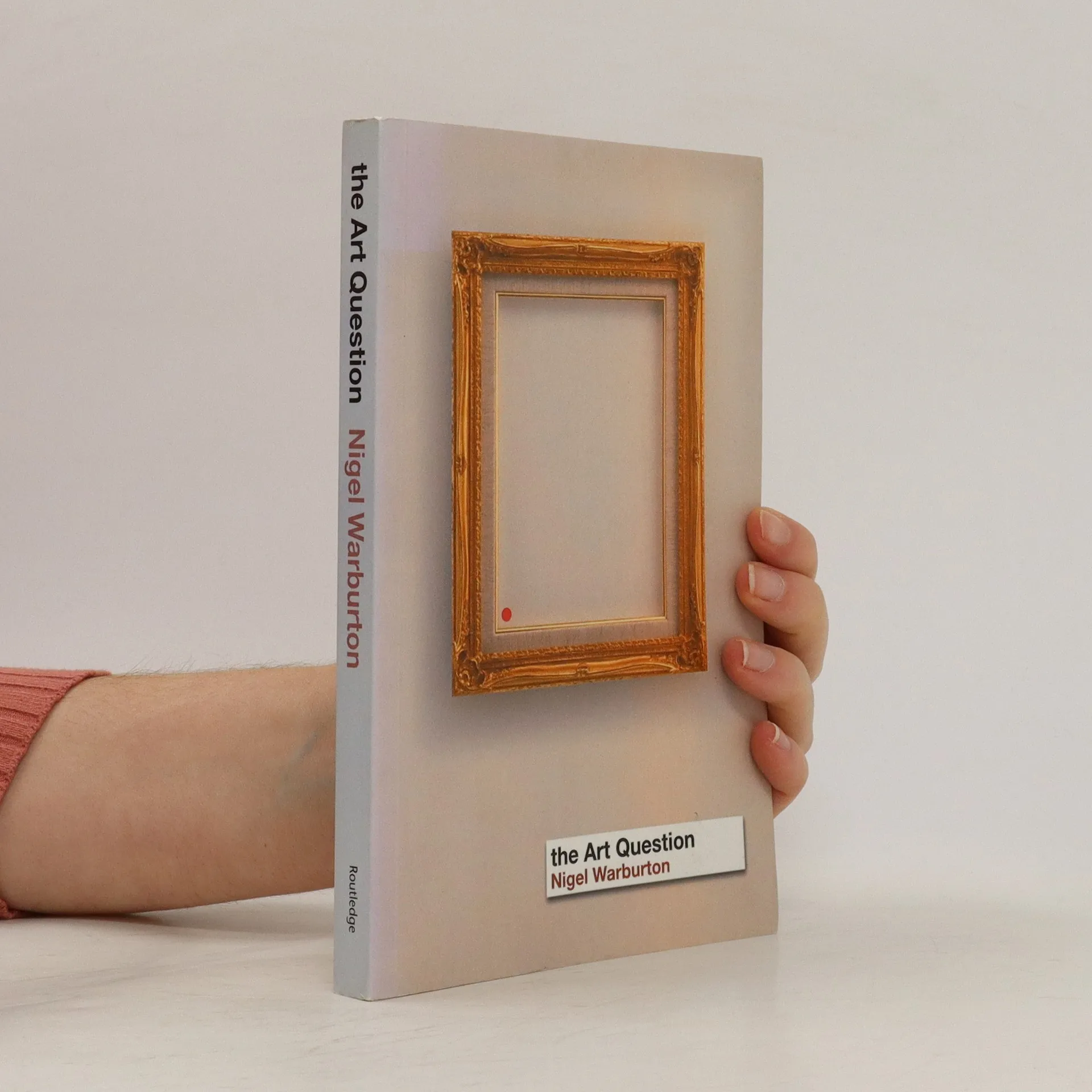
The art question
- 160 Seiten
- 6 Lesestunden
If an artist sends a live peacock to an exhibition, is it art?'What is art?' is a question many of us want answered but are too afraid to ask. It is the very question that Nigel Warburton demystifies in this brilliant and accessible little book. With the help of varied illustrations and photographs, from Cézanne and Francis Bacon to Andy Warhol and Damien Hirst, best-selling author Warburton brings a philosopher's eye to art in a refreshing jargon-free style.With customary clarity, he explains art theories, that are much discussed but little understood, by thinkers such as Clive Bell, R.G Collingwood and Wittgenstein. He illuminates other perplexing problems in art, such as the artist's intention, representation and emotion. Drawing on photographs of Cindy Sherman and Tiananmen Square, Warburton shows that, if we are ever to answer the art question, we must consider each work of art on its own terms.A stimulating and handy guide through the art maze, The Art Question is essential reading for anyone interested in art, philosophy or those who simply like looking at and thinking about pictures.
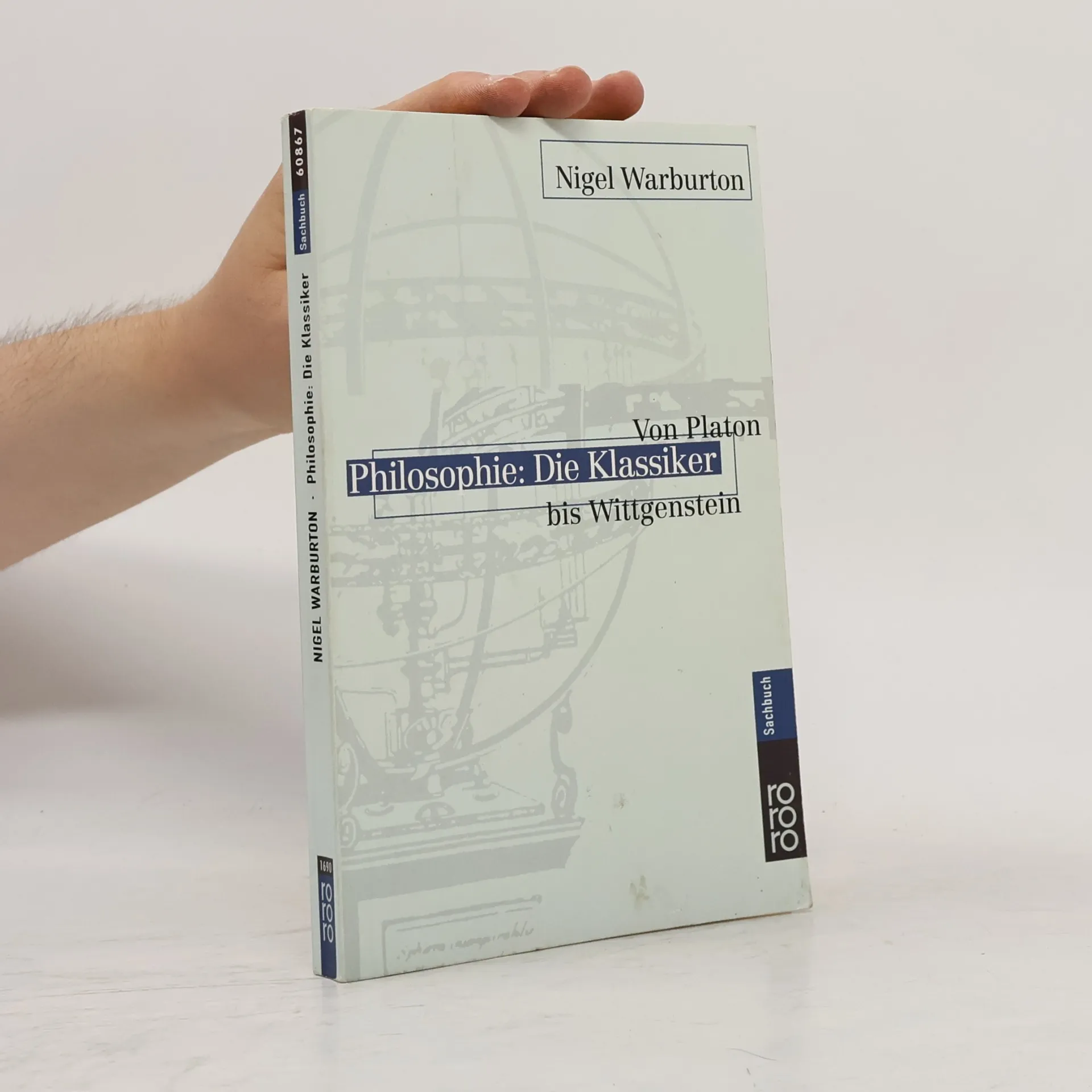
Philosophie: die Klassiker
- 253 Seiten
- 9 Lesestunden
With 'Thinking from A to Z', Nigel Warburton presents an alphabetically arranged guide to help readers understand the art of arguing. This fully updated edition has many new entries including lawyer's answer, least worst option, stonewalling, sunk-cost fallacy and tautology.
Philosophy: The Basics
- 182 Seiten
- 7 Lesestunden
Philosophy: The Basics gently eases the reader into the world of philosophy. Each chapter considers a key area of philosophy, explaining and exploring the ways in which philosophy addresses key questions.
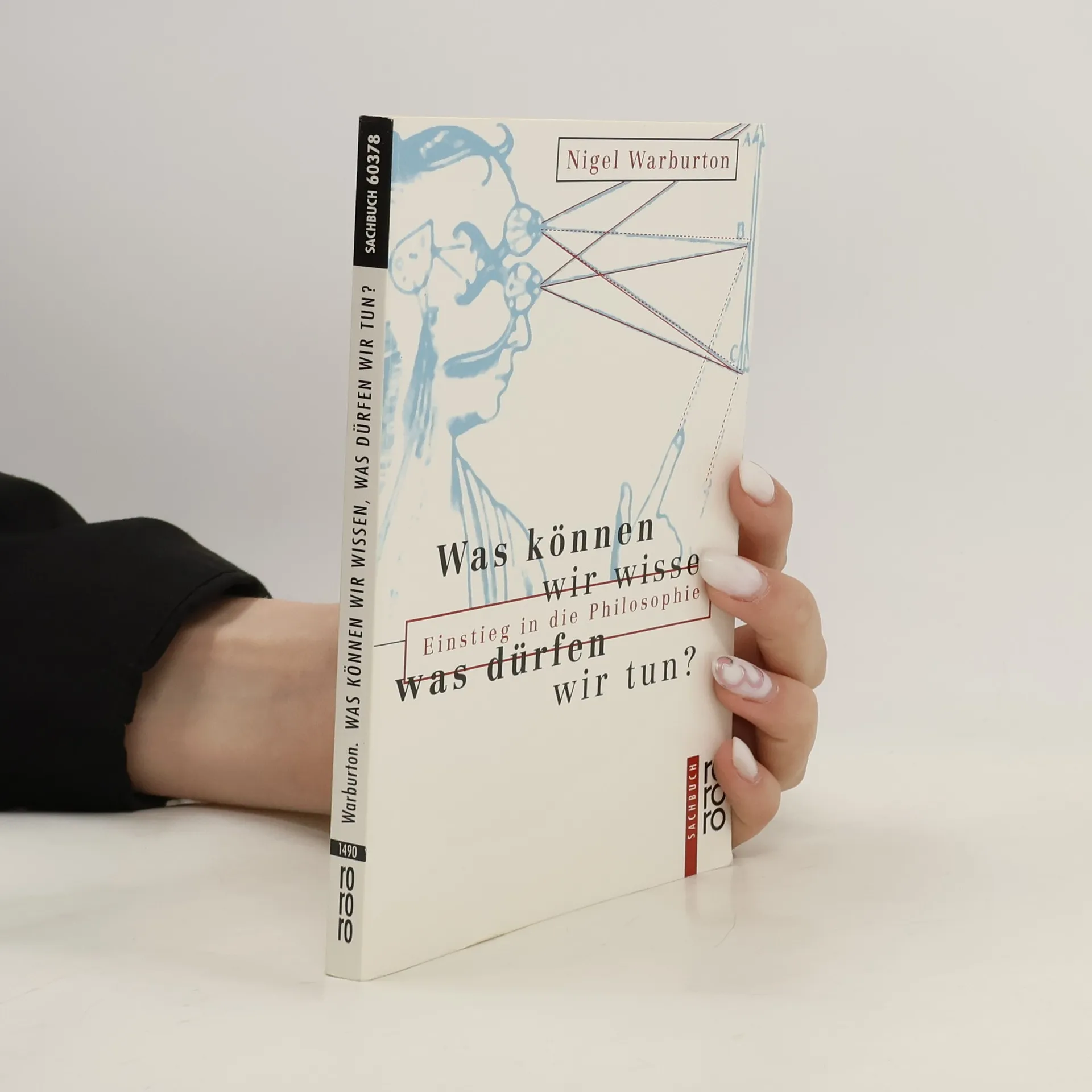
Im Mittelpunkt dieses Bandes steht die FRage: „Warum soll man sich mit Philosophie beschäftigen?“ In sieben Kapiteln werden Antworten gegeben zu den Themenbereichen Gott, Recht und Unrecht, Politik, Außenwelt, Wissenschaft, Geist und Kunst. Das besondere an diesem Crash-Kurs liegt darin, daß nach den jeweils knappen Überblicken die wichtigsten Gründe genannt werden, die für und gegen die angeführten Lehrmeinungen sprechen.