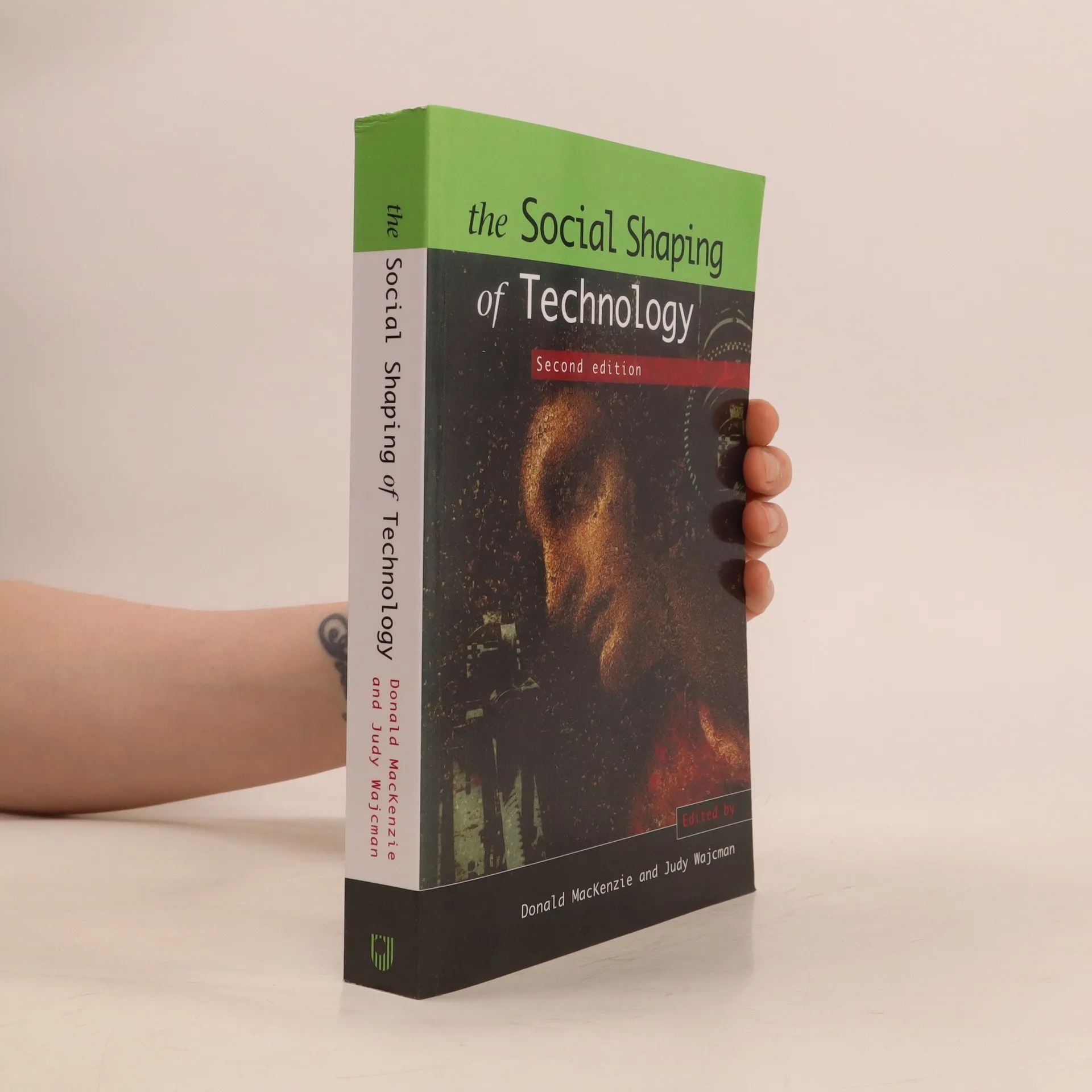





Technological change is often seen as something that follows its own logic - something we may welcome, or about which we may protest, but which we are unable to alter fundamentally. This reader challenges that assumption and its distinguished contributors demonstrate that technology is affected at a fundamental level by the social context in which it develops. General arguments are introduced about the relation of technology to society and different types of technology are examined: the technology of production; domestic and reproductive technology; and military technology.
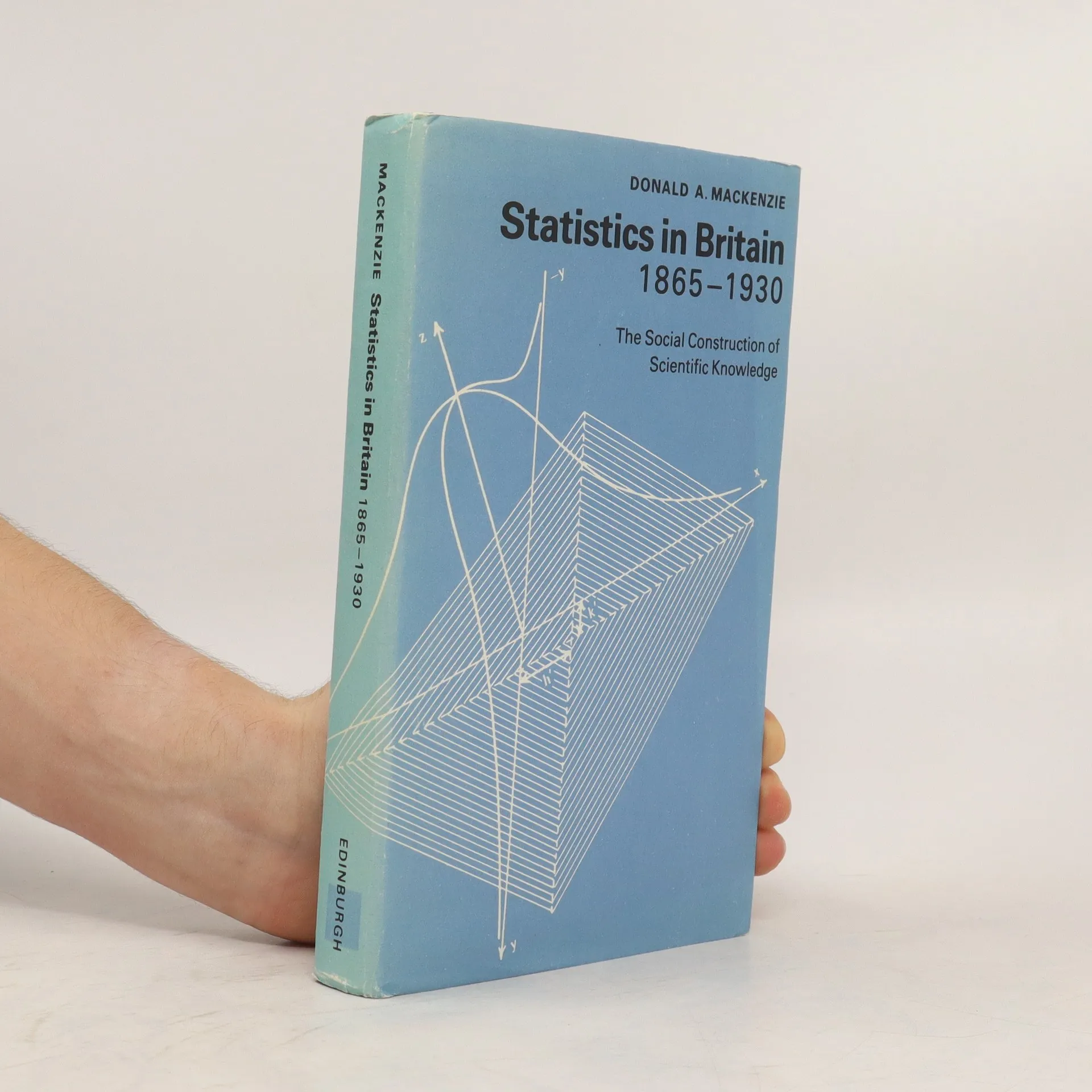
This rigorous and well-documented book makes a powerful and fascinating contribution to the history and sociology of Science. Its subject is the crucial period in the development of the modern theory of statistics, when the 'British School' - like Galton, Pearson, Fisher, Yule, and Gosset - turned the embryonic discipline into an established and important scientific field, introducing such concepts as regression, correlation, chi-square testing, t-test, and method of maximum likelihood. It contributes to Sociology also, because Galton to Galton, Pearson and Fisher, all convinced eugenists, statistical theory and method was envisaged as an instrument for social change. Eugenics is shown to have played an important role in motivating their work, thus reflecting the interests of the professional middle class in late Victorian and Edwardian Britain. This is given special consideration in the light of the famous controversy between the 'Biometric School' and the Mendelians.
This volume deals with the myths and legends of India, which survive to us in the rich and abundant store-house of Sanskrit literature, and with the rise and growth of Brahmanism, Buddhism, Jainism, &c. The reader is introduced to the various sacred works of the Hindus, including the ancient invocatory hymns of the four Vedas, the later speculative and expository "Forest Books" in which "the Absolute is grasped and proclaimed", and those great epic poems the Rámáyana, which is three times longer than the Iliad, and the Máhábharata, which is four times longer than the Rámáyana. In no other country have the national poets given fuller and finer expression to the beliefs and ideals and traditions of a people, or achieved as a result wider and more enduring fame. At the present day over two hundred million Hindus are familiar in varying degrees with the legendary themes and traditional beliefs which the ancient forest sages and poets of India invested with much beautiful symbolism, and used as mediums for speculative thought and profound spiritual teachings. The sacred books of India are to the Hindus what the Bible is to Christians. Those who read them, or hear them read, are believed to be assured of prosperity in this world and of salvation in the next. To students of history, of ethnology, and of comparative religion they present features of peculiar interest, for they contain an elaborate sociology of the ancient Aryo-Indians, their political organizations, their codes of laws, their high ethical code, and above all their conceptions of God, the soul, and the Universe. Some knowledge of them is necessary for those who desire to approach with sympathy the investigation of the religious beliefs of our Hindu fellow men and to understand their outlook upon life and the world.
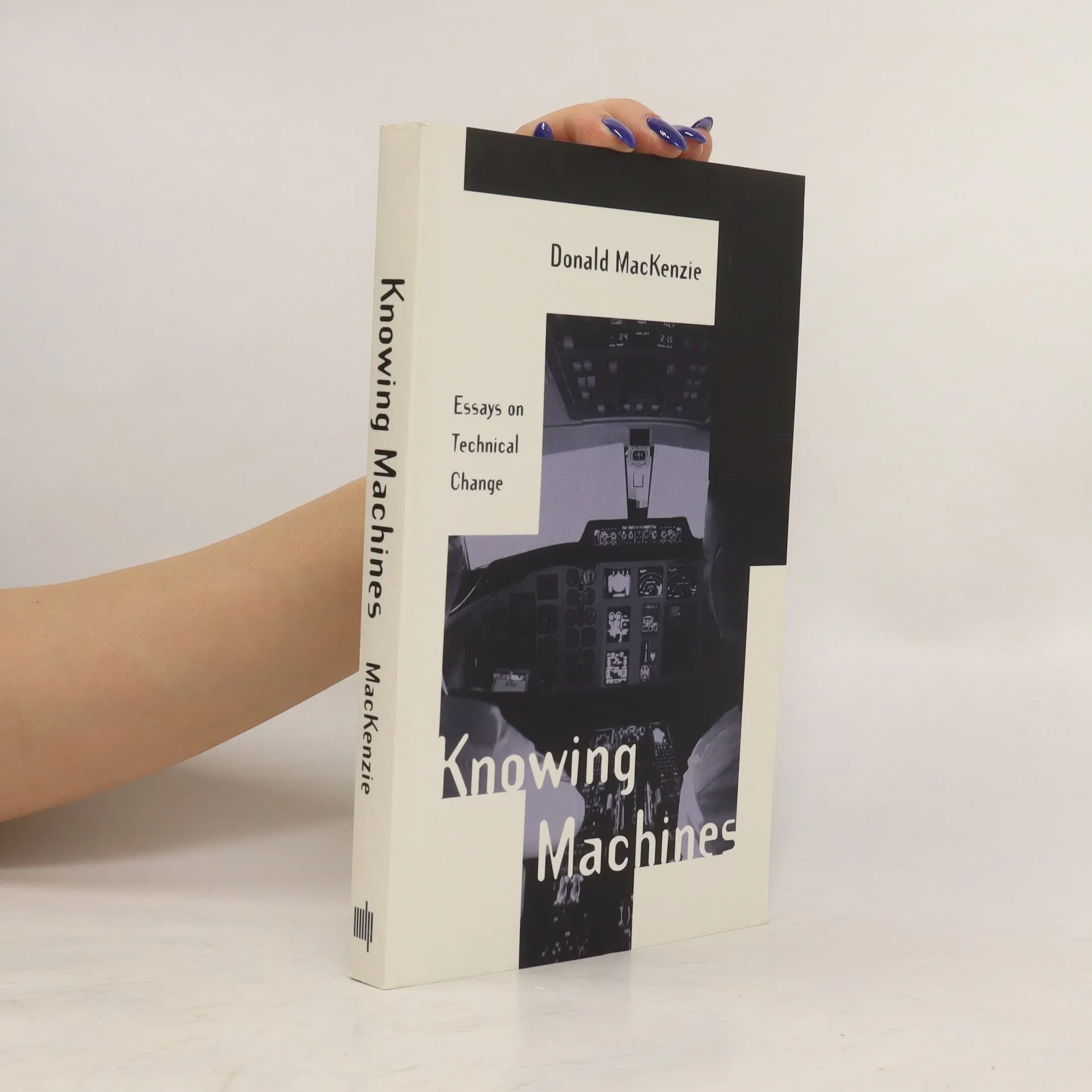
Ranging from broad inquiries into the roles of economics and sociology in the explanation of technological change to an argument for the possibility of "uninventing" nuclear weapons, this selection of Donald MacKenzie's essays provides a solid introduction to the style and the substance of the sociology of technology. The essays are tied together by their explorations of connections (primarily among technology, society, and knowledge) and by their general focus on modern "high" technology. They also share an emphasis on the complexity of technological formation and fixation and on the role of belief (especially self-validating belief) in technological change. Two of the articles won major prizes on their original journal publication, and all but one date from 1991 or later. A substantial new introduction outlines the common themes underlying this body of work and places it in the context of recent debates in technology studies. Two conceptual essays are followed by seven empirical essays focusing on the laser gyroscopes that are central to modern aircraft navigation technology, supercomputers (with a particular emphasis on their use in the design of nuclear weapons), the application of mathematical proof in the design of computer systems, computer-related accidental deaths, and the nature of the knowledge that is needed to design a nuclear bomb.
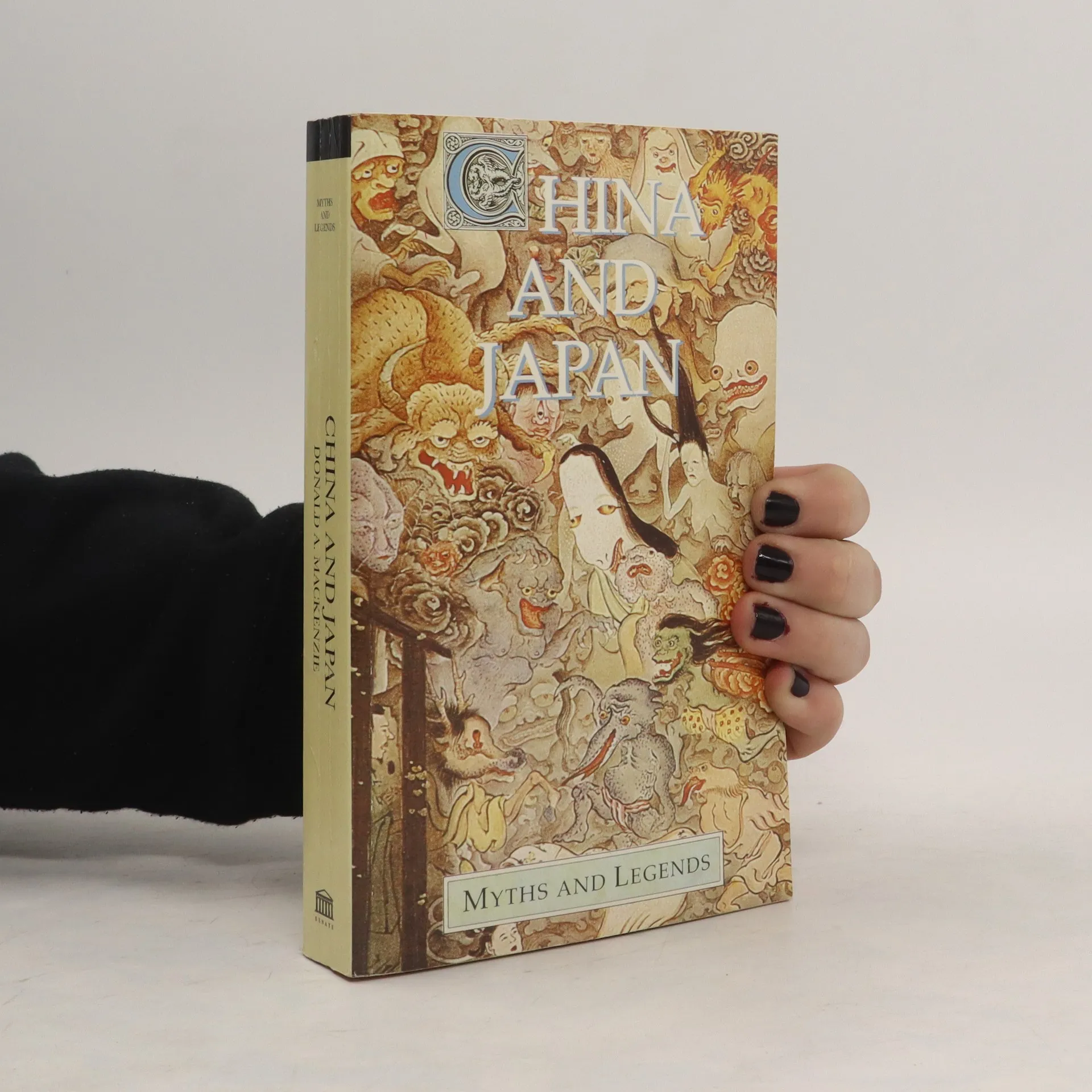
In China and Japan, author Donald McKenzie traces the origins and evolution of oriental myths, and shows how stories spread from China across to Japan. Including tales from the religions of Taoism, Confucianism, Buddhism and Shinto, McKenzie dicusses the merging of history and legend in Japan, where the Mikado (emperor) claims descent from the daughter of the Dragon King of the Ocean. Illustrated with examples of oriental art and architecture. From back cover decription
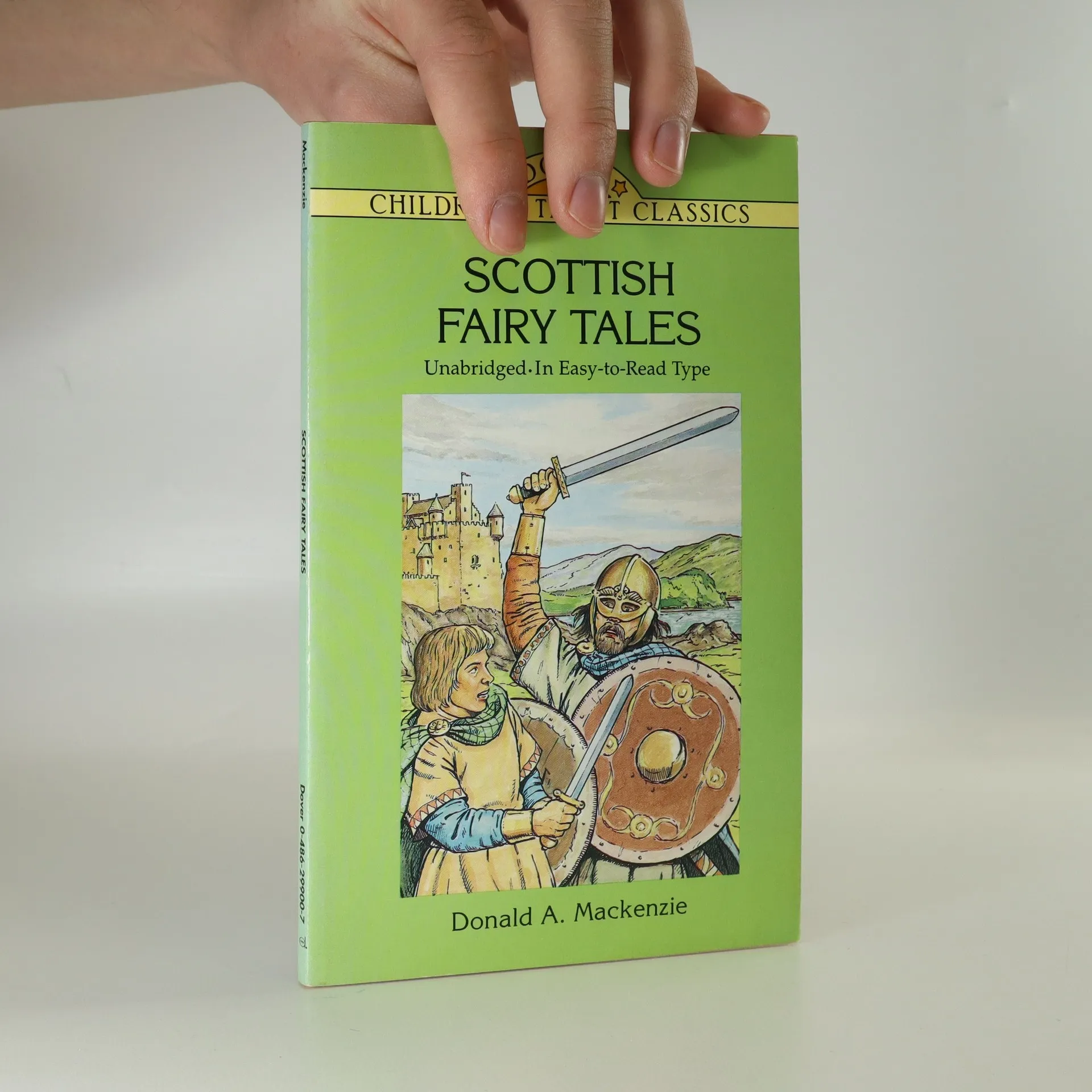
Colorful stories from ancient and modern Scottish sources will charm young readers with the deeds of mermaids, giants and other supernatural creatures. Includes "Battle of the Fairy Kings," "Conall and the Thunder Hag," "In the Kingdom of Seals," "The Maid-of-the-Wave," "The Land of Green Mountains," and many more. 34 illustrations.
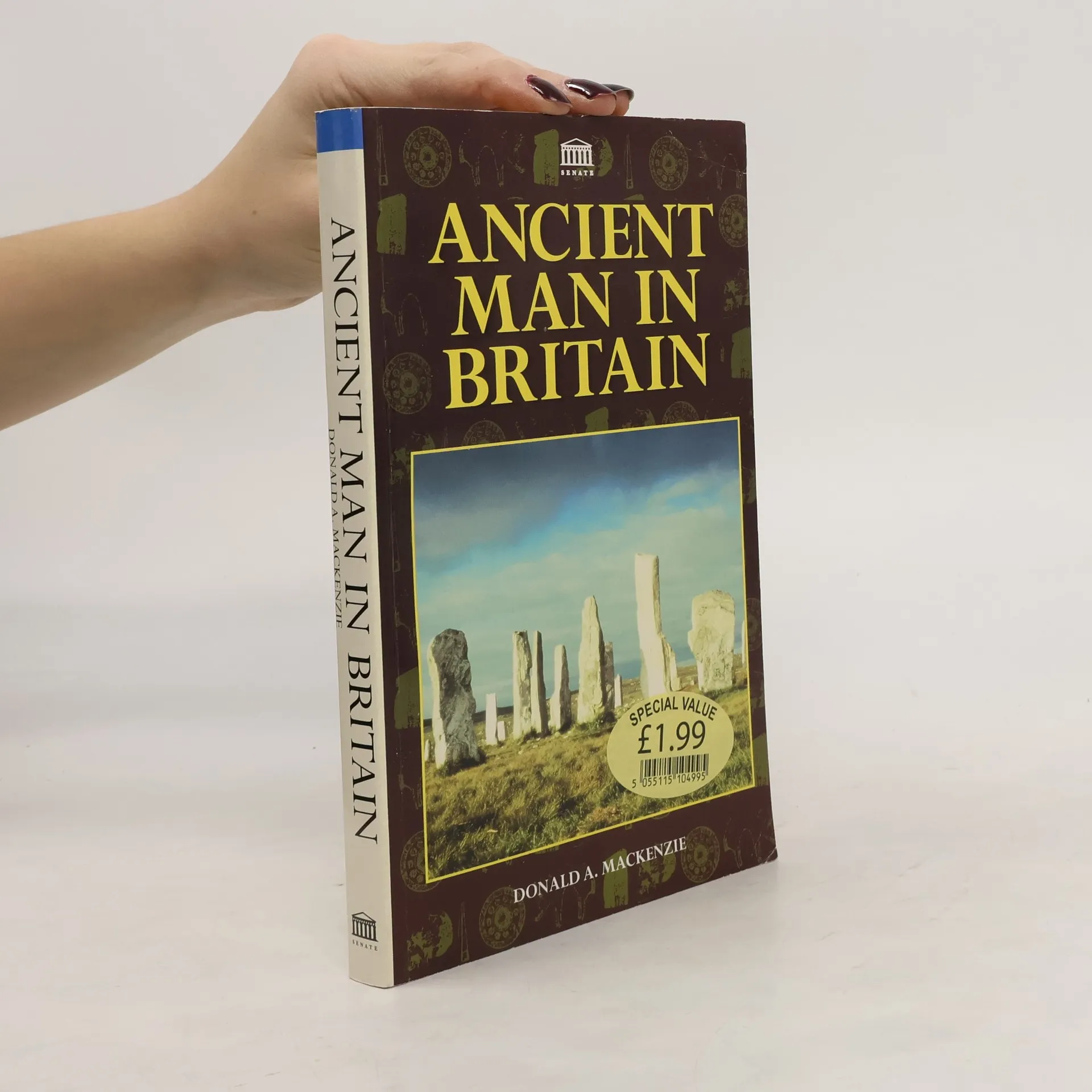
This volume deals with the history of Britain from the Ice Age till the Roman period. Evidence is gleaned from sciences usually studied apart: geology, archeology, philology, ethnology, anthropology etc. Mackenzie has set himself to tell the story of the ancients in a manner which will interest a wider circle of readers than usually reached by technical books. It hasn't been assumed that the representatives of modern humankind who 1st settled Europe were simple-minded savages. Evidence afforded by the craftsmanship, burial customs & art of the Cro-Magnon races, contemporaries of the reindeer & hairy mammoths in SW France, suggests they'd been influenced by a centre of civilization in which considerable progress had already been achieved. There's absolutely no evidence that the pioneers were lacking in intelligence or foresight. If we are to judge merely by their skeletons & the shapes and sizes of their skulls, it would appear that they were, if anything, both physically & mentally superior to average present-day inhabitants of Europe. Nor were they entirely isolated from the ancient culture area by which they had been originally influenced. Illustrated with photographs, drawings & maps.
Madrid. 21 cm. 421 p. Encuadernación en tapa blanda de editorial ilustrada. Colección 'Mitos y Leyendas'. Traductor, María Jesús Sevillano Ureta. Traducción de: India. Mitos y leyendas (M. E. Editores) .. Este libro es de segunda mano y tiene o puede tener marcas y señales de su anterior propietario. ISBN: 84-495-0154-7