



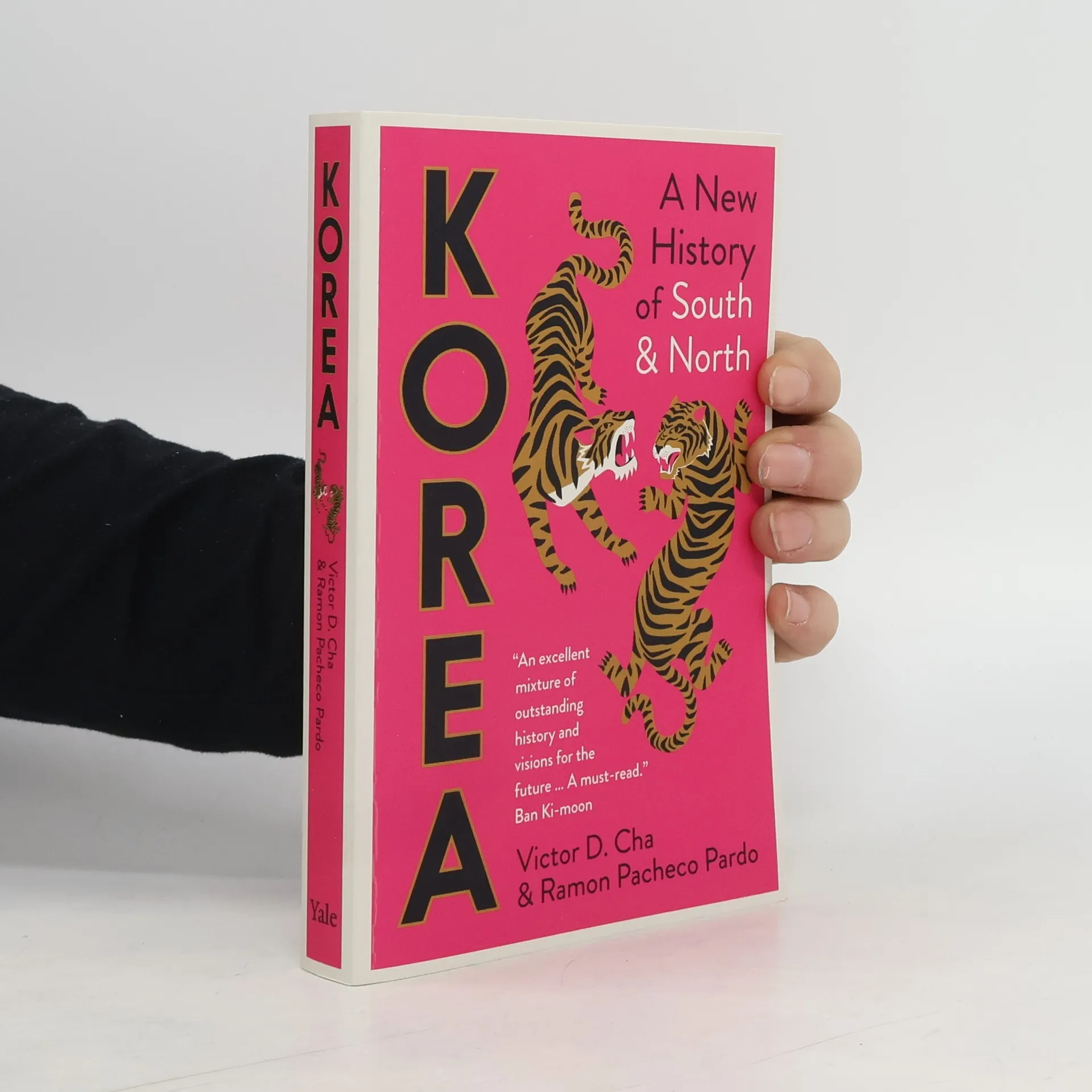
Korea
- 320 Seiten
- 12 Lesestunden
A major new history of North and South Korea, from the late nineteenth century to the present day "Cha and Pacheco Pardo have years of expertise in Korean international relations. . . . A crisp and balanced account."--Christopher Harding, The Telegraph Korea has a long, riveting history--it is also a divided nation. South Korea is a vibrant democracy, the tenth largest economy, and is home to a world-renowned culture. North Korea is ruled by the most authoritarian regime in the world, a poor country in a rich region, and is best known for the cult of personality surrounding the ruling Kim family. But both Koreas share a unique common history. Victor Cha and Ramon Pacheco Pardo draw on decades of research to explore the history of modern Korea, from the late nineteenth century, Japanese occupation, and Cold War division to the present day. A small country caught amongst the world's largest powers--including China, Japan, Russia, and the United States--Korea's fate has been closely connected to its geography and the strength of its leadership and society. This comprehensive history sheds light on the evolving identities of the two Koreas, explaining the sharp differences between North and South, and prospects for unification.