

Gratisversand in ganz Deutschland!
Bookbot

David Joselit

    Ambulance Chasers
    Heritage and Debt
    American Art Since 1945
    Art's Properties
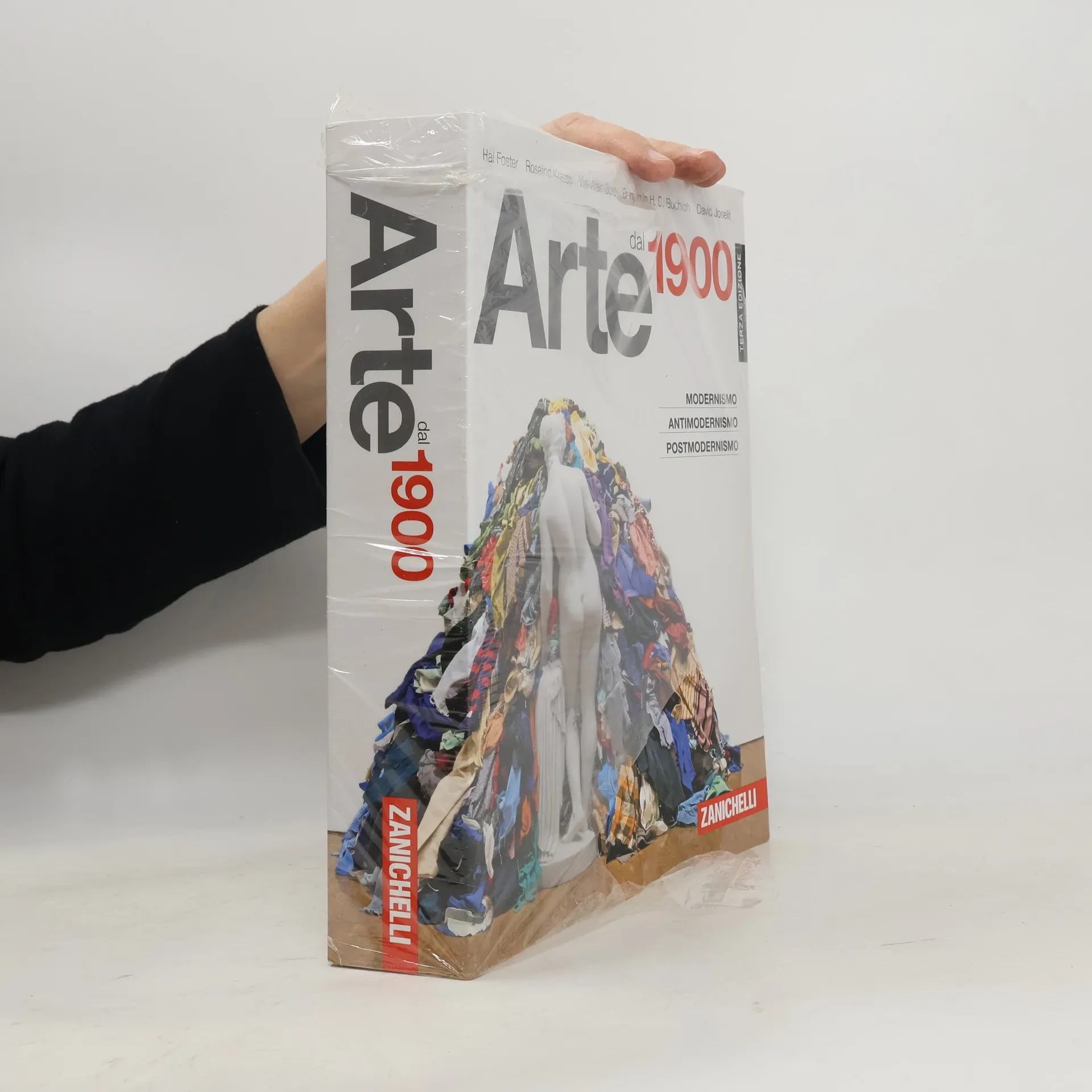
    Art since 1900 : modernism, antimodernism, postmodernism
    Francis Picabia
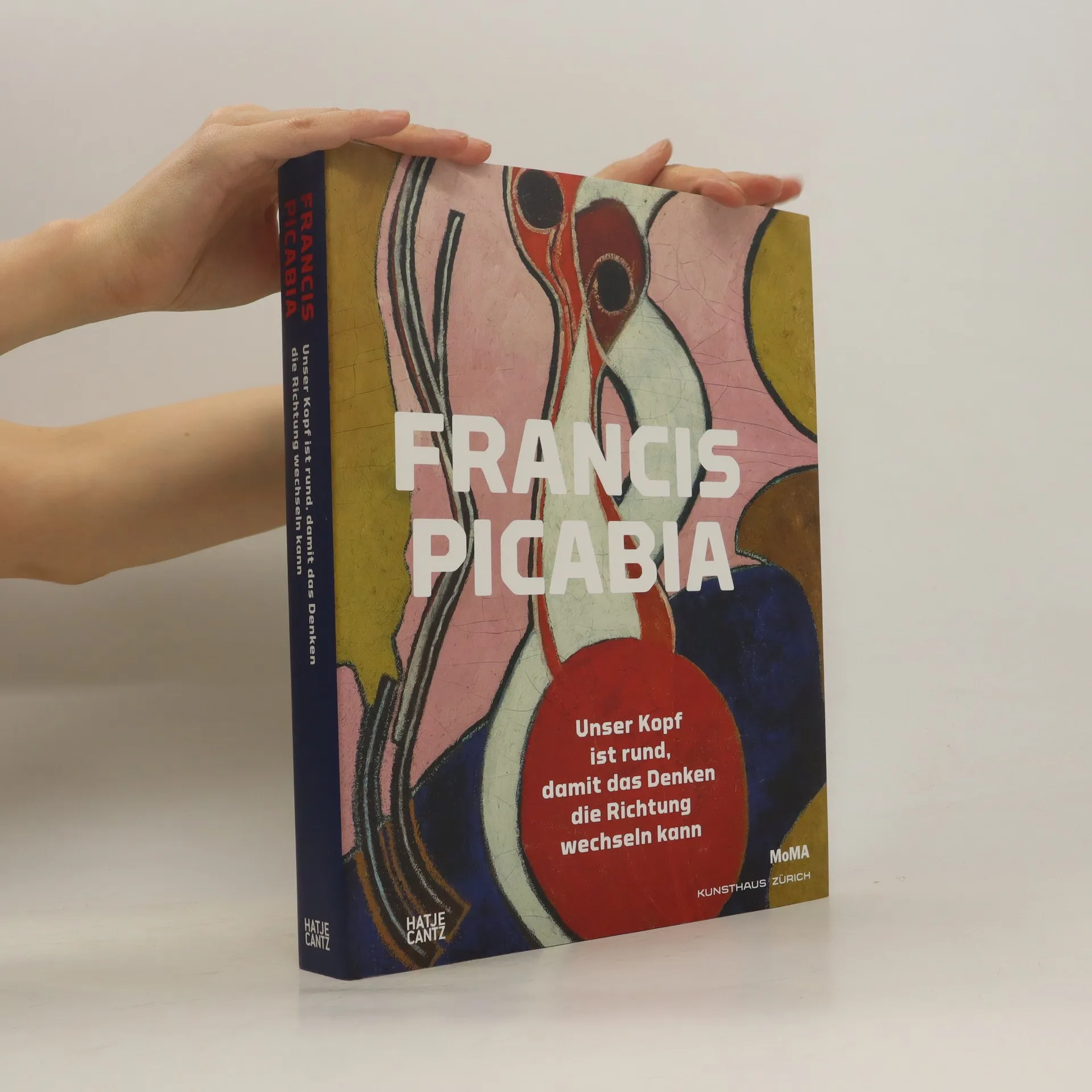
    • Francis Picabia

      • 368 Seiten
      • 13 Lesestunden

      Dada ist da! In Zürich schon immer und zum 100. Jubiläum der Bewegung in diesem Jahr erst recht. Einer der gepriesensten Protagonisten der Bewegung steht im Fokus dieser fulminanten Publikation: Francis Picabia (1879–1953), der Appropriation-Künstler, bevor es dieses Wort überhaupt gab, der schneidige Rennfahrer, Salonlöwe und Frauenheld, der den Autoritäten spottete und sich mit Chuzpe der Kunstgeschichte »annahm«. Seine Kunst erscheint wie ein Spiegelbild seiner selbst: Sie bewegt sich zwischen Kitsch und Ambition, ist exzentrisch, ironisch und exzessiv zugleich. Der Katalog umfasst Texte namhafter Autoren, die die Position Picabias in die Dada-Bewegung einordnen und seinen Beitrag zur Kunst der Moderne kritisch hinterfragen. Nicht zuletzt der opulente Abbildungsteil macht das aufwendig ausgestattete Buch zu einem Lesevergnügen mit Langzeitwirkung, weit über den Ausstellungsbesuch hinaus. Ausstellungen: Kunsthaus Zürich 3.5.–25.9.2016 | MoMA, New York 20.11.2016–19.3.2017
      Francis Picabia
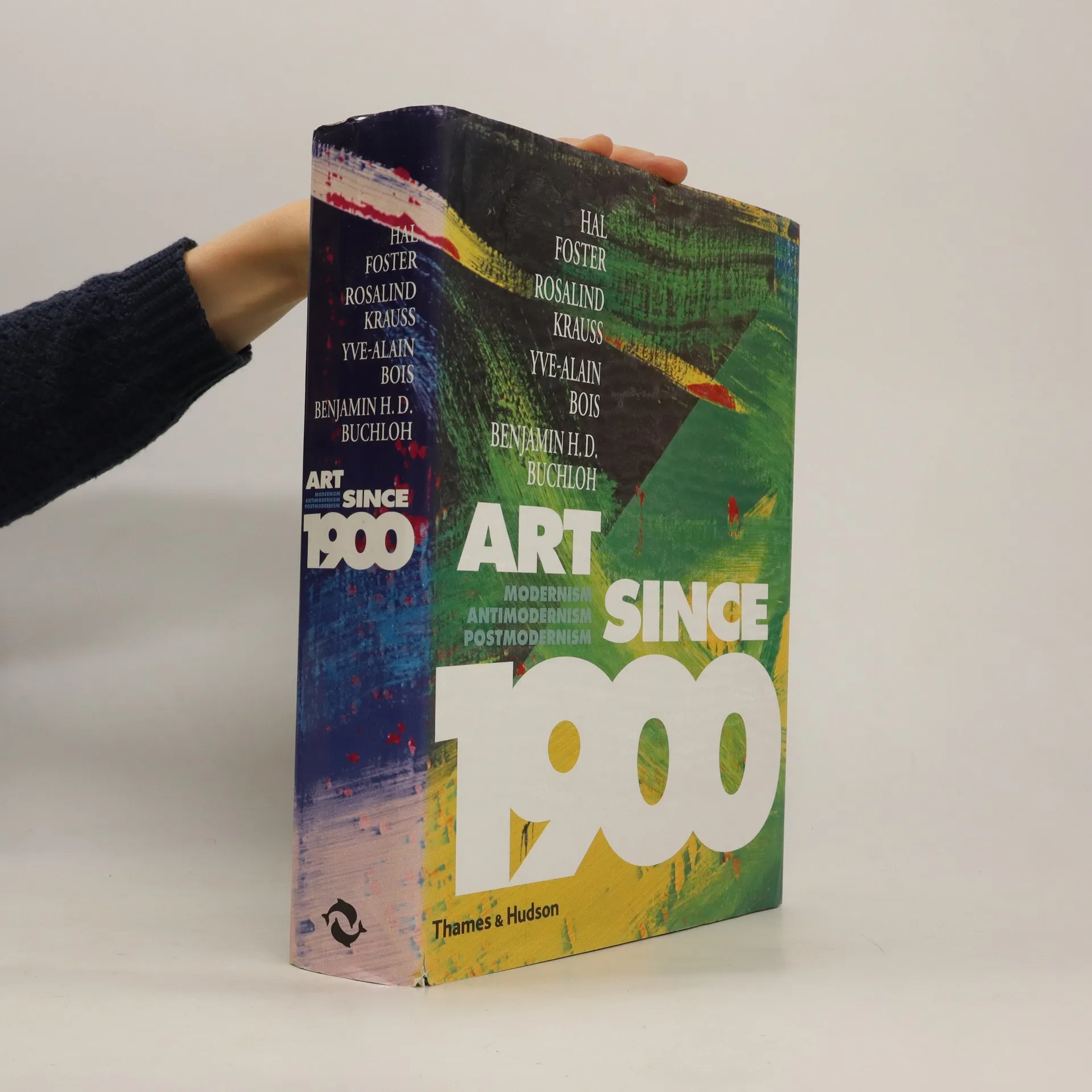
    • Four key historians present a comprehensive history of art from the past century, documenting through 100 essays presented in a year-by-year format key events that contributed to the changing of artistic traditions and the invention of new practices and forms, in a volume complemented by more than 600 reproductions of some of the century's most important works.

      Art since 1900 : modernism, antimodernism, postmodernism
    • "From the modern period until the present day, artworks have exhibited a well-known paradox: they promise a rich aesthetic experience and revolutionary qualities of innovation while simultaneously serving as a luxury commodity whose sale is directed toward a global class of oligarchs. Art's Properties proposes a new way of understanding this paradox, relating art's qualities-its properties-to its status as commercial property. In Art's Properties, esteemed art historian and theorist David Joselit argues that art's fundamental ontological property is its capacity to give access to experiences of alterity--the state of being other, or different. These experiences may appear as the image of a god, or the utopian dimensions of a black square on a white ground. Joselit goes on to explore artwork's relation to infinitude. As he explains, every work of art, in its material and visual qualities, can be host to an unlimited number of events and encounters with spectators, which persist through and over time. This infinitude is curtailed as art becomes property and is made to serve as a representation. In the modern period, white artists have been presumed to manifest an unmarked, supposedly neutral national character in Europe and the United States, while artists of color are often made to stand in for the identity attributed to them. In place of this dynamic of representation, Art's Properties will advocate for privileging narration over representation. While representation is finite-one thing is put in the place of another-narration has no end; it can be multiplied to encompass the many stories an artwork might enable. In focusing on the forms of narration that an artwork can contain, this book explores art's infinite aesthetic and material alterity"-- Provided by publisher

      Art's Properties
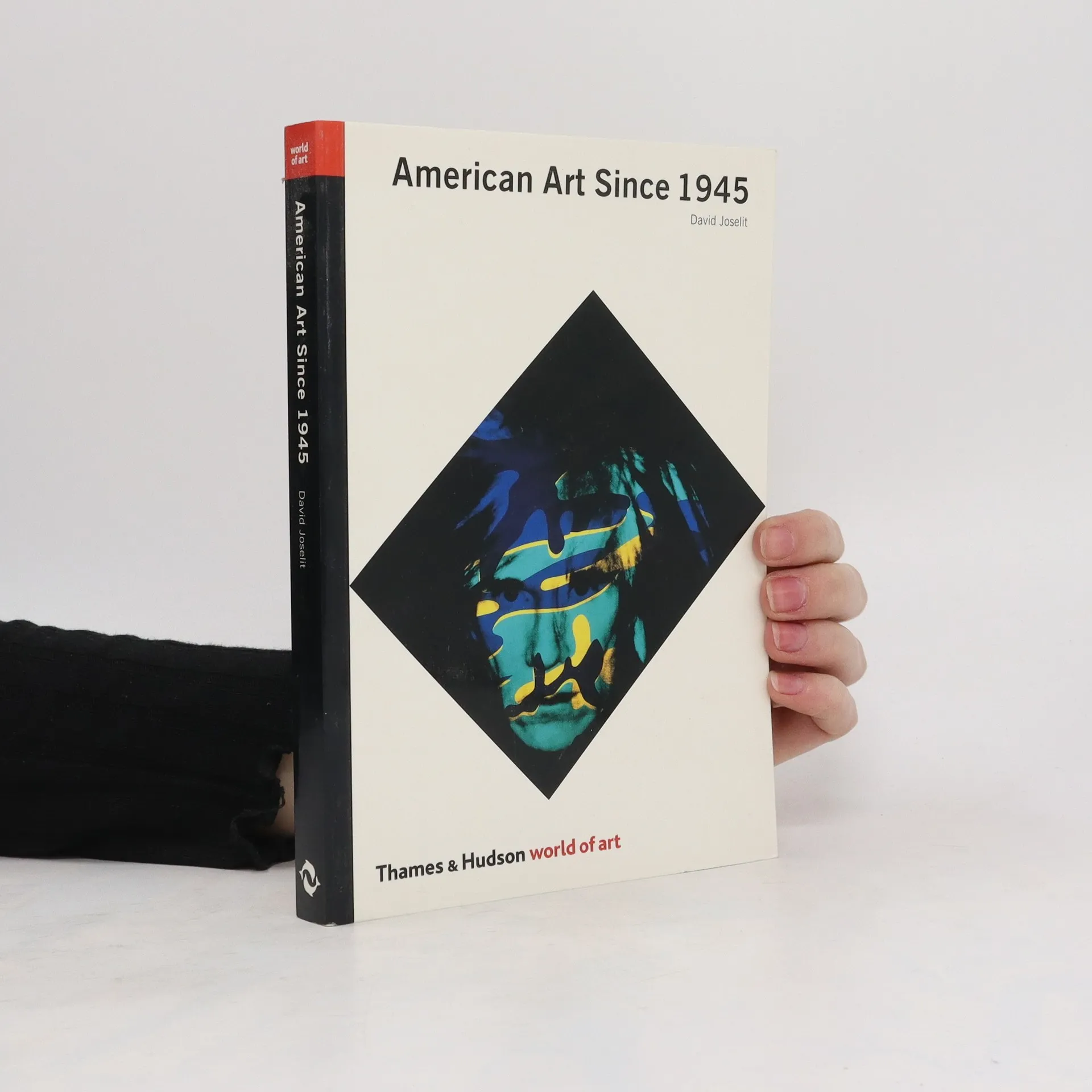
    • American Art Since 1945

      • 256 Seiten
      • 9 Lesestunden
      3,9(113)Abgeben

      Joselit traces and analyzes the diversity and complexity of postwar American art from Abstract Expressionism to the present clearly and succinctly in this groundbreaking survey. 183 illustrations.

      American Art Since 1945
    • Heritage and Debt

      • 344 Seiten
      • 13 Lesestunden

      How global contemporary art reanimates the past as a resource for the present, combating modern art's legacy of Eurocentrism.

      Heritage and Debt
    • "Ambulance Chasers offers a series of photographic diptychs by the artist Abraham Adams: on the left, the faces of personal injury lawyers photographed from roadside billboards; on the right, the landscapes they survey. The gesture is a double rotation: each photograph is imagined as the spectator of the other, and in each pairing, the exorbitant promises of the animated lawyers are deflated by their juxtaposition with an often featureless roadside landscape. Adams's conceptual performance and art historian David Joselit's text tell a story of American precarity."--Publisher's website

      Ambulance Chasers