

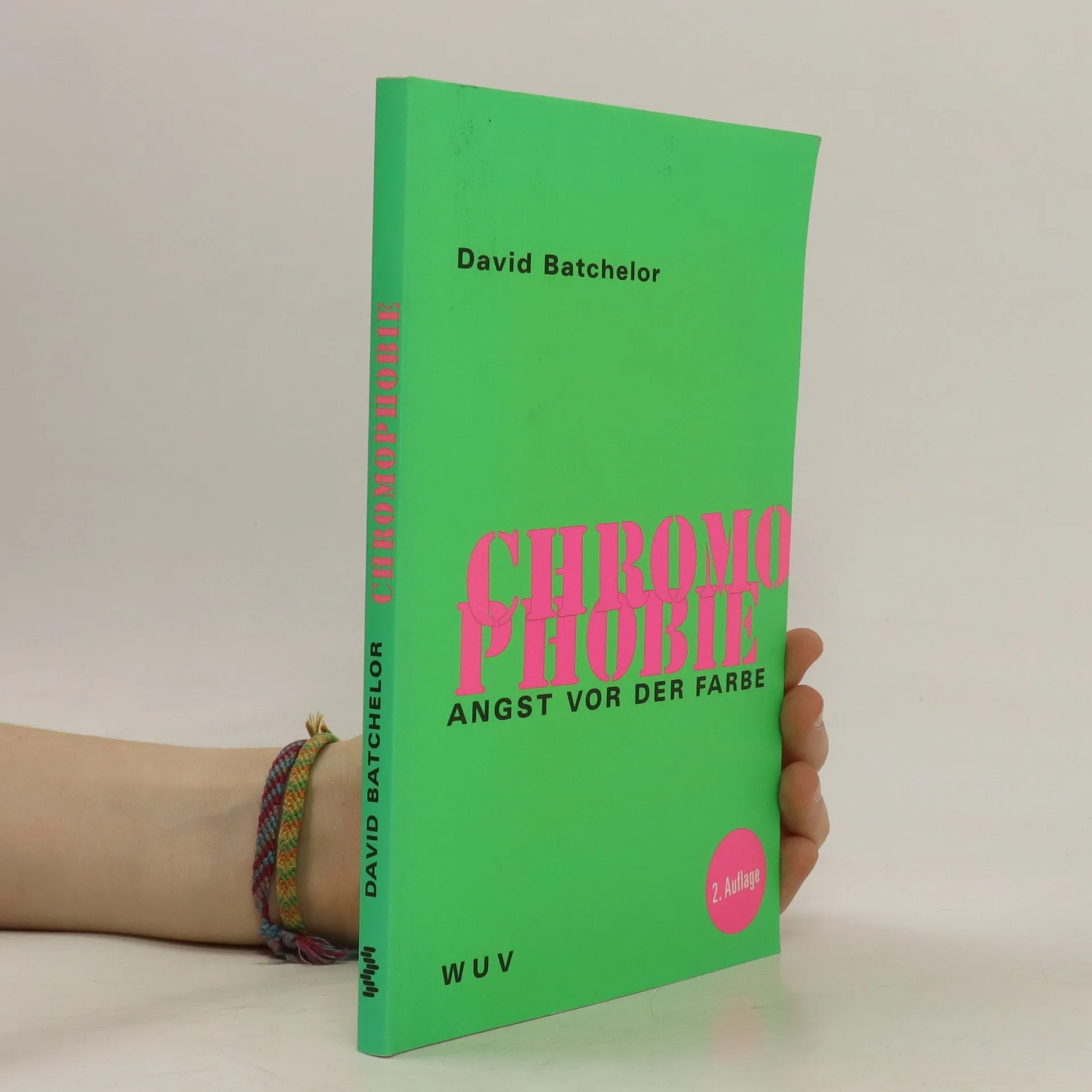
Das Buch ist eine Art subversive „Farbenlehre“, die uns auffordert, Farbe radikal wahr- und ernstzunehmen. Auf einen anekdotischen Beginn über den Schrecken von Weiß folgt eine essayistische Reise durch Kunst, Architektur, Design, Kosmetik, Philosophie, Mode und Film. Farbe – so die These – steht für das Gegenteil von Vernunft, Ordnung und Reinheit und wird als solche verdrängt und bekämpft – oder gefeiert. Philosophen, Künstler, Filmemacher und Dichter wie Baudelaire, Warhol, Huxley, Bachtin, Rushdie, Barthes, Wittgenstein, Jarman, Goethe u.a. kommen dabei zu Wort.
David Batchelor Bücher


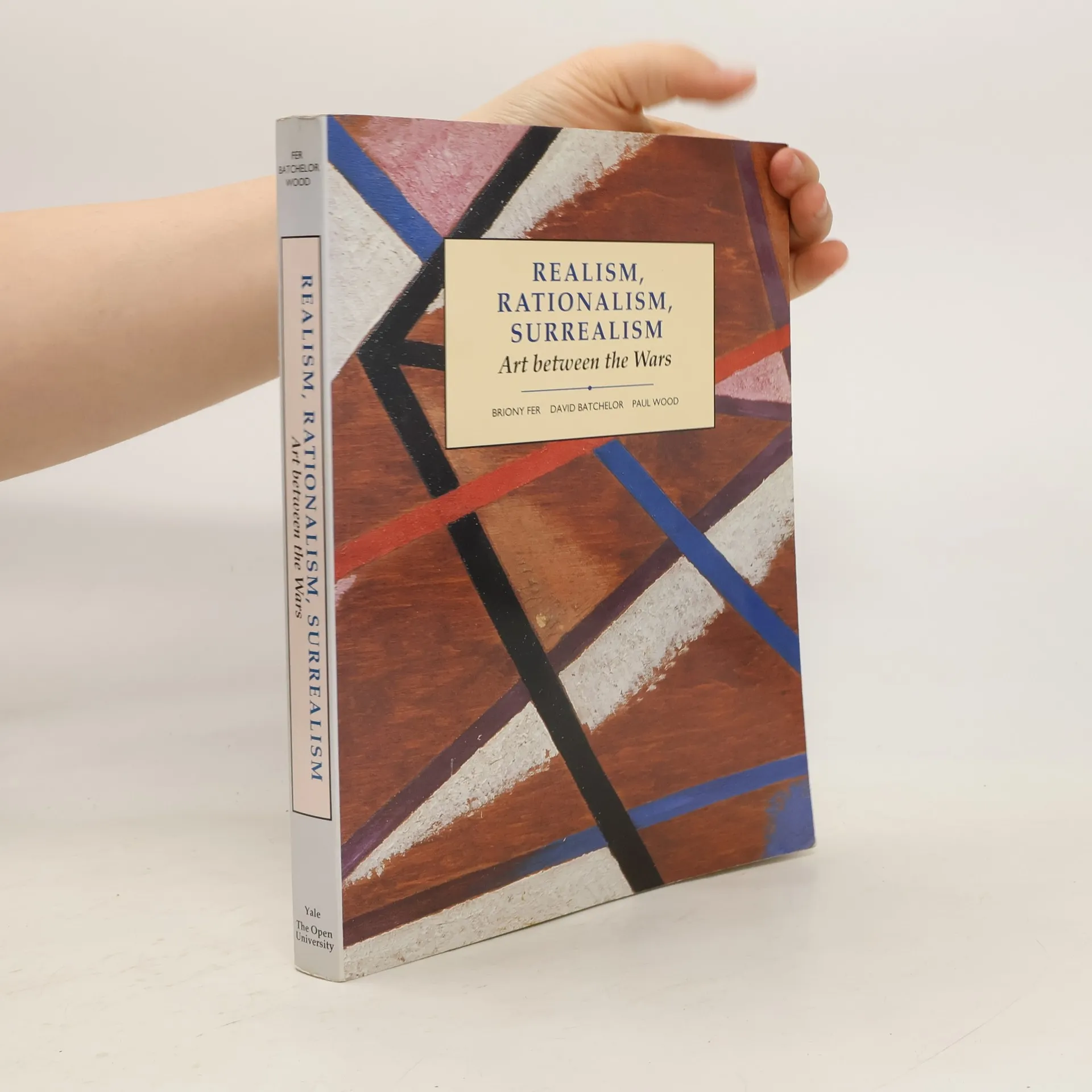
This book begins by considering responses by French artists to the First World War, showing how Purism, Dada, and early Surrealism are related to the ethos of post-war reconstruction. The authors then discuss the language of construction in places as dissimilar as France, Germany, and the Soviet Union; the contrasting demands of the utility and decoration of objects and paintings; and the relationship of surrealism to questions of sexuality and gender and to Freudian theory. The book concludes by addressing the widespread debate over realism in art: whether it represents an alternative to the elitism of the avant-garde or whether avant-garde art should play a role in the development of a modern realism.
Colour
- 238 Seiten
- 9 Lesestunden
A publication of London-based artist David Batchelor's Concretos sculptures (2011-) exploring concrete in conjunction with other brightly coloured materials.
Movements in Modern Art: Minimalism
- 80 Seiten
- 3 Lesestunden
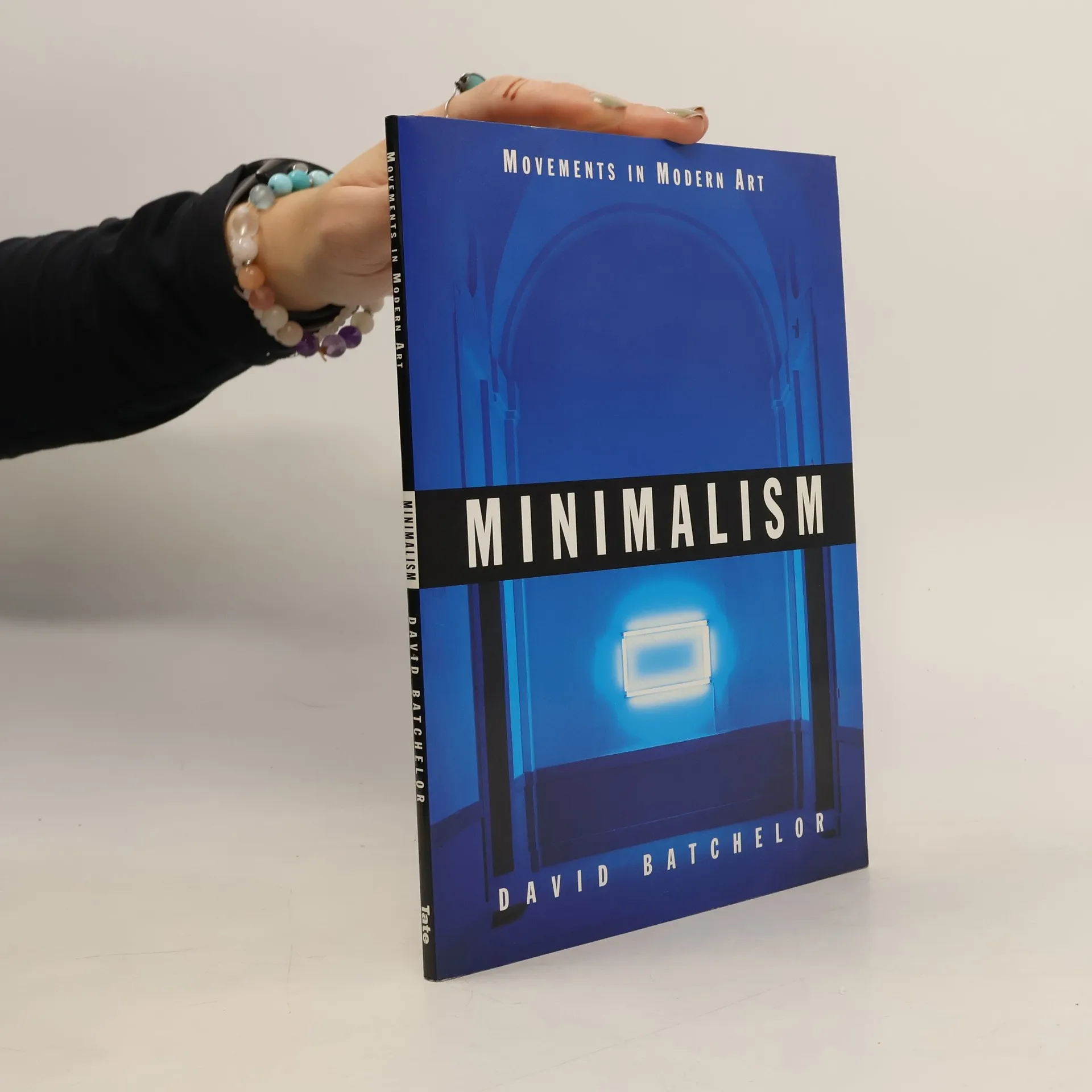
The controversy surrounding Carl Andre's Equivalent VIII, made of 120 firebricks, gives an idea of the difficulty some people have in seeing such works as art. This book aims to show not only how "The Bricks" can be seen as art, but that sculpture such as this is some of the most interesting and imaginative work to come out of the 1960s. The term Minimalism has been applied to this type of art. Although the artists involved did not regard themselves as a group, the work is typically abstract, three-dimensional, modular, geometric, preconceived in design and industrial in execution. This introduction examines the implications of these characteristics. Looking in particular at the work of five key artists--Carl Andre, Dan Flavin, Donald Judd, Sol LeWitt and Robert Morris--the author highlights some of the important differences in the development and direction of each artist's work. This thought-provoking publication also looks at the varied types of criticism and interpretation to which Minimalism has been subjected over the years. It ends by discussing how Minimalism, which has had a huge influence on subsequent art, continues to inform the work of contemporary artists.
Movements in Modern Art: Minimalism
- 80 Seiten
- 3 Lesestunden
Minimalism was one of the most exciting developments in the art of the 1960s. Although the artists involved did not regard themselves as a group, the work is typically abstract, modular, preconceived in design and industrial in execution.