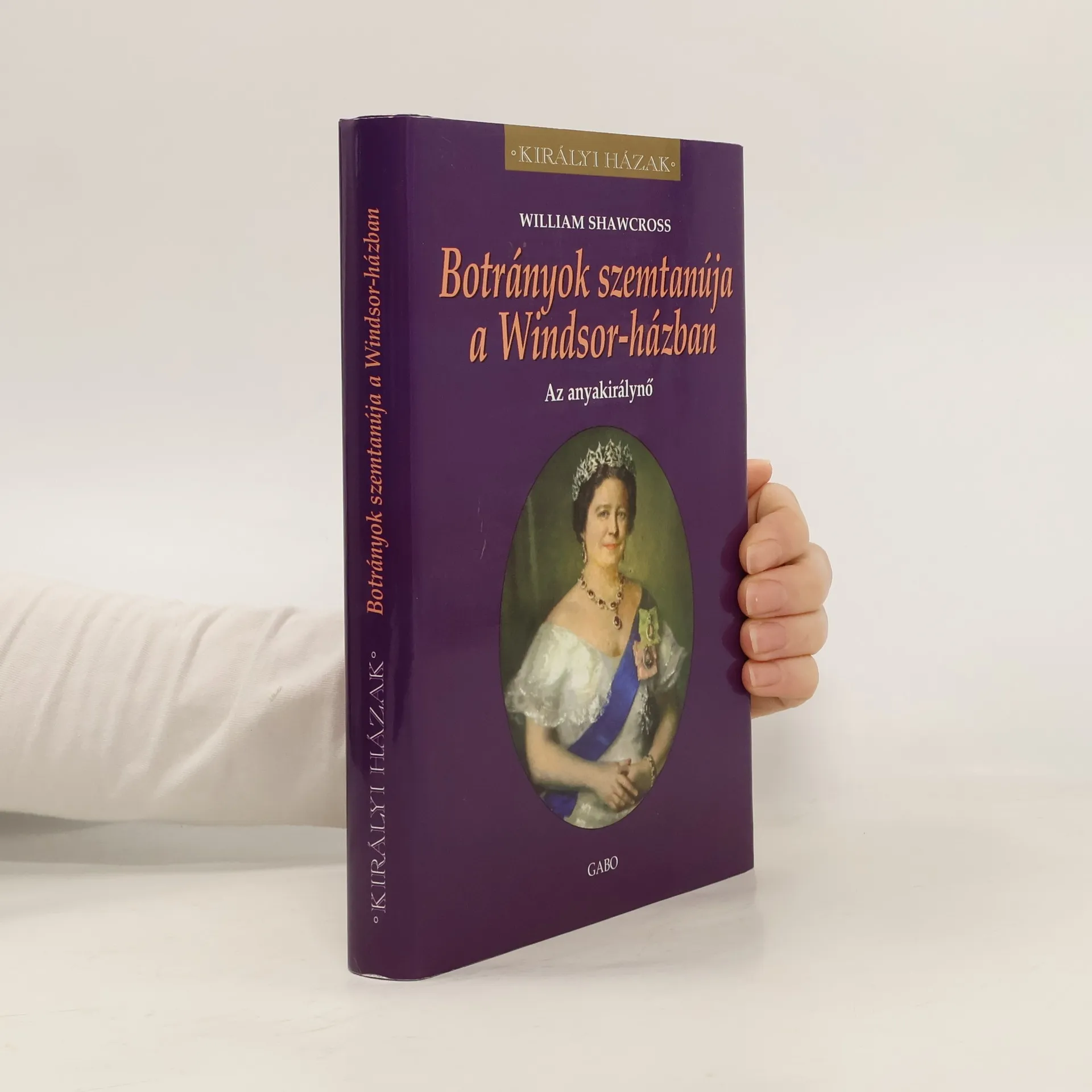
Az anyakirálynő Valamikor a kilencvenes évek közepén Michael Parker őrnagy egyszer együtt teázott Diana walesi hercegnővel és az anyakirálynővel. Amikor a hercegnő azt mondta: – Már úgy várjuk a századik születésnapját –, az anyakirálynő így válaszolt: Ó, ezt nem szabad mondani. Szerencsétlenséget hoz, illetve hát lehet, hogy elüt nagy piros busz. Parker azt mondta, ez igen kevéssé valószínű, mire az anyakirálynő: Nem, nem szó szerint, hanem átvitt értelemben. Mert nem lenne rémes, ha az ember egész életében mindig csak azt csinálná, amit kell? Nem inna, nem dohányozna, nem enne finomakat, sokat edzene, meg minden olyasmit tenne, amihez nincs sok kedve, és akkor egyszer csak elüti egy nagy piros busz, és ahogy a kerekek szétlapítják, közben arra gondol: „Ó, istenem, milyen jól berúghattam volna tegnap este!” Az embernek úgy kellene élnie, mintha másnap elüthetné egy nagy piros busz. Parker akkor arra gondolt, az anyakirálynő pontosan így élt. Sőt, tette hozzá: „minden napot csodás meglepetésként köszöntött”.
William Shawcross Reihenfolge der Bücher


- 2011
- 2011
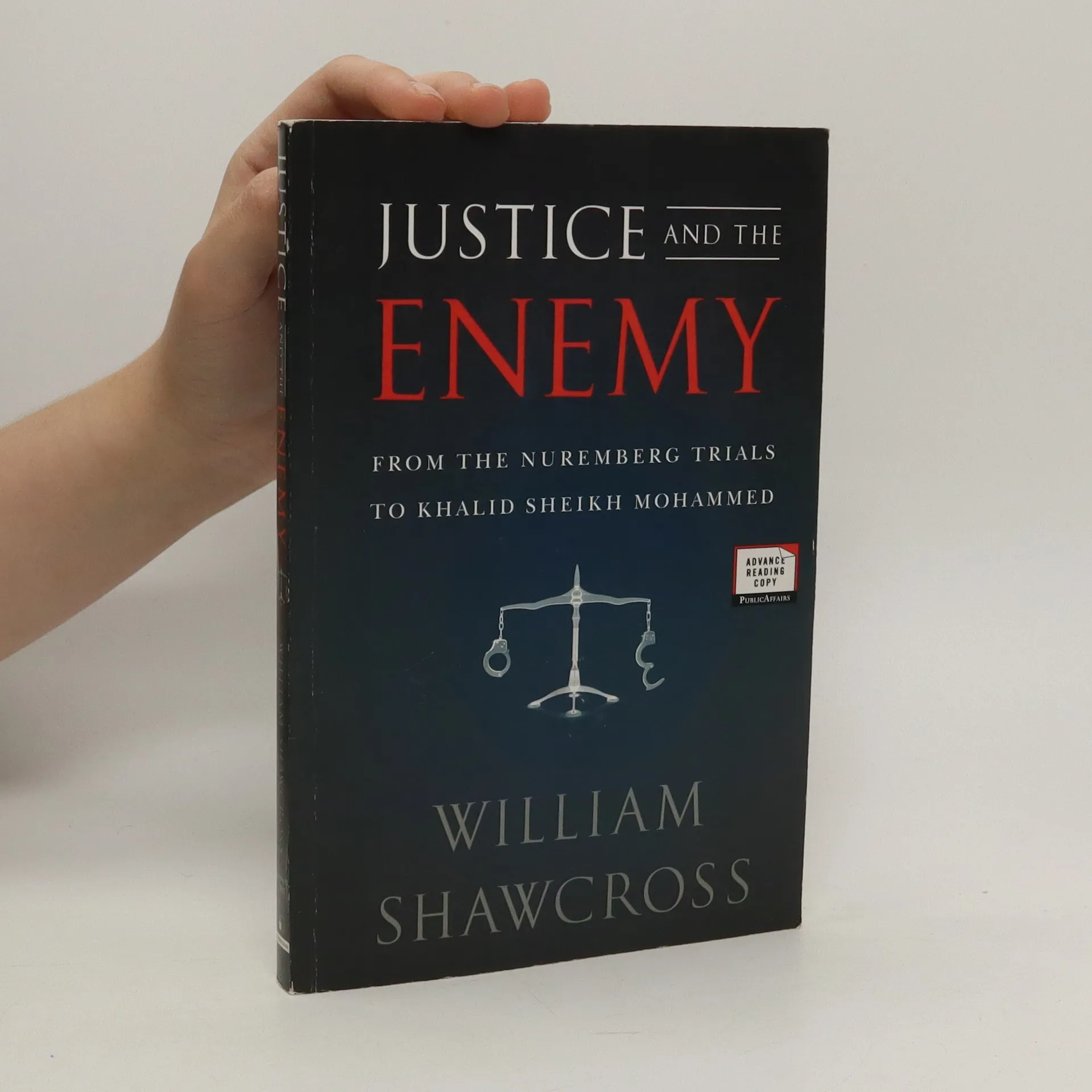
Justice and the Enemy
- 272 Seiten
- 10 Lesestunden
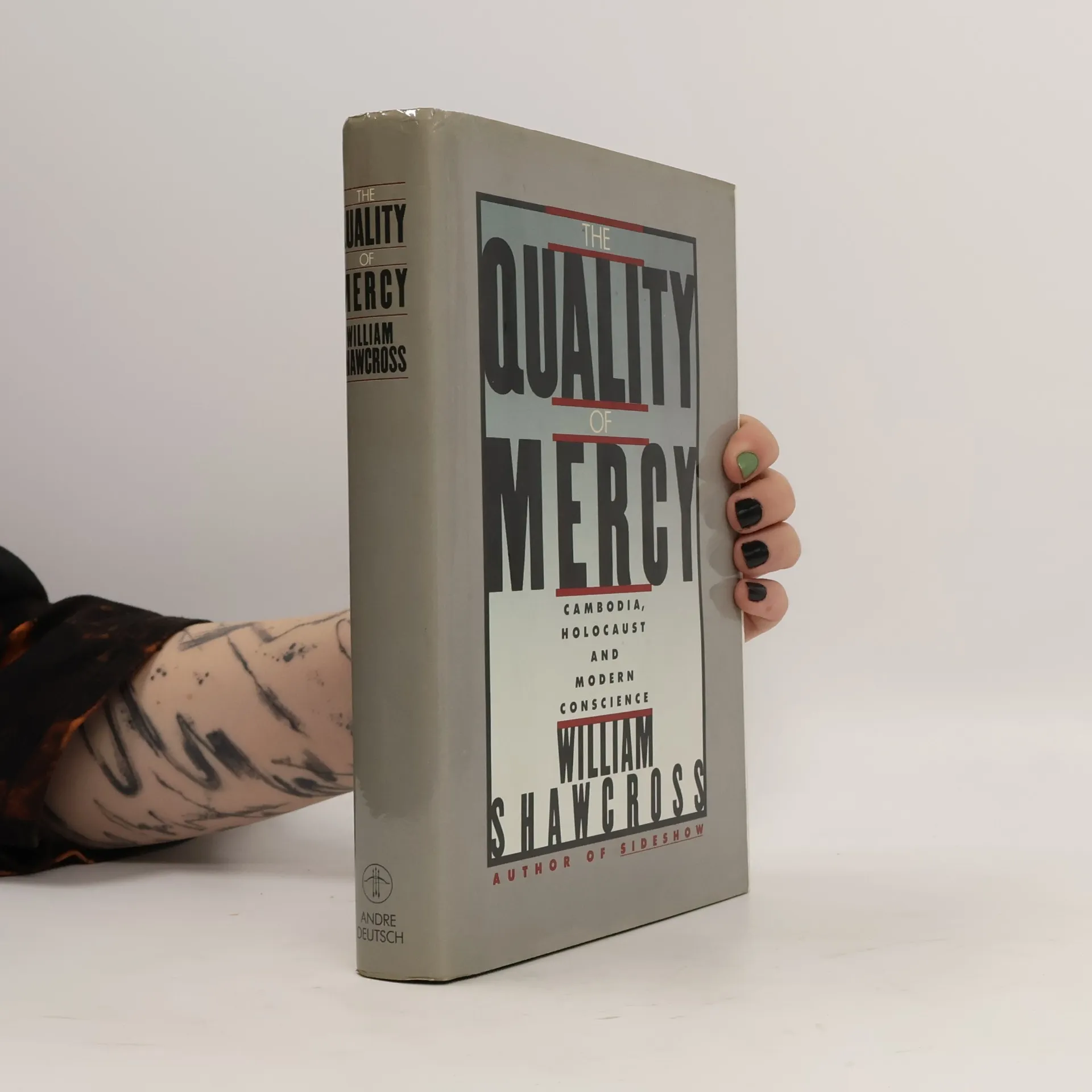
Since the Nuremberg Trials of 1945, lawful nations have struggled to impose justice around the world, especially when confronted by tyrannical and genocidal regimes. But in Cambodia, the USSR, China, Bosnia, Rwanda, and beyond, justice has been served haltingly if at all in the face of colossal inhumanity. International Courts are not recognized worldwide. There is not a global consensus on how to punish transgressors. The war against Al Qaeda is a war like no other. Osama bin Laden, Al Qaeda’s founder, was killed in Pakistan by Navy Seals. Few people in America felt anything other than that justice had been served. But what about the man who conceived and executed the 9/11 attacks on the US, Khalid Sheikh Mohammed? What kind of justice does he deserve? The U.S. has tried to find the high ground by offering KSM a trial – albeit in the form of military tribunal. But is this hypocritical? Indecisive? Half-hearted? Or merely the best application of justice possible for a man who is implacably opposed to the civilization that the justice system supports and is derived from? In this book, William Shawcross explores the visceral debate that these questions have provoked over the proper application of democratic values in a time of war, and the enduring dilemma posed to all victors in war: how to treat the worst of your enemies.
- 2009
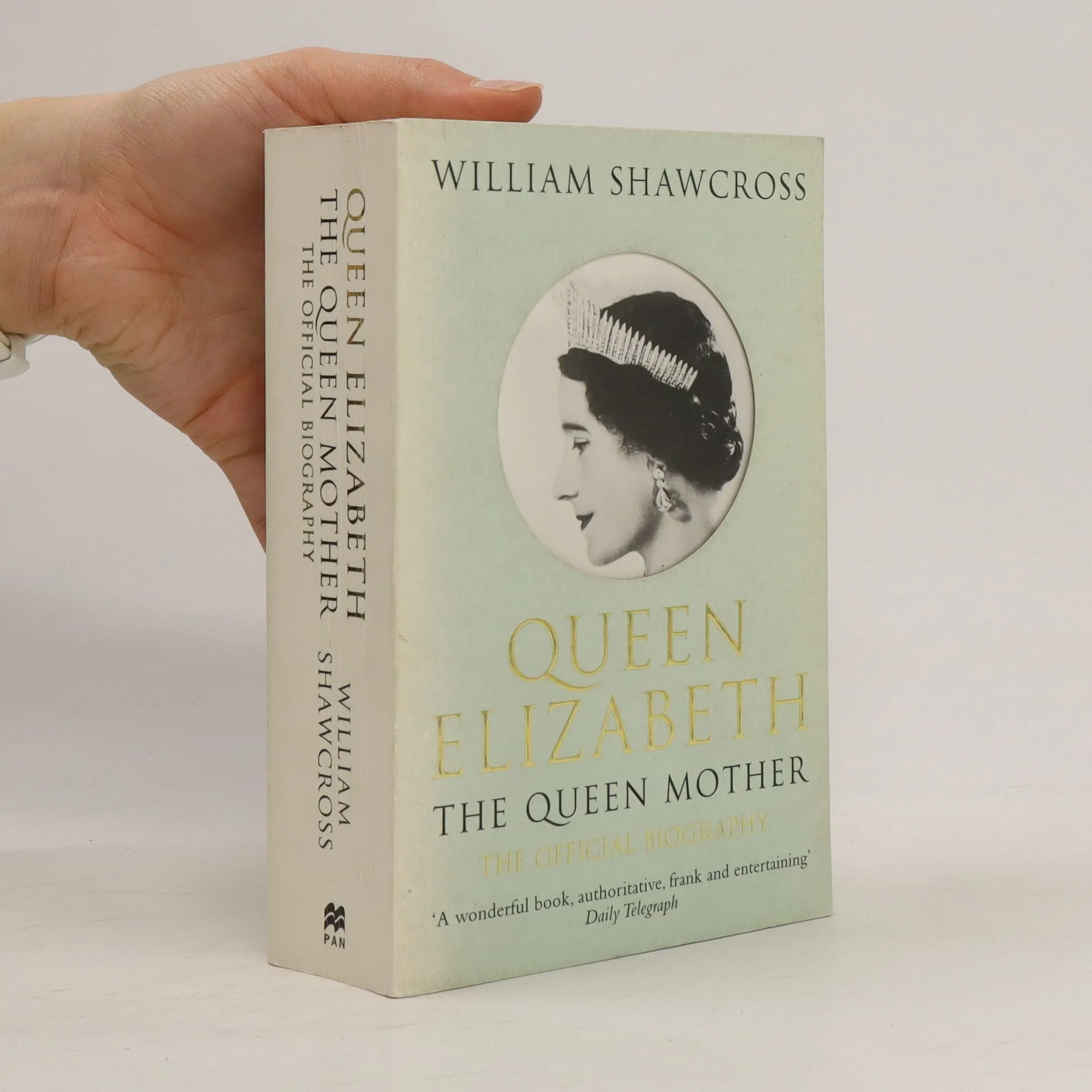
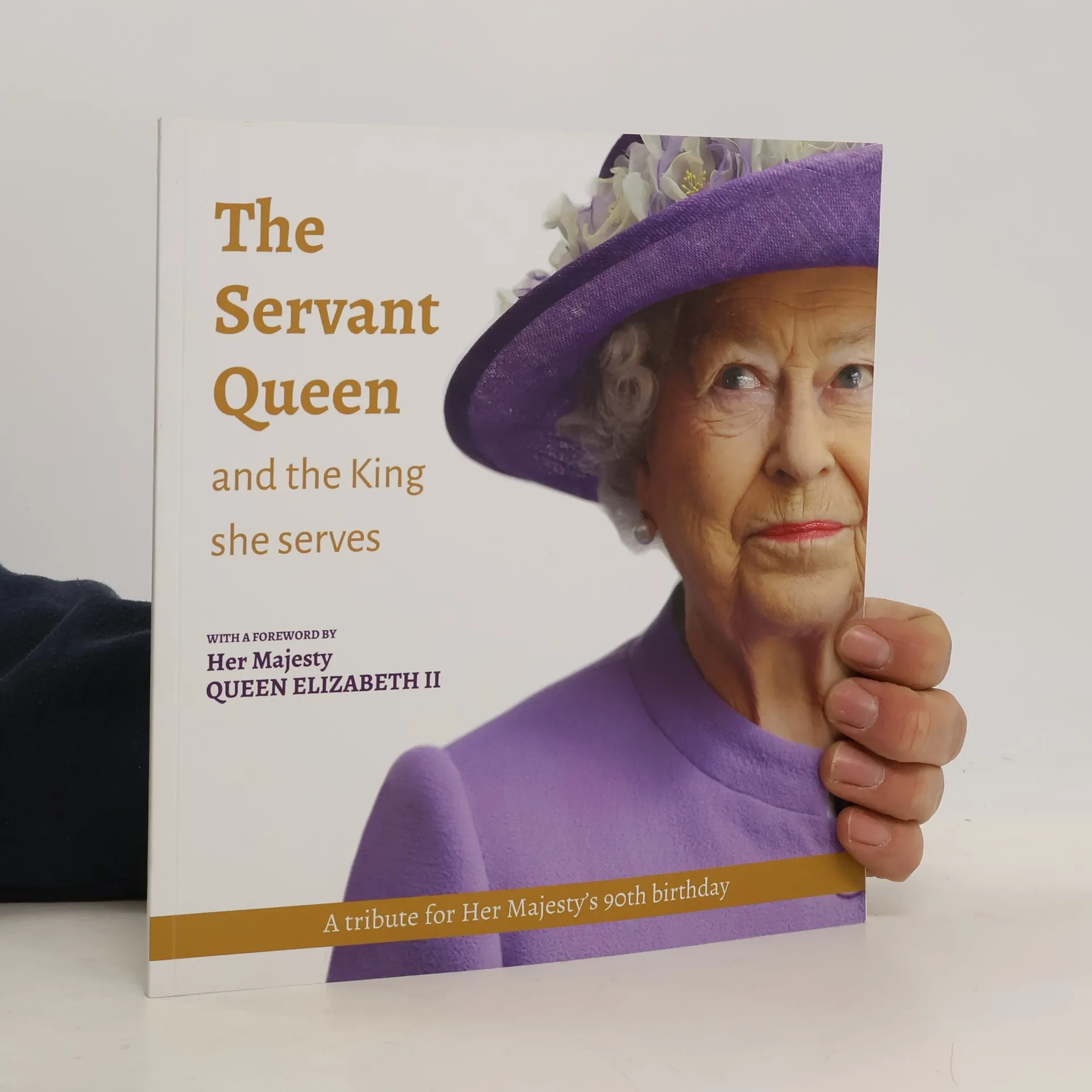
Elizabeth Angela Marguerite Bowes Lyon, the youngest daughter of the Earl of Strathmore, was born on August 4, 1900. It might reasonably have been expected that she would lead a life of ease and privilege, but few could have imagined the profound effect she would have on Britain and its people. Her life spanned the whole of the 20th century, and this official biography tells not only her story but, through it, that of the country she loved so devotedly.
- 2000
Deliver Us from Evil
- 432 Seiten
- 16 Lesestunden
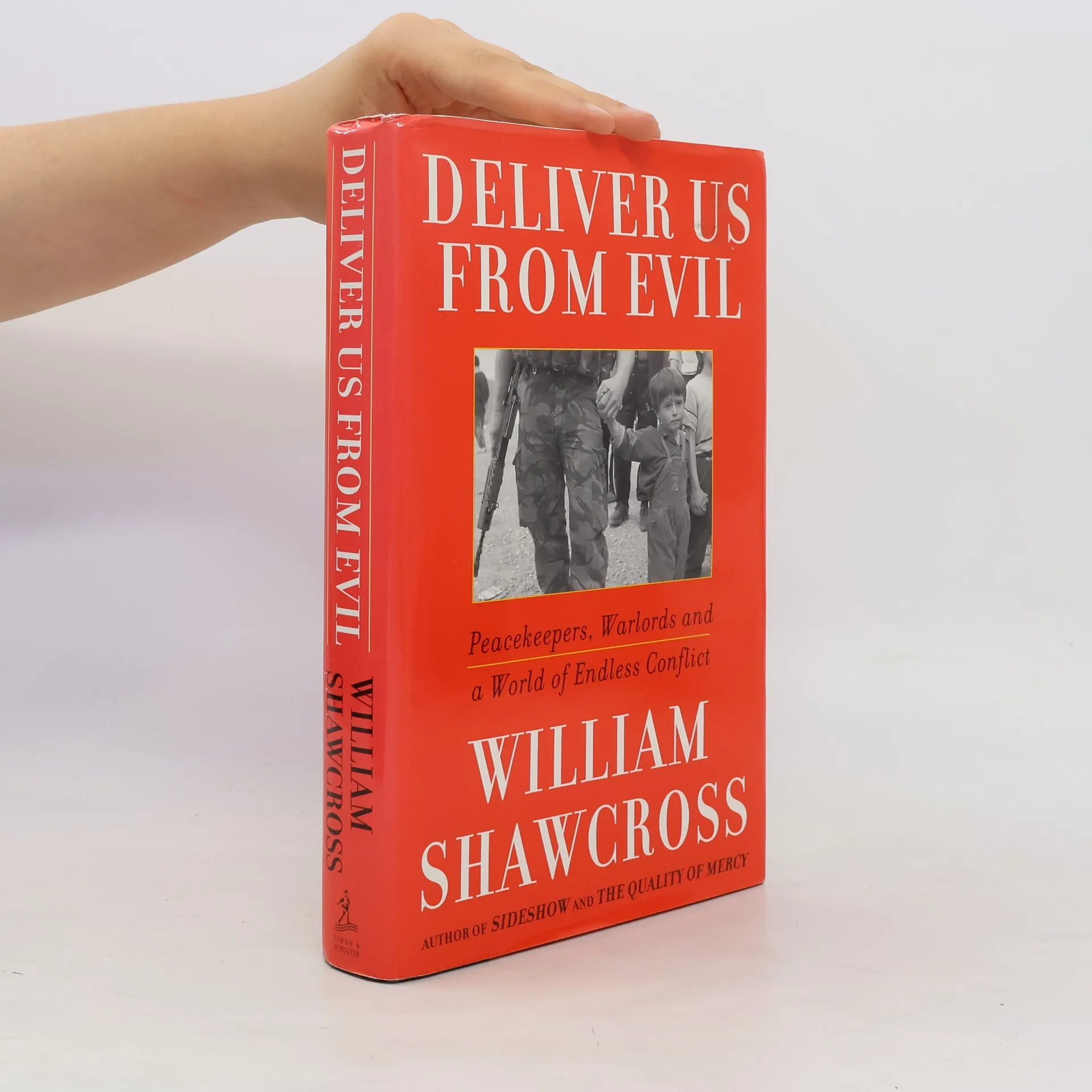
We have all seen press and television pictures of winding lines of refugees in Africa or on mountain passes in Europe and felt that 'something must be done'. In this urgent new book William Shawcross reveals what lies behind decisions by the 'international community' to intervene in a situation on humanitarian grounds, and what happens when the troops and aid agencies move in. It is a story of noble aspirations and often ignoble real politik. To tell the story of international peacekeeping in the last ten years Shawcross has travelled to the war zones and talked to global policy-makers, leading diplomats and key humanitarian aid officials in Afghanistan, Angola, Cambodia, Bosnia, Iraq, Kosovo, Somalia, Nigeria, Rwanda, Sierra Leone and East Timor.
- 1993
Rupert Murdoch
- 626 Seiten
- 22 Lesestunden
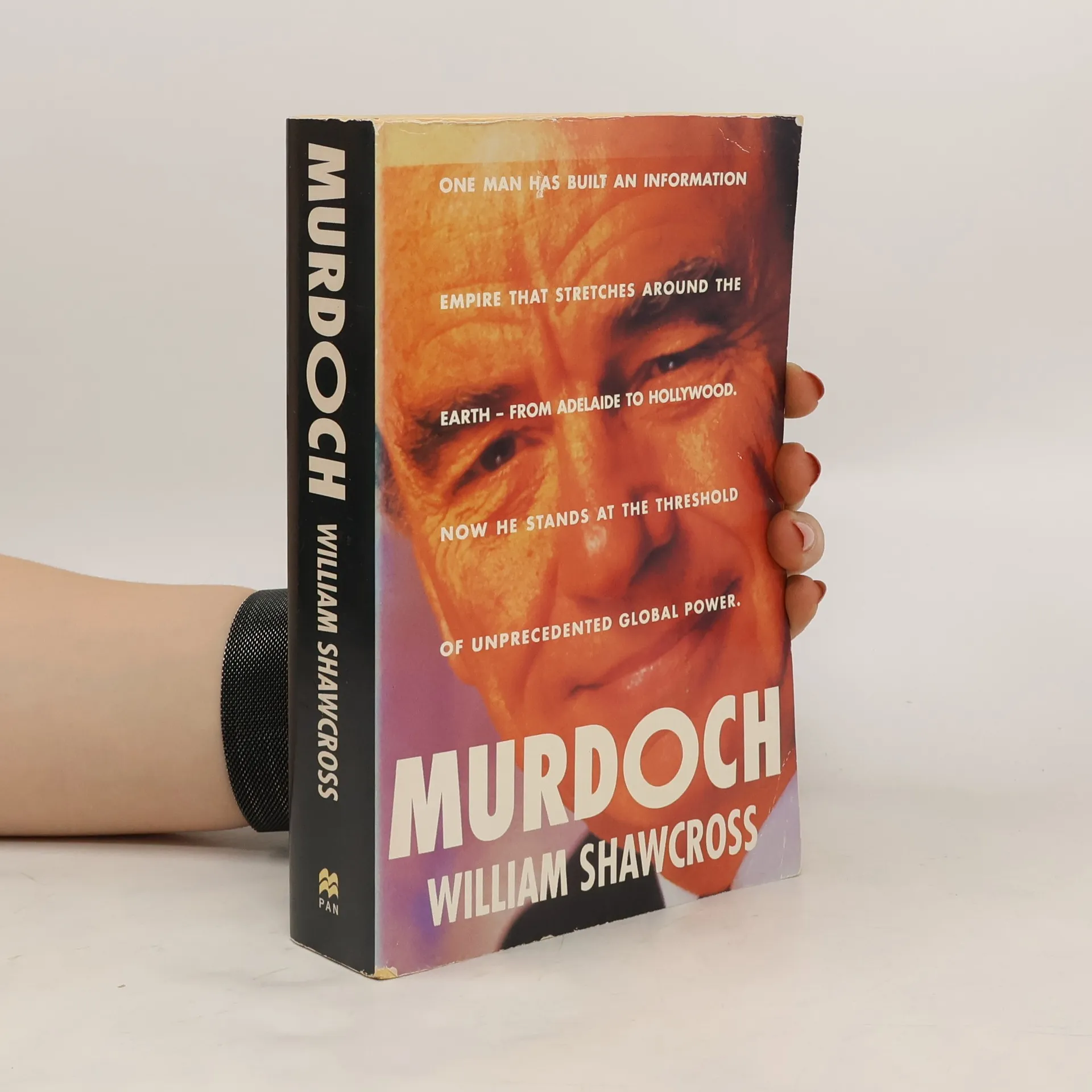
A biography of Rupert Murdoch, the notorious and powerful media baron, and the parallel tale of the information and technology revolution which has made such global influence and power possible
- 1990
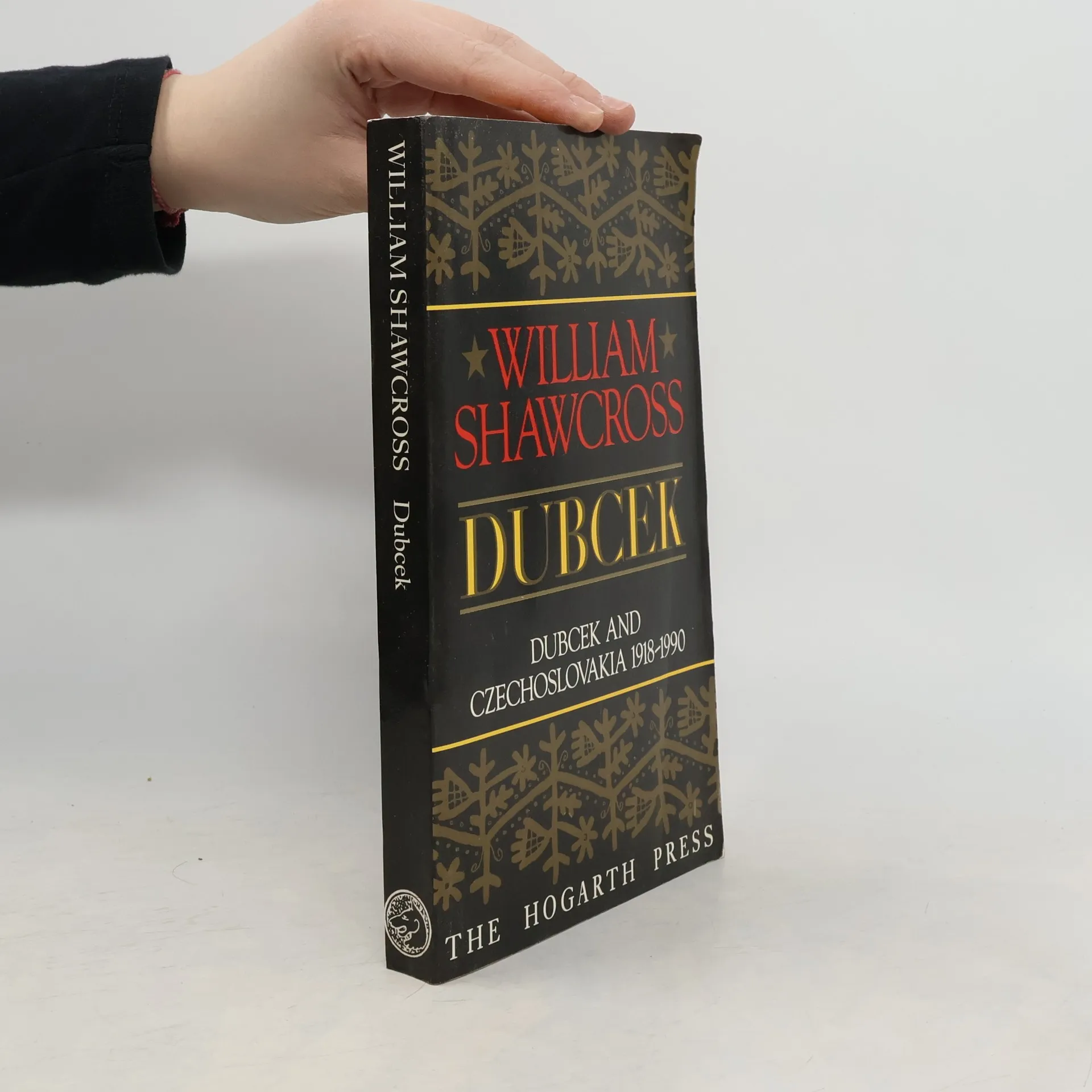
Dubcek
The first full-length biography of the leader who symbolized freedom in Czechoslovakia
Portrays the Czech leader who unsuccessfully attempted to reconcile communism and democracy, and describes his comeback amid the tumultuous events of 1989
- 1990
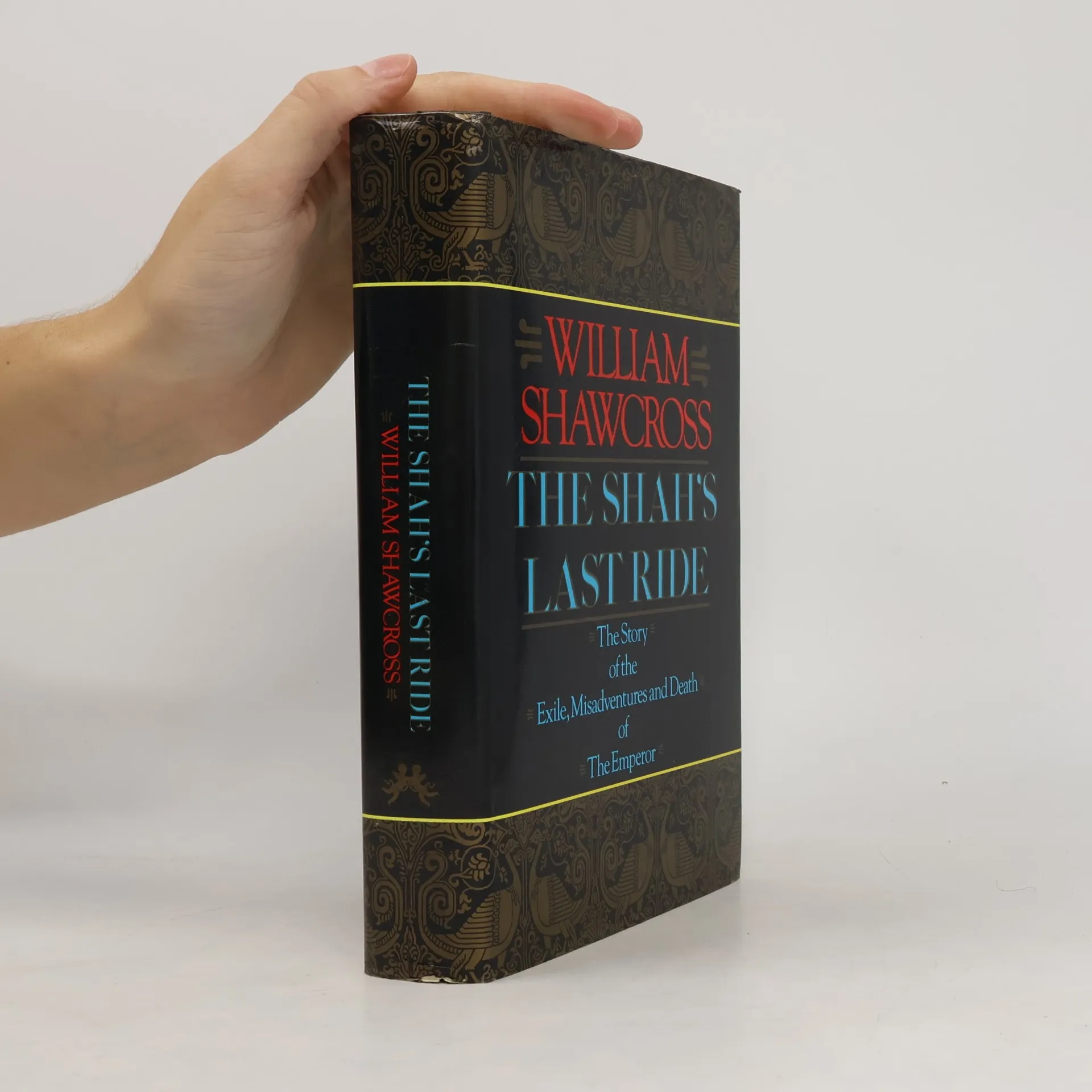
In 1968, Shawcross witnessed the last days of the Prague Spring. He returned next year to write a post-mortem of the reform movement. In this revised edition he goes on to examine opposition groups like Charter 77 and the effects of Glasnost. His other books include "The Shah's Last Ride".
- 1989
- 1985
- 1979
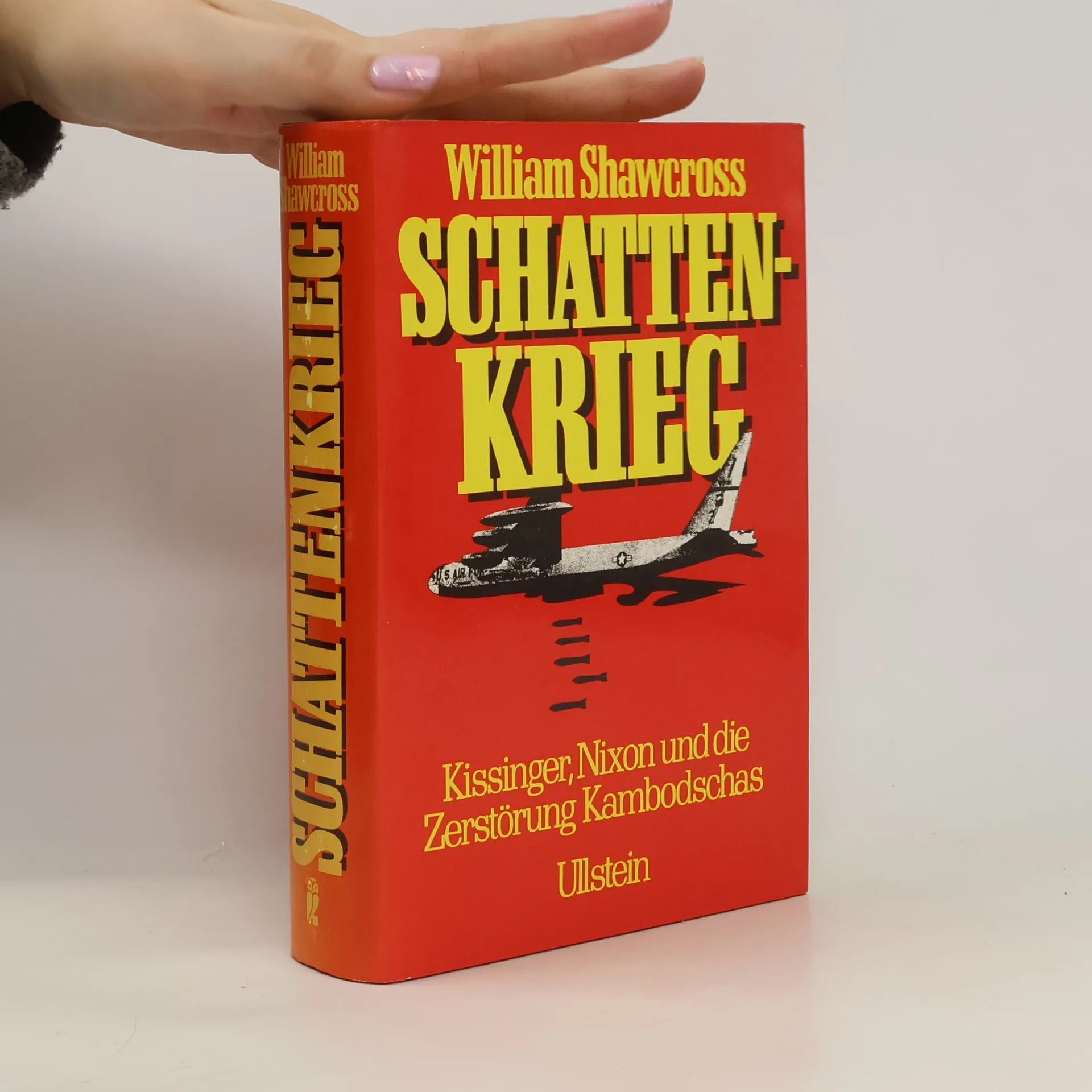
Sideshow
- 464 Seiten
- 17 Lesestunden
An investigative account of the secret war in Cambodia during the Vietnam War, and of the use of power by Nixon and Kissinger in Indo-Chinese foreign policy.