
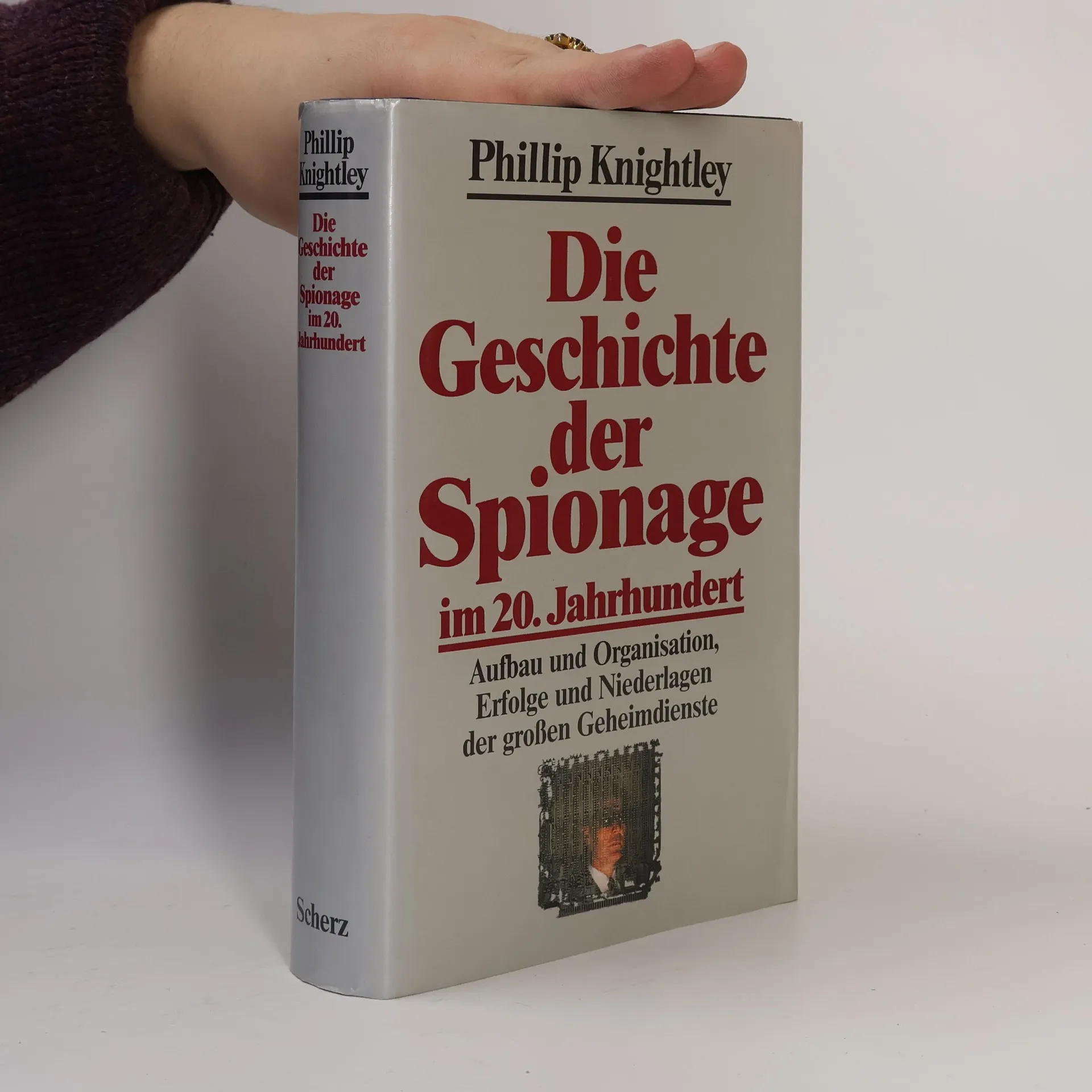
Phillip Knightley Bücher
Phillip Knightley etablierte sich als investigativer Journalist mit einem tiefen Interesse an Kriegsberichterstattung, Propaganda und Spionage. Während seiner zwei Jahrzehnte bei The Sunday Times wurde er zu einem zentralen Mitglied seines Insight-Teams und erhielt zweimal die Auszeichnung „Journalist des Jahres“. Sein umfassendes Wissen über die internationale Geheimdienstwelt, das er durch direkte Kontakte zu globalen Geheimdienstchefs erwarb, bietet eine einzigartige Perspektive, durch die er komplexe Operationen und Motivationen beleuchtet. Knightleys Arbeit befasst sich konsequent mit den Feinheiten der Aufdeckung und Verbreitung von Wahrheit.


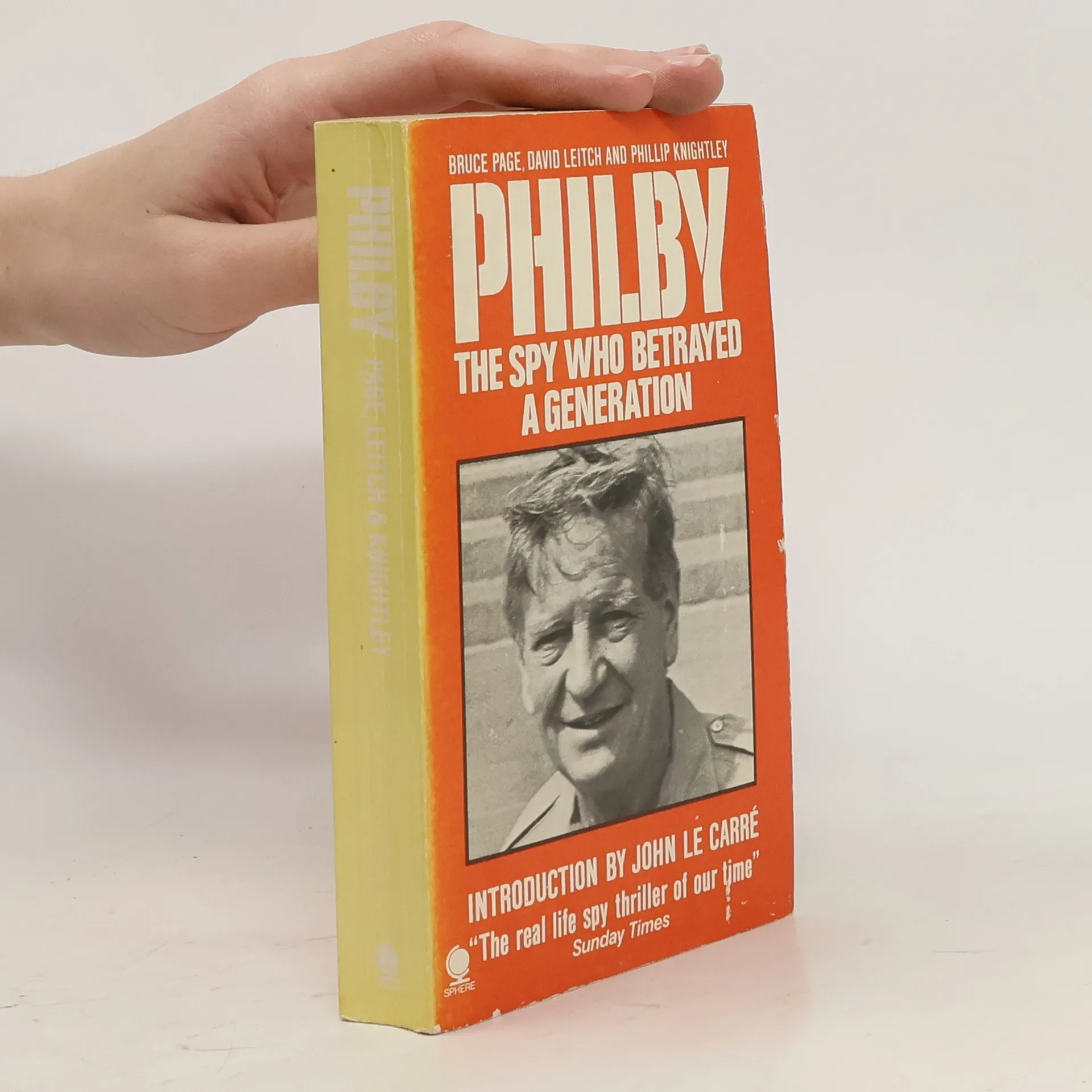
Leben und Ansichten des ehemaligen Cambridge-Studenten und späteren Moskauer Meisterspions (gest. 1988); eine Darstellung, die auf ausführlichen Gesprächen des Journalisten Knightley mit dem Maulwurf basiert.
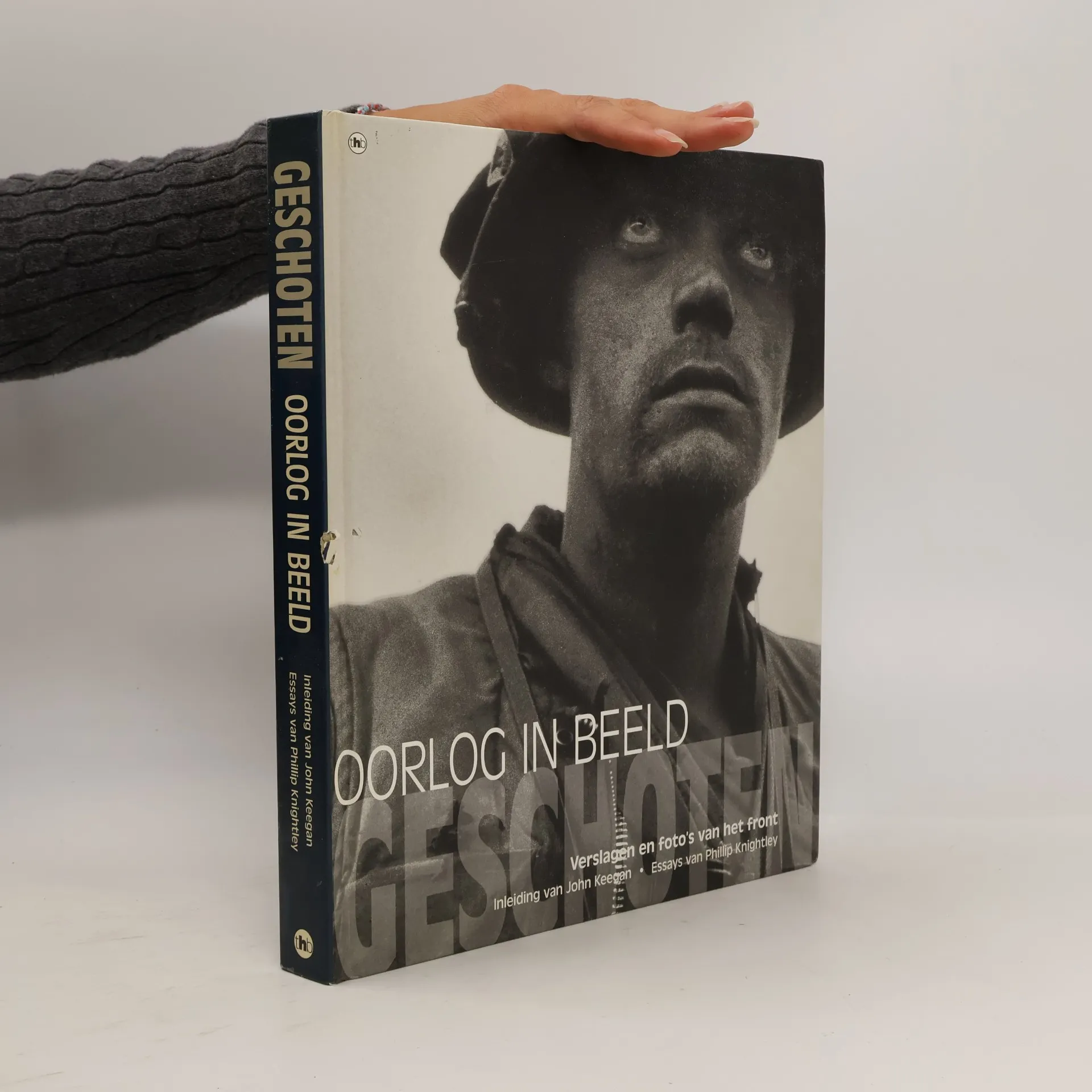
A story of heroism and collusion, censorship and suppression, myth-making and propaganda. Now brought up to date with new material on the war in Afghanistan. Australian author.
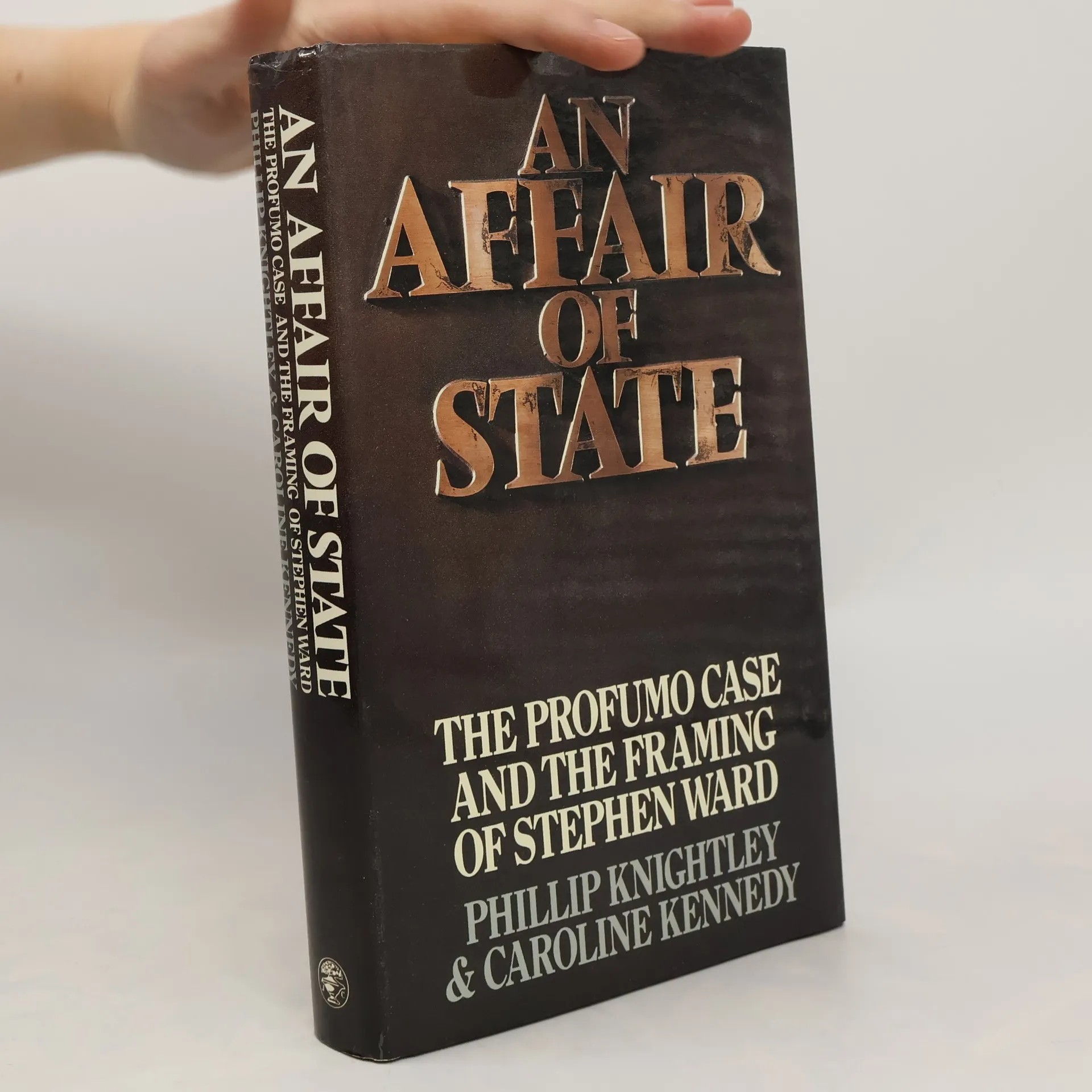
A number-one *bestseller when it came out in 1987 under its original title this updated book, "How the English Establishment Framed Stephen Ward" inspired Andrew Lloyd-Weber to write a musical about Stephen Ward. It puts a whole new interpretation on the Profumo Scandal and offers a wider perspective into its complex central figure, Stephen Ward, as well as a broader insight into one of the greatest scandals of the past 100 years. "How the English Establishment Framed Stephen Ward" is a major expose of a government cover-up that has lasted half a century. It is a powerful story of sexual compulsion, political scandal, police corruption, judicial abuse and ultimate betrayal. The book reveals never-before-heard testimony that has been uncovered by the authors in the years since the sex scandal broke. Using startling new evidence, including Stephen Ward’s own unpublished memoirs and hundreds of interviews with many who, conscience-stricken, have now spoken out for the first time, this important account rips through a half-century cover-up in order to show exactly why the government of the day, the police force, the Judiciary and the security forces decided to frame Stephen Ward. At the height of the Cold War, when the world held its breath for 13 days during the Cuban Missile Crisis, the authors show how Stephen Ward acted as an intermediary between the British and Soviet governments. As the authors’ research reveals, Stephen Ward’s “trial of the century” was caused by an unprecedented corruption of justice and political malice that resulted in an innocent man becoming a scapegoat for those who could not bear to lose power. This is an epic tale of sex, lies, and governmental abuse whose aftermath almost brought down the government and shook the American, British, and Soviet espionage worlds to their core. With its surprising revelations and meticulous research, Stephen Ward’s complete story can finally be told.
A novelist wouldn't dare invent the story contained herein. That a son of the British establishment could, during a 30 year secret service career, be a Communist agent is too far-fetched for fiction. Here's the story of how Philby did it, of what he did & its consequences; of how he betrayed his country, service, friends & the class which nurtured, shaped & protected him.Authors' PrefaceIntroduction1. BeginningsThe man in Dzerzinsky SquareBoyhood of three spiesThe slave of GodThe Cambridge MarxistsCommitment in ViennaJoining the establishment2. PenetrationThe Spanish decorationThe phony warThe secret worldThe rise of Kim Philby3. ExploitationThe new enemyThe Volkov incidentThe priceless secretsThe Albanian subversion4. DownfallCrack-upGetawayThe secret trialA field agent?Philby's comebackEndgame in BeirutThrough the curtain
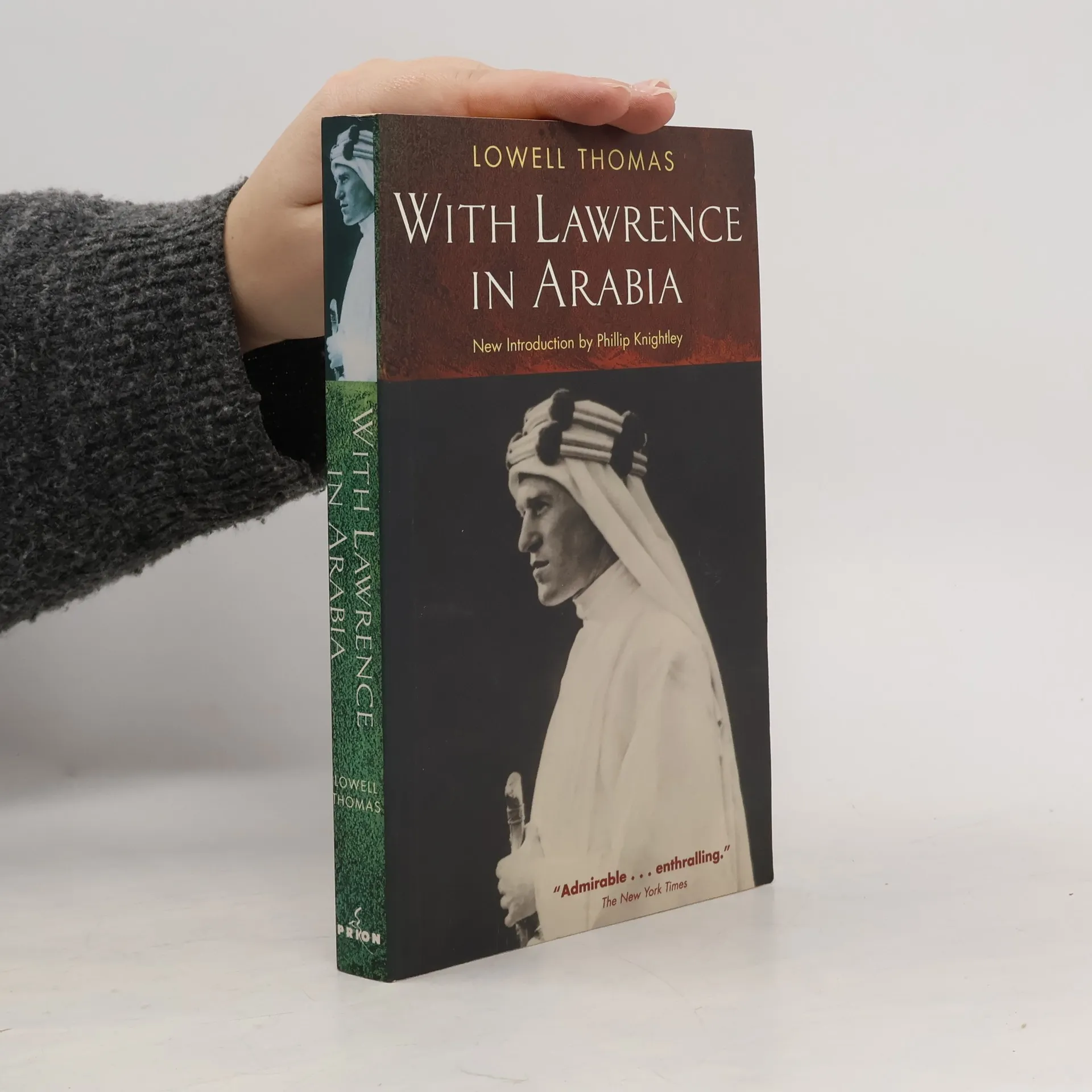
Lost Treasures: With Lawrence in Arabia
- 256 Seiten
- 9 Lesestunden
It was 1918 in Jerusalem, when the admiring young American scholar and journalist Lowell Thomas first met T.E. Lawrence. He went on to write With Lawrence in Arabia, a book that sparked the Lawrence of Arabia legend and was the basis of the celebrated film. With brilliant narrative verve, Lowell recounts the exploits of the young British agent who managed to weld disparate and warring Arab tribes into a formidable mobile fighting force—a guerilla army that would defeat the Turks in the Arab Revolt, sealing the fate of the Ottoman Empire in the Middle East during World War I. On a canvas whose background is the fierce, inhospitable desert and in whose foreground stride the Emir Feisal, King Hussein I of the Hedjaz, the British General Allenby, and the strange, hypnotic figure of Lawrence himself, Thomas paints a vivid portrait of the “modern knight of Arabia.”