Naomi Mitchison Bücher
Naomi Mitchison war eine produktive Autorin, deren umfangreiches Werk historische Fiktion, Science-Fiction, Poesie, Autobiografie und Sachbücher umfasste. Sie erforschte meisterhaft universelle Themen wie Mut, Vergebung und die Suche nach Sinn. Ihre Schreibe besaß eine intime Qualität, ähnlich einem Tagebuch und doch frei von Künstlichkeit oder Anstrengung, und bot tiefe Wahrheiten mit einer gelassenen Tiefe. Mitchisons Erzählungen luden die Leser in Welten ein, in denen selbst die kleinsten Details mit Klarheit glänzten, ähnlich dem Blick in warmes Wasser.


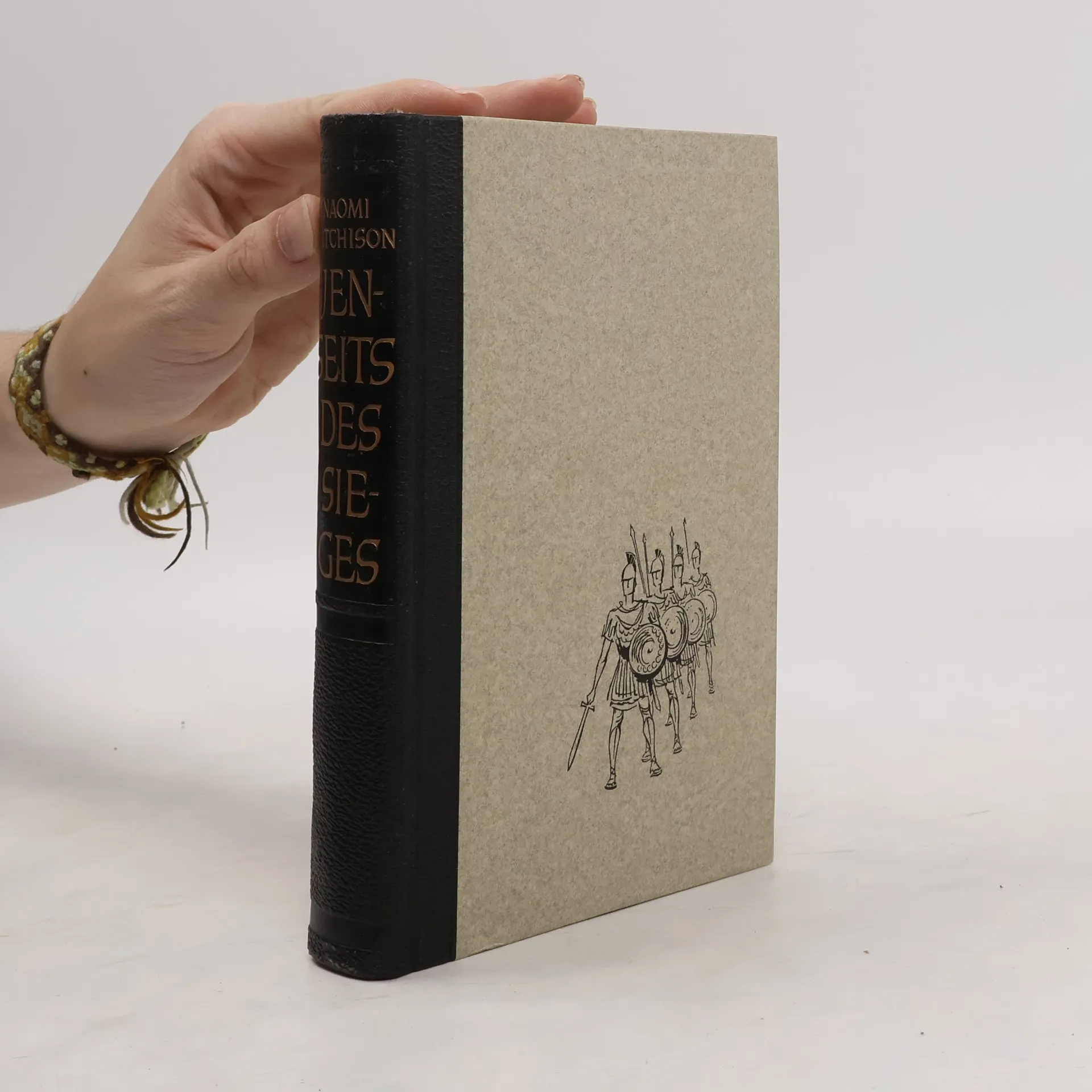
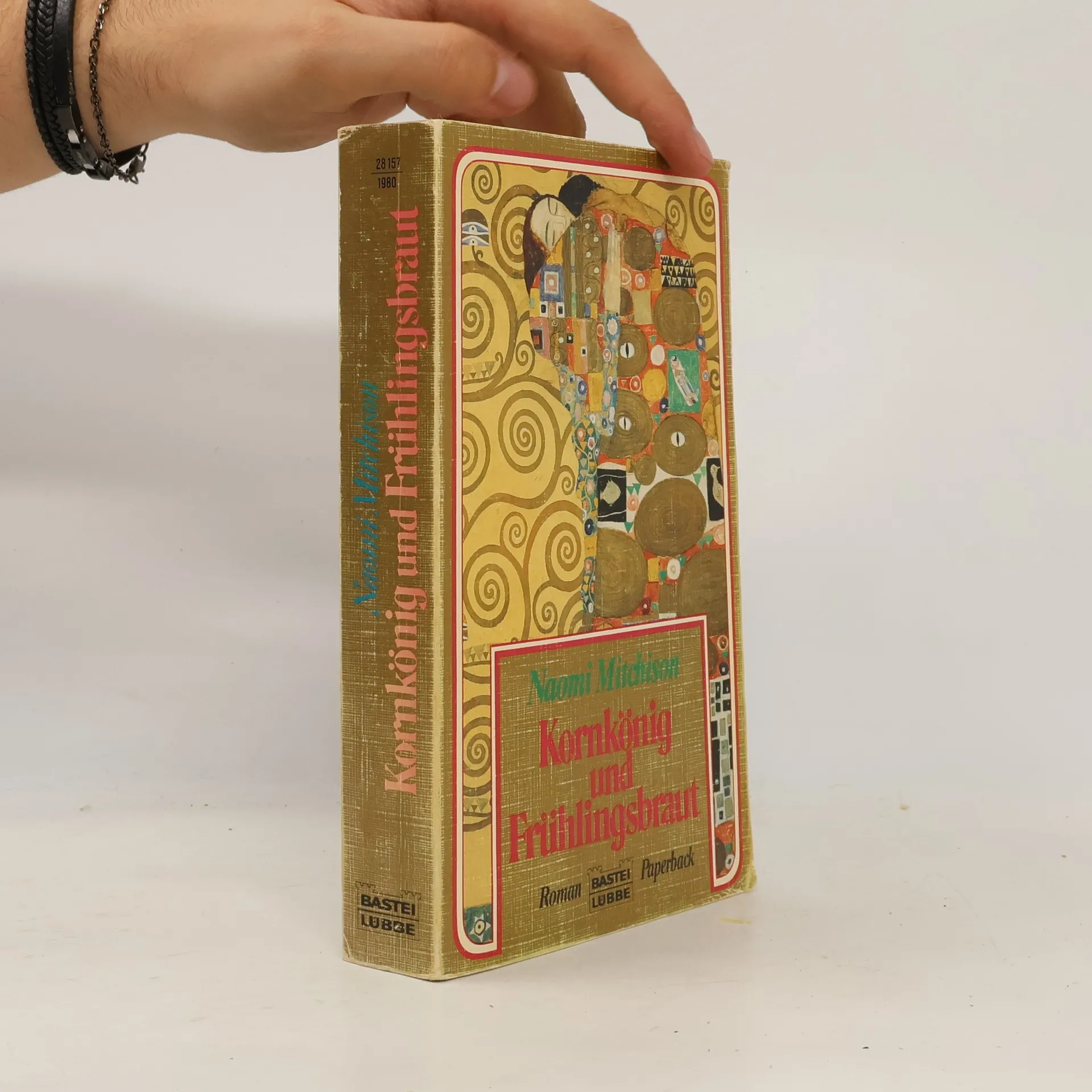
Die schöne Hexe ErifDher, die 228 vor Christus an den Gestaden des Schwarzen Meeres lebt, ist die Braut des Kornkönigs Tarrik und muß all ihre Kräfte daran setzen, dessen gewaltige Macht zu brechen. Dabei bedient sie sich ihrer besonderen Hexengabe, der Magie. In einer Sturmnacht geschieht etwas Unerwartetes: Tarrik retten einen Schiffbrüchigen, den griechischen Philosophen Sphaeros. Und damit beginnt sowohl für Tarrik als auch für ErifDher eine grandiose Odyssee...
Geschichten aus Afrika
- 171 Seiten
- 6 Lesestunden
To the Chapel Perilous
- 196 Seiten
- 7 Lesestunden
Exploring the Arthurian legend through a modern lens, the narrative follows two young reporters from rival newspapers as they cover the unfolding events of King Arthur's quest for the Holy Grail. Set against the backdrop of the Cold War, Mitchison blends humor with a quest for spiritual growth, using her journalistic insights to navigate the fantastical tales. While her innovative approach garnered mixed reactions from contemporaries, including Tolkien, it ultimately serves as a commentary on storytelling itself, inviting readers on a journey of discovery.
Memoirs of a Spacewoman
- 176 Seiten
- 7 Lesestunden
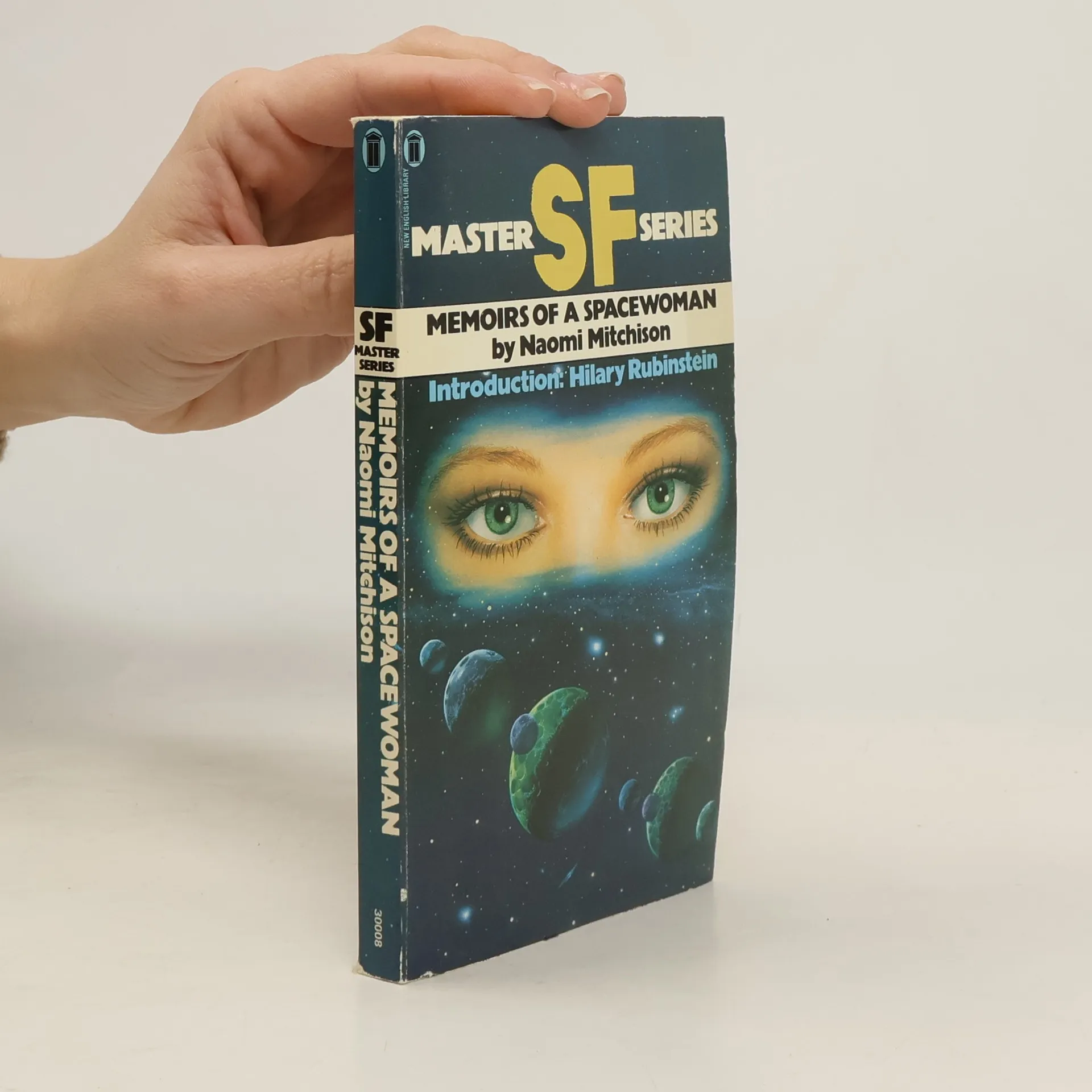
Naomi Mitchison, daughter of a distinguished scientist, sister of geneticist J B S Haldane, was always interested in the sciences, especially genetics. Her novels did not tend to demonstrate this, and she did not publish a Science Fiction novel until almost forty years into her fiction-writing career. Isobel Murray's Introduction here argues that it is by no means 'pure' Science Fiction: the success of the novel depends not only on the extraordinarily variety of life forms its heroine encounters and attempts to communicate with on different worlds: she is also a very credible human, or Terran, with recognisibly human emotions and a dramatic emotional life. This novel works effectively for readers who usually eschew the genre and prefer more traditional narratives. Explorers like Mary are an elite class who consider curiosity to be Terrans' supreme gift, and in the novel she more than once takes risks that may destroy her life. Her voice, as she records her adventures and experiments, is individual, attractive and memorable. Isobel Murray is Emeritus Professor of Modern Scottish Literature at the University of Aberdeen.
The Fourth Pig
- 256 Seiten
- 9 Lesestunden
An enchanting collection that introduces the author and activist Naomi Mitchison to a new generation of readers The Fourth Pig, originally published in 1936, is a wide-ranging collection of fairy tales, poems, and ballads that reflect the hopes and forebodings of their era but also resonate with those of today. From a retelling of “Hansel and Gretel” to the experimental title story, a dark departure from “The Three Little Pigs,” this book is a testament to the talents of Naomi Mitchison (1897–1999), who was an irrepressible phenomenon—a prominent Scottish political activist as well as a prolific author. Mitchison’s work, exemplified by the tales in this superb new edition, is stamped with her characteristic sharp wit, magical invention, and vivid political and social consciousness. Marina Warner, the celebrated scholar of myths and fairy tales and writer of fiction, provides an insightful introduction to Mitchison as a remarkable writer and personality.
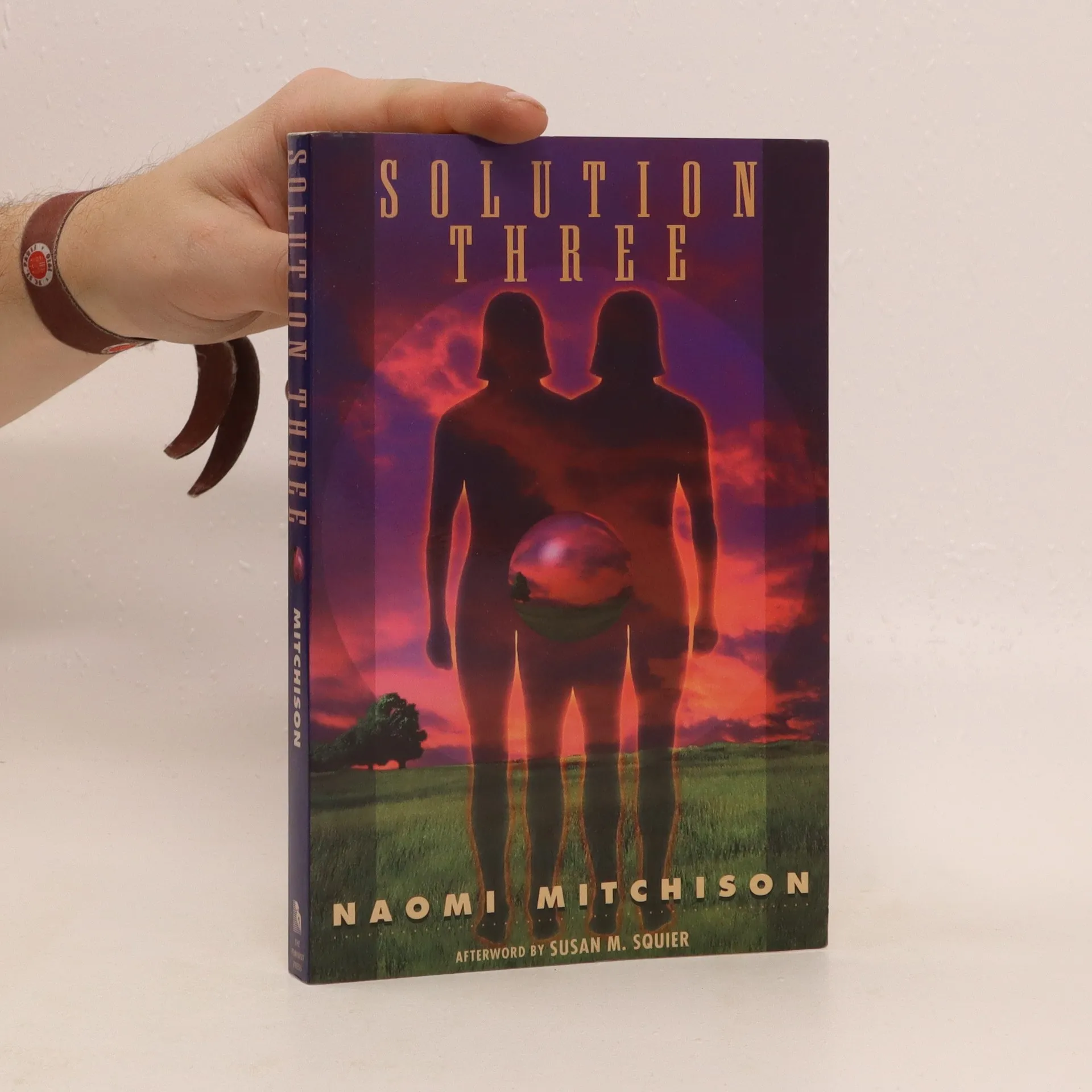
As a fast-paced novel about a future shaped by feminist ideals of sexual and racial equality, "solution three" at first seems to be a peaceful answer to the world's problems. Homosexuality as an international norm and reproduction by cloning have minimized aggression and overpopulation. The sexes have equal rights and status, racial tension has been eliminated through genetic intermixing, and scientists work closely with the governing body, the Council, to keep an eye on the food supply and to heal the earth of prior environmental terrorism.Originally published in 1975, Solution Three presents a future society in which reproductive control and homosexuality shape a more equitable life for all, eradicating aggression and racism, curbing overpopulation, and providing a dependable food supply. But there are those who are rebelling in this peaceful world: Miryam, a geneticist, secretly married, is rearing her own children; Lilac, a surrogate mother chosen to carry a Clone baby, is delaying her son’s seizure for social conditioning; and even the carefully conditioned Clones are behaving unexpectedly. This novel asks the courageous question: What is the cost to women of new models of reproducing life, regardless of the intentions behind the goal?