Thomas Crump, aus einer Familie von Autoren stammend, beschäftigt sich mit historischen, wissenschaftlichen und medizinischen Texten. Sein Werk zeichnet sich durch ein tiefes Interesse an den Verbindungen zwischen verschiedenen Bereichen und einen interdisziplinären Ansatz aus. In seinen Schriften untersucht er die komplexen Beziehungen zwischen Wissen und seinen Anwendungen im Laufe der Geschichte.
From the beginnings of history through to the 21st century and the 26-kilometre underground particle accelerator, this work describes the way that the design and production of scientific instruments has extended the frontiers of science.
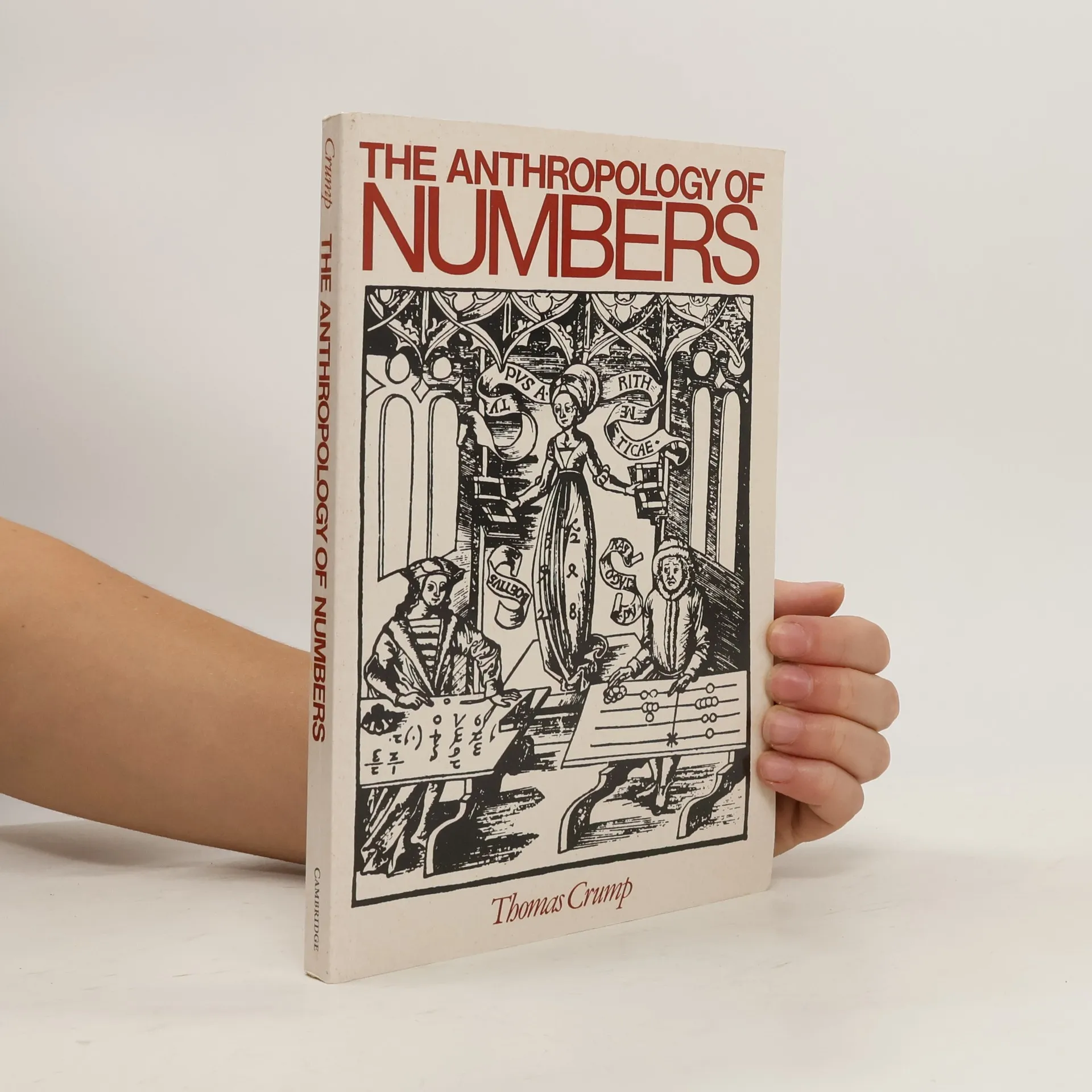
Numbers are an important feature of almost all known cultures. In this detailed anthropological study, Thomas Crump examines how people from a wide range of diverse cultures, and from different historical backgrounds, use and understand numbers. By looking at the logical, psychological and linguistic implications, he analyses how numbers operate within different contexts. The author goes on to consider the relationship of numbers to specific themes, such as ethnoscience, politics, measurement, time, money, music, games and architecture. The Anthropology of Numbers is an original contribution to scholarship, written in a clear and accessible style. It will be of interest to anthropologists who study cognition, symbolism, primitive thought and classification, and to those in adjacent disciplines of psychology, cognitive science and mathematical social science.
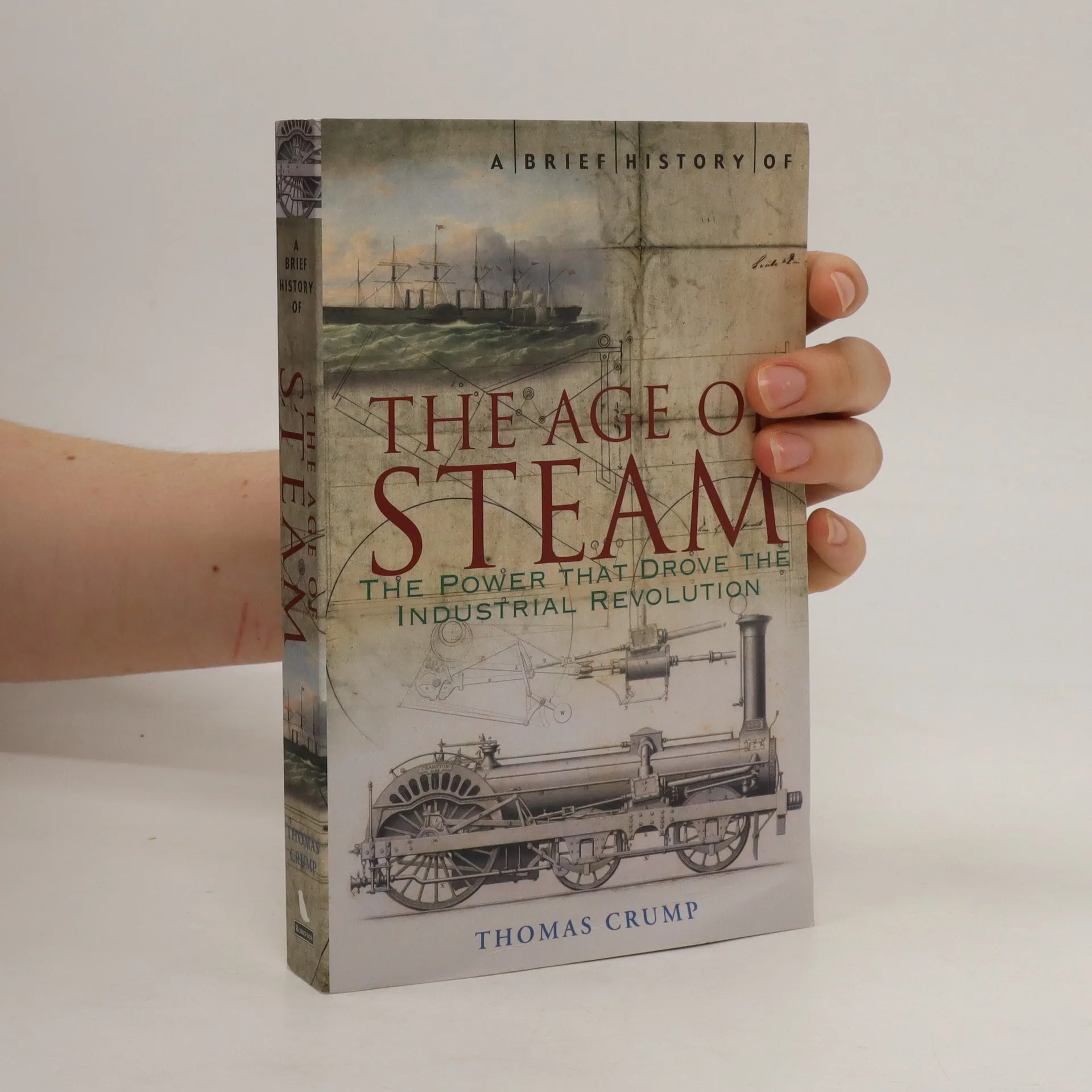
Covers the real story behind the Industrial Revolution. This title reveals not just the lives of the great inventors such as Watts, Stephenson and Brunel but also tells a narrative that reaches from the US to the expansion of China, India and South America and shows how the steam engine changed the world