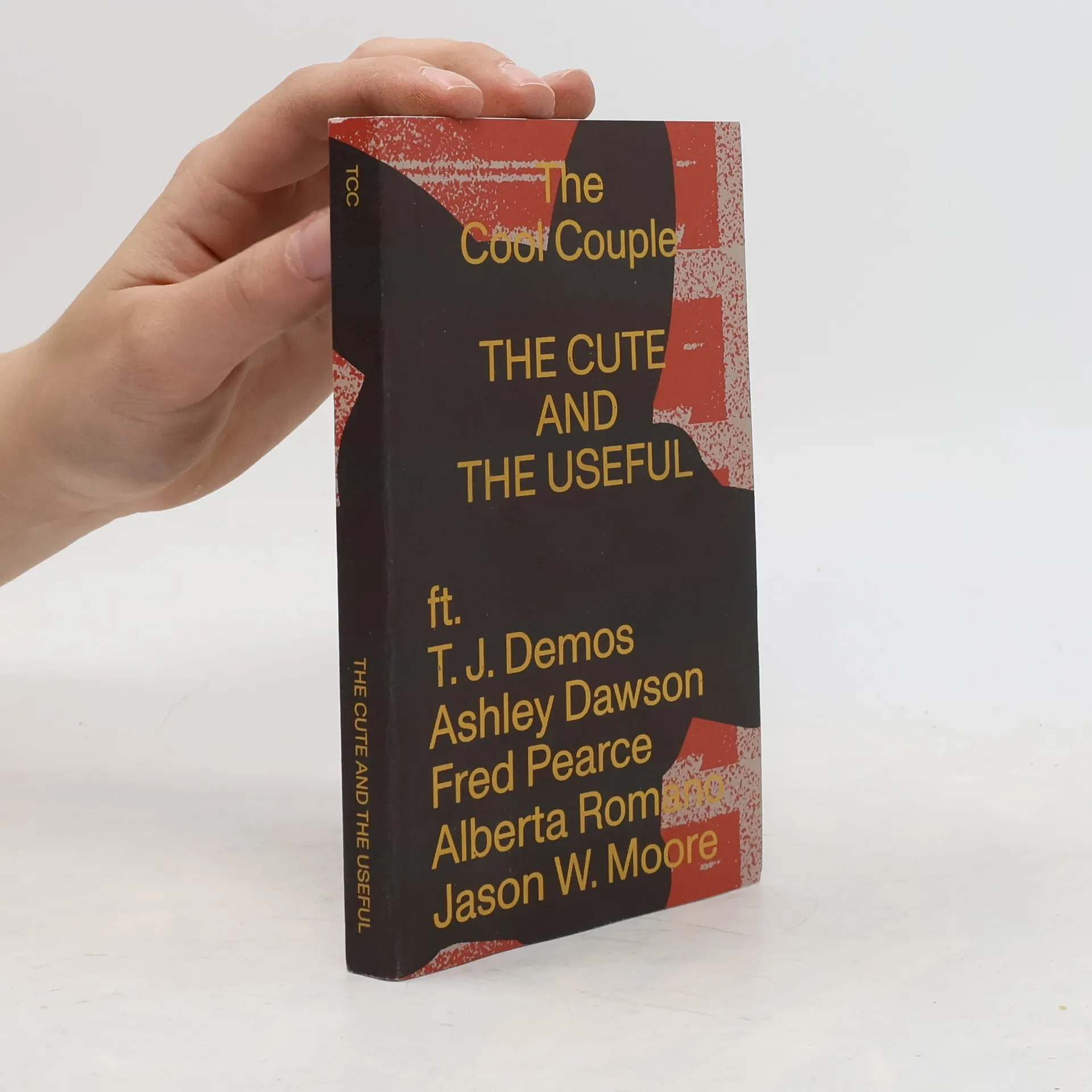
The Cute and the Useful
- 189 Seiten
- 7 Lesestunden


Fred Pearce ist ein englischer Autor und Journalist, der für seine scharfen Einblicke in globale Umweltfragen bekannt ist. Seine Arbeit konzentriert sich auf komplexe Themen wie Wasser und Klimawandel und fordert mit seinen gegenläufigen Ansichten oft die konventionelle Weisheit heraus. Als Skeptiker im besten Sinne ermutigt Pearce seine Leser, etablierte Narrative zu hinterfragen und neue Perspektiven auf kritische ökologische Herausforderungen zu berücksichtigen. Sein unverwechselbarer Ansatz macht seine Berichterstattung zu einer unverzichtbaren Lektüre für alle, die sich für die Zukunft unseres Planeten interessieren.
Trees keep our planet cool and breathable. They make the rain and sustain biodiversity. They are essential for nature and for us. And yet, we are cutting and burning them at such a rate that many forests are fast approaching tipping points beyond which they will simply shrivel and die. But there is still time, and there is still hope. If we had a trillion more trees, the damage could be undone. So should we get planting? Not so fast. Fred Pearce argues in this inspiring new book that we can have our forests back, but mass planting should be a last resort. Instead, we should mostly stand back, make room and let nature -- and those who dwell in the forests -- do the rest. Taking us from the barren sites of illegal logging and monocrop farming to the smouldering rainforests of the Amazon, Fred Pearce tells a revelatory new history of the relationship between humans and trees - and shows us how we can change it for the better. Here we meet the pilot who discovered flying rivers, the village elders who are farming amid the trees, and the scientists challenging received wisdom. And we visit some of the world's most wondrous treescapes, from the orchid-rich moutaintops of Ecuador to the gnarled and ancient glades of the South Downs. Combining vivid travel writing with cutting edge science, A Trillion Trees is both an environmental call to arms and a celebration of our planet's vast arboreal riches
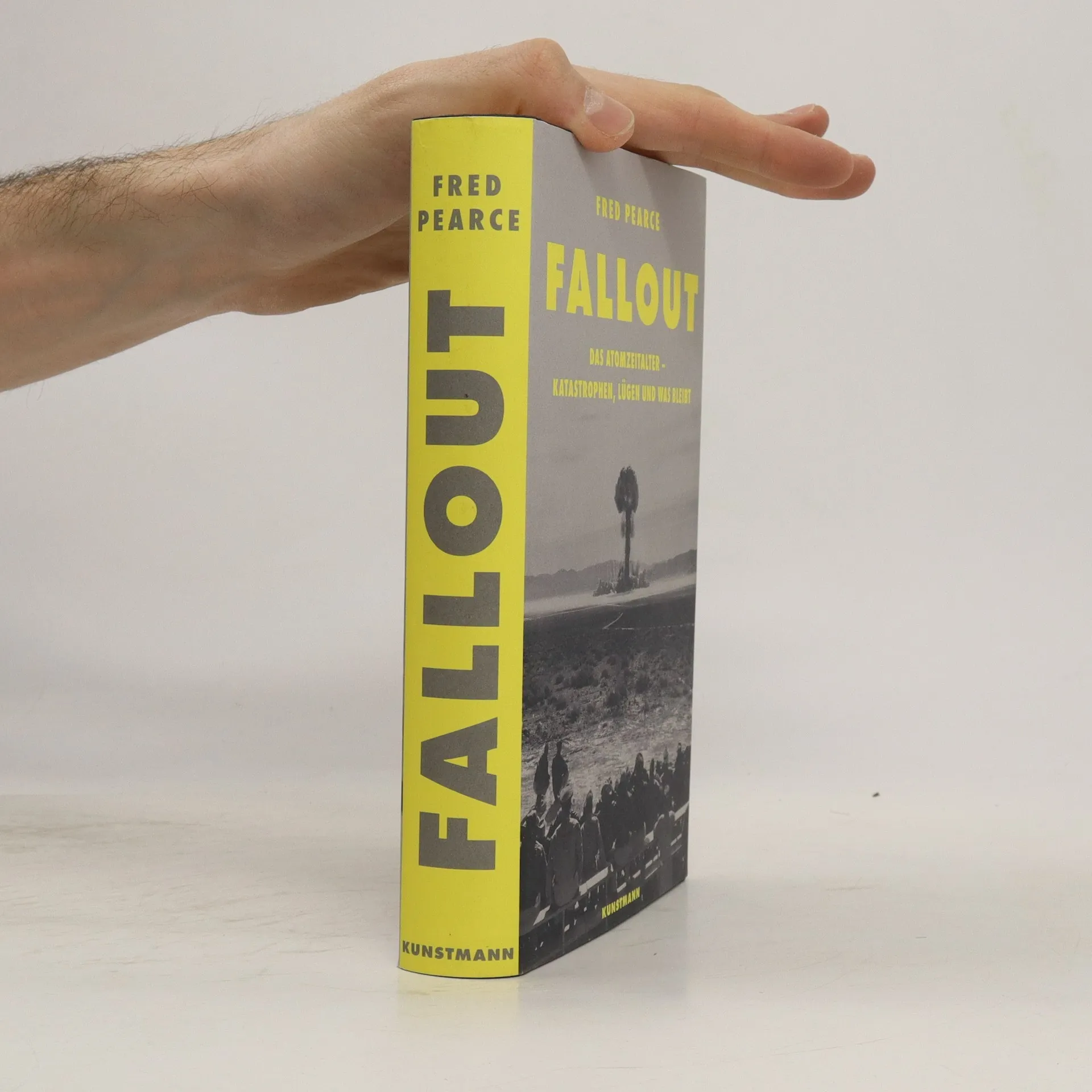
Das Atomzeitalter - Katastrophen, Lügen und was bleibt
Gekündigte Atomabkommen, drohendes Wettrüsten, marode Kernkraftwerke... der Geist der Radioaktivität schwebt weiter über uns. Aber was genau wissen wir über die Folgen von Verstrahlung und die Gefahren, die von stillgelegten Meilern ausgehen? Wie leben die Menschen in und um die Sperrzonen? Und wohin mit dem ganzen Atommüll? Eine fesselnde Reise durch das nukleare Zeitalter.
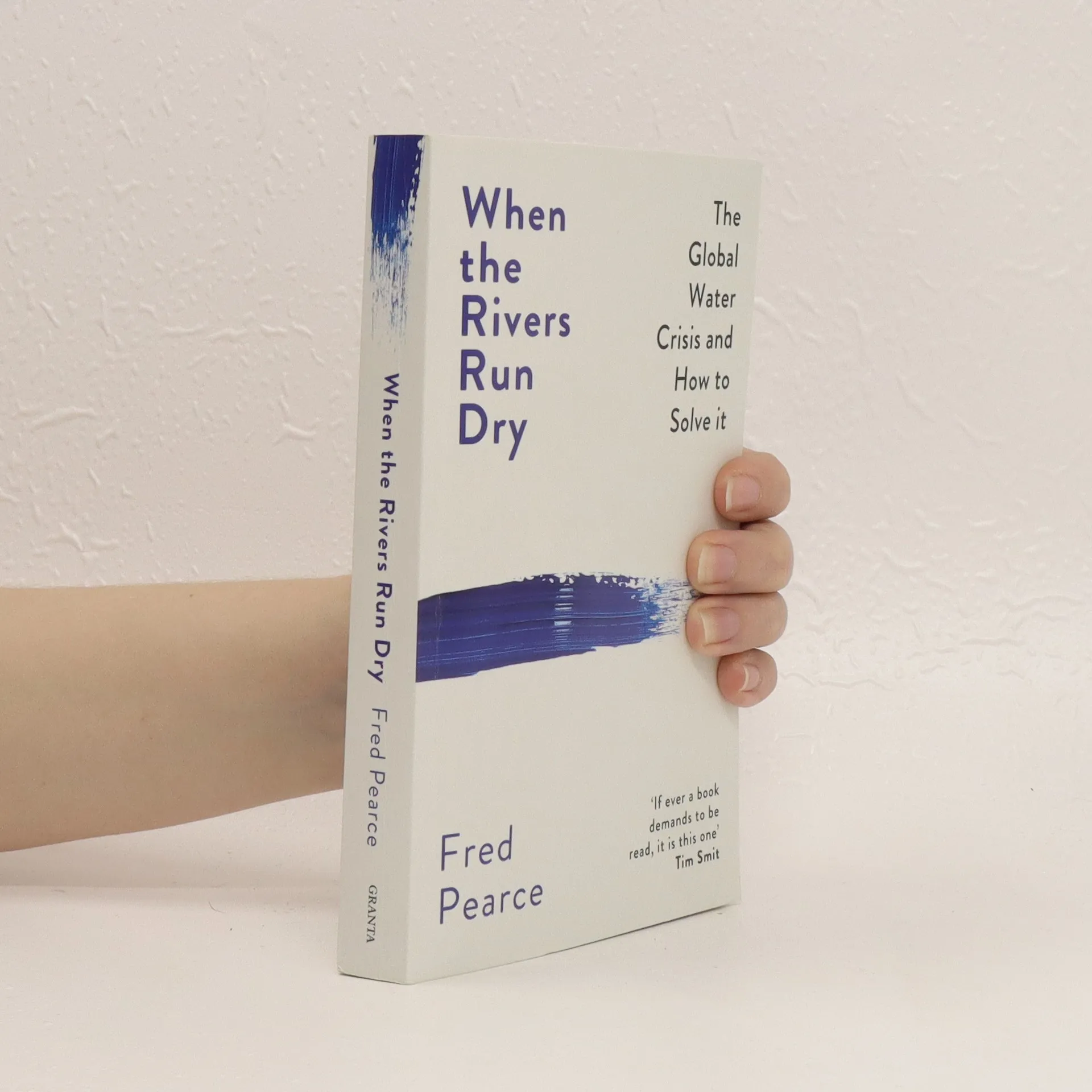
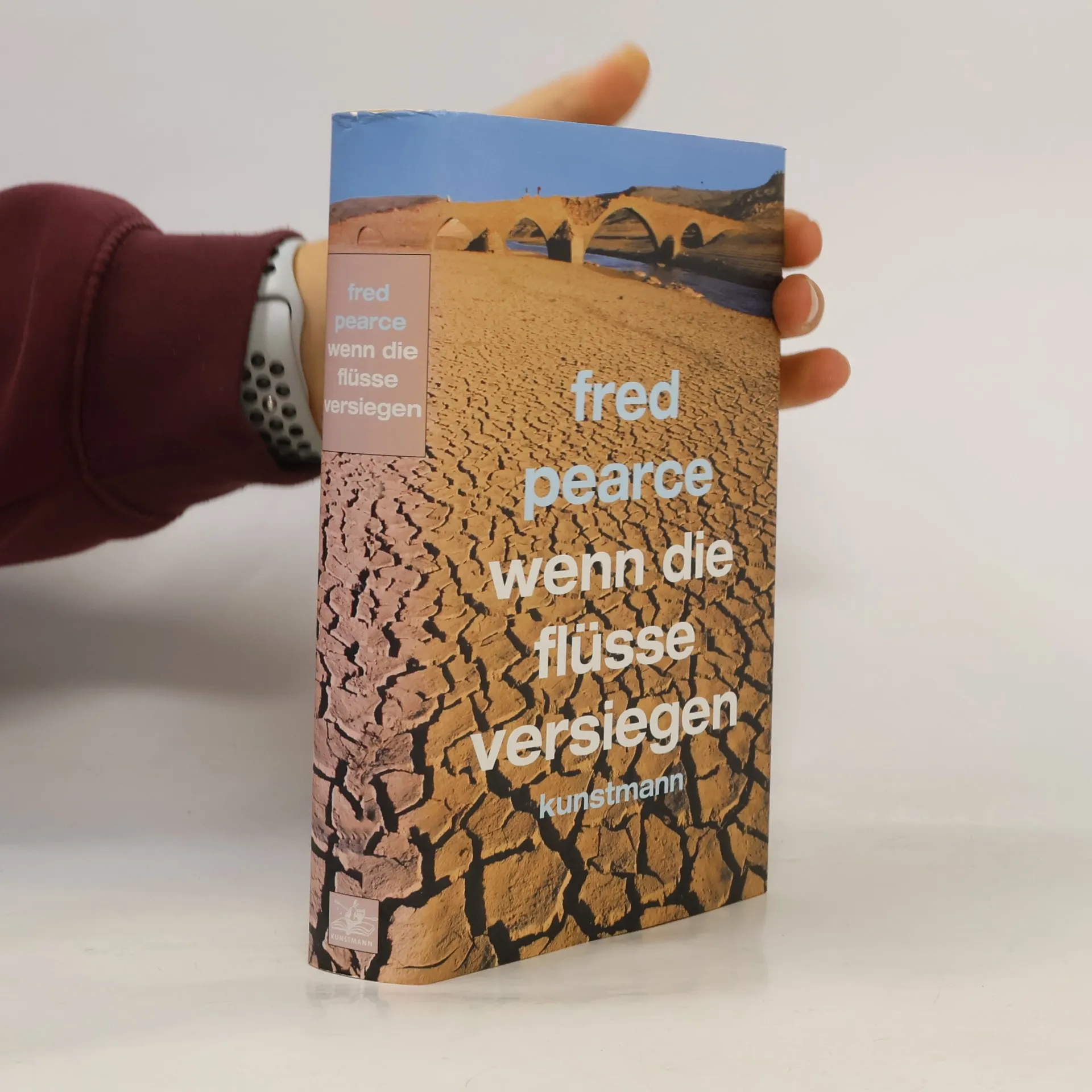
In When the Rivers Run Dry, Fred Pearce explores the growing world water crisis, from Kent to Kenya. His powerful reportage takes us to places where waterways are turning to sand before they reach the ocean; where fields are parched and crops no longer grow; where once fertile ground has turned to desert; where wars are fought over access to water and cultures are dying out. But he offers us hope for the future - if we can radically revolutionise the way we treat water, and take personal responsibility for the water we use
Der exklusive Begleitband zur bahnbrechenden neuen Dokuserie auf NETFLIX. UNSER PLANET feiert die Vielfalt und Kostbarkeit der Erde. In beispiellos schönen, nie gesehenen Bildern. Und mit einer verblüffenden Erkenntnis: In der einzigartigen Erneuerungskraft der Erde liegt der Schlüssel zum Überleben des Menschen. Denn Ozeane, Wälder, Wüsten und Steppen können sich erholen, erstaunlich schnell und umfassend – wenn wir sie nur lassen. Mit Aufnahmen von einigen der seltensten Kreaturen und von verborgenen Winkeln der Erde – von der Tiefsee bis zu entlegenen Wäldern und Gletschern – eröffnet dieses Buch allen Naturliebhabern ein tieferes Verständnis der Erde. Es zeigt die spektakulärsten Facetten unseres Planeten und erzählt vom Einfluss des Menschen auf seine Ökosysteme, allen voran vom Klimawandel und vom dramatischen weltweiten Artensterben. UNSER PLANET ist ein bildgewaltiger, leidenschaftlicher und hoffnungsvoller Weckruf über alle Generationen hinweg. „Die Zukunft allen Lebens auf unserem Planeten hängt davon ab, ob wir bereit sind, jetzt zu handeln.“ Sir David Attenborough
The book is published with the support of the Unitarian Universalist Association of Congregations, indicating a focus on themes related to spirituality, community, and social justice. It likely explores ideas central to Unitarian Universalism, such as the importance of individual beliefs and the pursuit of truth, fostering inclusivity and understanding among diverse perspectives. Readers can expect a thoughtful examination of faith and its role in contemporary society.
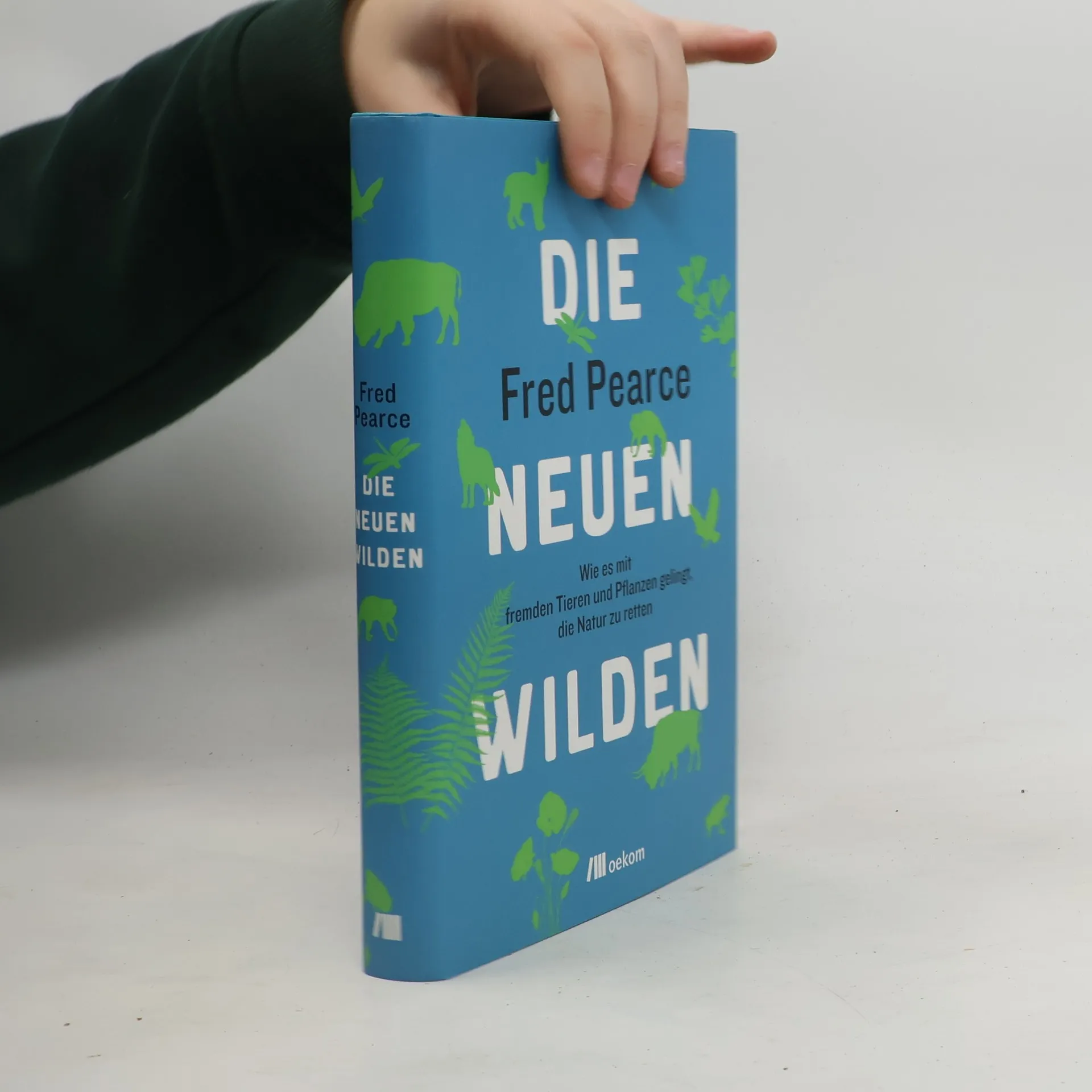
Lange Zeit war Fred Pearces Meinung zu invasiven, gebietsfremden Arten eindeutig: Bärenklau, Waschbär und Co. gehören nicht nach Mitteleuropa und bedrohen unsere heimische Tier- und Pflanzenwelt. Doch was, wenn unsere traditionelle Sicht auf die Natur falsch ist? Was, wenn echter Naturschutz gerade darin besteht, die Eindringlinge willkommen zu heißen? Sein aktuelles Buch ist eine scharfe Kritik an einem rückwärtsgewandten Naturschutz, der invasive Arten zu Sündenböcken stempelt. Denn gerade in Zeiten des Klimawandels brauchen wir widerstandsfähige Arten, die unsere Natur bereichern und heilen.
A provocative exploration of the 'new ecology' and why most of what we think we know about alien species is wrong
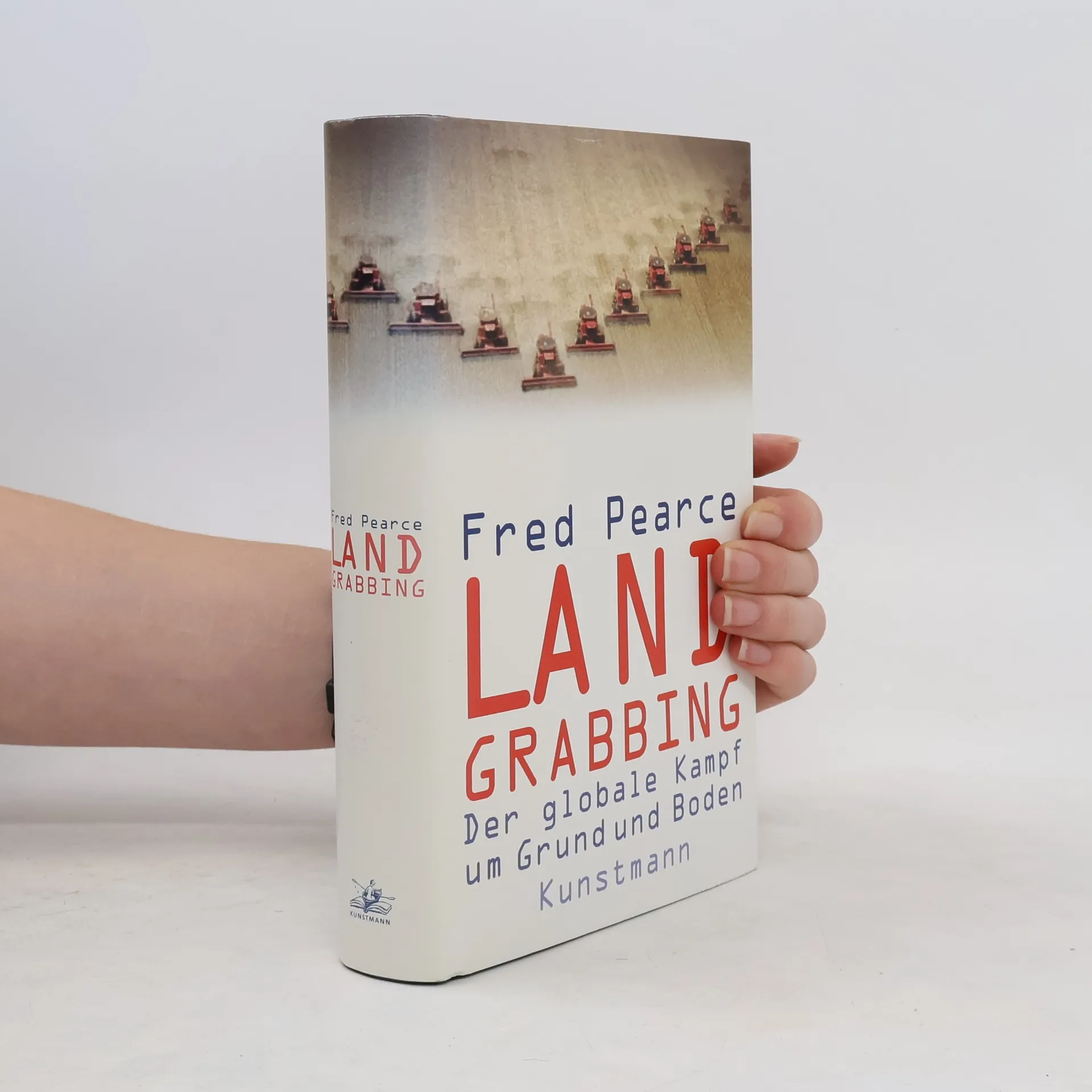
Land ist begehrt wie nie: Staaten wie China, multinationale Firmen und reiche Privatanleger investieren neuerdings massiv in Grund und Boden. Ob in Afrika, Asien oder Südamerika – Anbauflächen von der Größe ganzer Provinzen wechseln den Besitzer. Doch wenn Agrarland zum Spekulationsobjekt wird und Hedgefonds über die fruchtbarsten Anbaugebiete unseres Planeten bestimmen, sind die Folgen für uns alle unabsehbar. Der bekannte Umweltjournalist Fred Pearce hat in über 20 Ländern Käufer und Investoren interviewt (unter denen sich neben Ölscheichs, Goldman Sachs und Lord Rothschild vermutlich auch Ihr Pensionsfonds befindet), aber auch mit den betroffenen Bauern, Viehzüchtern und Naturvölkern in Sumatra, Brasilien oder Liberia gesprochen. Wir erfahren, was Abholzungslizenzen in Zentralafrika mit einer französischen Präsidentenwahl zu tun haben und wo und warum George Soros, aber auch die kolumbianische Drogenmafia und die Moon-Sekte in Land investieren. Es geht um Nahrungsmittelproduktion für eine wachsende Bevölkerung – aber auch um gewaltige Profite und einen neuen Kolonialismus, dessen Bedeutung und Dramatik selbst die Klimafrage in den Schatten stellt. Ein aufrüttelndes Buch, das die Methoden des Agrobusiness, aber auch die Motive mancher Naturschützer auf den Prüfstand stellt; eine fesselnde Reportage, die zum Schutz der Ressource Land aufruft: der Lebensgrundlage allen Wirtschaftens.
Wherever we look, population is the driver of the most toxic issues on the political agenda. But while prominent voices cry out for population control, few realise that the population bomb is already being defused. Half the world's women are having two children or fewer. Within a generation, the world's population will be falling. And we will all be getting very old.So should we welcome the return to centre stage of the tribal elders? Or is humanity facing a fate worse than environmental apocalypse?Brilliant, heretical and accessible to all, Fred Pearce takes on the matter that is fundamental to who we are and how we live, confronting our demographic demons.
Book by Fred Pearce
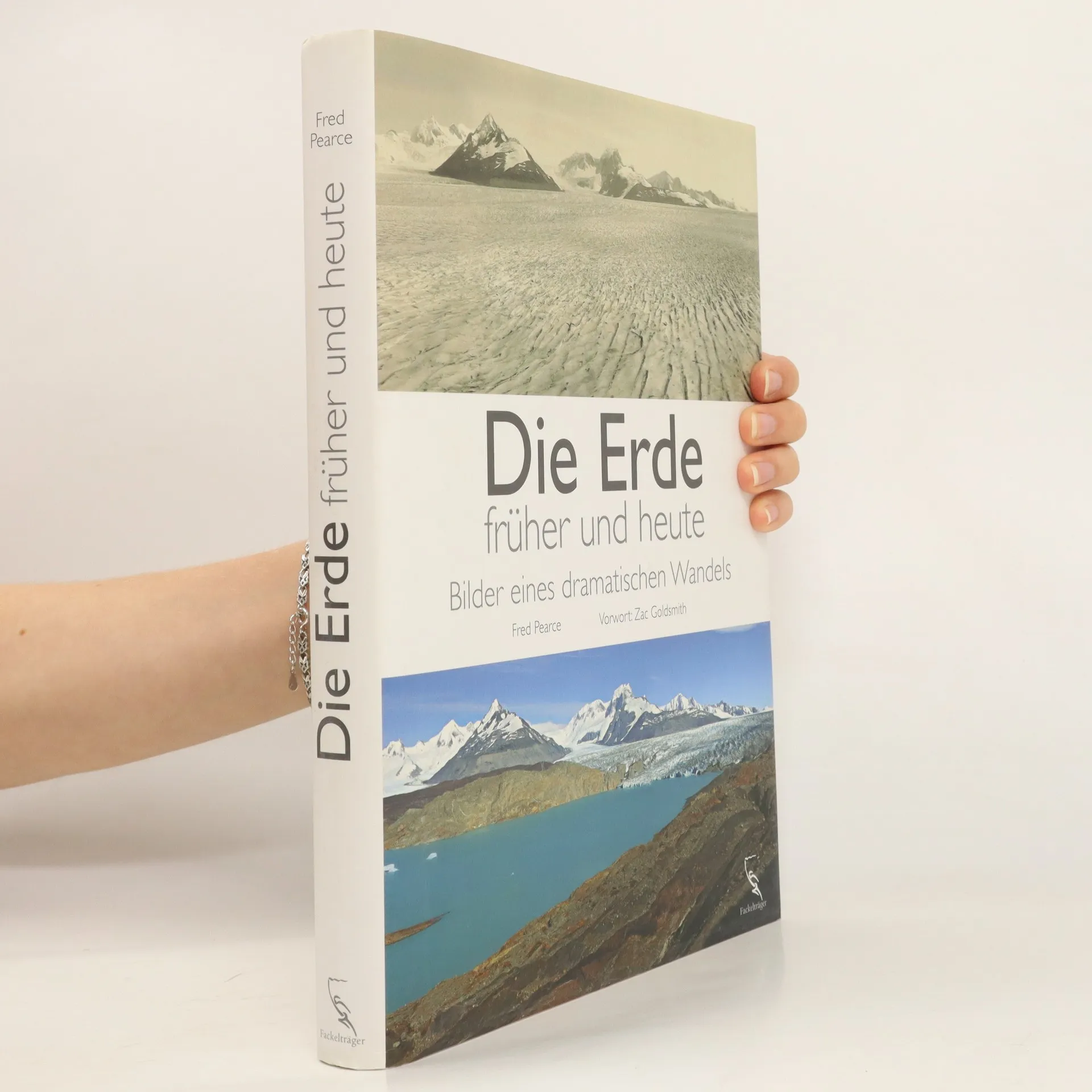
Gletscher gehen zurück, Regenwälder werden zu Steppen, Megacities von zuvor ungeahnter Größe schießen in atemberaubend kurzer Zeit rund um den Erdball aus dem Boden. In faszinierenden, ja manchmal im Zusammenspiel gar schockierenden Bildpaaren zeigen fast 300 Fotos in eindrucksvoller Weise die zahllosen Eingriffe in die Oberfläche unseres Planeten während der letzten hundert Jahre. Jeweils zwei Aufnahmen, die im Abstand mehrerer Jahre oder Jahrzehnte den selben Ort zeigen, führen das unglaubliche Ausmaß der Umweltveränderungen durch Erderwärmung, Klimawandel, gigantische Bauvorhaben oder andere menschliche Eingriffe in die Natur vor Augen. Gemeinsam mit den aussagekräftigen, prägnanten Texte des engagierten Umweltjournalisten Fred Pearce zeigen die Aufsehen erregenden Fotos, wohin der fahrlässige Umgang mit der Natur führt. Eine fotografische Zeitreise, die verdeutlicht, wie fragil das ökologische Gleichgewicht des Blauen Planeten ist.
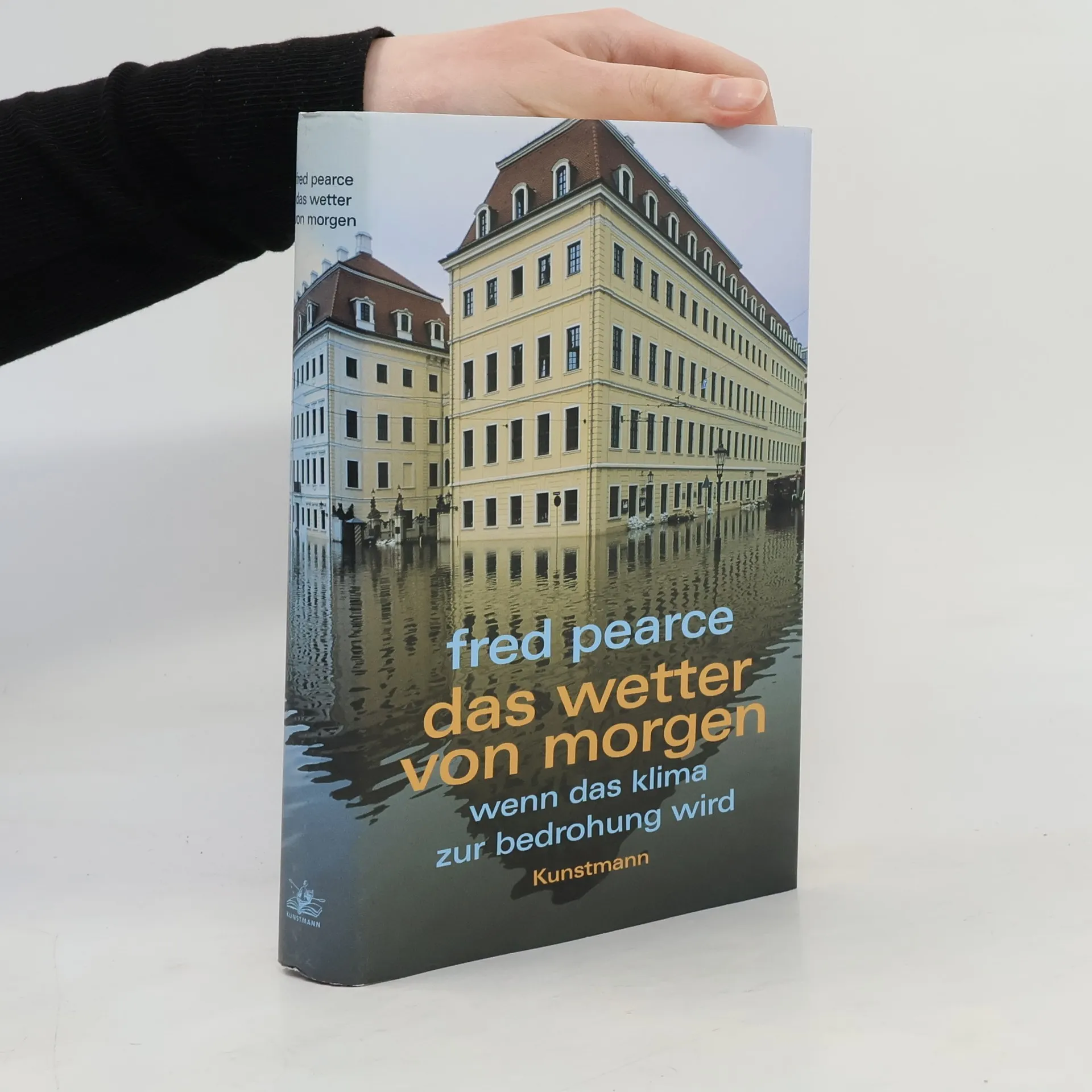
Die Realität des Klimawandels ist unbestritten, und selbst Politiker erkennen die wissenschaftlichen Fakten zu CO2-Ausstoß und Erderwärmung an. Dennoch wird oft zur Ruhe gemahnt, während weltweit Programme entwickelt werden, um den menschlichen Einfluss zu begrenzen und die Natur ins „natürliche Gleichgewicht“ zurückzuführen. Doch wie viel Zeit bleibt uns wirklich? Die neuesten Erkenntnisse der Klimaforschung, die Fred Pearce in diesem Werk zusammenstellt, sind alarmierender als alles, was bisher bekannt war. Die Vorstellung eines graduellen Wandels könnte grundlegend falsch sein, da die Natur kaum lineare Prozesse kennt. Stattdessen gibt es in der Erdgeschichte viele Beispiele für abrupte Veränderungen, wenn bestimmte Schwellenwerte überschritten werden. Die relativ stabile Klimaperiode seit der letzten Eiszeit war eher die Ausnahme. Pearce besucht globale Brennpunkte, die diese These untermauern, wie das größte Sumpfgebiet in Sibirien, wo auftauender Permafrost Millionen Tonnen Methan freisetzt, und die Antarktis, wo unterirdische Flusssysteme die Eisdecke destabilisieren. Es ist nicht Panikmache, sondern ein Aufruf von seriösen Wissenschaftlern, die ein radikaleres Umdenken fordern.
Alle Welt redet von schwindenden Energieressourcen; dass sich daneben eine ungleich gravierendere Wasserkrise anbahnt, ist bis jetzt kaum ins Bewusstsein gedrungen. Selbst wer umweltbewusst zu Hause Wasser spart, weiss selten, wieviel ”virtuelles Wasser“ er über Nahrung und Kleidung tatsächlich verbraucht: 5.000 Liter Wasser sind nötig, um ein Kilo Reis zu erzeugen, 11.000 Liter für das Rindfleisch eines Hamburgers, unglaubliche 20.000 Liter stecken in 1 kg Kaffeepulver. Kein Wunder, dass sich die Flüsse der Welt in atemberaubendem Tempo leeren, während durch Überregulierung andererseits die Flutgefahr dramatisch steigt. Längst weiss man, dass gigantomanische Bewässerungs- und Staudammprojekte eine enorme ökologische und ökonomische Verschwendung darstellen. Doch schon geht man weltweit dazu über, auch die unterirdischen Wasserreservoirs leer zu pumpen. Ressourcenkriege um Wasser bahnen sich an, denn: Ohne Öl können wir zur Not leben, ohne Wasser sicher nicht. Fred Pearces Berichte lesen sich wie Kriminalgeschichten und geben zugleich einen umfassenden Überblick über die Wasserkrise und ihre Auswirkungen.
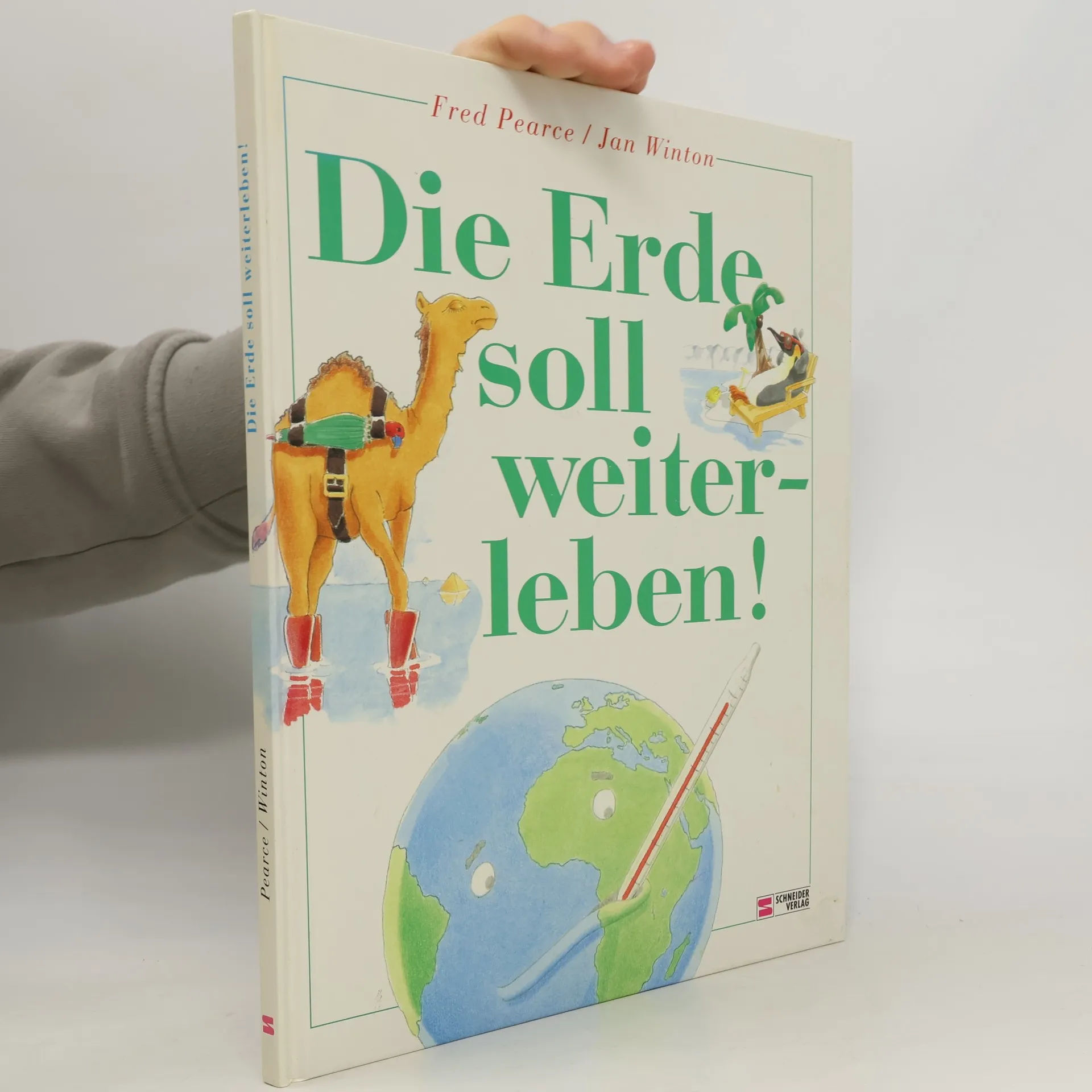
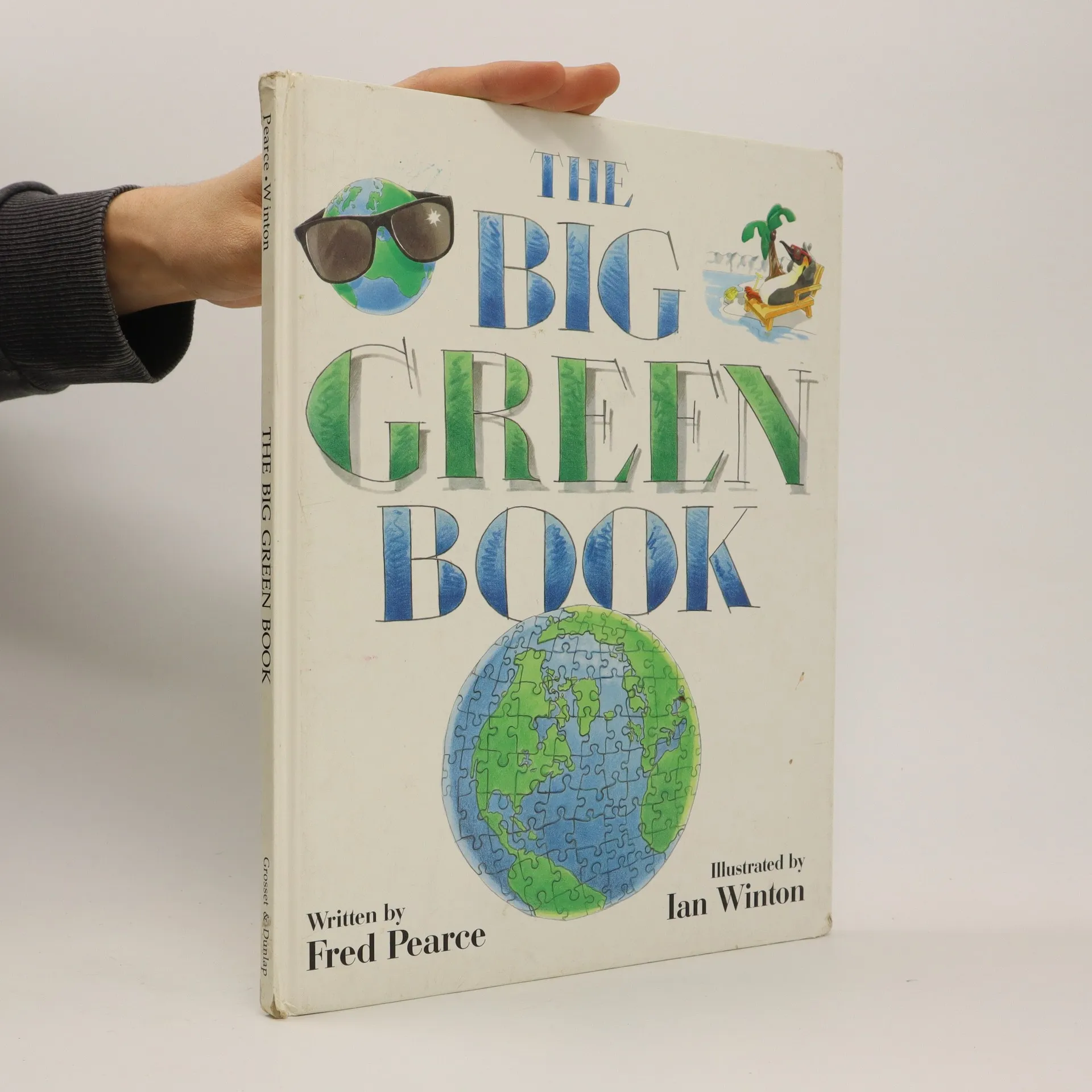
Von F. Pearce/J. Winton. - Sachbilderbuch zur Umweltproblematik. (ab 9).
The message is "think and act green" by conserving and recycling.