Bookbot

David Baker

    David Bakers Faszination für Wein begann zufällig während eines Zwischenstopps in Beaune, was ihn dazu brachte, auf kommerziellen Weingütern zu arbeiten. Diese Leidenschaft führte zur Produktion eines Films, einem Roman und einem dutzend Jahre, in denen er in seiner Garage Pinot Noir herstellte. Er besitzt einen MFA vom Columbia College in Chicago und ist Regisseur des Dokumentarfilms "American Wine Story". Seine Werke tauchen tief in die Welt des Weinbaus ein.

    David Baker
    Swift
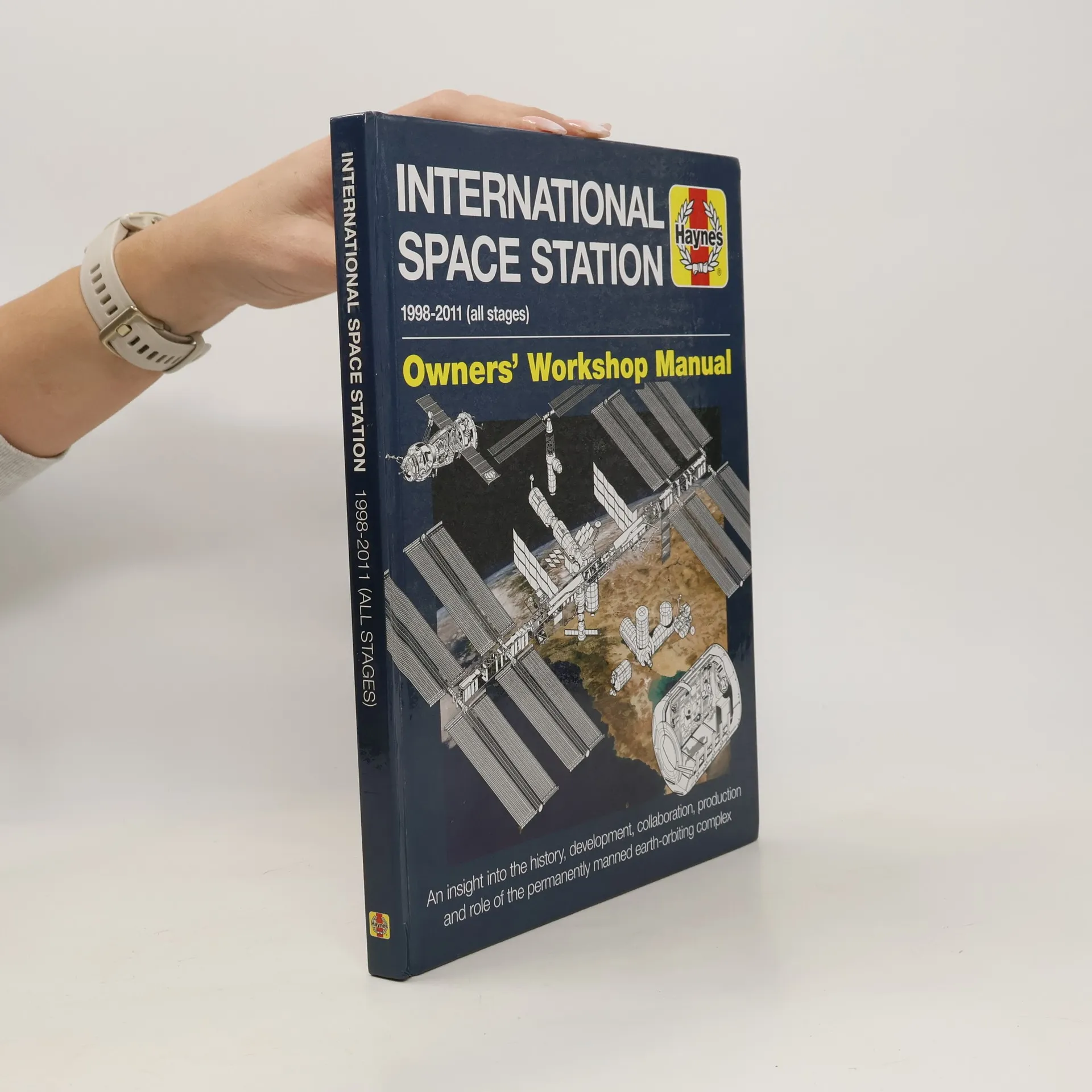
    Nasa Mars Rovers Manual
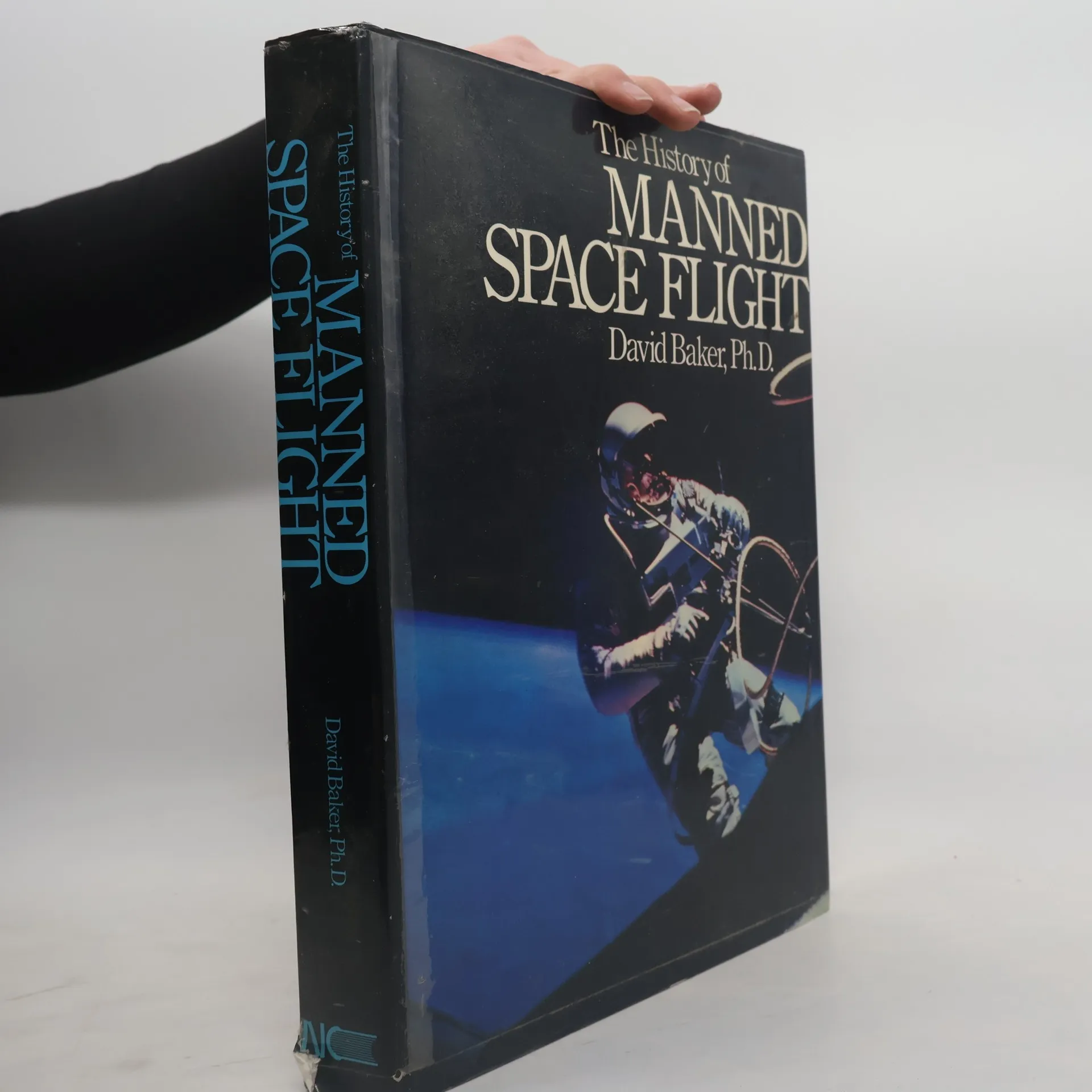
    Die neuen Space Shuttles Columbia, Enterprise & [und] Co.
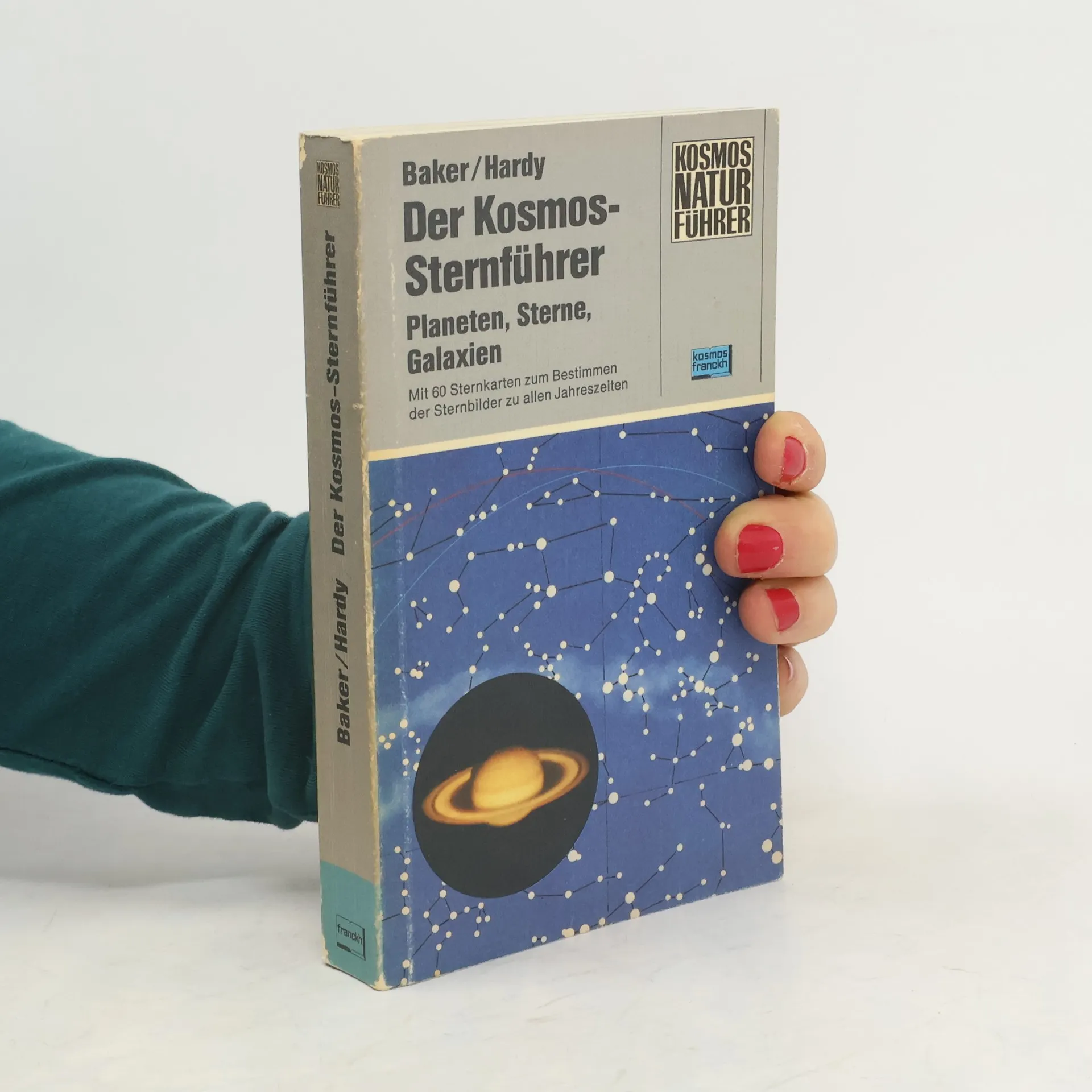
    Der Kosmos-Sternführer
    Atomwaffen
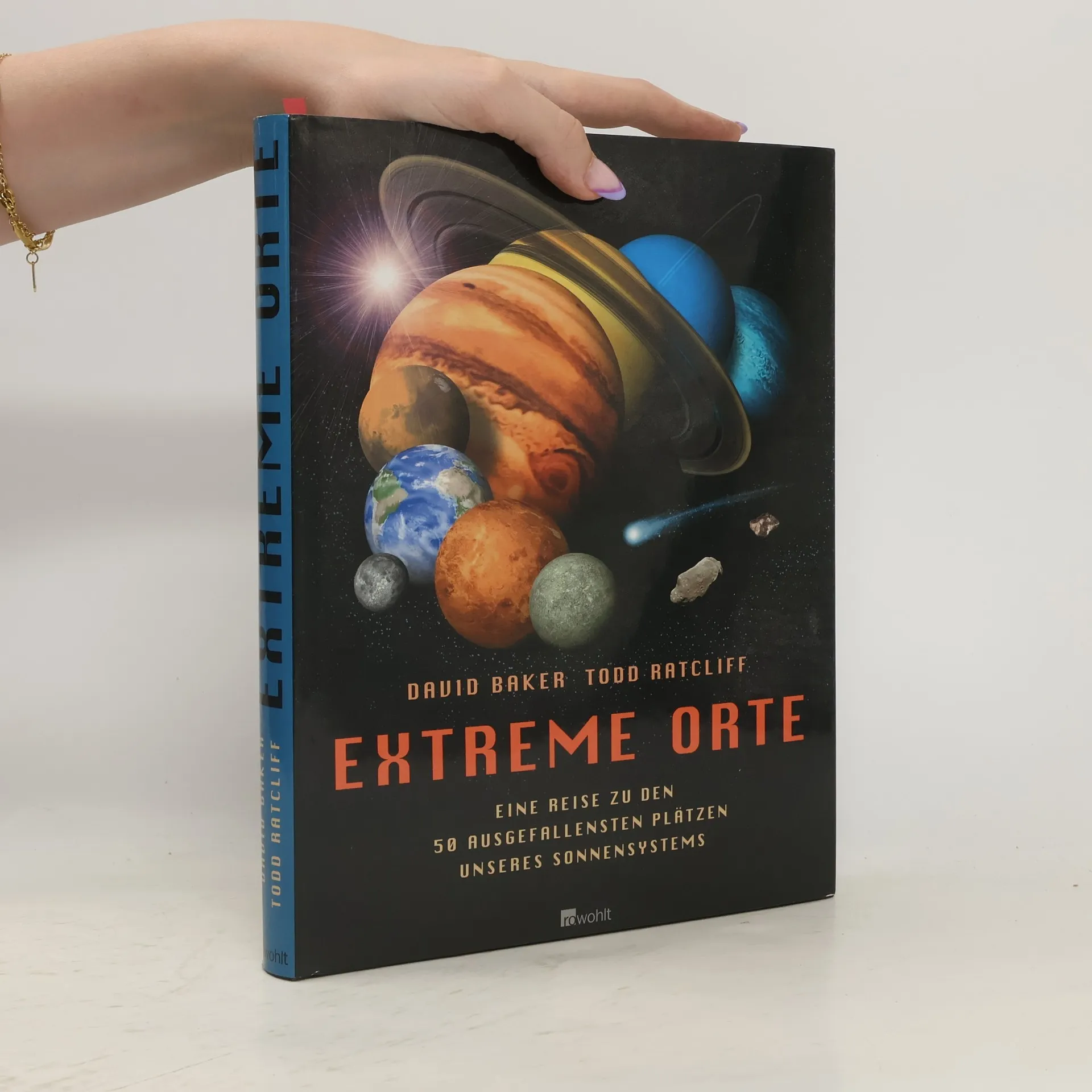
    Extreme Orte
    • Extreme Orte

      • 283 Seiten
      • 10 Lesestunden

      Ein spektakulärer Führer durch unser Sonnensystem Staubwirbel, höher als der Mount Everest, ein Hurrikan, der seit 340 Jahren tobt, Vulkane, deren Lava kälter ist als die Antarktis, und Himmelskörper, von deren Existenz und Beschaffenheit sich kaum jemand eine Vorstellung macht: Dieses Buch nimmt den Leser mit auf eine abenteuerliche Reise zu den extremen Orten und Ereignissen in unserem Sonnensystem. Es weitet den Blick über den Horizont der Erde hinaus auf Phänomene, die so erstaunlich sind, dass sie sogar die Wissenschaftler verblüffen, die sie erforschen. Rund 300 farbige Fotos und Abbildungen aus den NASA-Missionen machen diese Reise ins Weltall auch optisch zu einem faszinierenden Erlebnis.


      Extreme Orte
      5,0
    • Atomwaffen

      Geschichte, Technik, Trägersysteme

      • 224 Seiten
      • 8 Lesestunden

      Atomwaffen gelten als das Schreckgespenst des Krieges und der Einsatz solcher Waffen ist eigentlich unvorstellbar. Und doch gibt es sie in den Arsenalen weniger Atommächte; sie sind eine militärische Realität und gerade in der heutigen Zeit tut neutrale lnformation Not. Dieses Buch bietet eine sachliche Beschreibung aller Atomwaffen: wie sie konstruiert sind, wie sie funktionieren, wer über sie verfügt und wie sie im Kriegsfall eingesetzt würden. Ausgewogen werden hier lnformationen vermittelt, die für viele Menschen normalerweise schwer oder gar nicht zugänglich sind. Das Standardwerk zum Thema.

      Atomwaffen
    • Nasa Mars Rovers Manual

      • 192 Seiten
      • 7 Lesestunden

      Is there life on Mars? This age-old question has prompted many missions to Mars, with the most recent rover, Curiosity, having safely landed in August 2012 amid a blaze of publicity. This manual covers the development, design and engineering of three generations of Mars rover: Sojourner, which landed in 1997, was the size of a microwave; Spirit and Opportunity, both the size of a shopping cart, followed in 2004; and Curiosity is the size of a car, with a design life of two years. Learn how these machines work as well as what they have found and hope to discover - and look forward to the possibility that humans may yet set foot on the Red Planet.

      Nasa Mars Rovers Manual
      4,5
    • Swift

      • 208 Seiten
      • 8 Lesestunden

      A sweeping achievement from a poet whose rhythms are as alive to the roll and tang of syllables on the tongue as they are to the circulation of blood and sap (Rosanna Warren, Theodore Roethke Memorial Poetry Prize citation).

      Swift
      5,0
    • The Saturn I/IB Rocket

      • 382 Seiten
      • 14 Lesestunden

      In this eagerly anticipated book, renowned space historian and author David Baker turns his attention to the Saturn I and IB rockets. Although considered as merely a 'stepping stone' from the Mercury and Gemini programs to the mighty Saturn V and the Apollo missions that put the first humans on the Moon, the Saturn I and IB rockets actually played a far more significant role in NASA's manned space effort. As the first American 'heavy lift' rocket , Wernher von Braun's Saturn I traced its lineage right back to his WWII V2 rocket, through Redstone to the Jupiter and Juno projects that lead to the Saturn vehicles. In describing this often-overlooked historical background, the story of the transition of the space program from the US Army to the (then) newly-formed NASA, and the evolution from launching men and satellites on modified missiles, to flying purpose-built space rockets, is also uncovered. The first Saturn I flew in 1961 and it remained in service until 1975, flying the first manned Apollo mission, testing stages for the Moon flights and launching 'Skylab' astronauts among other accomplishments. Illustrated throughout with NASA technical drawings and photographs, many previously unpublished, this absorbing book also includes a description of each mission flown by the Saturn I and IB.

      The Saturn I/IB Rocket
      5,0
    • FCE Result

      Teacher's Pack

      A complete support package to help you train and assess your Cambridge First (FCE) students with confidence.

      FCE Result
      4,7
    • The Hubble Space Telescope is an international venture primarily between the USA and Europe. With views of the cosmos, this book inspires the generation of enthusiasts to study the night sky through simple telescopes.

      Nasa Hubble Space Telescope Owners' Workshop Manual
      4,6