Richard Goodman widmet sich der Suche nach Wahrheit im Alltag und der Entdeckung, wie scheinbar gewöhnliche Erlebnisse tiefere menschliche Erkenntnisse offenbaren können. Sein Stil zeichnet sich durch scharfen Einblick und die Fähigkeit aus, persönliche Reflexionen in universelle Themen zu verwandeln. Goodman untersucht die komplexen Zusammenhänge zwischen Ort, Erinnerung und Identität, oft mit Fokus auf den kreativen Prozess. Seine Werke bieten Lesern einen Einblick in das Wesen des kreativen Schreibens und die Kunst, Sinn in alltäglichen Ereignissen zu finden.
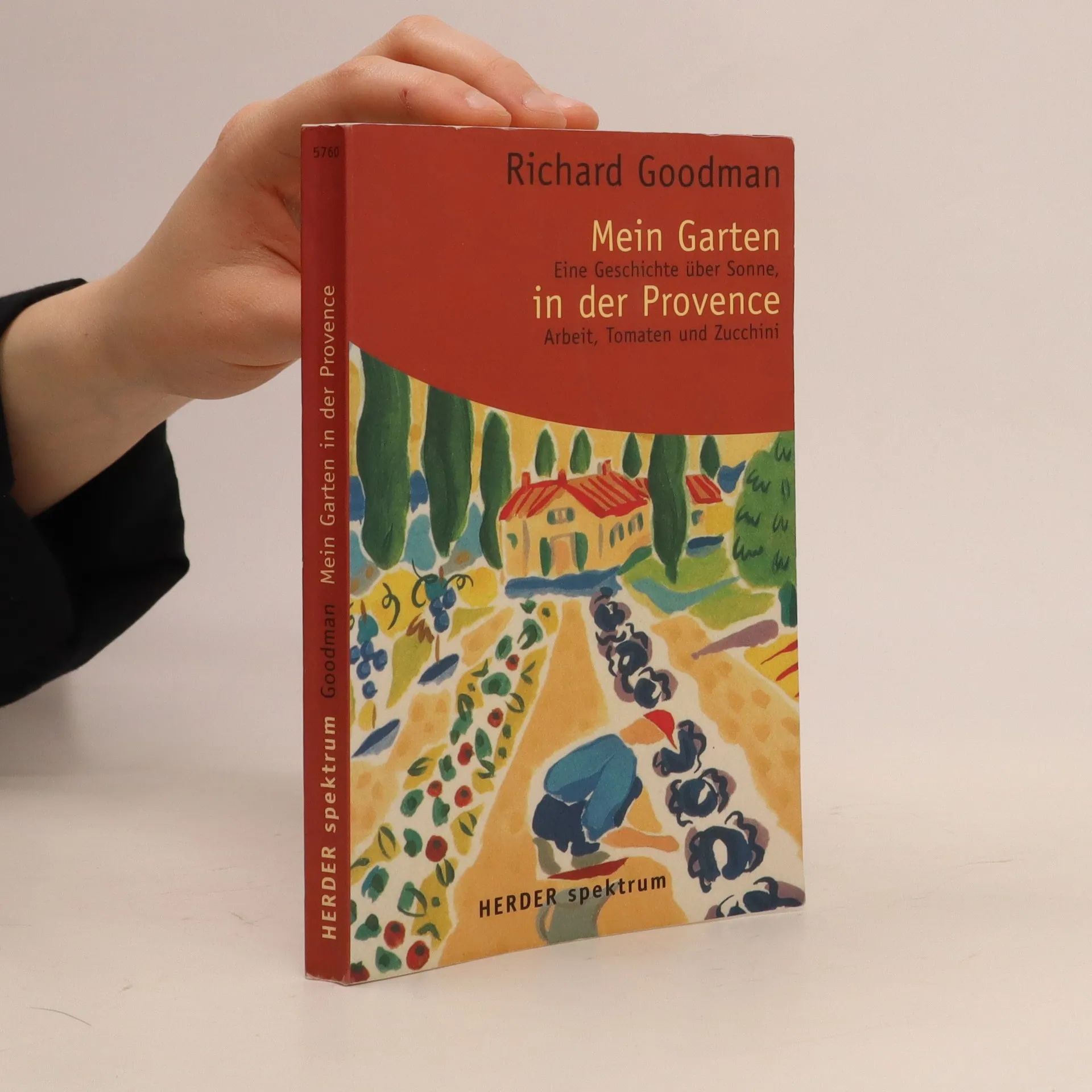
„Altes Steinhaus in Südfrankreich zu vermieten“: Der New Yorker Autor Richard Goodman liest die Anzeige - und beschließt das zu tun, wovon wir alle träumen. Er zieht mit seiner Freundin nach St. Sébastien de Caisson.* 211 Einwohner. Für die Franzosen bleibt er ein Fremder. Bis er beginnt, sich um seinen Garten zu kümmern. Ein wunderbares Buch über das Leben in einem kleinen französischen Dorf, über Sonne, Regen, harte Arbeit, Wein, reife Tomaten - und den richtigen Zeitpunkt zum Gießen.
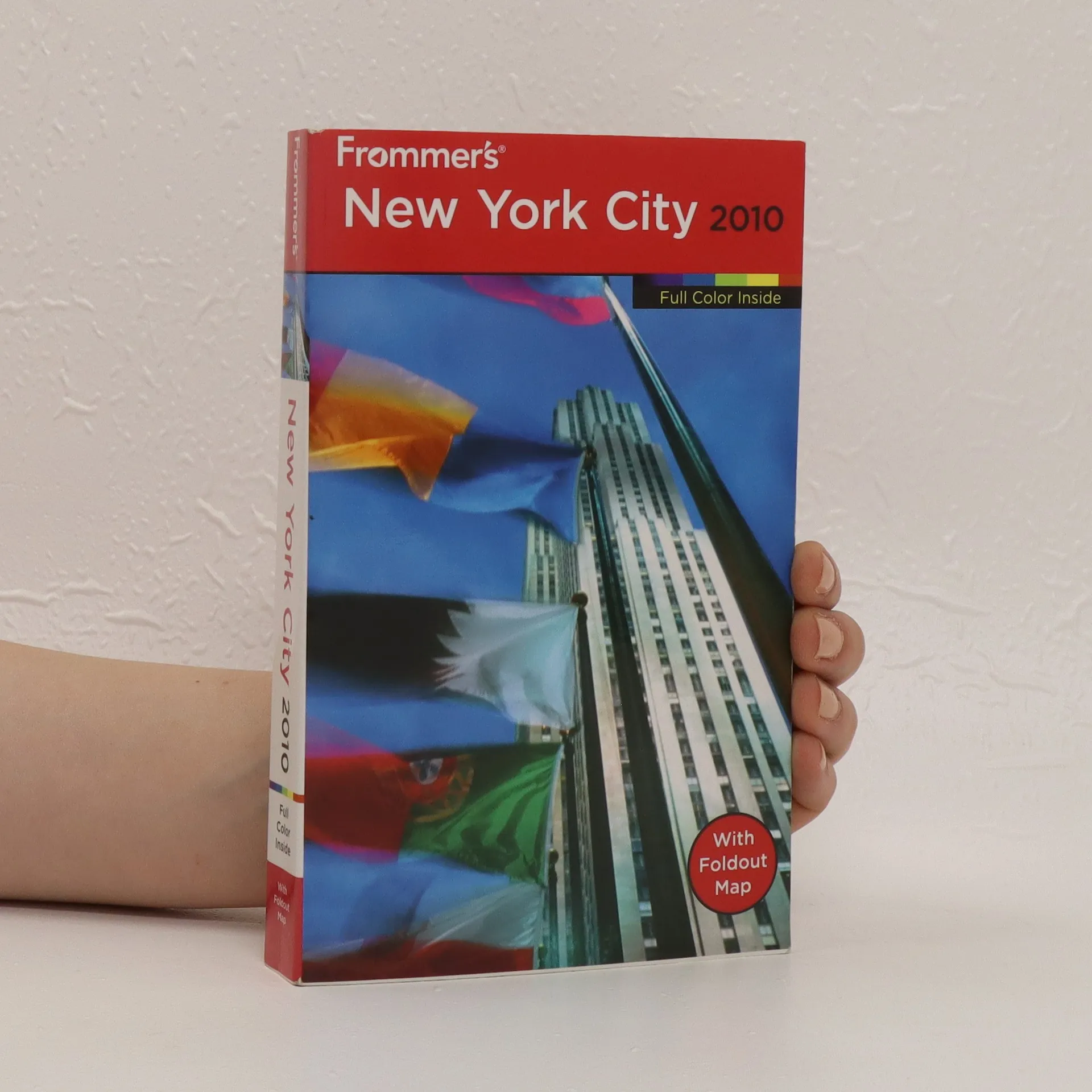
Over 200 full-color photos throughout Detailed itineraries, including a "Eating Tour" of some of New York's favorite foods Full-color maps, including a 2-page map of the Bronx Zoo Tips on gallery-hopping, finding the best inexpensive theater, and the best hotel (and dive) bars An in-depth chapter that goes from the sale of Manhattan to the Dutch through the city's 400th birthday New York City abounds with new museums: from the Soho annex of the Rock and Roll Hall of Fame, to the funky New Museum; we'll bring you the latest on the new arrivals and major renovations Hotel rooms and meals in restaurants are cheaper? How the city is responding to hard times...by cutting prices, and where to look for new-found bargains.
A story about dirt—and sun, water, work, elation, and defeat. It captures the sublime pleasure of tending to a piece of French land. Richard Goodman discovered an ad for a Southern France rental and, along with his girlfriend, left New York City to spend a year in a small village near Nimes. St. Sebastien de Caisson had no shops or gas stations, just a café and a school, and was home to farmers and vintners. Goodman watched the villagers gather each evening, yearning to join their camaraderie, but as an American, he felt like an outsider. Determined to connect, he donned his work boots and began laboring in the vineyards, transitioning from a hired worker to a farmer of his own small plot. This narrative unfolds as a love story between a man and his garden, detailing the processes of plowing, planting, watering, and tending to crops like cabbage, tomatoes, parsley, and eggplant. Most importantly, it explores the growing friendship between Goodman and the close-knit community of French farmers. The narrative highlights how shared labor in the garden fosters connections that transcend nationality, revealing the sweetness of human relationships through the simple act of cultivating the earth.