

Lieferung vor Weihnachten: Noch 3 Tage, 17 Stunden
Bookbot

Massimo Pigliucci

    16. Januar 1964

    Massimo Pigliuccis wissenschaftliche Arbeit befasst sich mit der Wissenschaftsphilosophie und der Natur von Pseudowissenschaften und untersucht kritisch die Grenzen zwischen empirischem Wissen und unbegründeten Behauptungen. Er beschäftigt sich zudem aktiv mit dem Studium und der Praxis des modernen Stoizismus. Durch seine Essays und seinen Podcast bietet er Lesern und Zuhörern Einblicke in praktische philosophische Prinzipien für ein reflektierteres Leben.

    How to Live a Good Life
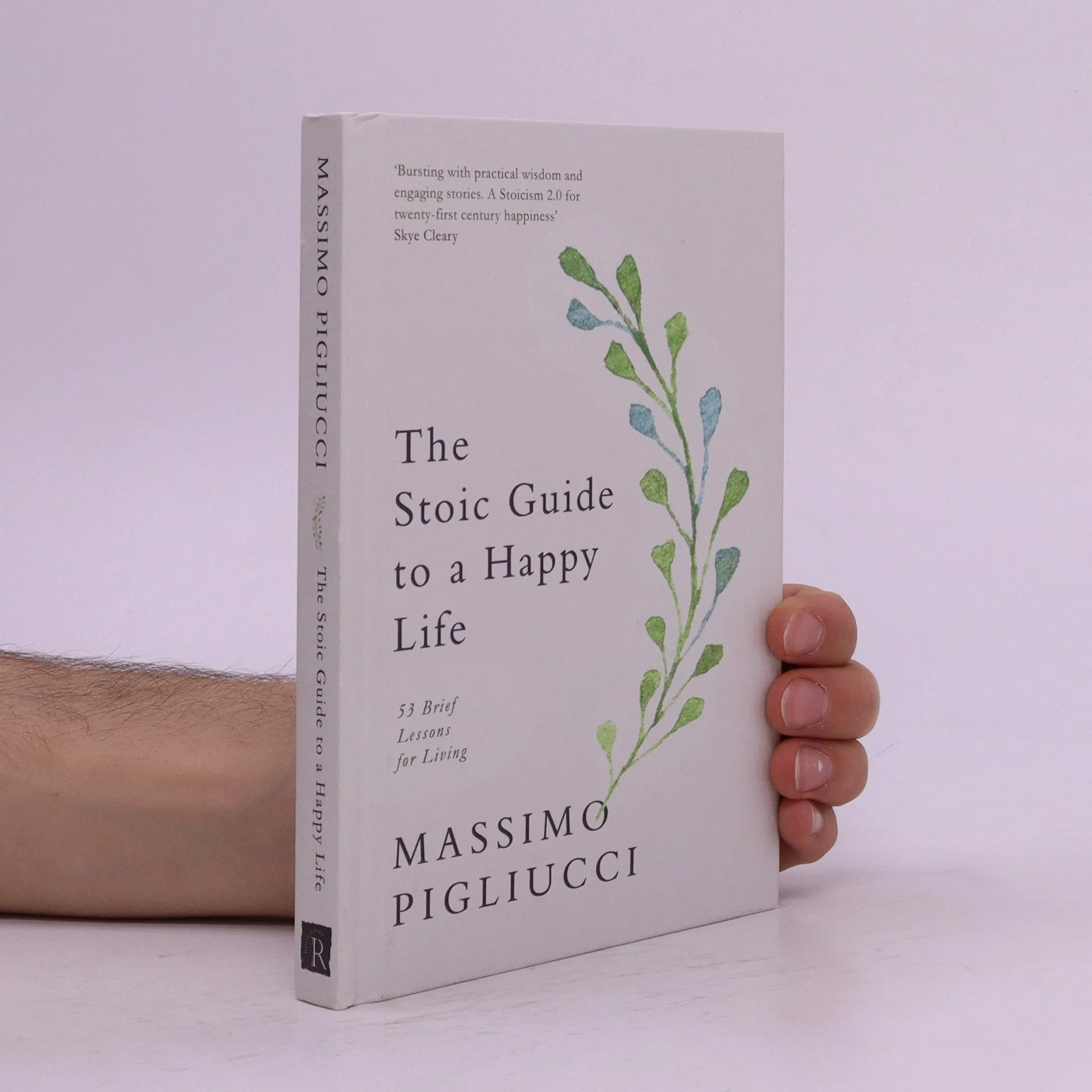
    The Stoic Guide to a Happy Life
    How To Be Good
    Das Handbuch des glücklichen Lebens
    Die Weisheit der Stoiker
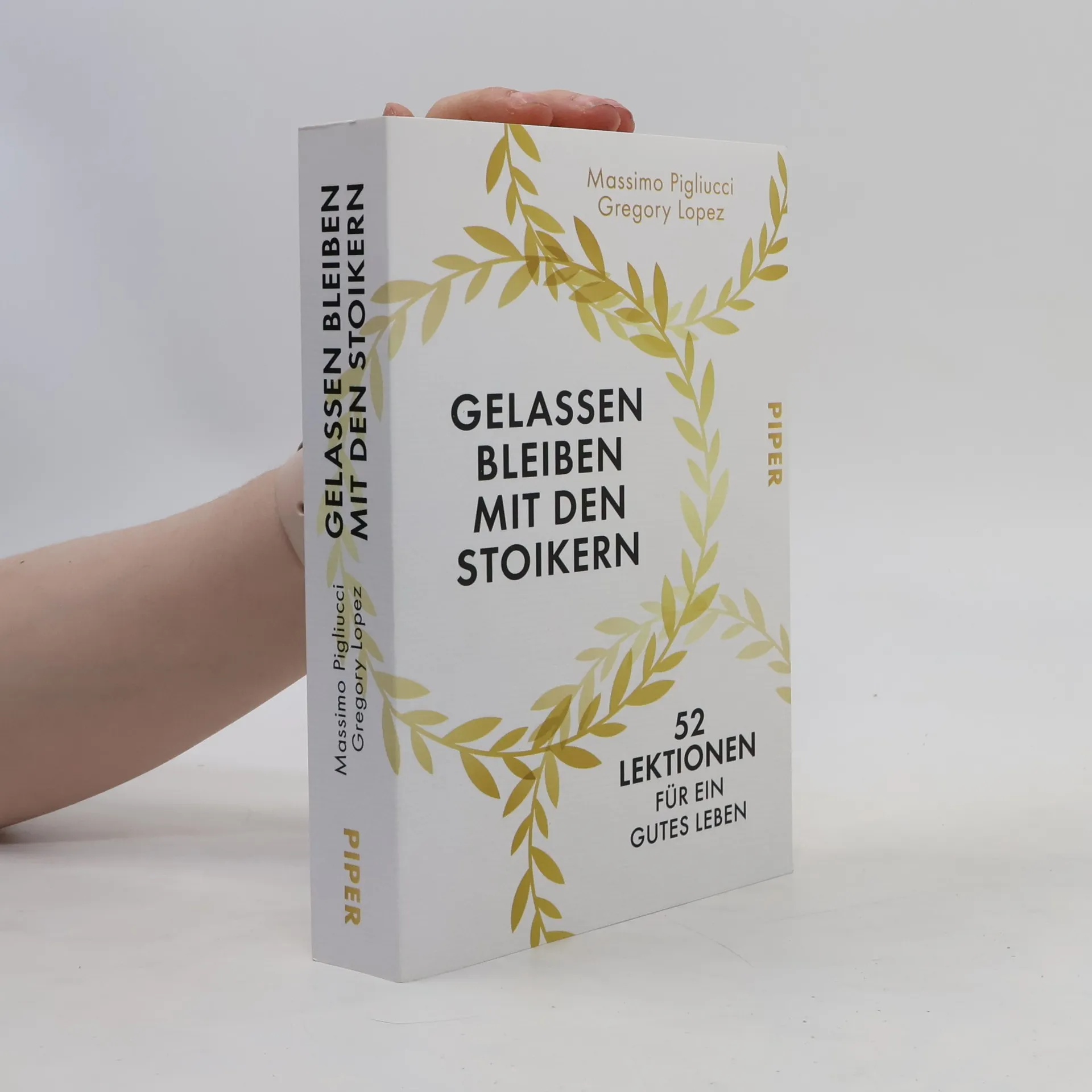
    Gelassen bleiben mit den Stoikern
    • 2022

      Das Handbuch des glücklichen Lebens

      53 kurze Lektionen, um gut zu leben

      Seit mehr als 2000 Jahren bietet der Stoizismus Ratschläge für mehr Widerstandsfähigkeit im Angesicht schwerer Schicksalsschläge und Prüfungen des Lebens. Massimo Pigliucci bietet in seinem Buch eine neue Lesart des Stoizismus, indem er ihn auf aktuelle Fragen unserer Zeit anwendet. Im Zentrum steht dabei die stoische Philosophie, wie sie der römische Denker und ehemalige Sklave Epiktet (50–130 n. Chr.) in seinem Werk Enchiridion formulierte. Wie Epiktet teilt Pigliucci sein Buch in 53 Lektionen ein und bietet Antworten auf Fragen wie diese: ·Wie gehen wir gelassen mit Rückschlägen um? ·Wie lernen wir, was wir im Leben beeinflussen können und was nicht? ·Wie können wir besser mit unseren Ressourcen, unserer Kraft und unserer Zeit umgehen? ·Wie können wir uns vernünftige Ziele setzen und diese erreichen?
      Das Handbuch des glücklichen Lebens
    • 2022

      What Socrates's greatest failure says about a 2,000 year old question: is it possible to teach ourselves and others to become better people?Can we make ourselves into better human beings? Can we help others do the same? And can we get the leaders of our society to care that humanity prospers, not just economically, but also spiritually? These questions have been asked for over two millennia and attempting to answer them is crucial if we want to live a better life and build a more just society.How to Be Good uses the story of Socrates and Alcibiades and examples from Aristotle, Marcus Aurelius and Machiavelli, alongside modern interpretations to explore what philosophy can teach us about the quest for virtue today. Whether we are statesmen or ordinary individuals Pigliucci argues that with a little work day by day we all have the power to pursue the timely and timeless art of living well.

      How To Be Good
    • 2021

      Dlaczego ludzie wierzą w bzdury? Czym nauka różni się od pseudonauki? Jak odróżnić fakt od fantazji, lekarstwo od ściemy, wiedzę od bredni? BUJDA NA RESORACH to napisany przystępnym językiem przewodnik po metodologii naukowej oraz tak zwanym problemie demarkacji, czyli kwestii systematycznego odróżnienia nauki od tego, co tylko naukę udaje. Massimo Pigliucci – filozof, sceptyk i biolog ewolucyjny – poszukuje zdroworozsądkowej koncepcji nauki, aby wyposażyć czytelnika w osobisty „wykrywacz bredni”, który pozwoli mu zorientować się w zalewie sprzecznych informacji, fałszywych teorii i niepotwierdzonych hipotez. Opierając się na licznych studiach przypadków, autor omawia między innymi istotę i ograniczenia metody naukowej, rolę ekspertów w nauce i poza nią, narzędzia myślenia krytycznego oraz poglądy pseudonaukowe, których rosnąca popularność ma obecnie opłakane skutki. W dobie powszechnego dostępu do informacji i równie powszechnego kryzysu zaufania znajomość tych zagadnień staje się moralnym obowiązkiem, ponieważ, jak przekonuje autor we Wprowadzeniu: „[…] nauka jest zbyt potężna i zbyt ważna, pseudonauka zaś zbyt powszechna i zbyt szkodliwa, by otwarte społeczeństwo mogło w tej materii pozwolić sobie na ignorancję”.

      Bujda na resorach
    • 2021

      Cómo ser un estoico

      Utilizar la filosofía antigua para vivir una vida moderna

      • 256 Seiten
      • 9 Lesestunden
      4,0(52)Abgeben

      No sabemos qué te ha llevado a sentir curiosidad por este libro. Tal vez estés pasando por una etapa con un alto nivel de estrés. Quizás sufres una gran saturación de trabajo. O estás empezando a com - prender las responsabilidades que conlleva tener un hijo. O pue - de que estés viviendo una tormenta emocional como consecuencia de una nueva relación fallida. Sea lo que sea, seguro que puedes encontrar las palabras justas dentro de la sabiduría estoica. El estoicismo es una filosofía práctica cuyo mensaje esencial es: no podemos con - trolar lo que nos pasa, pero sí cómo respondemos a ello. Cuando nos hacemos pre - guntas tan corrientes como «¿Qué puedo hacer para controlar mi rabia?», «¿Qué debo hacer si alguien me insulta?», «¿Qué puedo hacer para no sentir temor ante la muerte?», o incluso «¿Cómo debería gestionar los éxitos que obtengo?» lo que en realidad nos estamos preguntando es de qué forma deberíamos vivir nuestra vida para ser más felices. Y no parece una cuestión sencilla de responder... En Cómo ser un estoico, el filósofo Massimo Pigliucci ofrece el estoicismo, la antigua filosofía que inspiró al gran emperador Marco Aurelio, como el mejor camino para conseguirlo. Mediante una conversación entre el mismo Pigliucci y Epicteto, el antiguo esclavo convertido en maestro, y un sinfín de consejos, ejercicios prácti - cos y propuestas de meditación, este libro se convierte en la guía esencial para vivir la vida según las pautas del estoicismo y encontrar las soluciones que esta filosofía práctica puede aportar a nuestros problemas modernos

      Cómo ser un estoico
    • 2020

      Gelassen bleiben mit den Stoikern

      52 Lektionen für ein gutes Leben

      4,0(2)Abgeben

      In seinem Buch »Die Weisheit der Stoiker« hat der Philosoph Massimo Pigliucci die antike Kunst der Gelassenheit für unsere Zeit neu entdeckt. Passend dazu und doch völlig eigenständig lesbar kommt nun dieses Handbuch - eine praktische Anleitung , die uns den Stoizismus noch einmal näher bringt und gleichzeitig hilft, die schlauen Fragen und Gedanken von Epiktet, Seneca und Marc Aurel in die Tat umzusetzen: Was können wir im Leben beeinflussen und was nicht? Welche Ziele sollten wir anstreben und welche tunlichst vermeiden ? Wie gehen wir dabei mit unseren Ressourcen um, mit unserer Energie und unserer Zeit ? Das Buch ist unterteilt in 52 Lektionen , für jede Woche eine. Es wendet sich an alle, die nach einem Begleiter für einen glücklichen Alltag suchen.

      Gelassen bleiben mit den Stoikern
    • 2020

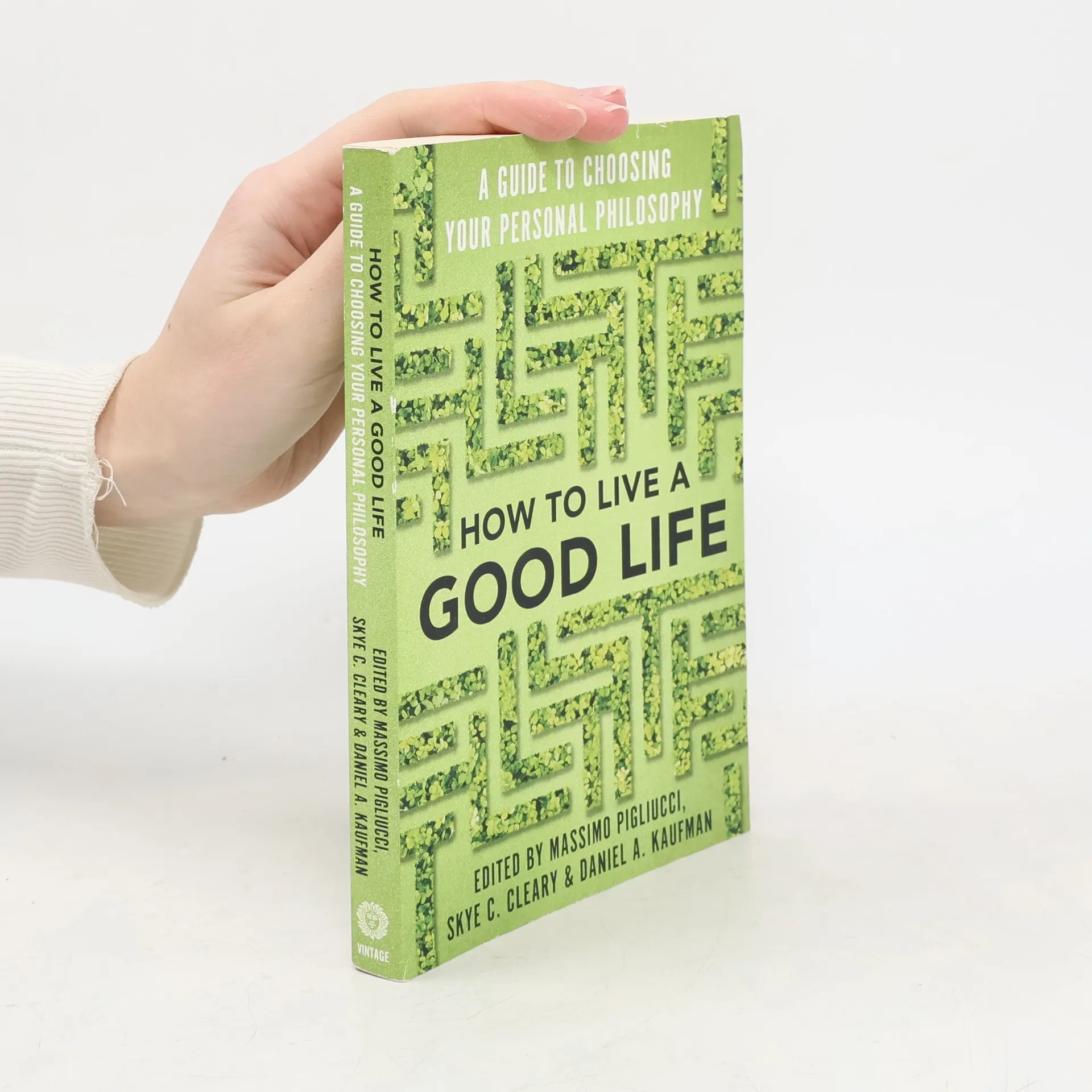
      How to Live a Good Life

      • 256 Seiten
      • 9 Lesestunden
      3,7(105)Abgeben

      A collection of essays by fifteen philosophers presenting a thoughtful, introductory guide to choosing a philosophy for living an examined and meaningful life. Socrates famously said "the unexamined life is not worth living," but what does it mean to truly live philosophically? This thought-provoking, wide-ranging collection brings together essays by fifteen leading philosophers reflecting on what it means to live according to a philosophy of life. From Eastern philosophies (Daoism, Confucianism, and Buddhism) and classical Western philosophies (such as Aristotelianism and Stoicism), to the four major religions, as well as contemporary philosophies (such as existentialism and effective altruism), each contributor offers a lively, personal account of how they find meaning in the practice of their chosen philosophical tradition. Together, the pieces in How to Live a Good Life provide not only a beginner's guide to choosing a life philosophy but also a timely portrait of what it means to live an examined life in the twenty-first century. A VINTAGE ORIGINAL

      How to Live a Good Life
    • 2020

      A Field Guide to a Happy Life

      • 160 Seiten
      • 6 Lesestunden
      3,8(521)Abgeben

      "As the Modern Stoicism movement has blossomed over the past decade, its practitioners and enthusiasts have struggled with some of the movement's stranger claims. Should we really be indifferent to death of a loved one, or to our own demise? Is it truly unacceptable to care about one's work? Should we really look to nature for moral guidance? And what role does Providence have in ordering human affairs? In [this book], philosopher and Stoic Massimo Pigliucci has embarked on an ambitious task: offering his own view how the teachings of the Stoics can be adapted to modern mores and knowledge, taking as his inspiration the classic epitome of ancient Stoicism, Epictetus' Handbook"--

      A Field Guide to a Happy Life
    • 2020

      The Stoic Guide to a Happy Life

      • 128 Seiten
      • 5 Lesestunden
      3,9(164)Abgeben

      In The Stoic Guide to a Happy Life philosopher Massimo Pigliucci offers a thoughtful, practical reinterpretation of Epictetus' 53 lessons for living a good life from his foundational Handbook. Each lesson offers a simple piece of wisdom to help tackle the challenges of daily life- from transforming the way you relate to colleagues, friends and loved ones to embracing the grief that follows loss.

      The Stoic Guide to a Happy Life
    • 2017

      Die Weisheit der Stoiker

      Ein philosophischer Leitfaden für stürmische Zeiten

      4,0(530)Abgeben

      Warum uns Vernunft gelassener macht Neid, Gier, Eifersucht oder Trauer – der Stoff aus dem Tragödien sind. Seit jeher übernehmen diese negativen Gefühle die Kontrolle über die Menschheit und verstellen den Blick auf das Wesentliche. Die Philosophie des Stoizismus erkannte bereits 400 vor Christus, welche Kraft ein Leben ohne zerstörerische Emotionen entfalten kann. Nicht Perfektion sollte demnach das Ziel unseres Strebens sein, sondern die Handlungsfähigkeit des Menschen. Philosoph Massimo Pigliucci entdeckt diese antike Kunst der Gelassenheit für unsere Zeit neu, indem er lehrt, wie sich durch Achtsamkeit im Hier und Jetzt auch die Zukunft positiv gestalten lässt. Eine zeitgemäße Annäherung an die Weltsicht der Stoiker

      Die Weisheit der Stoiker
    • 2013

      What sets the practice of rigorously tested, sound science apart from pseudoscience? This title seeks to answer this question, known to philosophers of science as "the demarcation problem."

      Philosophy of Pseudoscience