Bookbot

Deborah Jaffé

    Ingenious Women
    Victoria : her life, her people, her empire
    Victoria
    Geniale Frauen
    • Geniale Frauen

      Berühmte Erfinderinnen von Melitta Bentz bis Marie Curie

      • 240 Seiten
      • 9 Lesestunden

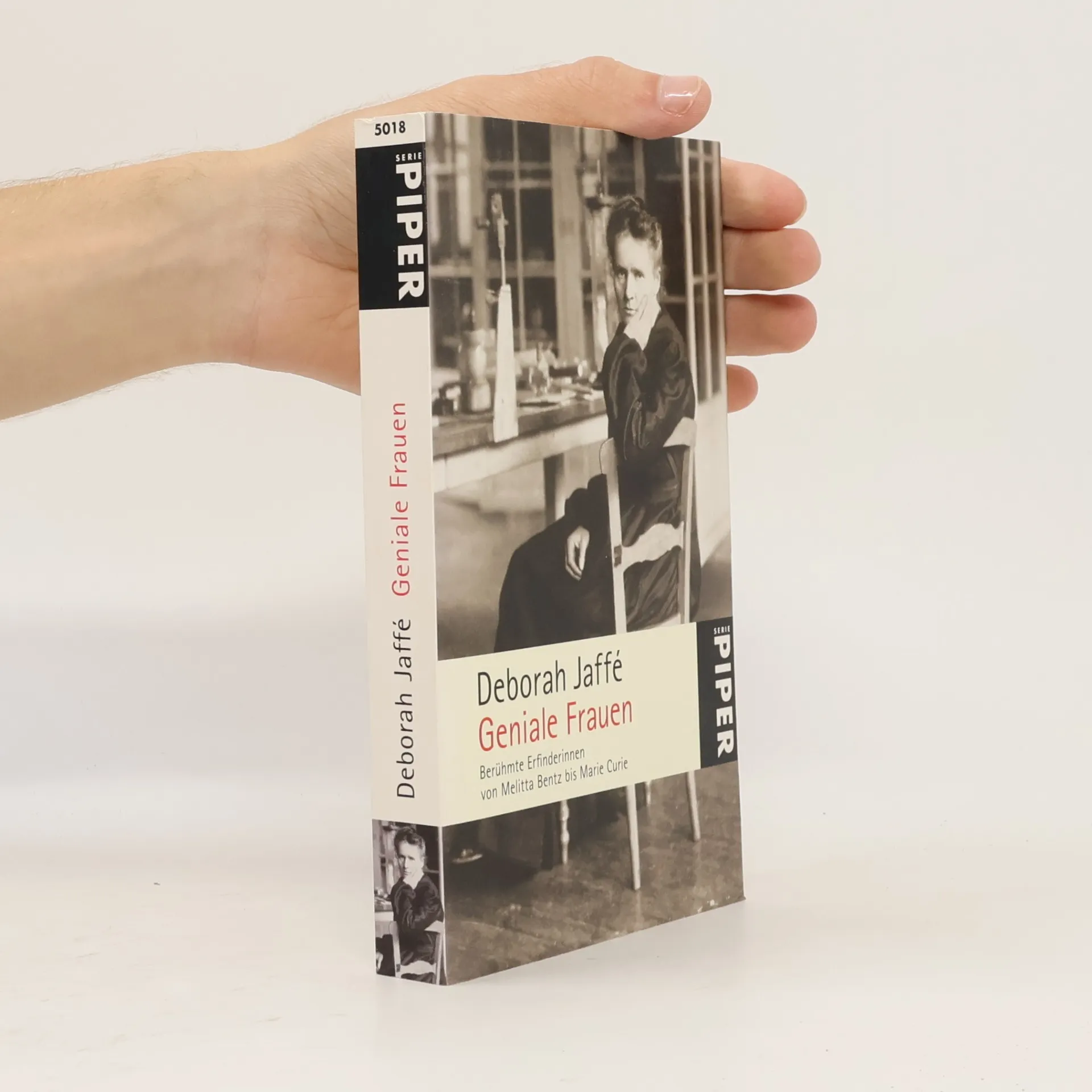
      Hätten Sie gewusst, dass Geschirrspülmaschine und Scheibenwischer Erfindungen von Frauen sind? Deborah Jaffé räumt in ihrem Buch mit dem Vorurteil auf, Frauen und Technik seien ein Widerspruch, und stellt bekannte oder vergessene geniale Frauen vor: ob Marie Curie, die auf dem Gebiet der Radioaktivität forschte und gleich zwei Nobelpreise erhielt, oder Melitta Bentz, die den gleichnamigen Kaffeefilter erfand und damit den Grundstein eines bis heute international erfolgreichen Unternehmens legte.

      Geniale Frauen
      4,4
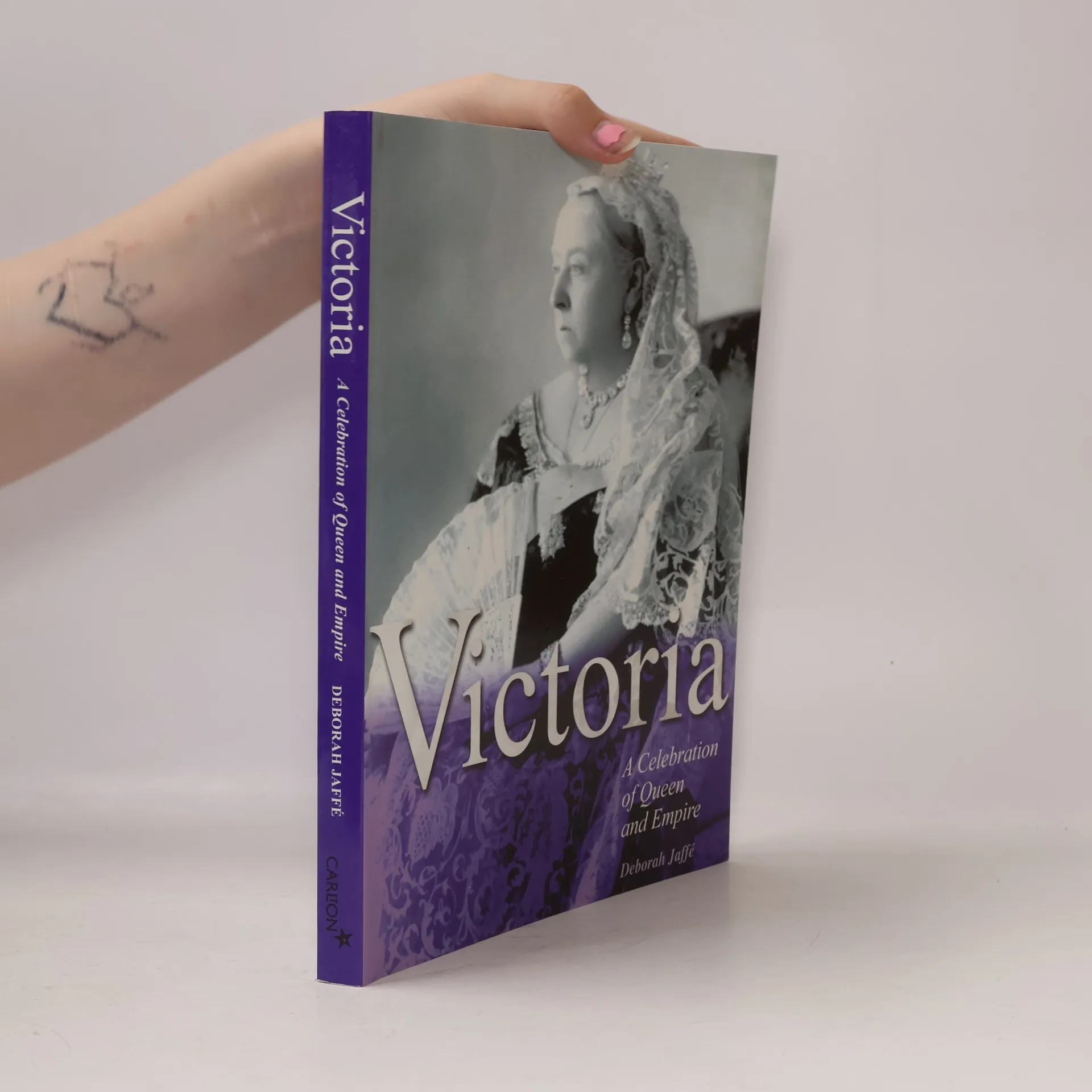
    • On January 22, 1901, Queen Victoria, Britain's longest-reigning monarch died at the age of 82; she had been on the throne for 62 years. Just 19 when she acceeded, she had lived through a period of remarkable change, in which industrialization took hold and Britain consolidated her vast empire. This book tells her story.

      Victoria
      3,0
    • On 22 January 1901 Queen Victoria, Britain's longest-reigning monarch, died at the age of 81; she had been on the throne for 62 years. Just 19 when she acceded, she had lived through a period of remarkable change, in which industrialization took hold and Britain consolidated her vast empire. It was an era of discovery and invention, art and debate, reform and religion at the centre of which was an oft beloved, but sometimes unpopular figurehead: Victoria. Accompanied by lavish illustrations, Deborah Jaffé explores the reign of Victoria, looking at the social and political history of the time, interweaving it with the story of Victoria herself: her life, loves and family.

      Victoria : her life, her people, her empire
      3,4
    • Ingenious Women

      From Tincture of Saffron to Flying Machines

      • 210 Seiten
      • 8 Lesestunden

      This delightfully illustrated book examines inventions and discoveries made by women, beginning with the first patent application made in 1637 and ending with the outbreak of war in 1914. Lively accounts of the stories of the inventions are placed into the context in which their discoveries were made, and the struggle they had to acquire patents and put their inventions into production. In covering this previously obscure part of women's lives, the practical way in which women have made an enormous contribution to social change and scientific advance is revealed.

      Ingenious Women