
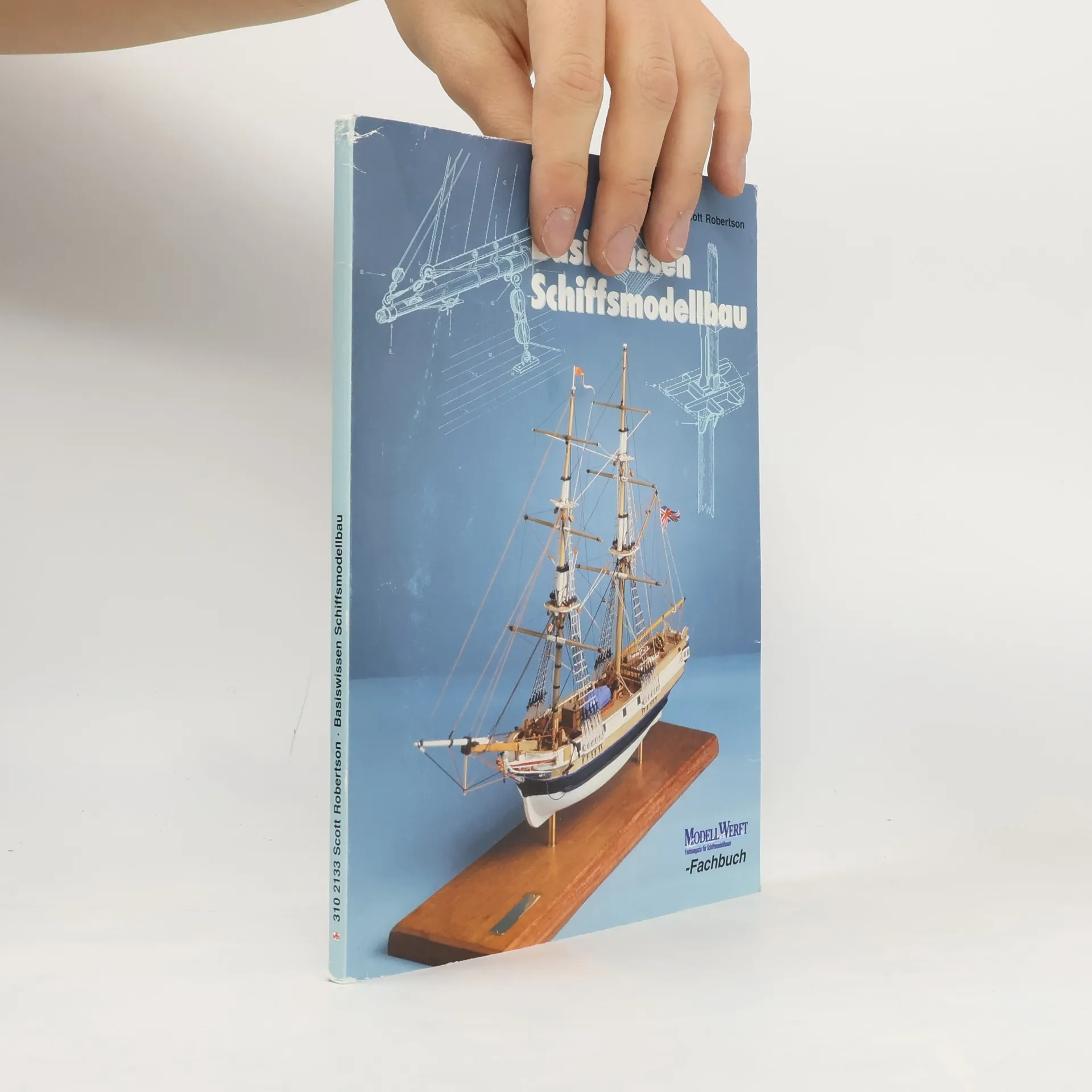
Der Bau von Schiffsmodellen ist eine faszinierende Freizeitbeschäftigung, die in diesem Buch von Scott Robertson umfassend behandelt wird. Es bietet grundlegendes Wissen für Hobbyisten, angefangen bei der Auswahl des Modells über die Materialwahl bis hin zur Takelung des Nachbaus. Die einzelnen Bauabschnitte werden klar strukturiert dargestellt und durch zahlreiche Bilder sowie Zeichnungen ergänzt, die das Verständnis der Arbeitsvorgänge und der fertigen Bauteile erleichtern. Die Bauweisen werden anhand von Modellen unterschiedlichster Vorbilder präsentiert, sodass jeder ein passendes Nachbauobjekt finden kann. Dies verdeutlicht die Vielfalt des Schiffsmodellbaus, die diesen Zeitvertreib so ansprechend macht. Leser werden eingeladen, sich von Robertson in die Welt des Schiffsmodellbaus entführen zu lassen und alles zu lernen, was für den Nachbau des Traumschiffs erforderlich ist. Zu den Themen gehören das Verstehen von Schiffsplänen, der Rumpfbau mit Spanten und Beplankung, der Zusammenbau des Spantgerüsts, die Befestigung der Beplankung, Masten und Decksausrüstungen sowie Takelage und Bewaffnung. Ein Glossar erklärt die Fachbegriffe. Das Buch umfasst 140 Seiten und 160 Abbildungen und kostet 16,- EUR.
Scott Robertson Bücher


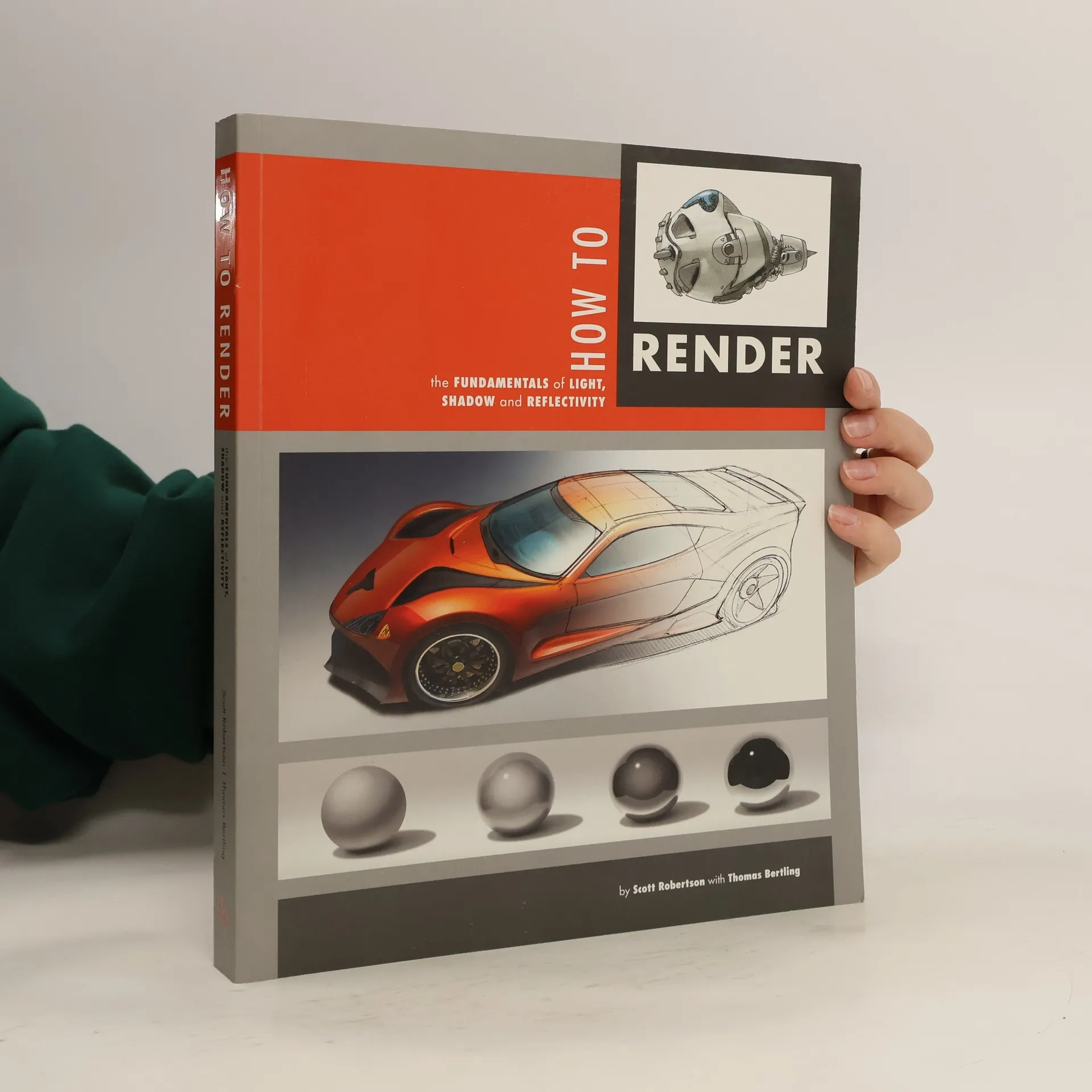
How to Render
- 272 Seiten
- 10 Lesestunden
This book is about the fundamentals of light, shadow and reflectivity; the focus is firmly on helping to improve visual understanding of the world around and on techniques for representing that world. Rendering is the next step after drawing to communicate ideas more clearly. Building on what Scott Robertson and Thomas Bertling wrote about in How To Drawing and Sketching Objects and Environments from Your Imagination, this book shares everything the two experts know about how to render light, shadow and reflective surfaces. This book is divided into two major the first explains the physics of light and shadow. One will learn how to construct proper shadows in perspective and how to apply the correct values to those surfaces. The second section focuses on the physics of reflectivity and how to render a wide range of materials utilizing this knowledge. Throughout the book, two icons appear that indicate either “observation” or “action.” This means the page or section is about observing reality or taking action by applying the knowledge and following the steps in creating your own work. Similar to our previous book, How To Draw, this book contains links to free online rendering tutorials that can be accessed via the URL list or through the H2Re app.
How to Draw is for artists, architects and designers. It is useful to the novice, the student and the professional. You will learn how to draw any object or environment from your imagination, starting with the most basic perspective drawing skills.Early chapters explain how to draw accurate perspective grids and ellipses that in later chapters provide the foundation for more complex forms. The research and design processes used to generate visual concepts are demonstrated, making it much easier for you to draw things never-before-seen!Best of all, more than 25 pages can be scanned via a smartphone or tablet using the new Design Studio Press app, which link to video tutorials for that section of the book!With a combined 26 years of teaching experience, Scott Robertson and Thomas Bertling bring you the lessons and techniques they have used to help thousands of their students become professional artists and designers.This book is indispensable for anyone who wants to learn, or teaches others, how to draw.
How to render : the fundamentals of light shadow and reflectivity
- 272 Seiten
- 10 Lesestunden
Explains how the human brain interprets the visual world around us, as well as the subject of visually communicating the form of an object in easy to understand lessons through the use of drawings, photography, and more.
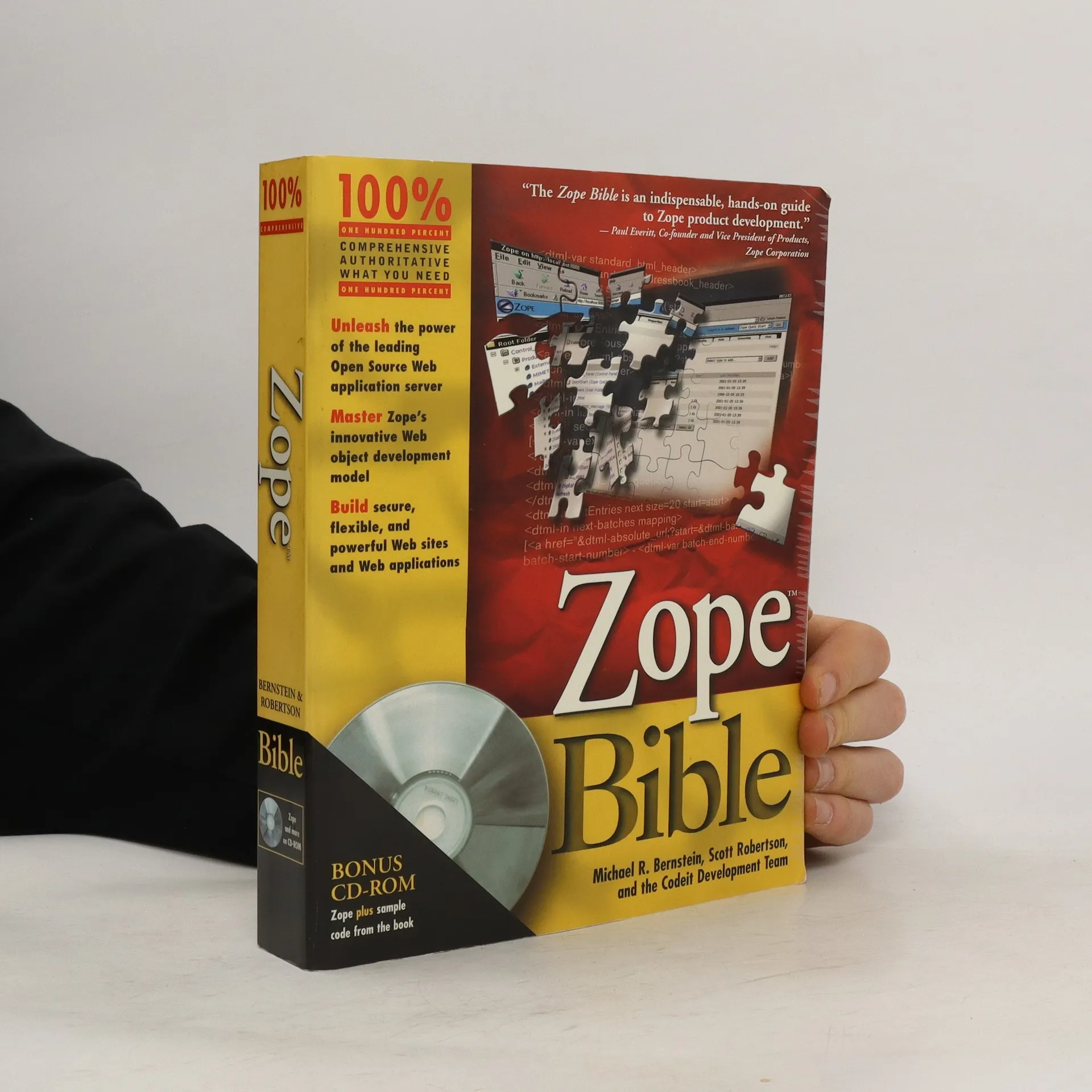
This comprehensive Bible for Web Developers, Web Architects, and Content Managers covers everything you need to build Web sites with Zope, the leading Open Source Web application platform.