Stephen Michael KosslynReihenfolge der Bücher (Chronologisch)
Stephen Michael Kosslyn ist ein Kognitionspsychologe, der vor allem für seine bahnbrechende Forschung und Theorien zur mentalen Vorstellungskraft bekannt ist. Seine Arbeit legt nahe, dass Vorstellungskraft kein einzelnes Phänomen ist, sondern vielmehr eine Zusammensetzung verschiedener Funktionen darstellt, die jeweils von spezifischen neuronalen Netzwerken im Gehirn unterstützt werden. Kosslyn wendet psychologische Prinzipien auf die Gestaltung von visuellen Anzeigen und effektiver Kommunikation an, einschließlich der Optimierung von Präsentationen. Seine Forschung verbindet überzeugend die Kognitionswissenschaft mit einem tieferen Verständnis des menschlichen Geistes.
Focusing on the intersection of humanity and technology, the book highlights how individuals can thrive in the Age of AI by leveraging their unique strengths. It delves into the essential skills and knowledge needed for effective, efficient, and responsible interactions with artificial intelligence, addressing both current and future challenges.
Five Principles that Make Online Courses Come Alive
120 Seiten
5 Lesestunden
Inspired by the recent proliferation of online courses necessitated by the COVID 19 pandemic, researcher and educational innovator Stephen M. Kosslyn offers instructors and course designers (as well as school administrations and teacher-education students) a treasure trove of active learning principles and activities for implementation in online, hybrid and in-person courses. Whether your course is synchronous (e.g., live with Zoom) or asynchronous (e.g., using video content on Canvas), this book will inject active learning into existing courses or into courses designed from scratch. In both cases, active learning will make the courses not only more interesting but also more effective; student engagement will increase, learning outcomes will be reached, and general teaching and learning experiences will be enriched.
Cognitive neuroscience has evolved into a complex discipline over the past 35 years, necessitating a comprehensive resource to examine its current state. This handbook, divided into two volumes, features 59 chapters that systematically explore various aspects of cognitive neuroscience, including perception, attention, memory, language, emotion, self and social cognition, higher cognitive functions, and clinical applications. Topics range from top-down cognitive processes in visual perception to object representation and spatial relations. It addresses attention's relationship to action and visual motor control, as well as core language abilities such as semantics, speech perception and production, and the distinction between linguistic competence and performance, including written language capacity. Special emphasis is placed on psychopharmacology of cognition, theory of mind, the neuroscience of emotion regulation, and neuropsychological and neuroimaging evidence supporting the unique status of self-knowledge in memory. This handbook serves as a comprehensive resource for students, researchers, and professionals in the dynamic field of cognitive neuroscience.
Incorporating neuroscience seamlessly into the study of cognitive psychology, this book takes a fresh look at the field, and presents it as it actually is today. By integrating findings about the brain into the usual fare for this topic, it provides the foundation for students to study current research in the field.
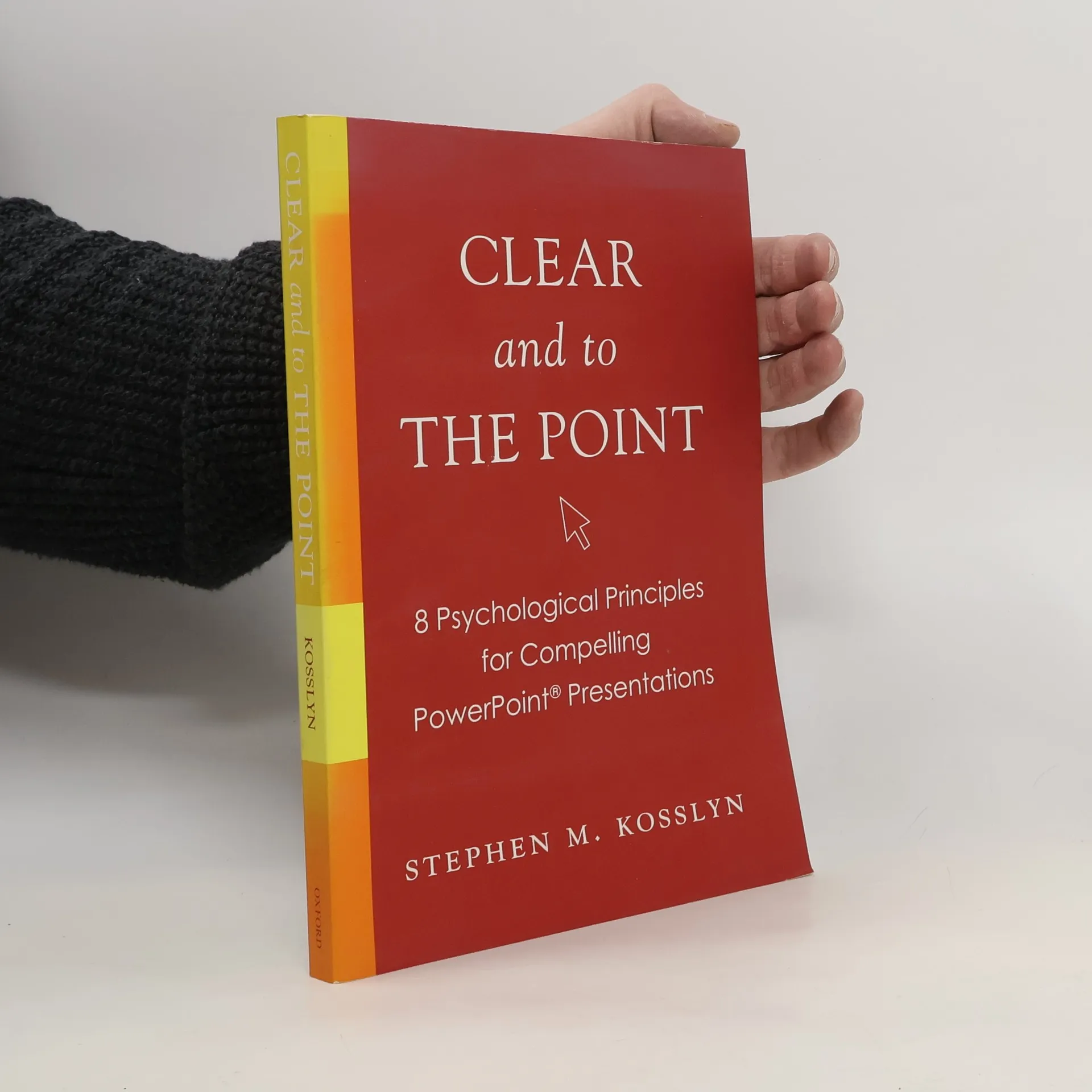
True or False?Most PowerPoint presentations ·compelling·illuminating·informative·clear and to the point FalseMake a change following the principles of Stephen ·a world authority on the visual brain·a clear and engaging writerMaking PowerPoint presentations that are clear, compelling, memorable, and even enjoyable is not an obscure art. In this book, Stephen Kosslyn, a renowned cognitive neuroscientist, presents eight simple principles for constructing a presentation that takes advantage of the information modern science has discovered about perception, memory, and cognition. Using hundreds of images and sample slides, he shows the common mistakes many people make and the simple ways to fix them. For example, never use underlining to emphasize a word--the line will cut off the bottom of letters that have descending lines (such as p and g), which interferes with the brain's ability to recognize text. Other tips include why you should state your conclusion at the beginning of a presentation, when to use a line graph versus a bar graph, and how to use color correctly. By following Kosslyn's principles, anyone will be able to produce a presentation that works!
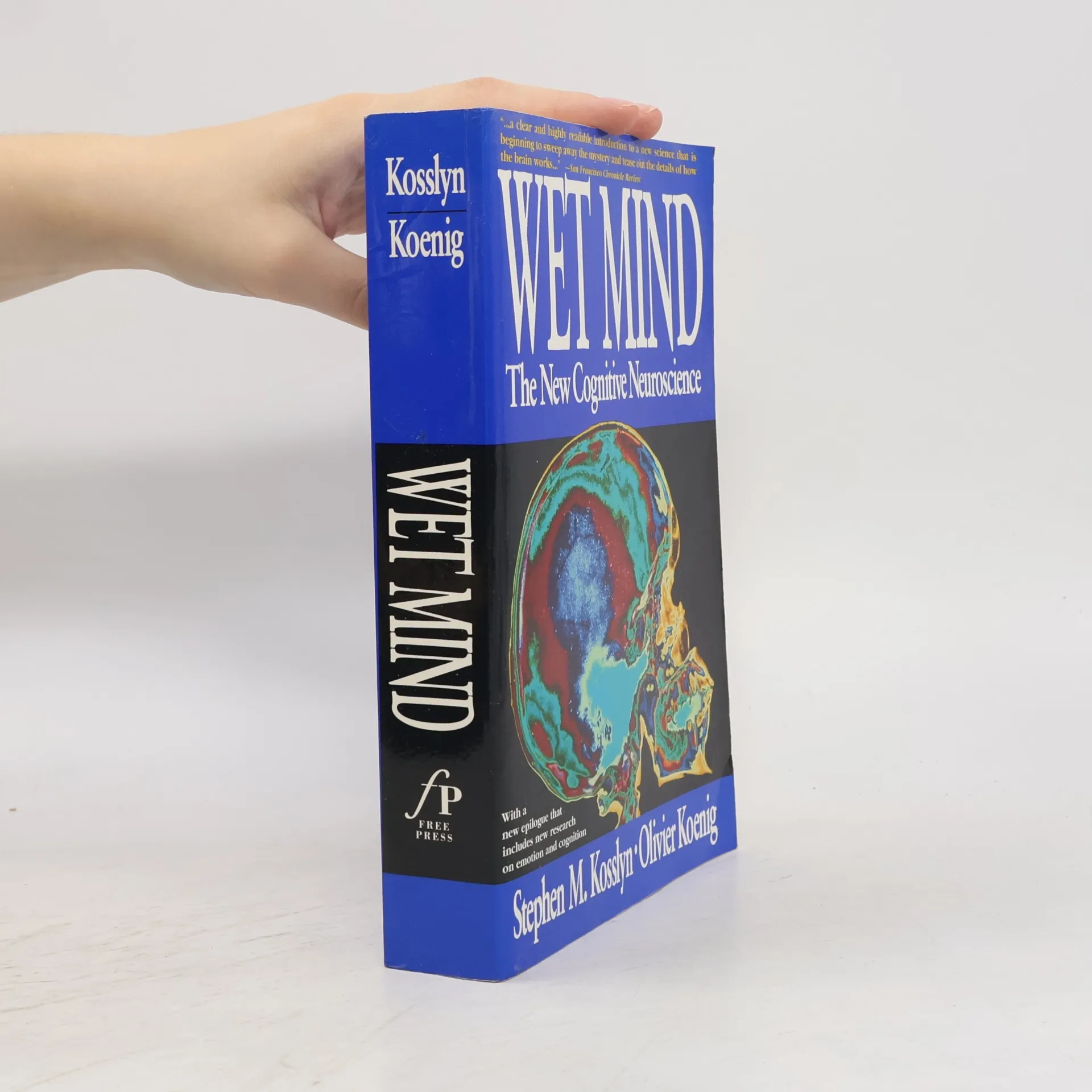
The New Cognitive Neuroscience - With a New Epilogue That Includes New Research on Emotion and Cognition
624 Seiten
22 Lesestunden
How do our brains allow us to recognize objects and locate them accurately in space, use mental imagery to remember yesterday's breakfast, read, understand speech, learn to dance, and recall a new telephone number? Recent breakthroughs in brain scanning and computing techniques have allowed researchers to plumb the secrets of the healthy brain's operation; simultaneously, much new information has been learned about the nature and causes of neuropsychological deficits in animals and humans following various sorts of brain damage in different locations. In this first comprehensive, integrated, and accessible overview of recent insights into how the brain gives rise to mental activity, the authors explain the fundamental concepts behind and the key discoveries that draw on neural network computer models, brain scans, and behavioral studies. Drawing on this analysis, the authors also present an intriguing theory of consciousness. In addition, this paperback edition contains an epilogue in which the authors discuss the latest research on emotion and cognition and present new information on working memory.
This "how to" book by Stephen Kosslyn provides step-by-step guidelines for creating clear and attractive graphs. It also explains "why it works," drawing on extensive research into how the brain perceives visual information. Kosslyn emphasizes the importance of understanding the connections between the eye and the mind in graph creation and interpretation. He guides readers in selecting the appropriate graph format based on the data and the intended purpose. The book delves into the specifics of graph construction, including framework, labels, and the effective use of color and texture. Numerous examples of both effective and ineffective graphs are analyzed in relation to human visual perception, resulting in easy-to-understand graphs. This resource is valuable for anyone who creates graphs, whether digitally or by hand, and for those who rely on graphs in academic work, presentations, or business reports. It also benefits readers seeking to better understand graphs in media, politics, and advertising, including a discussion on how graphs can misrepresent data. Additionally, it appeals to those interested in the mechanics of perception, memory, and cognition as they relate to visual encounters.