Der Mensch ist ein soziales Wesen, dessen persönliches Bewusstsein stark von der Gesellschaft und den Beziehungen zu anderen geprägt wird. Die Wechselwirkung zwischen genetischen Anlagen und gesellschaftlicher Umgebung beeinflusst unser Handeln und die persönliche Entwicklung, insbesondere in der frühen Jugend, entscheidend.
Rudolf Rocker Reihenfolge der Bücher (Chronologisch)
25. März 1873 – 19. September 1958
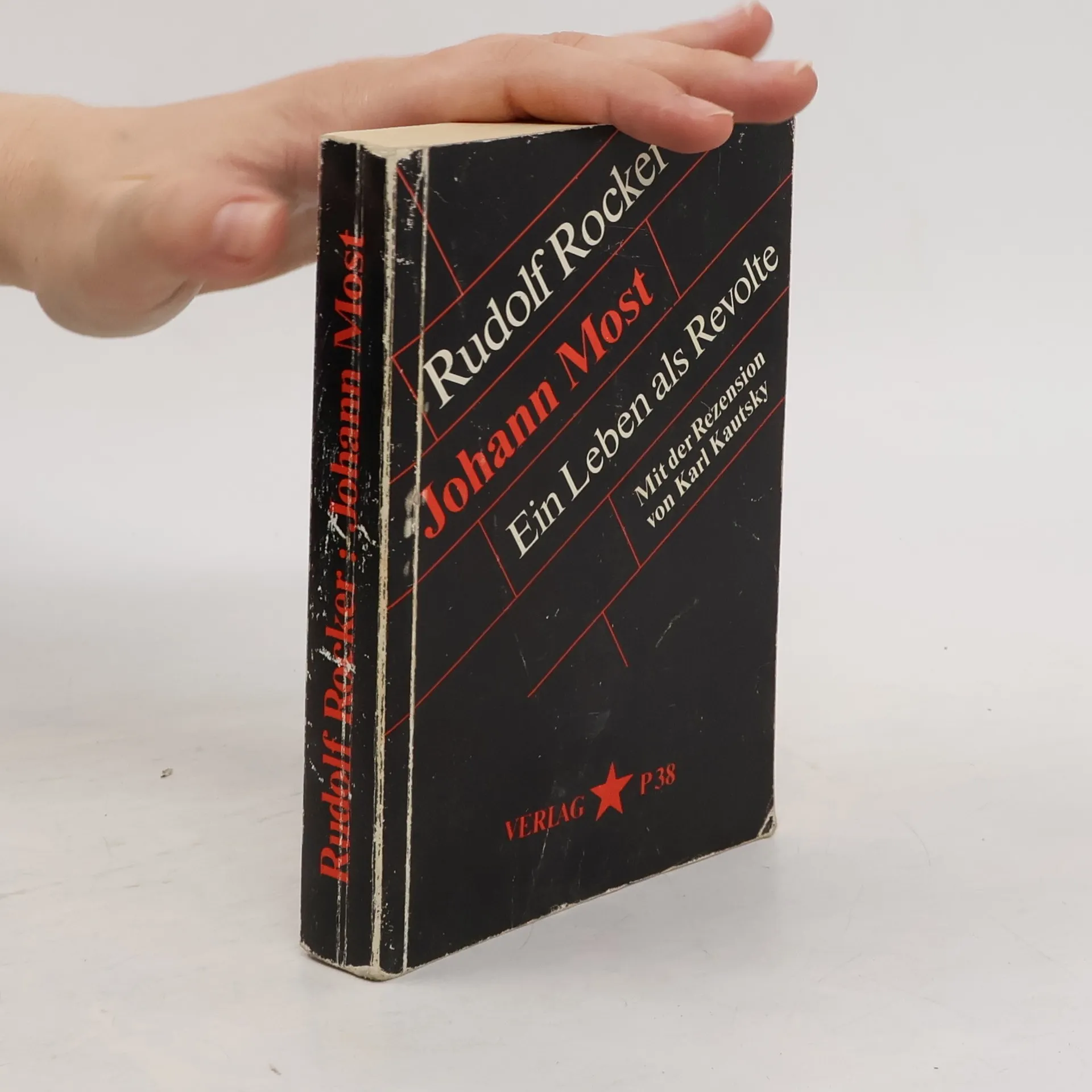
Ein prominenter anarchosyndikalistischer Schriftsteller und Aktivist, dessen politische Ideen die Ereignisse während des Spanischen Bürgerkriegs und die jüdische Emigrantengemeinschaft in London maßgeblich beeinflussten. Seine Philosophie entstand aus der direkten Beobachtung der Mängel des Marxismus und der Sozialdemokratie des späten 19. Jahrhunderts, insbesondere innerhalb der deutschen SPD, und deckte die zersetzenden Auswirkungen des Wahlkampfes auf. Er pflegte lebenslange Verbindungen zu anderen Radikalen und trug maßgeblich zur Diskussion über revolutionäre Bewegungen bei.


The Unknown Revolution
- 832 Seiten
- 30 Lesestunden
This in-depth, eyewitness history written by Voline, an outspoken activist in the Russian Revolution, pays significant attention to what the author describes as "struggles for the real Social Revolution"--that is, the uprising of the sailors and workers of Kronstadt in 1921 and the peasant movement that Nestor Makhno led in the Ukraine. These movements provide a clearer understanding of both the original objectives of the Russian Revolution and the problems facing all revolutions with far-reaching social objectives. Of particular interest are the many personal experiences and those in which the author reveals the deep divide between the Libertarians and the Bolsheviks. This edition is a translation of the full text of La R volution inconnue, first published in 1947. It reinstates material omitted from earlier English-language editions and reproduces the complete text of the original volumes.
The London Years
- 320 Seiten
- 12 Lesestunden
Rudolf Rocker, a German Catholic fleeing political persecution, moved to London to become the acknowledged leader of the Yiddish-speaking Jewish anarchists. There, at a time of mass immigration by impoverished Jews—persecuted by a right-wing press and an “anti-alien” movement—he organized demonstrations of up to 25,000 against the contemporary Russian pogroms. Rocker established the Jewish Bakers Union in a community action where housewives would only buy union label bread, and most famously, in 1912, organized a general strike of Jewish tailors, which abolished the sweatshop system. The London Years is the autobiography of a remarkable man and chronicles this vanished world. Rudolf Rocker , the main theorist of anarcho-syndicalism, edited numerous Yiddish political and cultural journals.
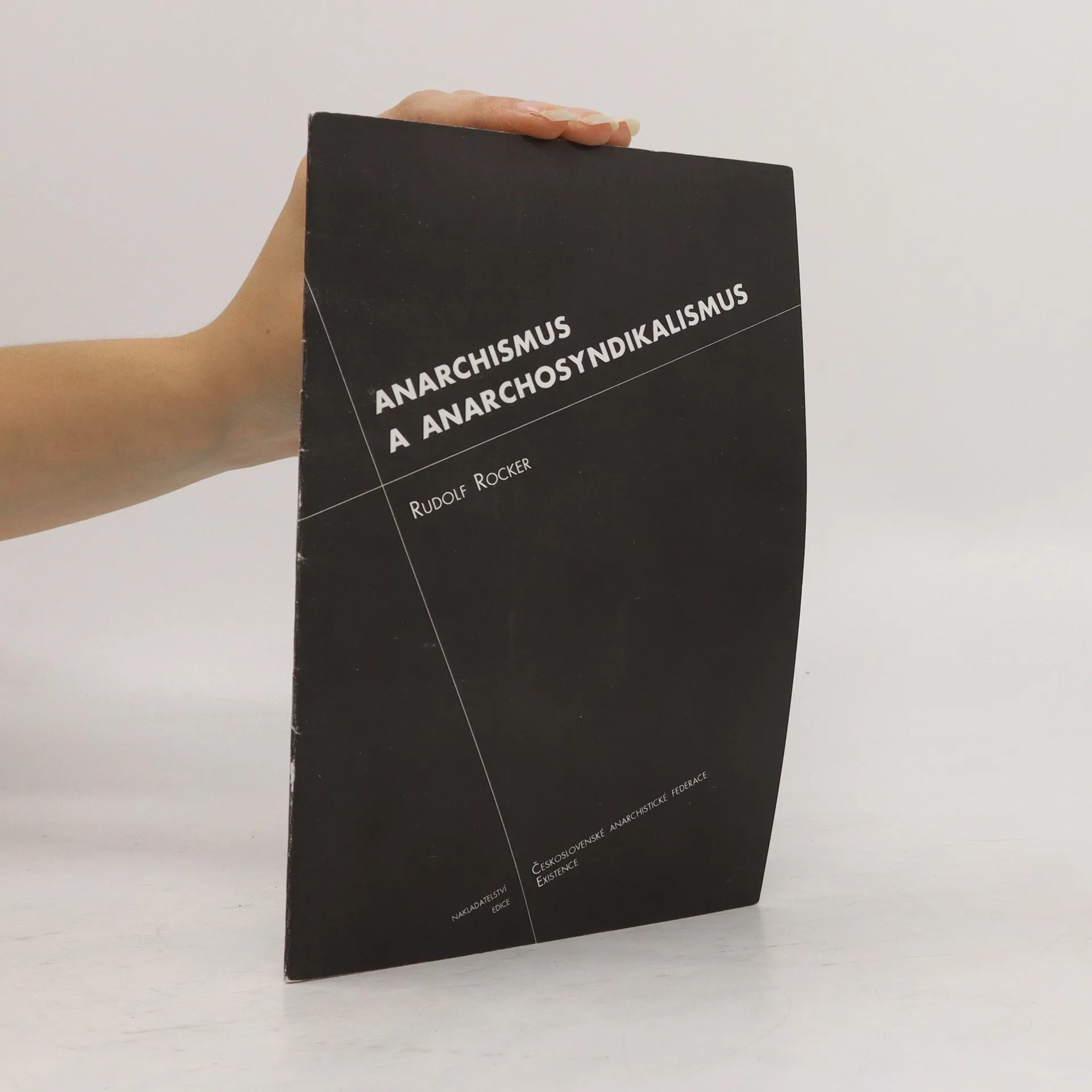
Anarcho-Syndicalism
- 116 Seiten
- 5 Lesestunden
In 1937, at the behest of Emma Goldman, Rocker penned this political and philosophical masterpiece as an introduction to the ideals fueling the Spanish social revolution and resistance to capitalism the world over. Within, Rocker offers an introduction to anarchist ideas, a history of the international workers’ movement, and an outline of the syndicalist strategies and tactics embraced at the time (direct action, sabotage and the general strike). Includes a lengthy introduction by Nicholas Walter and a Preface by Noam Chomsky.“[Rocker’s] approach is far from ‘utopian’; this is not an abstract discourse but a call to action.”—Noam ChomskyRudolf Rocker (1873–1958) was a leading figure in the international anarchist movement for over 60 years.In Oakland, California on March 24, 2015 a fire destroyed the AK Press warehouse along with several other businesses. Please consider visiting the AK Press website to learn more about the fundraiser to help them and their neighbors.
Nationalism and Culture
- 592 Seiten
- 21 Lesestunden
Originally published in 1937, Rudolf Rocker’s classic Nationalism and Culture is a detailed study of the intellectual development and cultural history of European nationalism. Tracing the evolution of religious and political systems and their relation to the authoritarian state, Rocker analyses concepts of ‘Nation’ as alleged communities of race, culture, language,and common interest.