Bernard Lovell Bücher
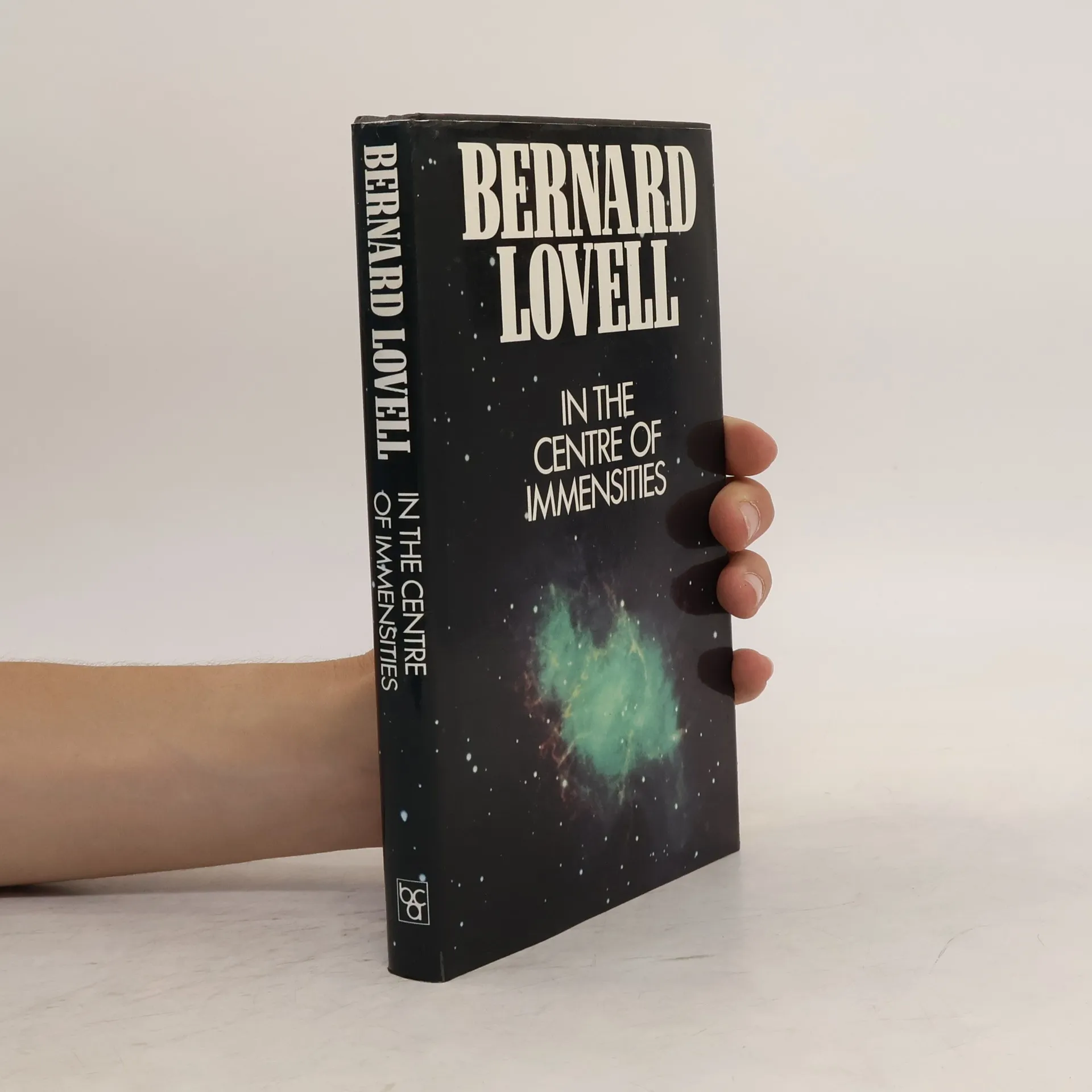
Bernard Lovell war ein wegweisender Physiker und Radioastronom, dessen Arbeit an Radartechnologie während des Zweiten Weltkriegs die Grundlage für seine spätere entscheidende Weltraumforschung legte. Nach dem Krieg gründete er die Jodrell Bank Observatory, wo er mit innovativen Radioteleskopen Meteoriten und kosmische Strahlung untersuchte. Sein Interesse an den großen Fragen des Universums zeigte sich in einer Reihe von Radiovorträgen, die sich mit philosophischen Überlegungen über unseren Platz im Kosmos befassten. Trotz seiner wissenschaftlichen Bemühungen bewahrte Lovell eine tiefe Wertschätzung für Musik und Natur, was ein lebenslanges Streben nach Harmonie in Wissenschaft und persönlichem Leben widerspiegelt.
Signale aus dem Weltall
- 155 Seiten
- 6 Lesestunden
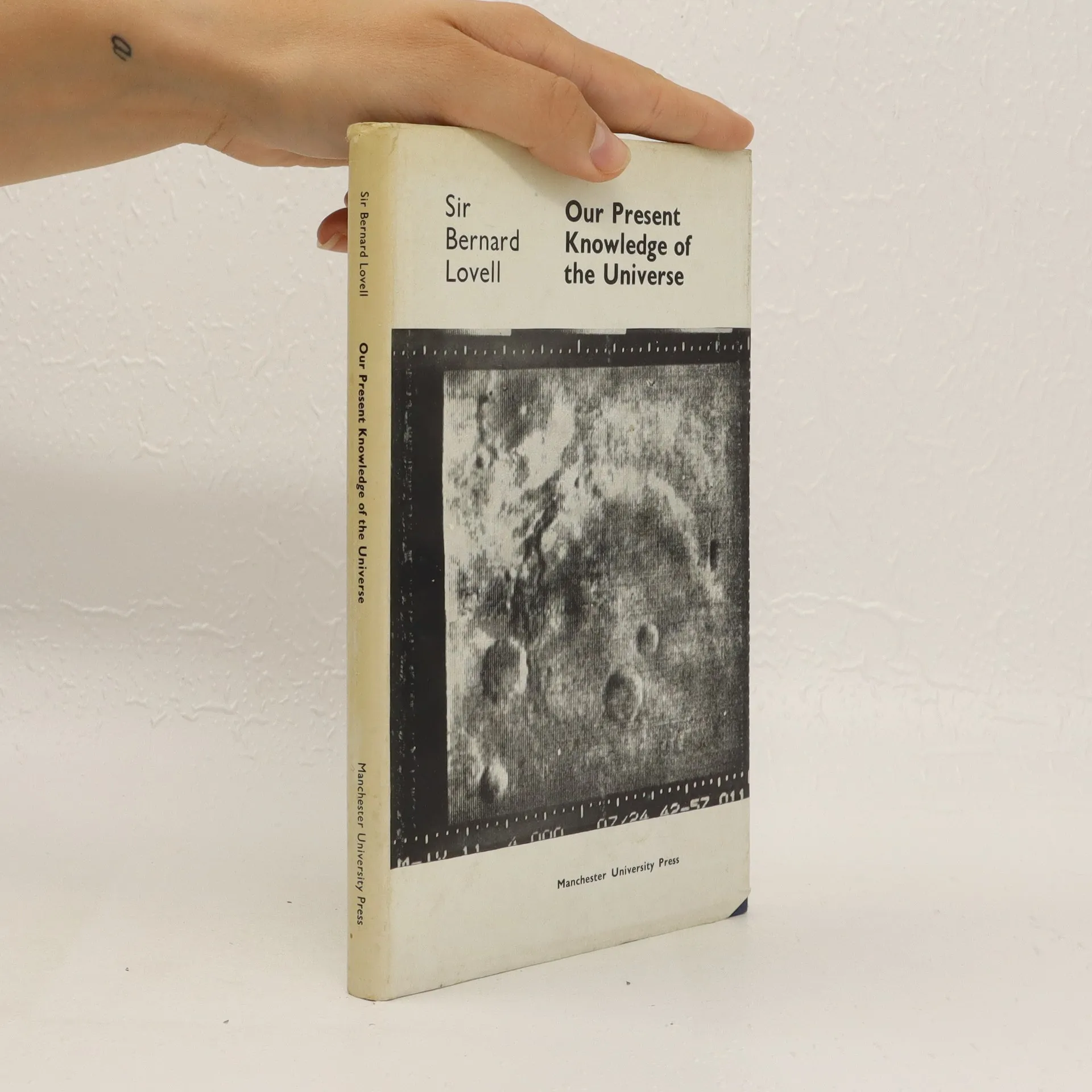
Summarizes what is known about the sun, stars, and planets, traces the history of astronomy, and includes maps and satellite photographs.
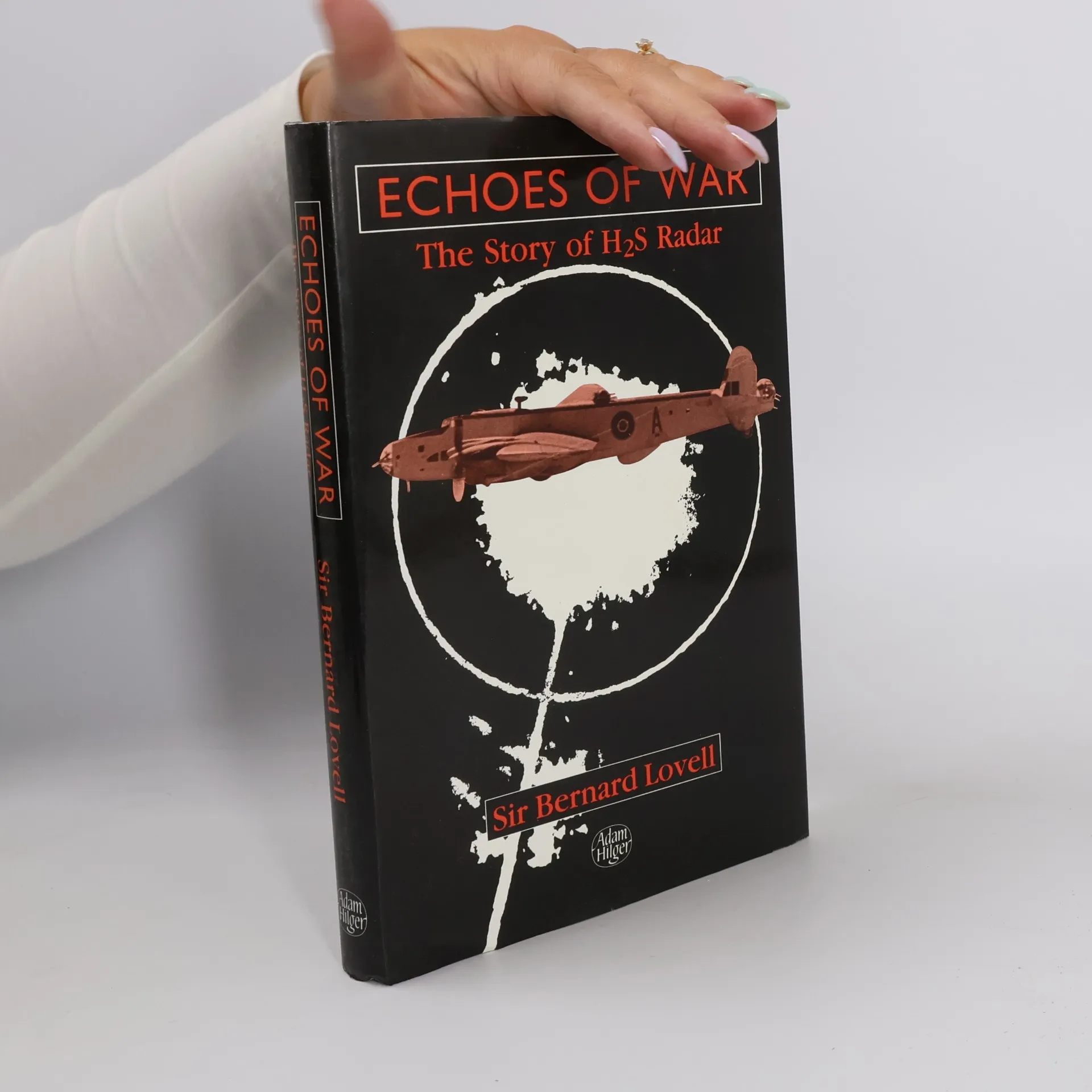
August 1939 marked a period of significant change, driven by the looming threat of war and the aggressive actions of Nazi Germany. Young researchers found themselves pivoting to urgent wartime projects, with Bernard Lovell playing a crucial role in the development of radar technology. This account offers a passionate, first-hand perspective on the creation of the Home Sweet Home (H2S) radar systems during World War II, highlighting the scientific culture of wartime Britain. It reveals the personal sacrifices, setbacks, and triumphs of those involved in this vital research. Lovell's journey began in Taffy Bowen's airborne radar group, where he contributed to the groundbreaking application of the 10-centimeter cavity magnetron in airborne radar. The failure of Bomber Command to locate targets in overcast skies led to the establishment of a new group under Lovell's leadership to develop a blind bombing system. The H2S radar system, capable of identifying towns and targets at night or in heavy cloud cover, was first operationally used by the Pathfinder Squadrons during the attack on Hamburg in January 1943. Modified units later had a significant impact on the air war against U-boats. This chronicle vividly captures the atmosphere and challenges of the wartime years as Lovell recounts the H2S radar project.