
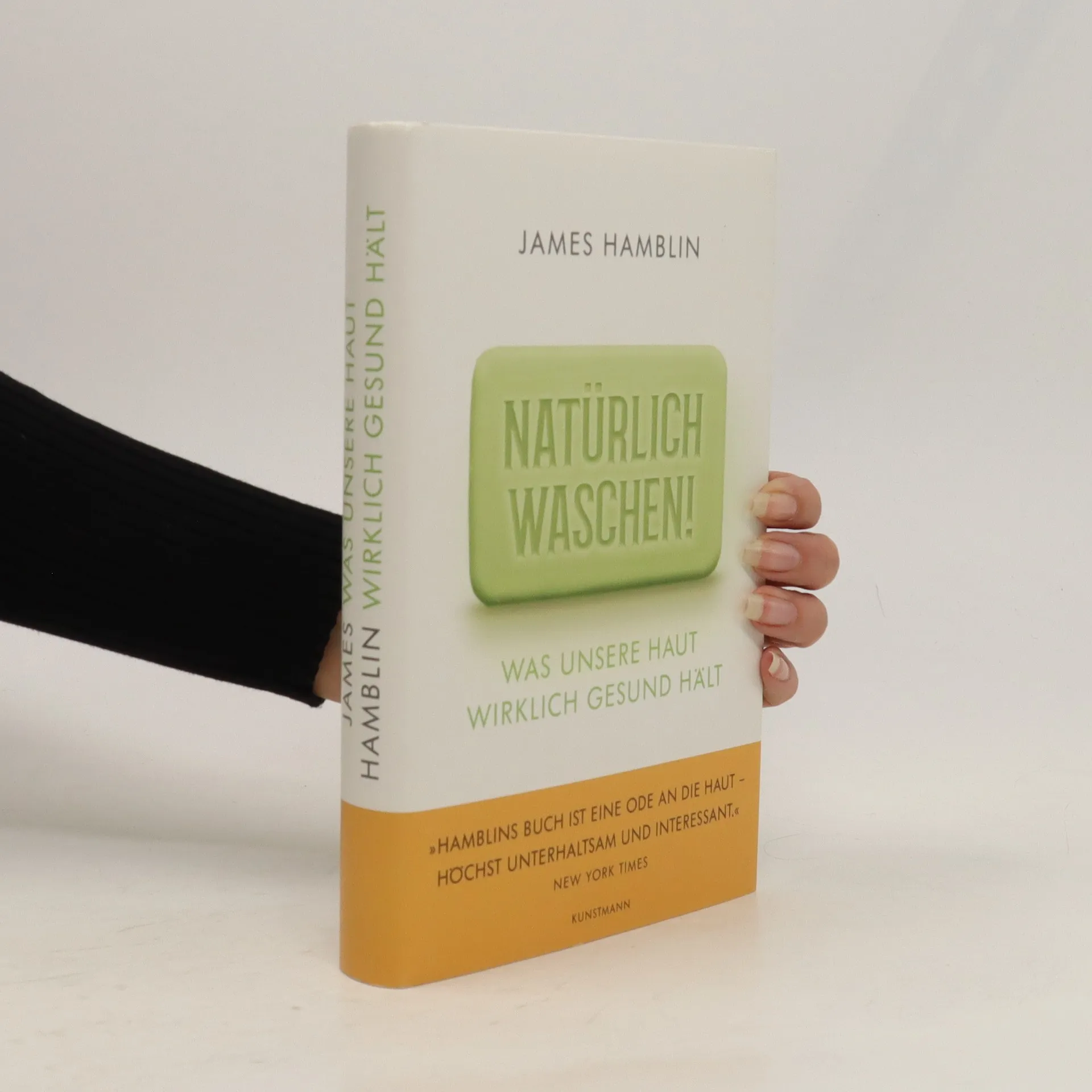
Das Geschäft mit gesunder, schöner Haut boomt: Gut 15 Milliarden Euro werden in Deutschland jährlich für Körperpflegeprodukte ausgegeben. Doch es herrscht kaum Einigkeit darüber, was unsere Haut wirklich pflegt, nährt und was ihr schadet. Die Forschung auf diesem Gebiet ist nur selten unabhängig von den Großkonzernen der Kosmetikindustrie. Um herauszufinden, wie wir unsere Haut am besten schützen und versorgen, widmet sich Journalist und Arzt James Hamblin der Kulturgeschichte unserer Körperpflege und der Wissenschaft von der Haut. Er spricht mit Mikrobiologen, Allergologen, Genetikern, Ökologen, Kosmetikfachleuten, Seifenfans, Venture-Capital-Unternehmen, Historikern, Entwicklungshelfern, sogar mit ein paar waschechten Betrügern und erfährt, dass sich unsere Vorstellung von sauber und rein gerade grundlegend verändert. Um die Haut und ihr Mikrobiom gesund zu halten, ist weniger oft mehr.
James Hamblin Bücher


Clean : the new science of skin and the beauty of doing less
- 304 Seiten
- 11 Lesestunden
Keeping skin healthy is a booming industry, and yet it seems like almost no one agrees on what actually works. We have not cured acne or eczema, allergies keep getting worse, and autoimmune conditions are becoming increasingly common. Hamblin believes our overuse of soap, sanitizers, and untested, misleading skin-care products may be to blame for many problems. Our skin microbiome-- the trillions of microbes that live on our skin and in our pores-- influence everything from acne, eczema, and dry skin to how we smell. The new goal of skin care will be to cultivate a healthy biome-- and to embrace the meaning of "clean" in the natural sense
Clean
- 304 Seiten
- 11 Lesestunden
Daily hygiene practices can have unexpected effects, as this engaging exploration of skin microbes and probiotics reveals. The quest for healthy skin is a booming industry, yet there's little consensus on effective methods. What one expert deems essential, another labels toxic. Conditions like acne and eczema persist, allergies worsen, and autoimmune diseases rise. The author, a doctor and journalist, investigates how we arrived at this point, delving into the science and culture surrounding skin care. He consults dermatologists, microbiologists, and even unconventional sources like Amish communities and self-proclaimed experts to uncover the true meaning of cleanliness. His personal experiment of forgoing showers leads to the realization that many cleanliness standards are not as health-related as commonly believed. Overusing soaps and misleading skin-care products may contribute to various skin issues. A burgeoning area of research focuses on the skin microbiome—the trillions of microbes residing on our skin—which influence everything from acne to odor. The evolving goal of skin care is to nurture a healthy biome, redefining "clean" in a more natural context. This shift can simplify routines, conserving time, money, and resources. Insightful and thoroughly researched, this work examines the transformative changes in our understanding of skin health, highlighting emerging scientific discussions that will shape future wellness