Gratis Versand in ganz Deutschland
Bookbot

Mónica de la Torre

    Mónica de la Torre ist die Autorin ihres ersten Buches mit Originalgedichten in englischer Sprache, „Talk Shows“. Ihre Arbeit befasst sich oft mit der Schnittstelle von Kunst und Literatur, was sich in ihrer Co-Herausgeberschaft von „Reversible Monuments: Contemporary Mexican Poetry“ und ihrer Co-Autorenschaft von „Appendices, Illustrations & Notes“ zeigt. De la Torre ist auch eine anerkannte Übersetzerin spanischsprachiger Dichter, die den literarischen Dialog über Sprachen hinweg bereichert. Ihre redaktionelle Rolle bei The Brooklyn Rail und ihre akademischen Studien unterstreichen ihr tiefes Engagement für zeitgenössische Poesie und Literaturkritik.
    Feminista Frequencies
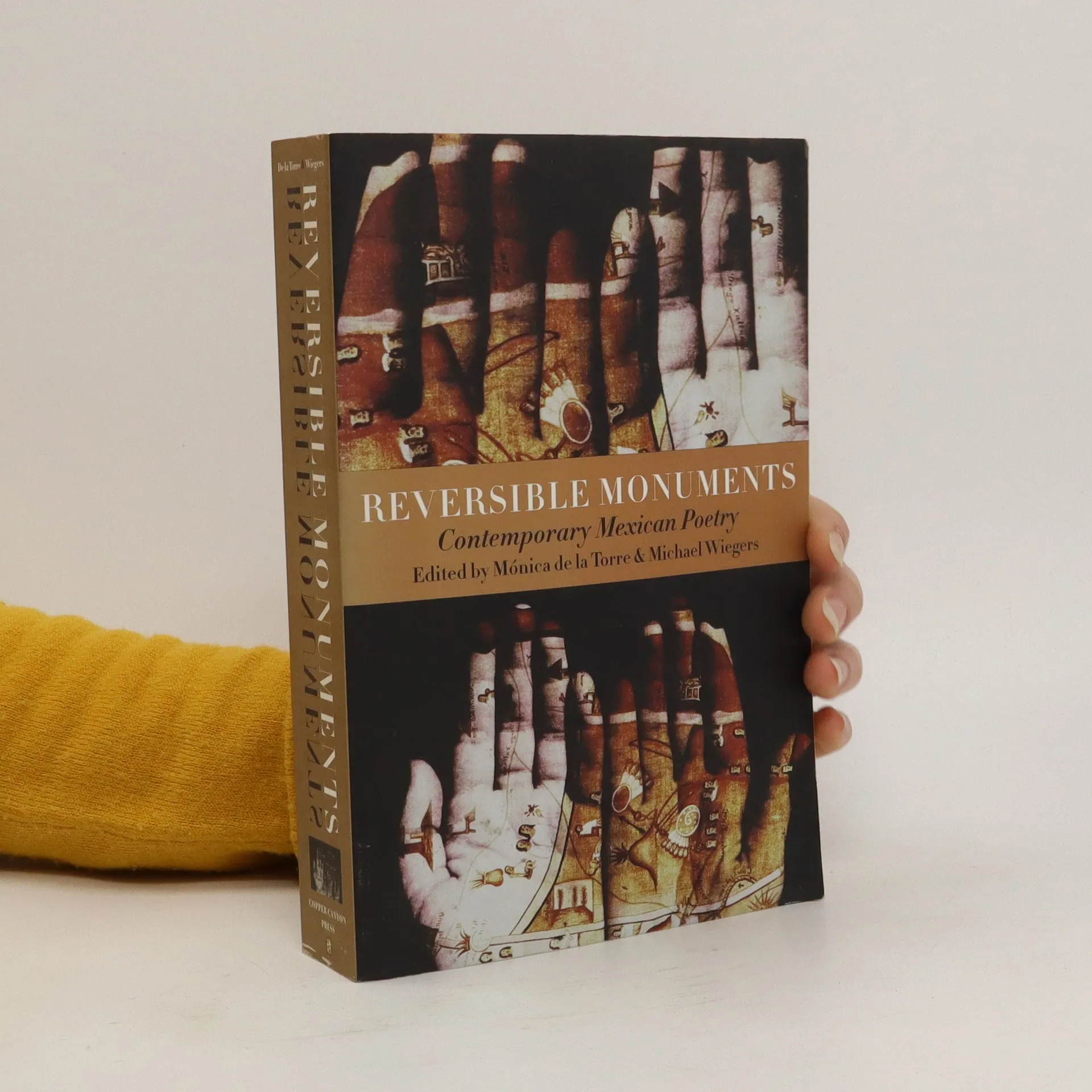
    Reversible monuments : contemporary Mexican poetry
    • 2022

      Feminista Frequencies

      • 192 Seiten
      • 7 Lesestunden
      5,0(1)Abgeben

      Beginning in the 1970s, Chicana and Chicano organizers utilized community radio to educate and uplift Mexican American listeners across the U.S. In rural areas, radio became the most effective medium for reaching isolated communities, such as migrant farmworkers. In Washington’s Yakima Valley, where media often favored agribusiness, community radio for farmworkers emerged as a vital resource. This work uncovers the remarkable history of one of the first full-time Spanish-language community radio stations, Radio KDNA, which began broadcasting in 1979. Through extensive interviews, the contributions of Chicana and Chicano producers, announcers, managers, technical directors, and listeners are highlighted, showcasing the station's success. Monica De La Torre intertwines these oral histories with various visual and audio artifacts, including radio programs and photographs, situating KDNA within the broader context of Chicano community broadcasting and social activism. The narrative emphasizes the development of a public broadcasting model centered on Chicana radio producers and documents the crucial role women played in establishing this infrastructure in the Yakima Valley. De La Torre illustrates how KDNA transformed community radio programming, enriching the history of the Chicano movement, women’s activism, and media histories.

      Feminista Frequencies
    • 2002
