

Robert Stam Bücher
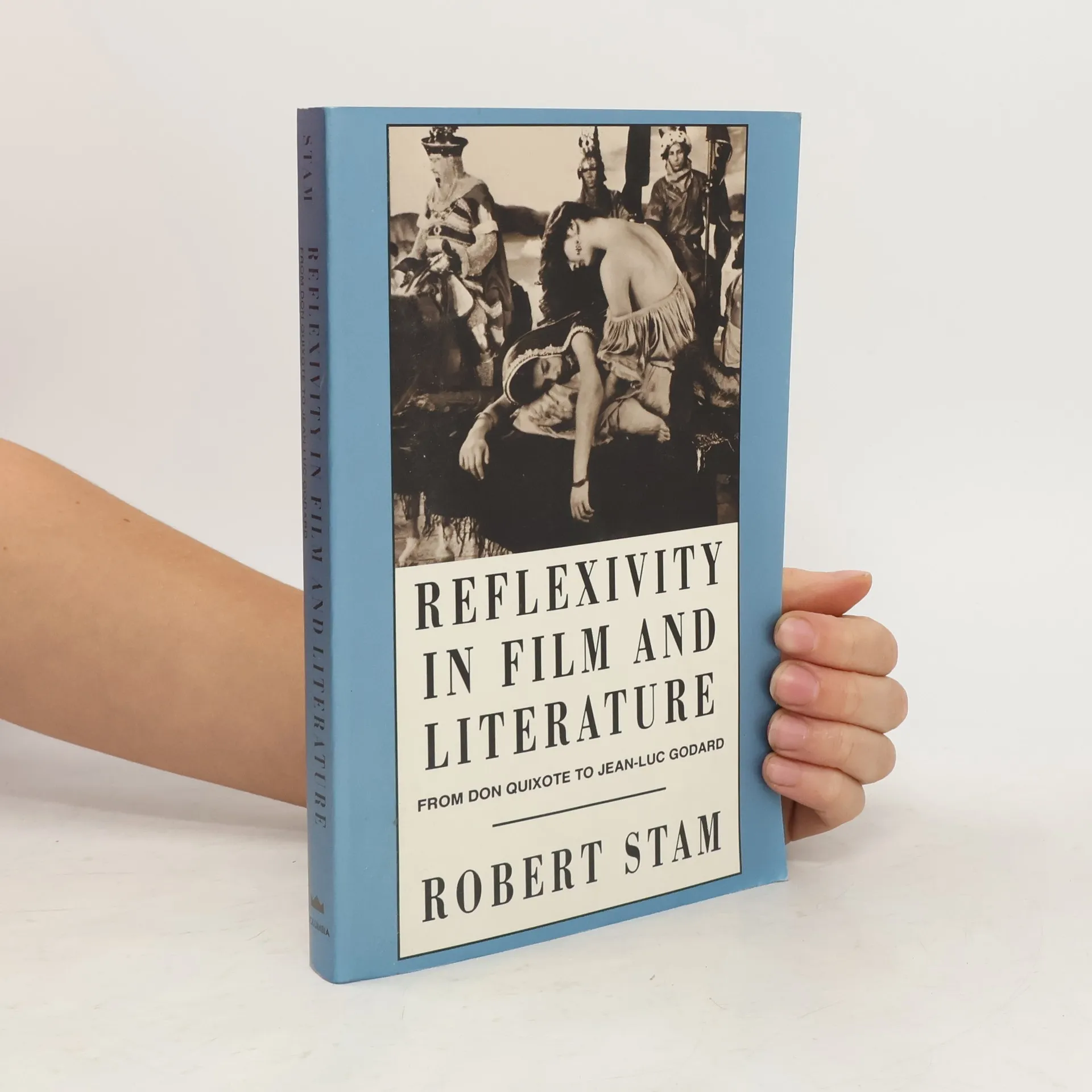
Reflexivity refers to those moments in fiction and film when the work suddenly calls attention to itself as a fictional construct. For example, in literature a character might suddenly step out of the story and address the reader.
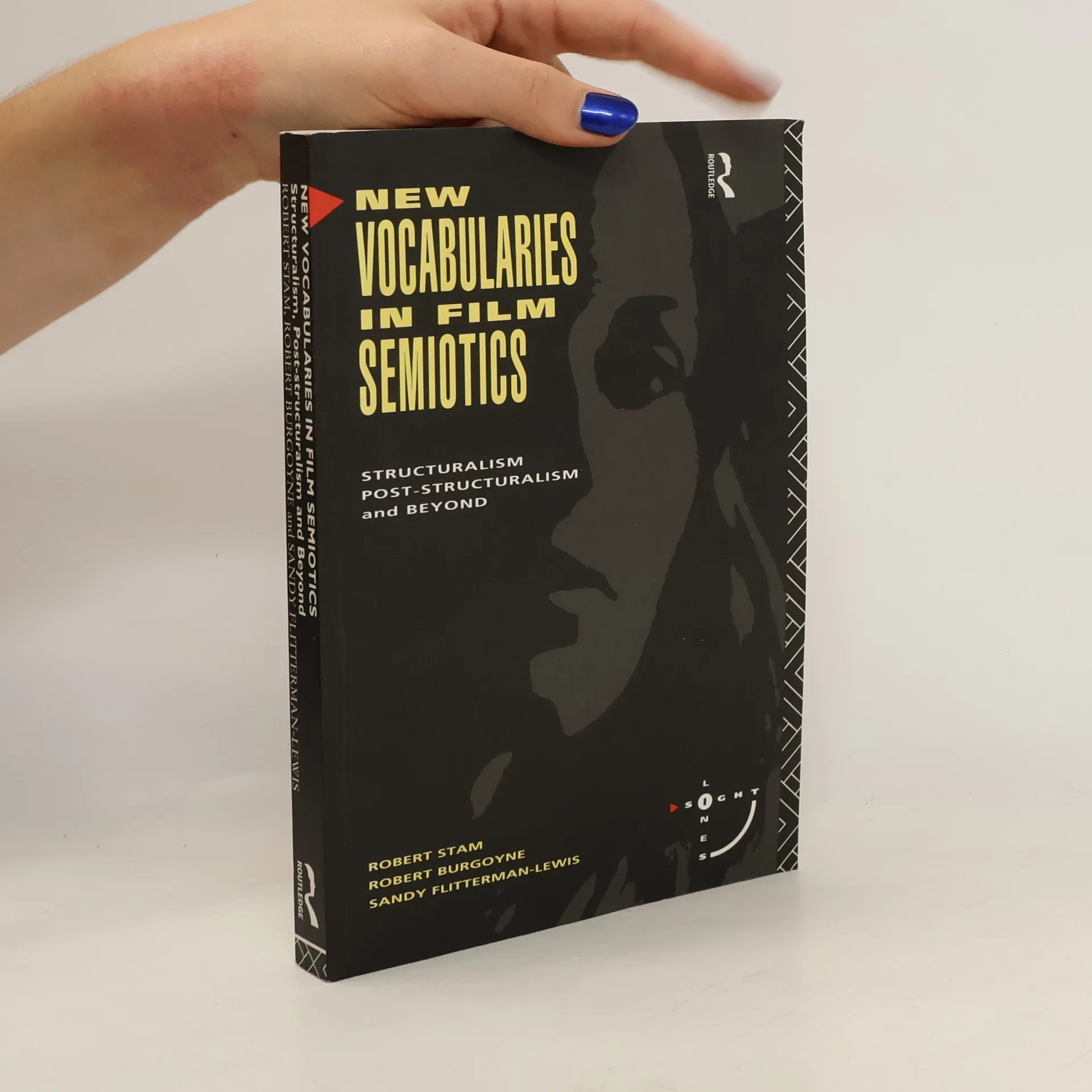
First published in 1992. New Vocabularies in Film Semiotics provides a comprehensive lexicon of semiotic concepts. With sections on linguistics, narratology, psychoanalysis and intertextuality, it constructs an indispensable dictionary for film theory, defining over five hundred critical terms. The authors address key aspects of contemporary semiotics and cultural debate, while referring to the work of key figures such as Peirce, Saussure, Derrida, Barthes, Propp, Genette, Greimas, Kristeva, Lacan, Metz, Bellour, Heath, Mulvey, Johnston, Rose, Doane, Bakhtin and Baudrillard. The semiotic concepts are illustrated by examples drawn from the films of directors such as Welles, Dreyer, Brunel, Godard, Hitchcock, Varda, Akerman and Woody Allen. Although especially geared to the needs of film students, New Vocabularies in Film Semiotics should be useful for scholars in all areas of the arts, philosophy and literature.
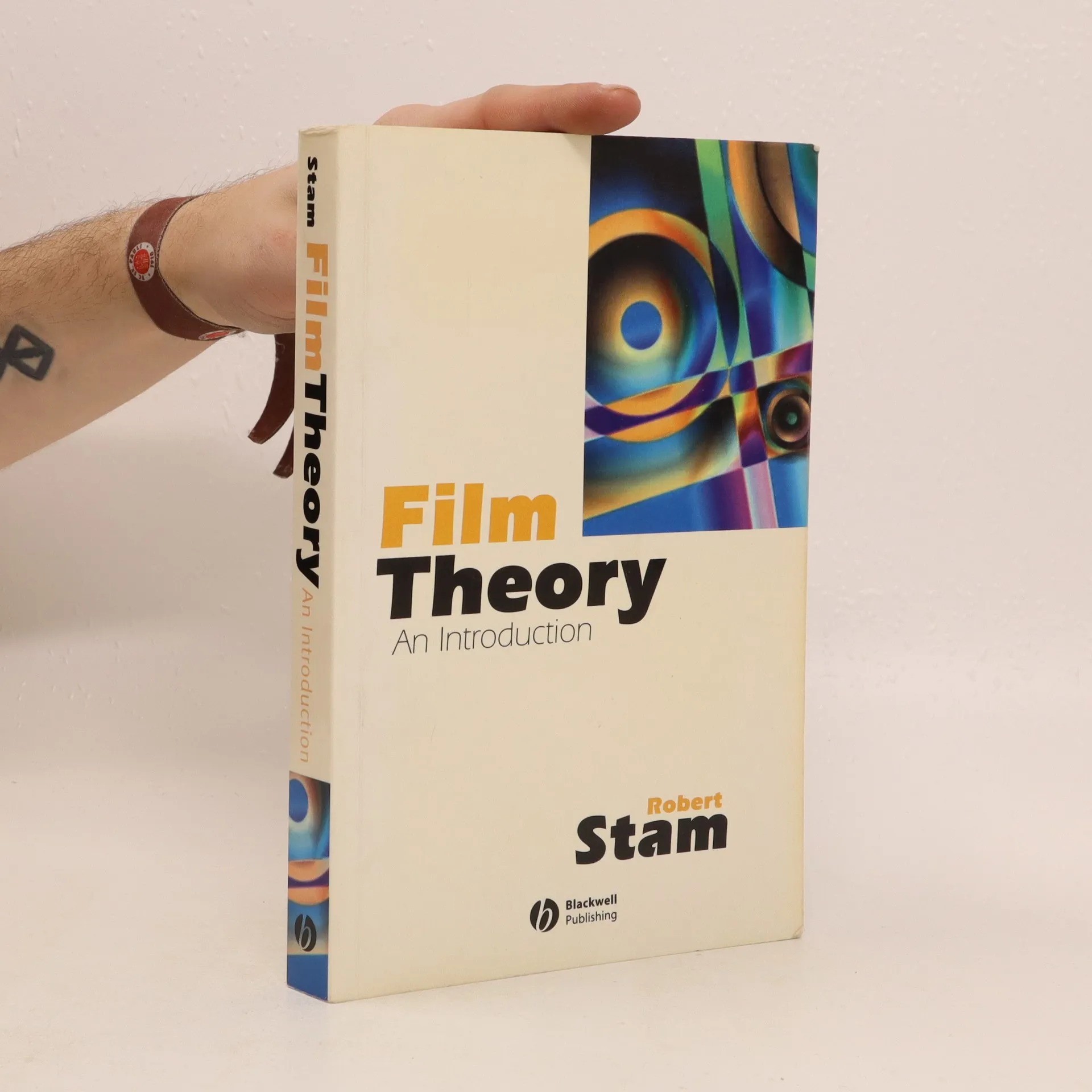
This work is an introduction to film theory, particularly aimed at those studying film and literature as it examines issues common to both subjects such as realism, illusionism, narration, style and semiotics.