

Maurice William Cranston Bücher
Maurice Cranston war ein herausragender britischer Denker, dessen Werk die vielschichtige Geschichte der Freiheit und politischen Theorie erforschte. Hauptsächlich als Biograf und Intellektuellenhistoriker anerkannt, beschäftigte er sich mit den Leben und Ideen wichtiger Persönlichkeiten und bot klare Analysen komplexer Konzepte. Cranstons Schriften zeichnen sich durch ihren zugänglichen Ansatz bei tiefgründigen Themen aus, wodurch anspruchsvolle philosophische und politische Fragestellungen für ein breites Lesepublikum verständlich werden. Sein Engagement erstreckte sich auch auf populäre Publikationen und Rundfunkmanuskripte, was seine Rolle als bedeutender öffentlicher Intellektueller festigte.

Abhandlung über den Ursprung und die Grundlagen der Ungleichheit unter den Menschen
- 214 Seiten
- 8 Lesestunden
„Welches ist der Ursprung der Ungleichheit unter den Menschen und ist sie durch das Naturgesetz gerechtfertigt?“ lautete die Preisfrage der Akademie von Dijon, die Rousseau in seinem „zweiten Discours“ zu beantworten suchte. Darin entwickelt er seine Zivilisationskritik, mit der er Philosophiegeschichte geschrieben hat. Willensfreiheit und Perfektibilität zeichnen den Menschen aus. Der Wilde ist nach Rousseau nicht böse und aggressiv, sondern gut und friedfertig. Erst die Errungenschaften der Zivilisation, z. B. Eigentum und Gesetze, bedingen die Ungleichheit der Menschen und führen ihren Niedergang herbei.
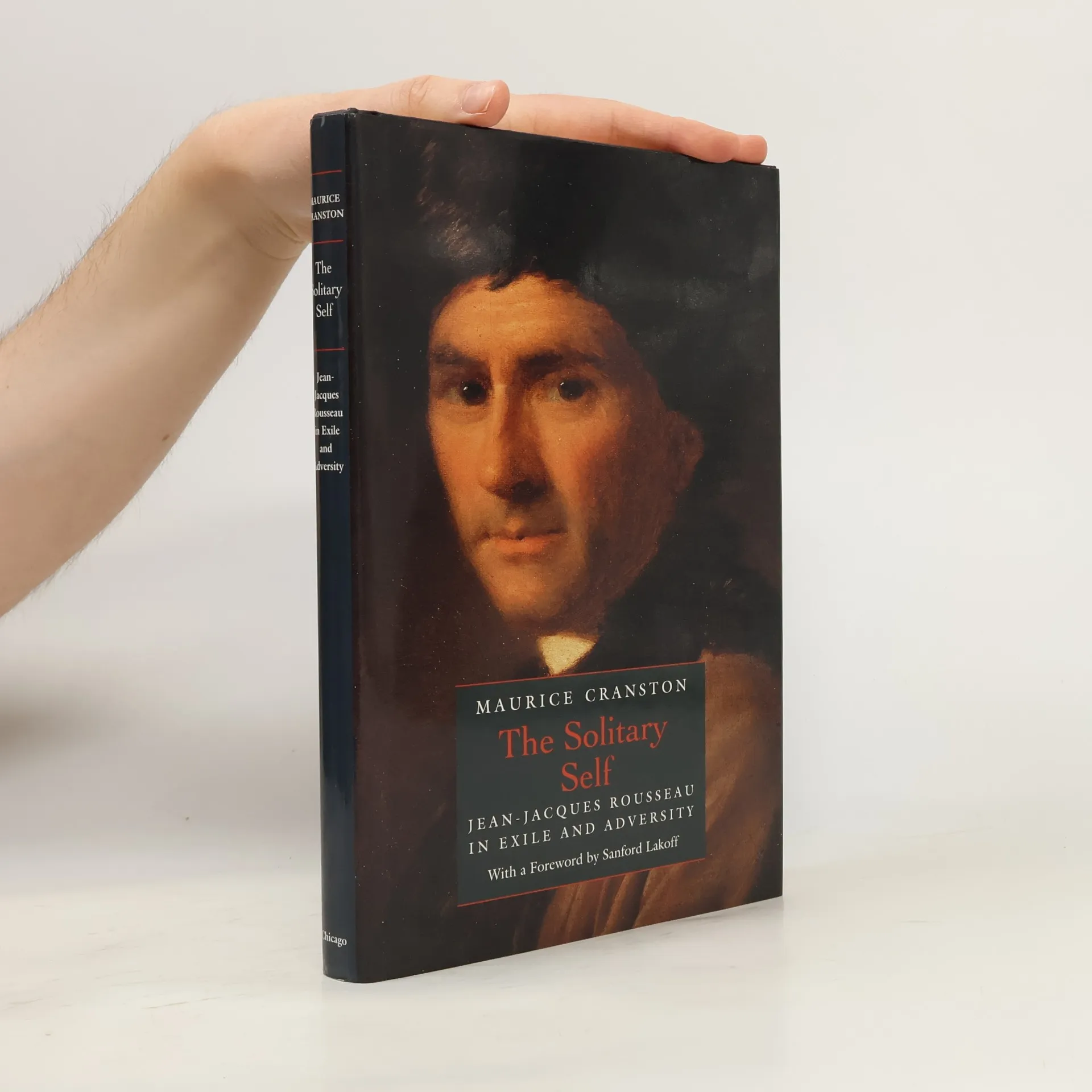
In this final volume of a masterful biography, Maurice Cranston explores the tumultuous last years of Jean-Jacques Rousseau's life. It covers his significant works, including the Confessions, Dialogues, and Reveries, as well as his controversial religious beliefs and his infamous dispute with David Hume in England. Following the condemnation of Émile and The Social Contract in 1762, Rousseau fled Paris, seeking refuge in Neuchâtel and England, becoming a social outcast plagued by feelings of persecution. In his despair, he turned to autobiographical writing to express his innocence and integrity. This period of introspection led to some of the most enduring literature of his time. Cranston's portrayal is both sympathetic and balanced, detailing Rousseau's struggles with a blend of compassion and dry humor. The work is praised for its rich historical context within Europe's ancien regime, offering readers a comprehensive view of Rousseau's life and the societal pressures he faced. This biography is celebrated for its scholarship, capturing the daily life of Rousseau and establishing itself as the authoritative account of his legacy.
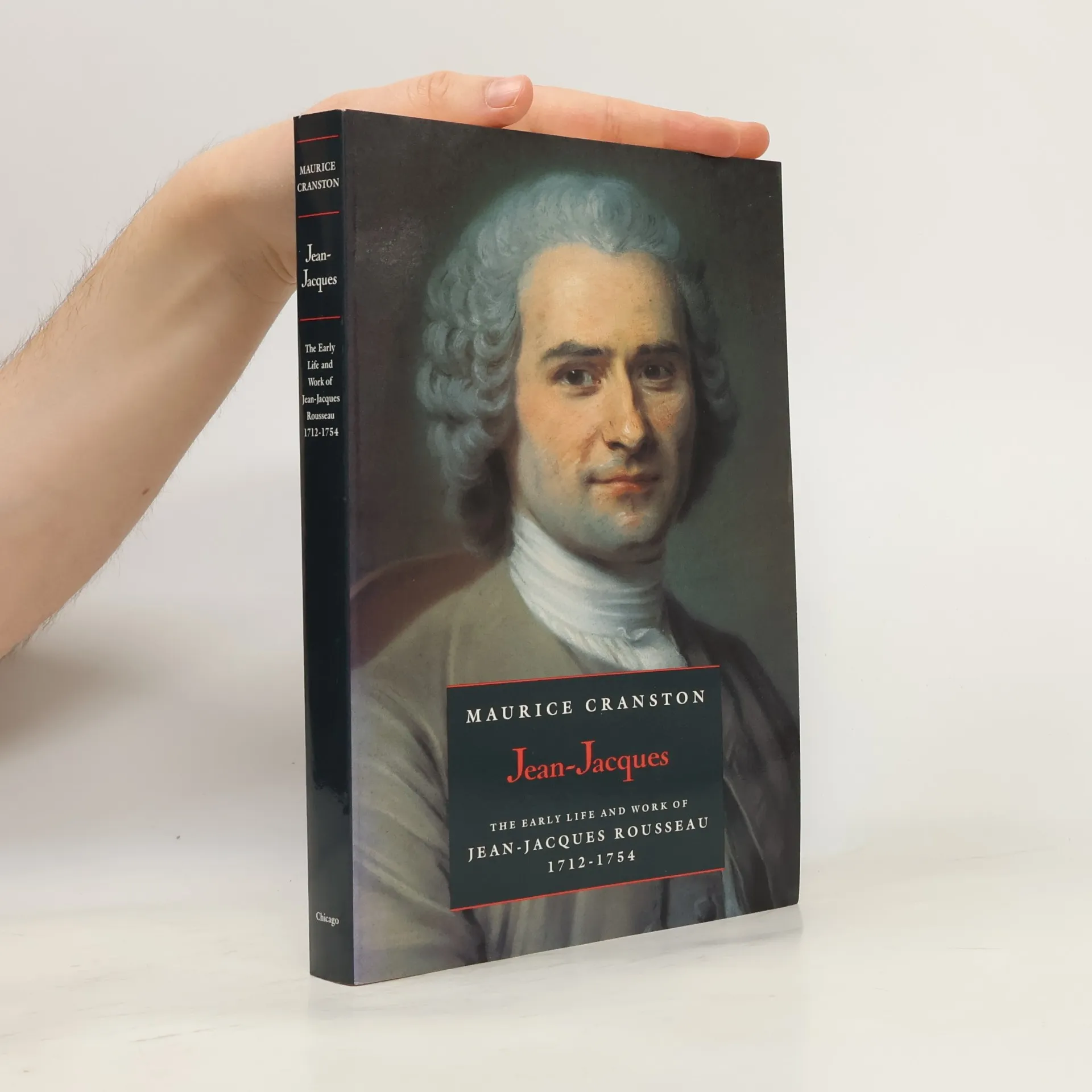
In the first volume of his trilogy, political philosopher Maurice Cranston utilizes original manuscript sources to chronicle Rousseau's life, from his humble beginnings in Geneva to his emergence as a renowned writer and composer by 1754. This biography is praised for its meticulous, calm, and reasonable approach, contrasting with Rousseau's passionate and tumultuous nature. Critics have described it as the definitive biography, combining scholarly rigor with engaging storytelling. Cranston's insights into Rousseau's early life are presented with a freshness that captivates readers, enriching their understanding of both the physical and intellectual landscapes of his formative years. The narrative is crafted with such poise that it renders Rousseau's early experiences as compelling as a picaresque novel, showcasing Cranston's fidelity to Rousseau's ideas and lived experiences. This work is considered a hallmark of Cranston's distinguished career, reflecting his expertise as a scholar and biographer. Maurice Cranston (1920-1993), a notable figure in political science, was a professor at the London School of Economics and received the James Tait Black Memorial Prize for his biography of John Locke, among other notable works.