
On 24 May 1941 within minutes of battle being joined the pride of the Royal
Navy, 'HMS Hood', had been sunk and its newest battleship outfought. However,
the 'Bismarck' had also been seriously wounded. This book analyses the battle
and sheds light on it through a re-analysis of photographic images and
documentary evidence to detail the events.
The book provides an in-depth exploration of the RAF and USAAF airfields in the UK during World War II, detailing their construction, operational history, and post-war usage. It features an extensive collection of 690 photographs and airfield plans, offering a vivid insight into the daily life and significance of each wartime airfield. This meticulously researched work serves as a valuable resource for understanding the critical role these airfields played during the conflict.
1945: a mushroom cloud rises 20,000 feet into the sky. This is not from the
bombing of Hiroshima or Nagasaki. It is the remains of the battleship
'Yamato'. Representing the ambition and determination of Imperial Japan, the
loss of the 'Yamato' in a kamikaze operation in April 1945 has become a symbol
of the downfall of the Imperial Japanese Empire.
Largely overshadowed by Bismarck and Tirpitz, Scharnhorst and Gneisenau were
Germany's most successful battleships of the Second World War. This is the
story of the two ships from their conception through to their involvement in
the invasion of Norway, raids against Allied merchant shipping, Allied
attempts to sink them, and their respective ends.
Strap on your boots and discover Cyprus on foot with the Sunflower Cyprus
walking guide which includes 65 long and short walks. On the days when your
feet may have had enough, enjoy some spectacular scenery on one of our 7
recommended car tours.
An authoritative and illustrated look at the ships of the King George V-class
from the drawing board, through the Second World War. As Britain's most modern
battleships during the conflict, these ships participated in some of the most
famous engagements of the war from the sinking of the 'Bismarck' in 1941 to
the surrender of Japan in 1945.
This book charts the story and the events of one of the Royal Navy's last
great voyages. Led by one of the most iconic warships to serve with the Royal
Navy, HMS Hood, the Special Service Squadron embarked on a journey around the
globe, showing the flag for Great Britain and strengthening ties across the
British Empire.
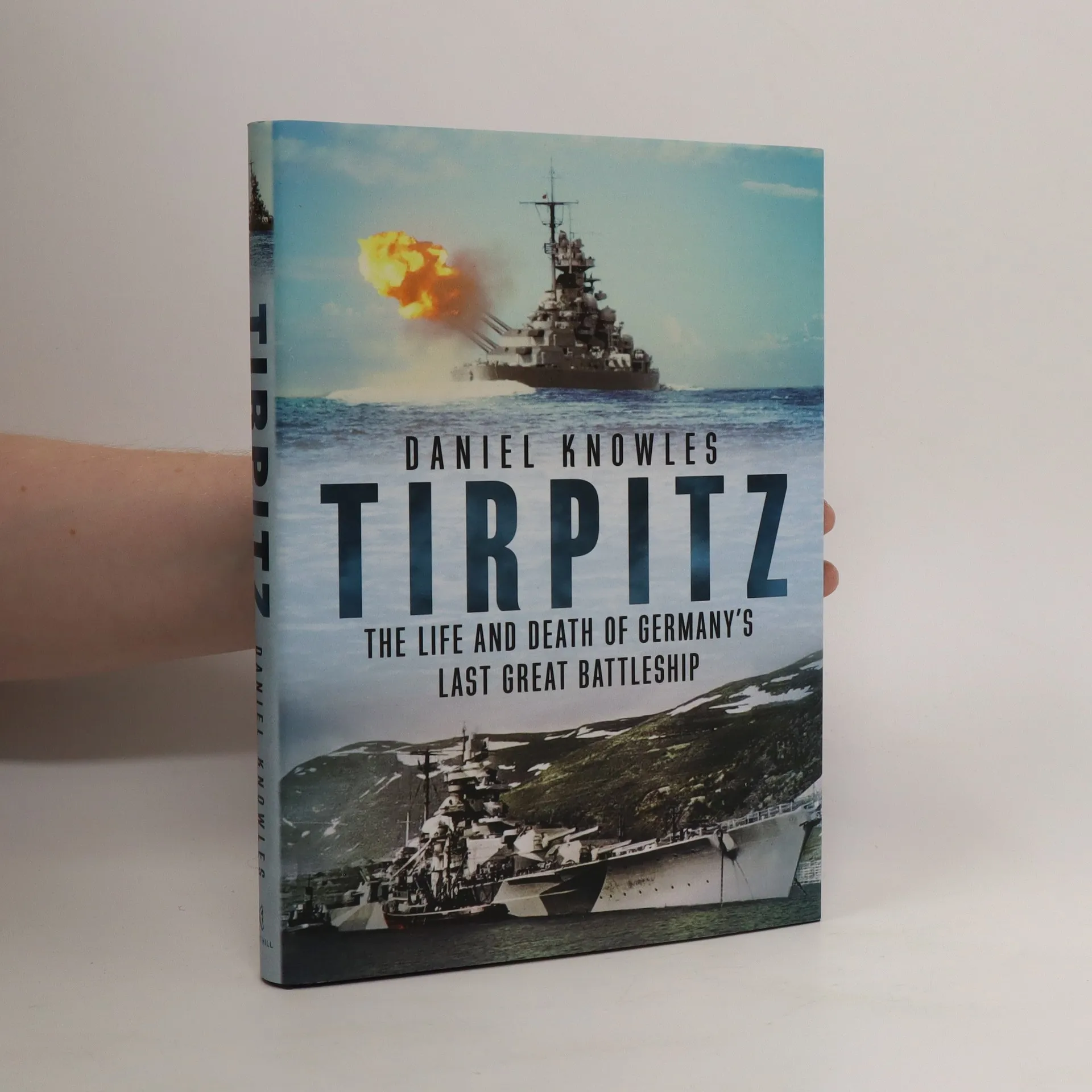
Referred to by Winston Churchill as 'the Beast', 'Tirpitz' was Germany's last great battleship and was one of the largest and heaviest battleships ever constructed by a European navy. Sister ship to the infamous 'Bismarck', 'Tirpitz' may be referred to as 'the Lonely Queen of the North'. Laid down in 1936 and commissioned in 1941, 'Tirpitz' spent most of her operational life lurking as a 'fleet in being' amongst the fjords of Norway. Such was the threat posed to the sea lanes, and with that the Allied war effort, and so obsessed was Churchill and the Admiralty with her destruction that twenty-four operations, ranging from the foolhardy to the ridiculous were undertaken against her. It was in November 1944 that the 'Tirpitz' was finally sunk, not by the Royal Navy, but by the aircraft of RAF Bomber Command. Using a variety of sources this book begins by looking at the military and political situation in Germany that led to the decision to build the 'Tirpitz' before going on to analyse the life and death of Germany's last great battleship.