
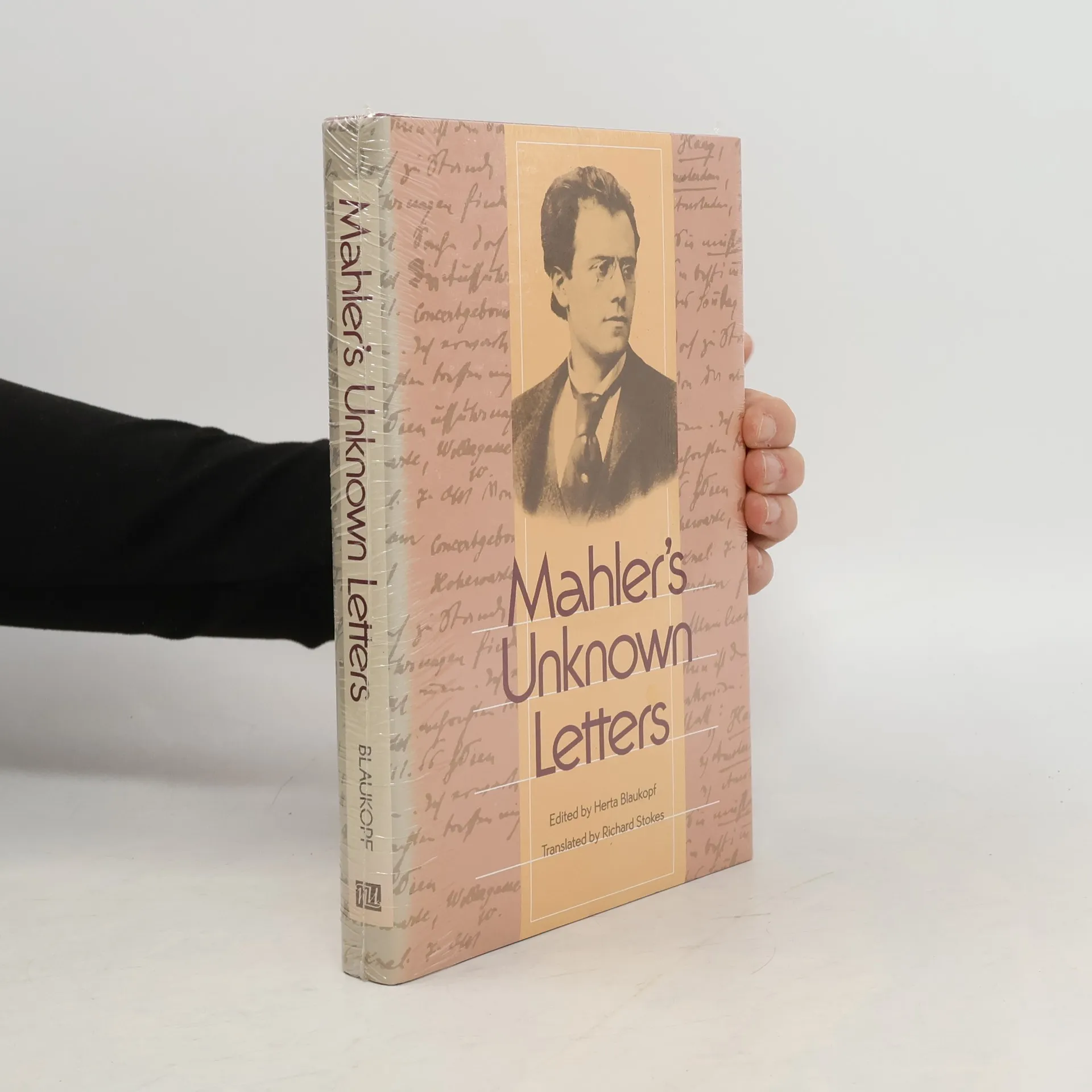

Alfred Brendel - internationally famous as the supreme interpreter of the piano music of Haydn, Mozart, Beethoven, Schubert and Liszt - is also a poet. Between concert engagements and recording sessions, he has found the time to write this collection of sardonic, wise, funny, and beautifully turned verses. Penetrating light is thrown on those parts of the author's endlessly subtle mind and sensibility which his devoted audiences can barely have guessed existed. The supernumerary finger of the book's title, the appearance of Brahms's smelly ghost, the war between the bearded and the beardless, the camel's loss of his humps, the appropriateness of laughter, the eventual appearance of Godot and the usefulness of identical twins are among the important subjects he tackles. With the help of Richard Stokes, Alfred Brendel has produced English versions of his original texts which go out to meet the reader with refreshing directness and wit.
Richard Stokes Bücher


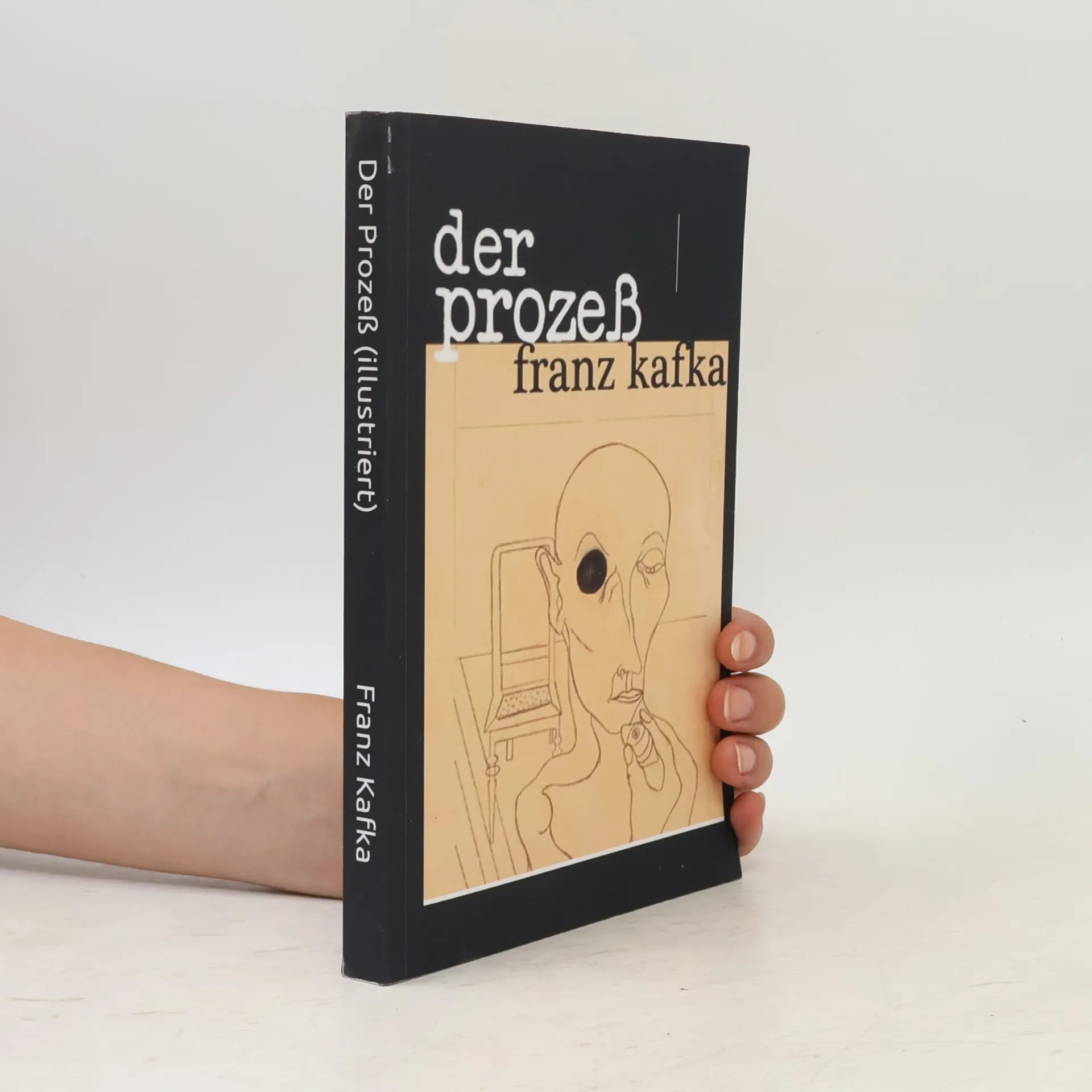
Die Entstehung dieses nicht vollendeten Werkes – vom Sommer 1914 bis zum Ableben des Autors im Juni 1924 – war von besonders prägnanten Phasen in Kafkas Leben gekennzeichnet. Im Juli 1914 fand die Auflösung der Verlobung mit Felice Bauer statt. Sowohl die Verlobung als auch die Entlobung waren für Kafka mit starken Schuldgefühlen verbunden. Eine abschließende Aussprache hierzu im Berliner Hotel Askanischer Hof in Anwesenheit von Freunden hatte Kafka als „Gerichtshof“ empfunden. Unmittelbar danach begann er mit der Arbeit zum Process. Der Erste Weltkrieg brach aus. Ab dem Herbst 1914 wohnte Kafka erstmals unabhängig von seinen Eltern in einem eigenen Zimmer. Seine Arbeit schritt zunächst gut voran, in zwei Monaten entstanden rund 200 Manuskriptseiten, kam aber – wie bei ihm häufig – bald zum Erliegen. Er beschäftigte sich nun u. a. mit der Erzählung In der Strafkolonie. Der Process entstand nicht in linearer Abfolge: Es lässt sich nachweisen, dass Kafka zuerst das Eingangs- und das Schlusskapitel niederschrieb, danach schrieb er an einzelnen Kapiteln parallel weiter. Anfang 1915 wurde der Roman dann unvollendet beiseitegelegt und nie vollendet. Kafka schrieb den Process in Hefte, die er auch für die Niederschrift anderer Texte verwendete. Diese Blätter hat er später herausgetrennt und sie nach Kapiteln und Fragmenten neu sortiert, ohne dabei eine bestimmte Reihenfolge der Teile festzulegen.
Millions compete for exposure on Google, Yahoo!, and MSN Live Search, but 97% of them fail to get results. Search advertising specialist Richard Stokes reveals why and provides solutions.
The Complete Songs of Hugo Wolf
- 672 Seiten
- 24 Lesestunden
The 36 poets set by Wolf are each given their own chapter: a brief essay on the poet is followed by a note on Wolf's connection with the writer, extracts from letters that throw light on the Songs and convey his mood at the time of composition, and the texts and translations.