
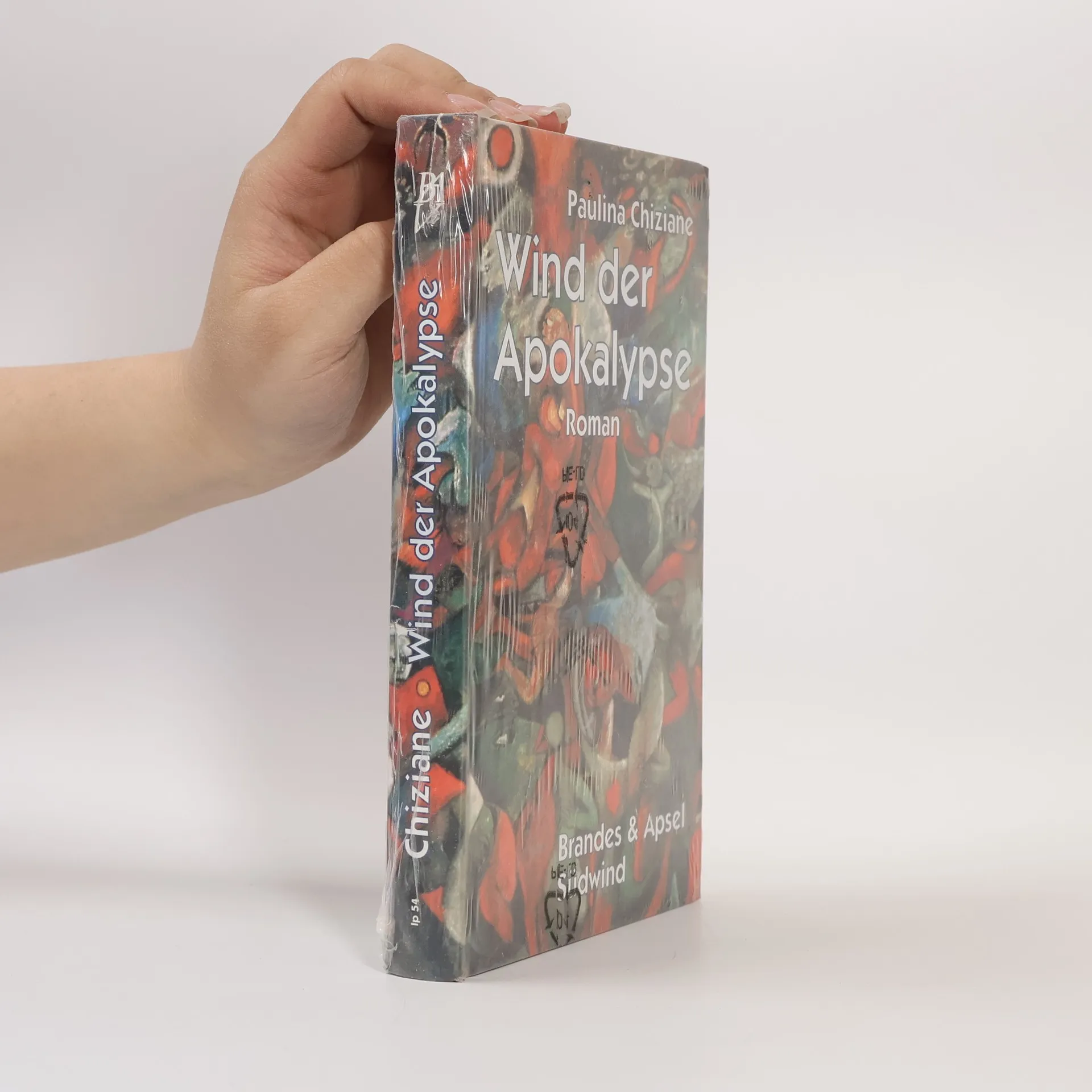
Wind der Apokalypse
Roman
Paulina Chiziane ist eine bahnbrechende mosambikanische Autorin, die sich furchtlos mit komplexen gesellschaftlichen Themen auseinandersetzt. Ihre Erzählungen erforschen oft die anhaltenden Auswirkungen des Kolonialismus und die Zersplitterung durch Befreiungskämpfe und Bürgerkriege. Chiziane untersucht kritisch gesellschaftliche Normen, einschließlich der Praxis der Polygamie, und stellt etablierte Perspektiven in Frage. Ihre kraftvolle Stimme und ihr unverwechselbarer Erzählstil machen sie zu einer bedeutenden Figur in der afrikanischen Literatur.


Roman
A roiling chronicle of motherhood and colonization from a writer who “alternates between a dramatic, high-octane style and a terse and humorous frankness” (Sheila Heti) Recipient of the 2021 Camões Prize, the most important award for literature in the Portuguese language A potent whirl of history, mythology, and grapevine chatter, The Joyful Song of the Partridge absorbs readers into its many hiding places and along the wandering paths of its principal characters, whose stark words will stay with you long after the journey is done. No one knows where Maria des Dores came from. Did she ride in on the armored spines of crocodiles, was she carried many miles in the jaws of fish? The only clear fact is that she is here, sitting naked in the river bordering a town where nothing ever happens. The townspeople murmur restlessly that she is possessed by perverse impulses. They interpret her arrival as an omen of crop failure or, in more hopeful tones, a sign that womankind will soon seize power from the greedy hands of men. As The Joyful Song of the Partridge unfolds, Paulina Chiziane spirals back in time to Maria’s true origins: the days of Maria’s mother and father when the pressure to assimilate in Portuguese-controlled Mozambique formed a distorting bond on the lives of black Mozambicans.
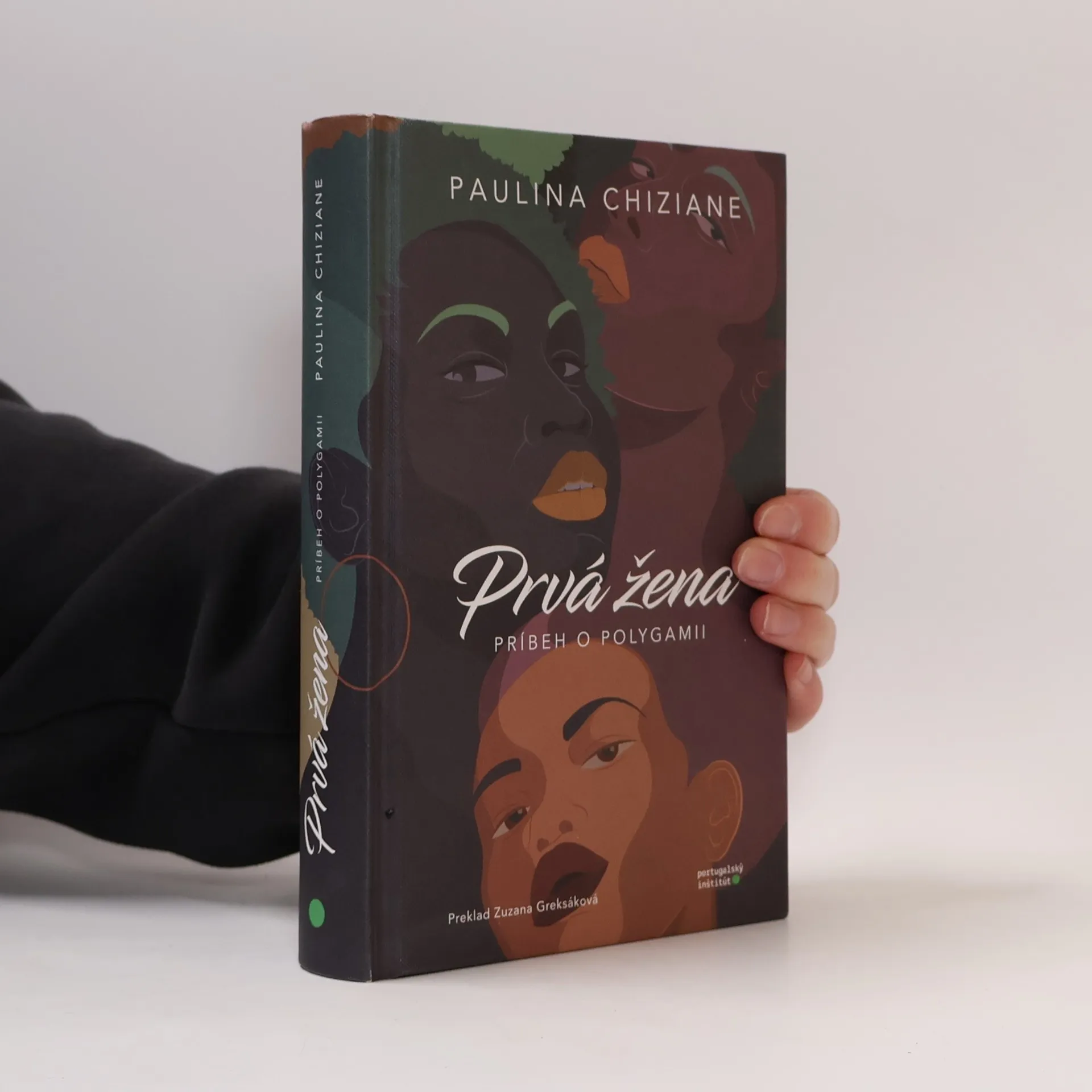
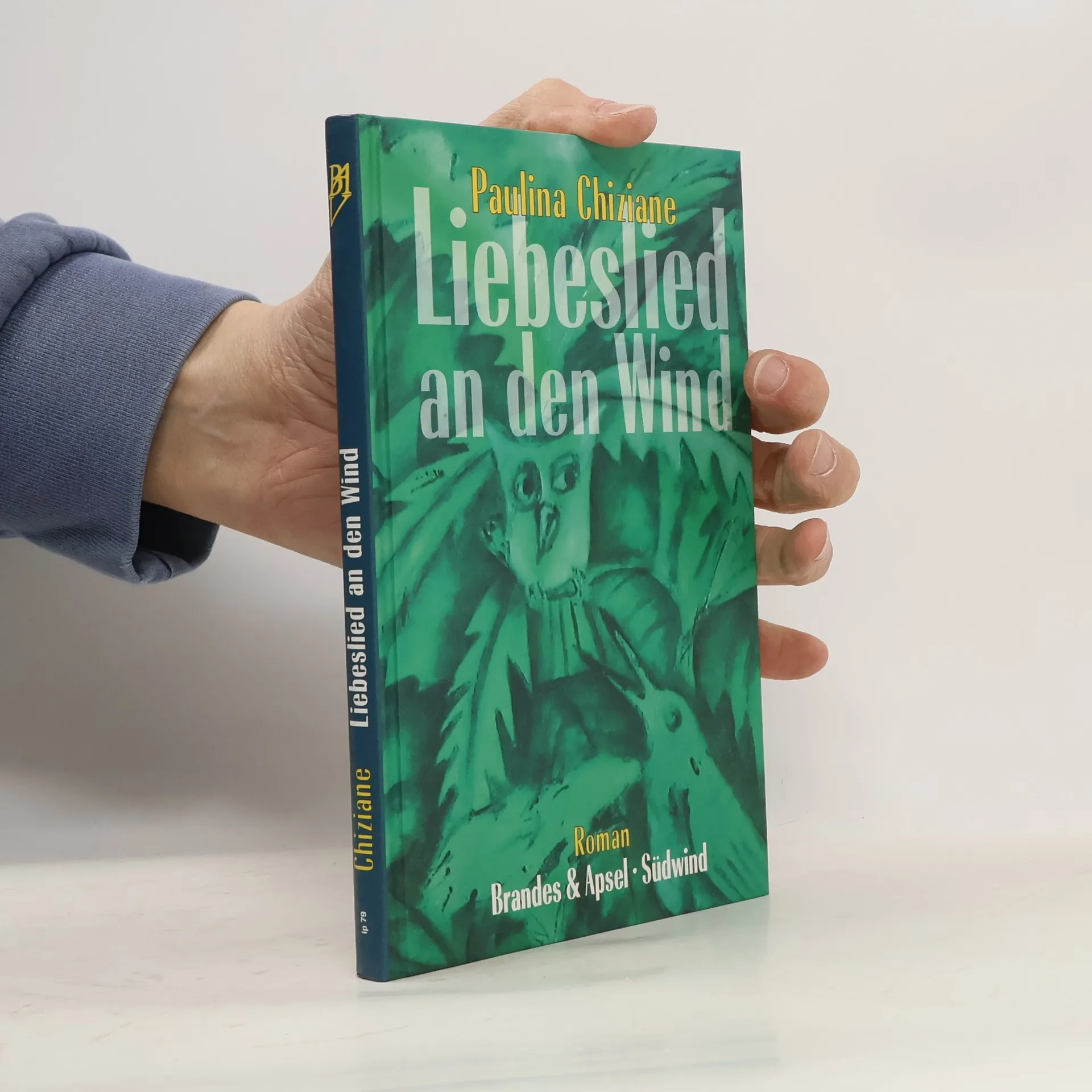
Paulina Chiziane bola prvou mozambickou autorkou, ktorej v krajine vyšiel román – bolo ním dielo Balada do Amor ao Vento (1990), v ktorom otvára tému polygamie v koloniálnom období. Túto tému sa rozhodla naplno rozviť v románe Prvá žena – príbeh o polygamii (Niketche. Uma história de poligamia), za ktorý v roku 2003 získala cenu Josého Craverinho udeľovanú mozambickým autorom. Napriek tomu, že kniha vyšla začiatkom 21. storočia, praktizovanie polygamie je v mozambickej spoločnosti stále bežné. Napriek tomu, že Chiziane sa otvorenie stavia proti polygamii, vníma silné patriarchálne nastavenie spoločnosti a biedne postavenie žien v nej, a preto ponúka možno bizarné alternatívne riešenie situácie. Autorka nám ukazuje, že pokiaľ ženy spoja sily, vedia si vydobyť čestné miesto v spoločnosti. Chiziane o sebe tvrdí, že nie je spisovateľkou, ale rozprávačkou príbehov. To bravúrne dokazuje práve pri dôkladnom a detailnom opise žien a ich tragických životných osudov. Dielo nie je prvoplánovým feministickým pamfletom, a o to je precitnutie a prerod hlavnej hrdinky Rami autentickejšie. Román Prvá žena – príbeh o polygamii prináša dosiaľ unikátny pohľad na praktiku, ktorá je aj v 21. storočí stále akceptovaná, a dáva hlas jej neviditeľným obetiam.
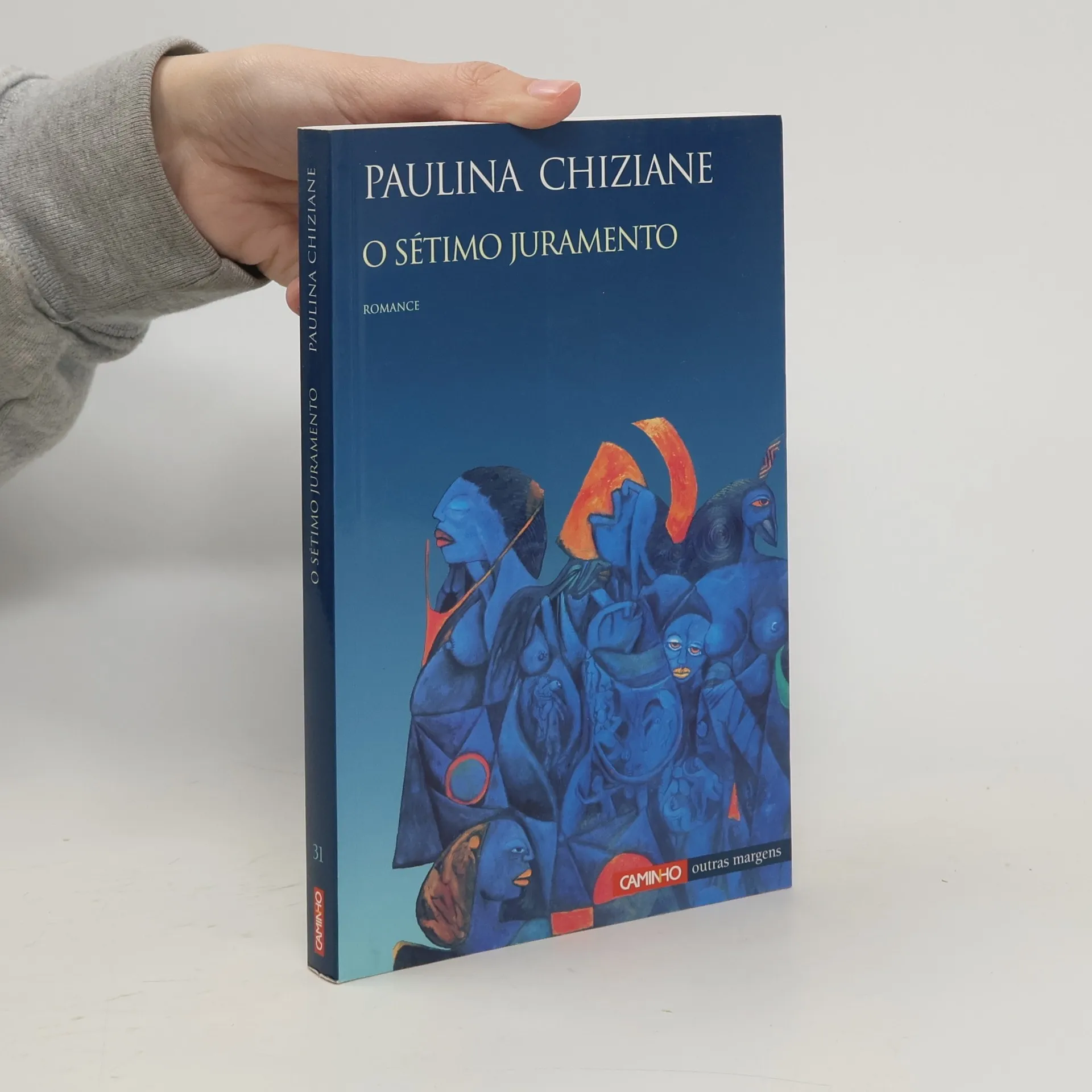
«- David? - Sim? - Viste? - Vi. - O que pensas? - Nada. - Deixa-te de rodeios. Fala abertamente. - Vi, sim. Sempre ouvi falar de histórias de feitiçaria, mas nada do que ouvi se compara com isto. Parece uma montagem de cinema, contos de fadas, coisas do maravilhoso e do fantástico. Diz-me que estive a sonhar, Lourenço, vá, diz-me, isto não pode ser real!» [...] A perplexidade de David vai-se tornando nossa, à medida que mergulhamos no mundo fantástico que Paulina Chiziane nos oferece. Um mundo de feitiços e tabus, de magia negra e fantasia, de sonhos e de pesadelos, de luz e de trevas. Um mundo de contrastes e contradições, em que as forças do bem e do mal travam uma luta contínua e titânica. Um mundo de destruição e corrupção, mas também um mundo a que os valores da tradição e a sabedoria de séculos emprestam uma inegável beleza. Um mundo inquietante, assustador, misterioso, em que a atracção pelo abismo é incontrolável e a realidade do dia-a-dia, tal como supomos conhecê-lo, é permanentemente questionada. Será que David esteve mesmo a sonhar?»