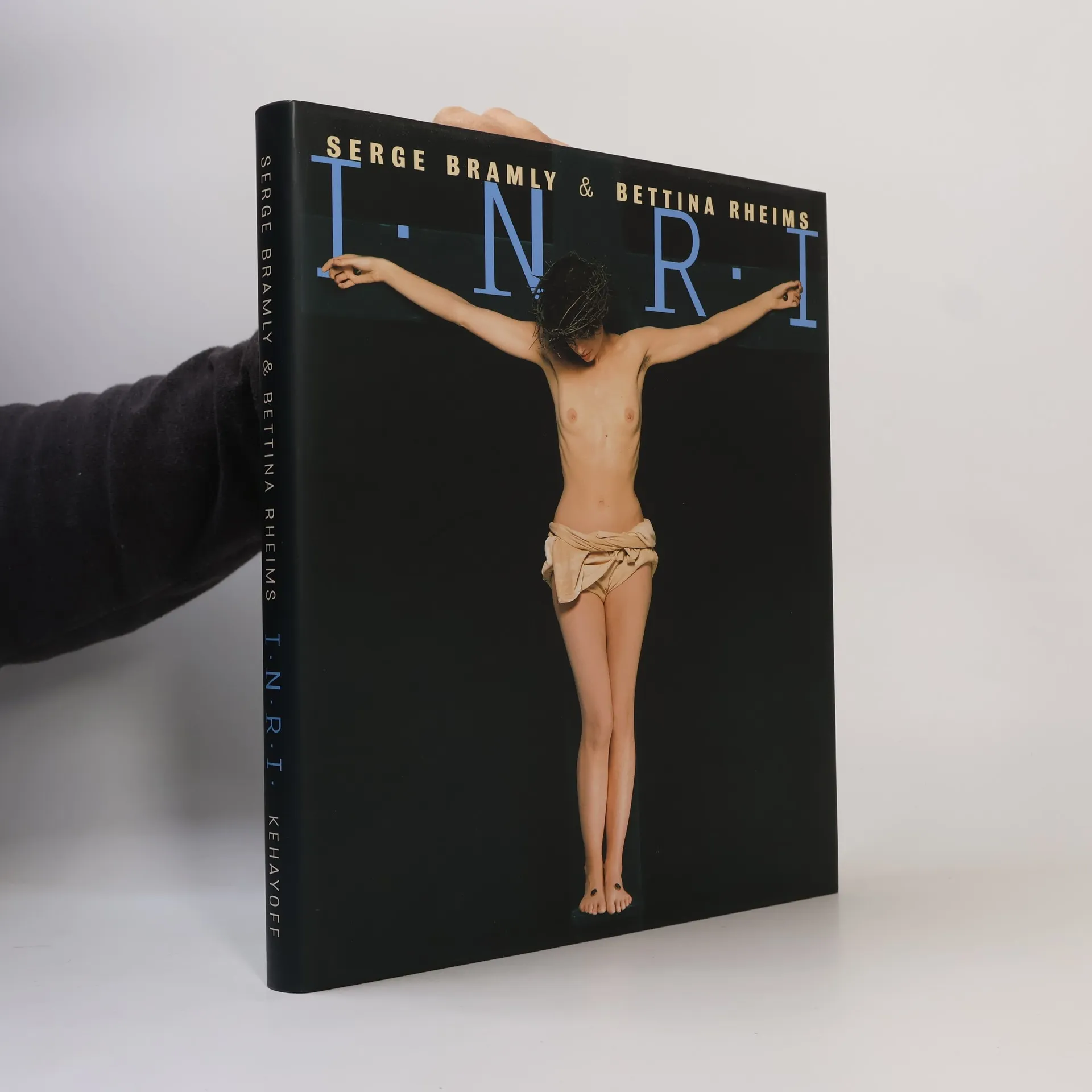
Serge Bramly & Bettina Rheims : I.N.R.I.
- 215 Seiten
- 8 Lesestunden


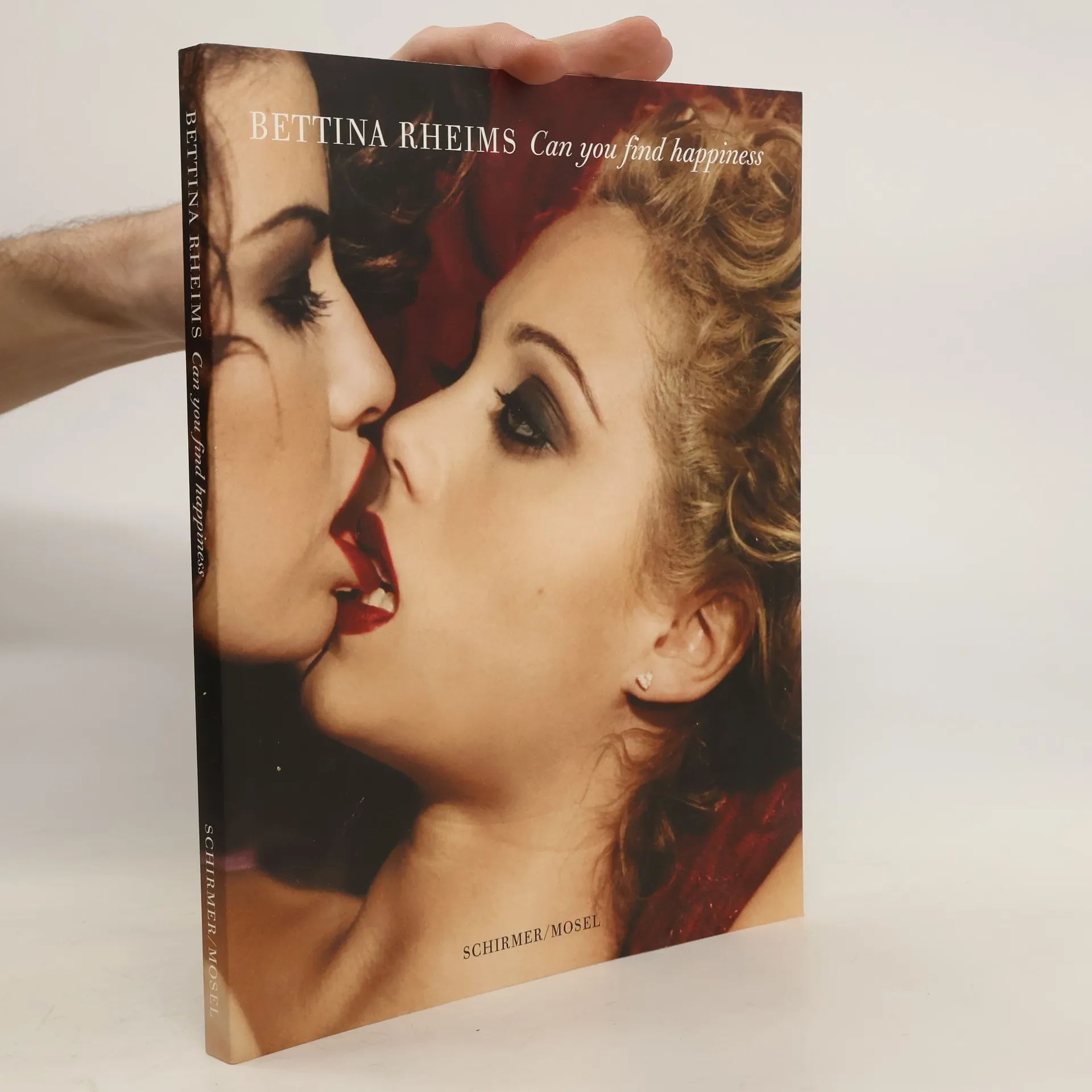

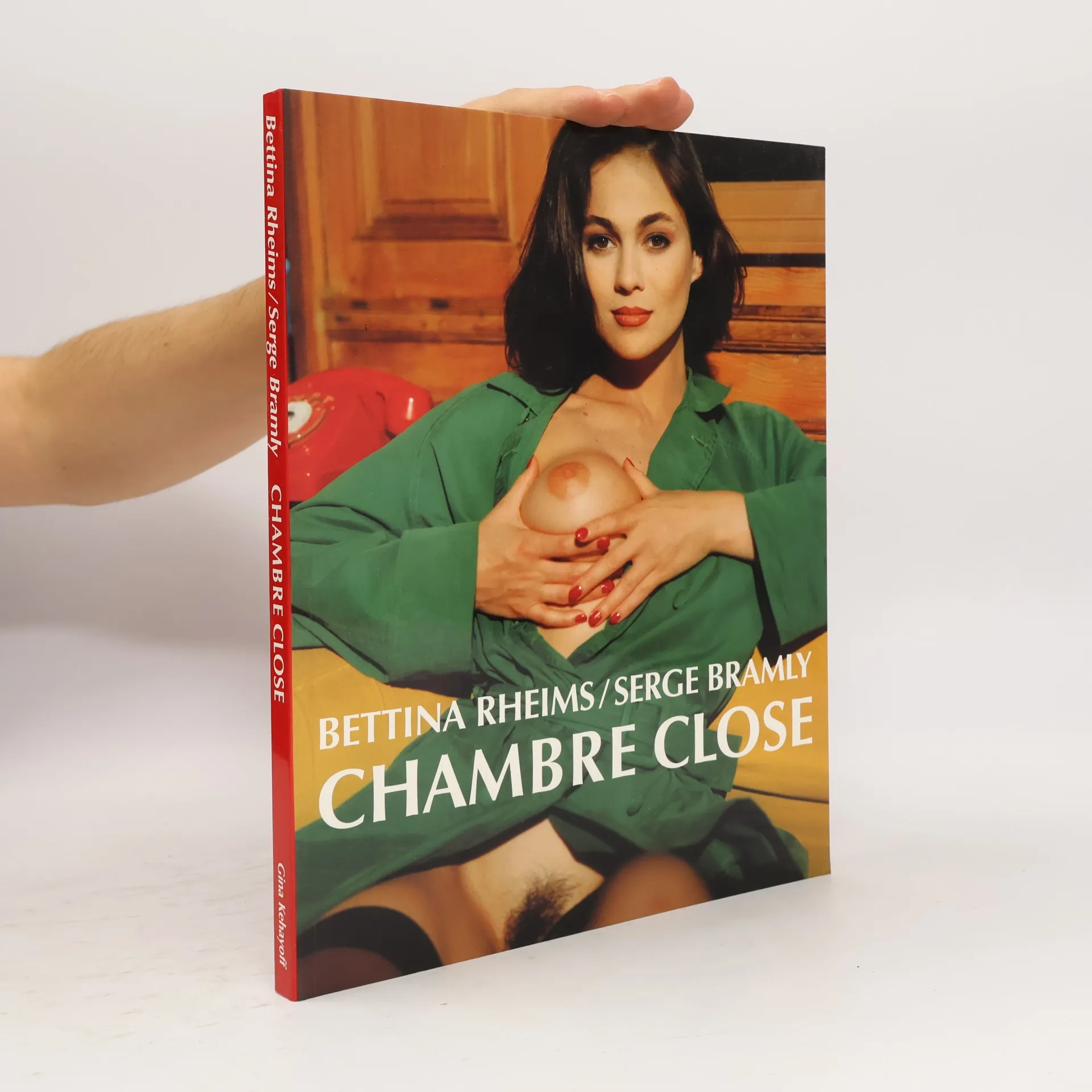
Die künstlerische Zusammenarbeit der Fotografin Bettina Rheims und des Schriftstellers/Kunstkritikers Serge Bramly begann 1991 mit Chambre Close. Das Werk lebt von dem anregenden Kontrast zwischen Text und Bildern. Der kultivierte literarische Ton von Monsieur Xs fiktiven "Geständnissen" steht im Gegensatz zu Fotografien, die eine viel klarere Sprache sprechen. Bettina Rheims beherrscht diese Sprache, die von weiblichem Erotismus und Exhibitionismus erzählt, wie es sonst niemand tut.
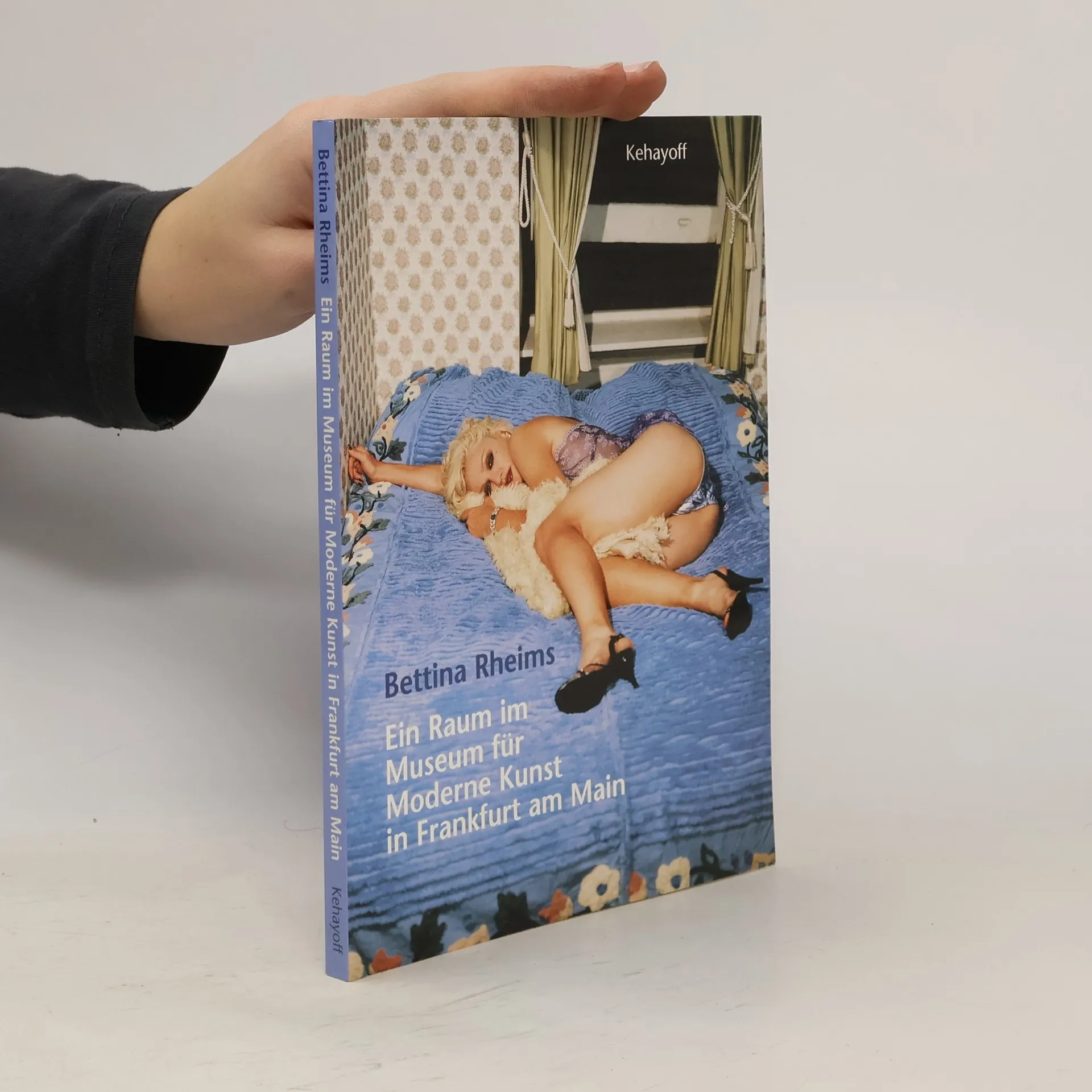
Berühmte Frauen - Sängerinnen und Models wie Madonna und Karen Mulder - sowie anonyme "Schönheiten" posieren in provokanten Outfits, halb bekleidet oder nackt in Hotelzimmern. Chambre Close und Pourquoi m'as-tu abandonnée werden zum ersten Mal im Großformat im Museum für Moderne Kunst in Frankfurt am Main gezeigt. Für einen Moment scheint es, als würden wir durch die Augen eines männlichen Voyeurs schauen. Doch bei näherem Hinsehen wird deutlich, dass wir Zeugen eines Dialogs zwischen Frauen sind. Frauen aus völlig unterschiedlichen Hintergründen - von einer Angestellten des Elektrizitätswerks bis zu einer schwarzen Polizeibeamtin - verfolgen ihre eigenen erotischen Fantasien in Hotelzimmern, beobachtet von Bettina Rheims, einer Fotografin, deren Blickwinkel im entscheidenden Moment ganz gewiss nicht männlich ist. Doch das ist nicht so offensichtlich, wie es scheint, denn trotz der Offenheit der Fotografien müssen sie mit großer Aufmerksamkeit betrachtet werden.
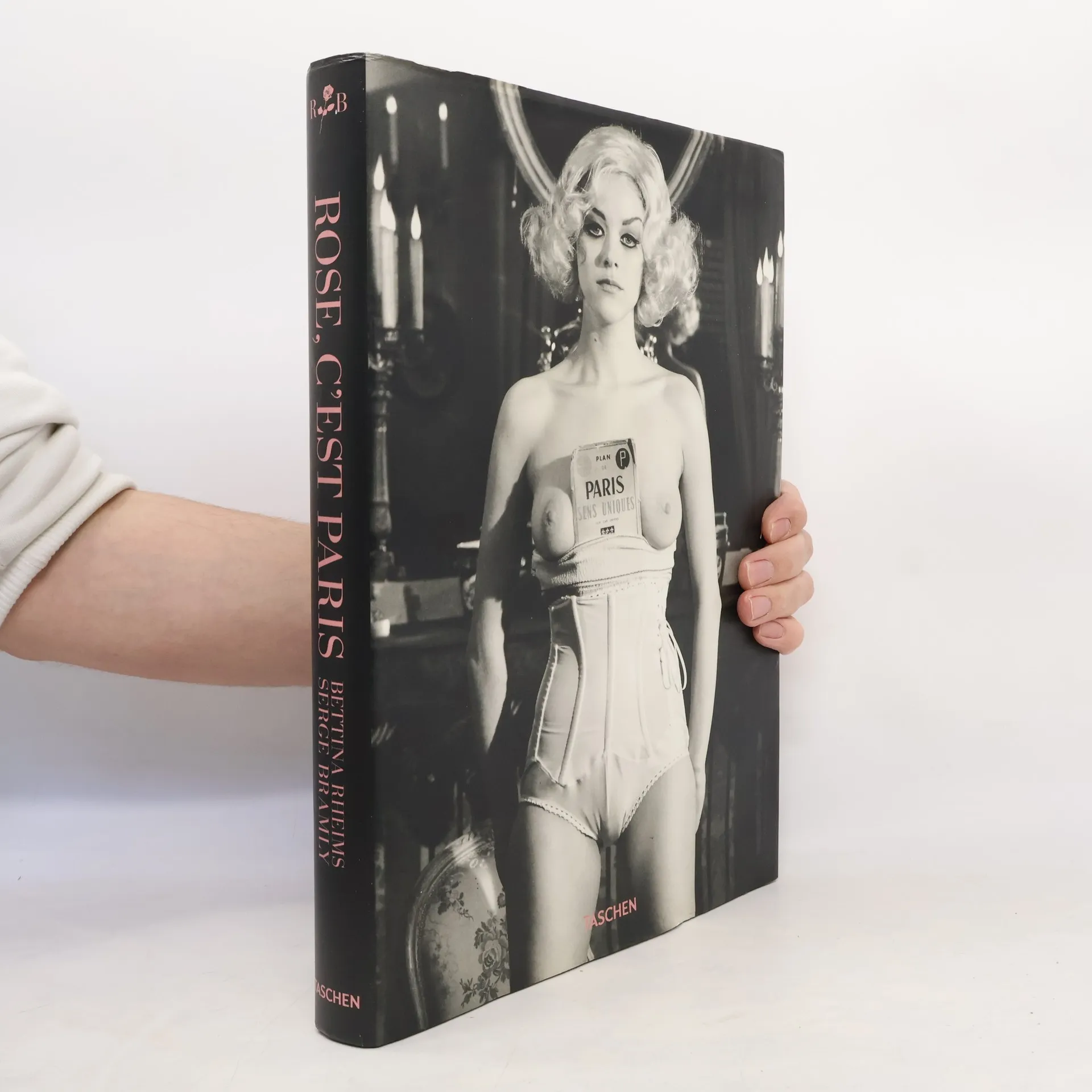
Seit sie in den späten 70er-Jahren zur Fotografie fand, hat Bettina Rheims gängige Erwartungshaltungen torpediert. Von ihrer Serie über die Stripperinnen vom Pigalle (1980) bis zum Zyklus über das Leben Jesu in I. N. R. I. (1998), von ihrer Chanel-Werbung bis hin zu Gender Studies (2011): In ihrer Arbeit hat sie die traditionelle Ikonografie gehörig durchgerüttelt und unermüdlich die Bruchstelle zwischen zwei Gebieten ausgelotet, die die Menschen seit jeher faszinieren – die Schönheit und die Unvollkommenheit . Für diesen Band hat Rheims über 300 ihrer Lieblingsaufnahmen aus den letzten 35 Jahren zusammengestellt – couragierte und provokante Fotografie aus berühmten Fotoreihen wie Chambre Close , Héroïnes und Rose, c’est Paris (in Zusammenarbeit mit Serge Bramly). Die Modefotografien wie auch die künstlerischen Aufnahmen in diesem Buch zeigen Bettina Rheims’ besonderen Blick für die Fragilität und die Stärke der Frauen . Die magische Begegnung zwischen der Künstlerin und ihren Modellen bricht mit den traditionellen Codes der Erotik und führt zu einer ganz neuen Bildsprache der Weiblichkeit .
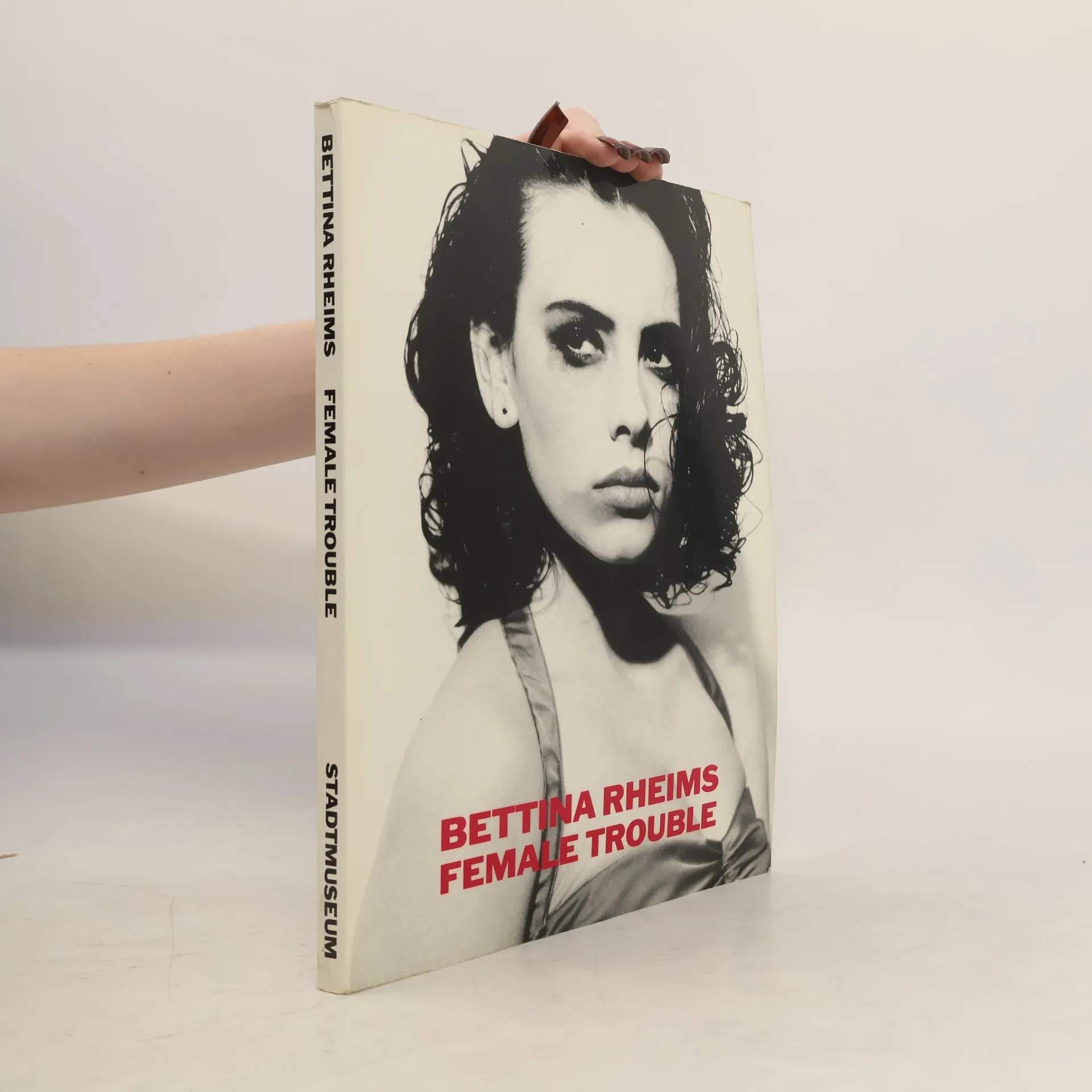
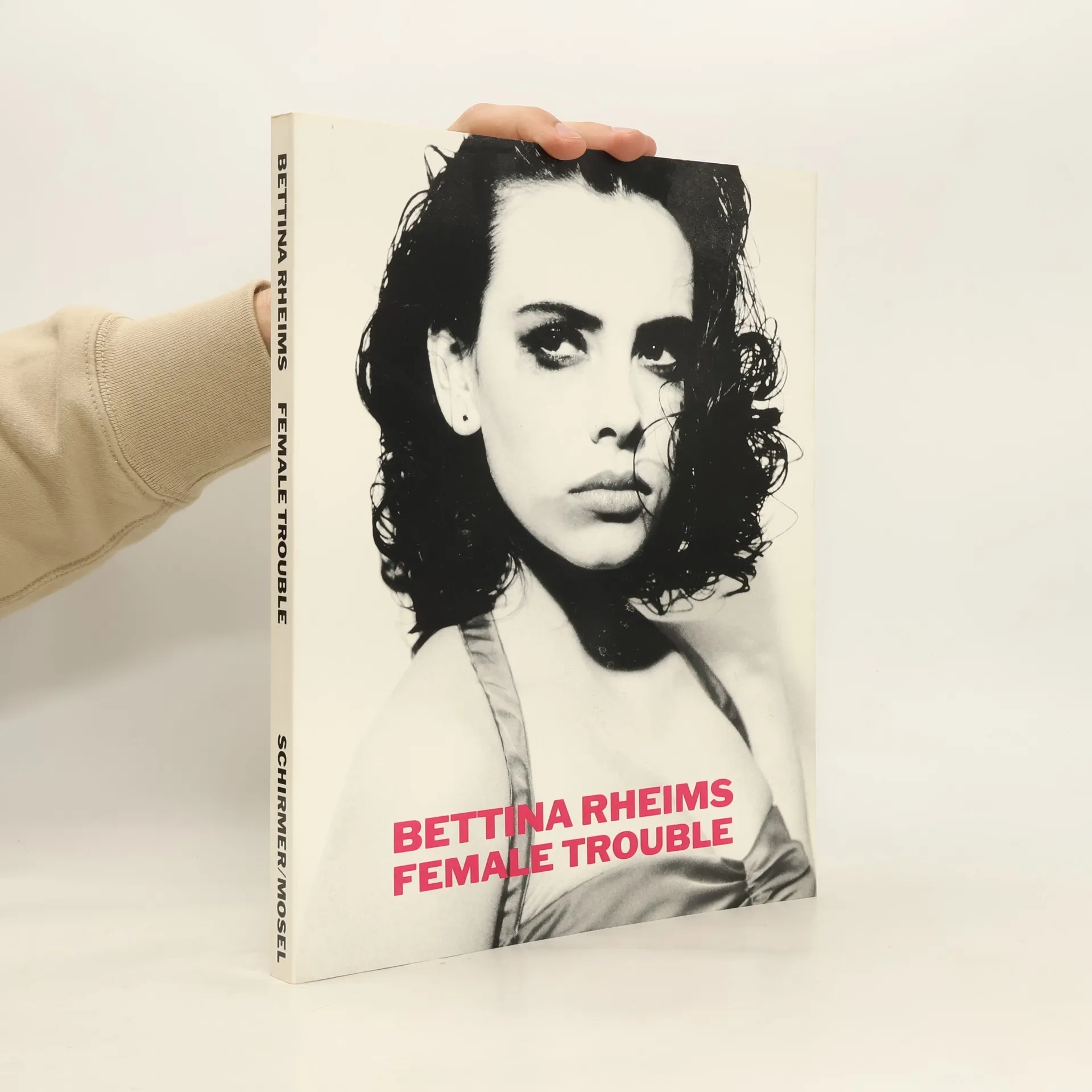
Bettina Rheims has been one of the most acclaimed woman photographers of France since the early 80s, when she first showed her sensational female nudes and portraits. Film stars, actresses and artists, models, friends, country fair acrobats and strippers— known and unknown women have posed in frontof her lens during the past twenty years. Female Trouble, first published in 1989 by Schirmer/Mosel, presents a selection of some one hundred photographs—brilliant studies on womankind mostly in black and white, her favored technique mastered with a unique subtlety. The common denominator of this collection of photographs is Rheims’ sensitive and delicate relation with her sitters, revealing an extraordinary originality, empathy, sense of style and feeling for both the manifold facets of femininity and pictorial eroticism. The plates are preceded by an introductory essay by Catherine Deneuve.
Seit den frühen 80er Jahren ist die französische Photographin Bettina Rheims, geb. 1952, eine der international gefragtesten Vertreterinnen ihres Metiers. Und seit ihren Anfängen steht der weibliche Körper im Zentrum ihres künstlerischen Interesses. In unkonventionellen und oft provozierenden Portraits und Aktaufnahmen bringt sie immer wieder Wesenszüge ihrer Modelle zum Vorschein, die verschüttet, verborgen und meist wohl gehütet sind. Mit ihren Serienprojekten geriet sie regelmäßig ins Kreuzfeuer der Kritik, sei es mit KIM (1991), einer Dokumentation über Transsexuelle; Chambre close (1992), der Geschichte eines Voyeurs, der Frauen in Pariser Hotels photographiert; I. N. R. I. (1999), einer gewagten Umdeutung biblischer Szenen; Shanghai (2004), einer Studie über weibliche Selbstbehauptung inmitten des kulturellen, wirtschaftlichen und mentalen Umbruchs, und schließlich Héroïnes (2006), ihrem bisher jüngsten Projekt. Unser Band, zu dem Philippe Dagen, Kunstkritiker von Le Monde und Professor für Kunstgeschichte an der Sorbonne, einen Essay schrieb, gibt – nach dem Prinzip The Best of … – einen repräsentativen Überblick über Bettina Rheims’ photographisches Werk der letzten dreißig Jahre.
Bettina Rheims came to worldwide fame in the early 80s with sensational nudes and portraits. As a sequel to her legendary, mostly black-and-white publication Female Trouble, first published by Schirmer/Mosel in 1989, More Trouble presents new photographic visions of glamour, beauty, fashion, sex, and seduction, created from the 90s to the present day. They include portraits of Kylie Minogue, Madonna, Charlotte Gainsbourg, Ludivine Sagnier, Emmanuelle Beart, Brooke Shields, Liv Tyler, Isabella Rossellini, Salma Hayek, to name just a few. This time, however, her pictures are mostly in color. And they include men, such as Jackie Chan, Michael Douglas, James King, Tupac Shakur, Mickey Rourke, Marilyn Manson, and Emir Kusturica. Once again, Bettina Rheims proves her extraordinary originality, her empathy, her sense of style, and her feeling for pictorial eroticism.
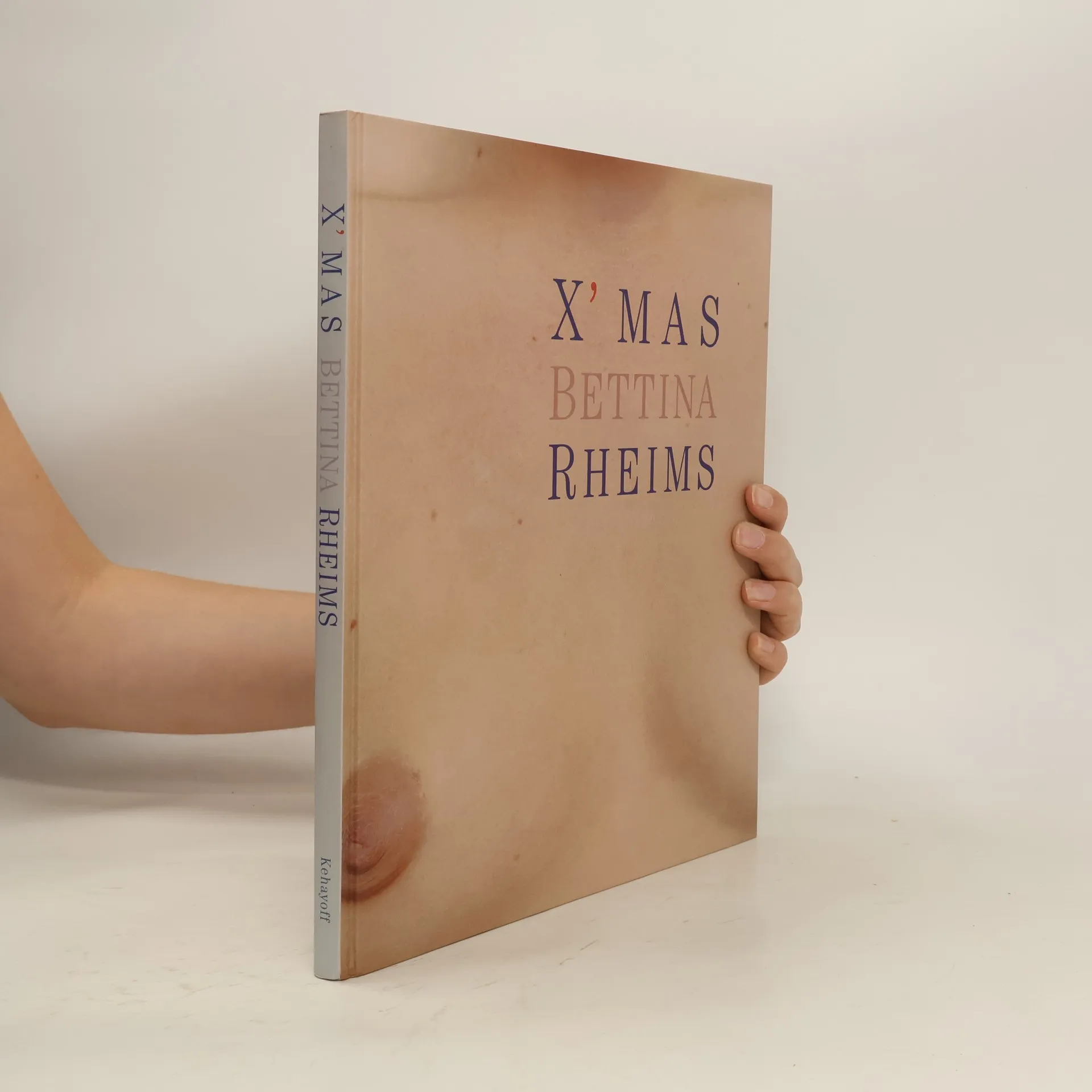
In X'Mas, 55 young girls below the age of 20 are posing nude, or almost nude, for the first time. All are very pretty, but they do not yet know their own power of seduction. They have been promised Christmas: it is like a rite of passage, a moment of unreality in which the person does not know what the outcome will be. The smiles of the festive season can hide many fears and already some regrets and disappointments. In work carried out during the year 2000, in these 62 photographs Bettina Rheims represents three phases in the coming-of-age of a young girl: The first shows the background of a young girl's own environment, the pinks and blues of junior theatre. The second incorporates a projected backdrop that is between cinema and nightmare and grasps at the dreams and potential of the future. In the third nothing is left, except a person -- a woman in a white box where the ribbon has been cut to reveal that it is the true self that is the real gift.
In Bonkers! A Fortnight in London, Bettina Rheims continues to explore the cities that inspire her. After Paris—featured in many of her books—and Shanghai, Rheims now indulges in the wild eccentricities of London, surrounding herself with models, actresses and other beauties on the go—in between catwalks, concerts and parties. Together the women play with the toys and tools of their trade: fashion accessories and costumes thrown into the mix by none other than Vivienne Westwood, lewd disguises and blatant nudity. Bonkers! is a dim, surreal world of female self-expression and eroticism.
Olga Rodionova, une beauté du jet-set moscovite, inspire la photographe française Bettina Rheims pour un projet audacieux. Après plusieurs séances photo, dont une avec des éléments Sado-Maso, elles créent « The Book of Olga », un hommage moderne à la beauté féminine et à la sensualité, accompagné de plus de 100 photographies et d'une introduction de Catherine Millet.
„Die Femme fatale Olga Rodionov ist eine berühmte Schönheit, die sich in den Mode- und Jetset-Kreisen Moskaus bewegt. Als der sie verehrende Gatte, ein mächtiger russischer Millionär, sich auf die Suche nach besonderen Porträts seiner Frau machte, wandte er sich an niemand geringeren als Bettina Rheims - für eine Fotografin von Rheims’ Kaliber ein eher ungewöhnliches Ansinnen. Doch Rheims war gefesselt von Olgas einzigartiger Aura und fühlte sich von der Herausforderung angestachelt, ästhetische Porträtformen zu finden, die keinerlei Ähnlichkeit mit mittelmäßiger Pornografie aufweisen würden. Das erste Shooting fand auf Rheims’s Landsitz statt, und Olgas Ehemann war von den Bildern derart angetan, dass er vorschlug, ein Buch mit Olga in der Rolle des Stars zu produzieren. Es folgte ein zweites Shooting in Schwarzweiß, mit Sado-Maso-Dekor sowie anderen Frauen und Männern, die leicht perverse Sexspiele mit Olga inszenierten. Das dritte Shooting, inspiriert von Marie Antoinette, erfolgte ausschließlich im Studio. Rheims gelang es, eine Vielzahl von Möglichkeiten zu finden, ein Sujet so abzubilden, dass dessen Frische und Faszination ungebrochen bleiben. The Book of Olga zeigt über 100 Aufnahmen dieser erfolgreichen Zusammenarbeit und ist Love Song und künstlerisches Statement zugleich.“
Wie fühlen sich Frauen in teuren Kleidern? Was machen die Frauen aus den Kleidern, und was bewirken die Kleider bei den Frauen? Héroïnes, Bettina Rheims' 2005 entstandene Fotoserie mit 50 Frauen in den neuesten Kreationen der Pariser Haute Couture, gibt verblüffende bis provokante Antworten. Rheims, die nicht nur Modefotografie betreibt, ließ ihre Modelle, darunter auch keine professionellen Models wie Laetitia Casta oder Milla Jovovich, mit den feinen Textilien interagieren, was ihrem dekonstruktivistischen Konzept entsprach. Sie ignoriert gängige Schönheitsideale und verweigert sich dem von der Modeindustrie propagierten Anspruch auf Perfektion und Glamour. Ihre ästhetisch hochstehenden Bilder unterwandern sowohl den kommerziellen als auch den voyeuristischen Blick auf subtile Weise und eröffnen faszinierend beunruhigende Einblicke in die Welt der Haute Couture und deren Trägerinnen. Héroïnes ist das vierte Buch von Rheims bei Schirmer/Mosel und entstand in enger Zusammenarbeit mit dem Modedesigner Jean Colonna, der für Layout und Gestaltung verantwortlich zeichnet. Den einführenden Text verfasste Catherine Millet, Expertin für moderne Kunst und Chefredakteurin des Magazins Art Press.