
Gratisversand in ganz Deutschland!
Bookbot

Liza Picard

    1. Januar 1927 – 1. Januar 2022

    Liza Picards juristischer Hintergrund prägte ihren Ansatz zur historischen Forschung tiefgreifend. Ihre juristische Ausbildung weckte die Verpflichtung, Originalquellen aufzudecken, eine Methode, die sie nachdrücklich für ihre herausfordernde und doch zutiefst lohnende Natur empfiehlt. Dieses Engagement für Primärquellen befeuerte ihre umfangreichen Untersuchungen der Komplexität des Londoner Lebens. Ihr unverwechselbarer Beitrag zur Geschichtsschreibung liegt in dieser strengen, evidenzbasierten Erforschung der Vergangenheit.

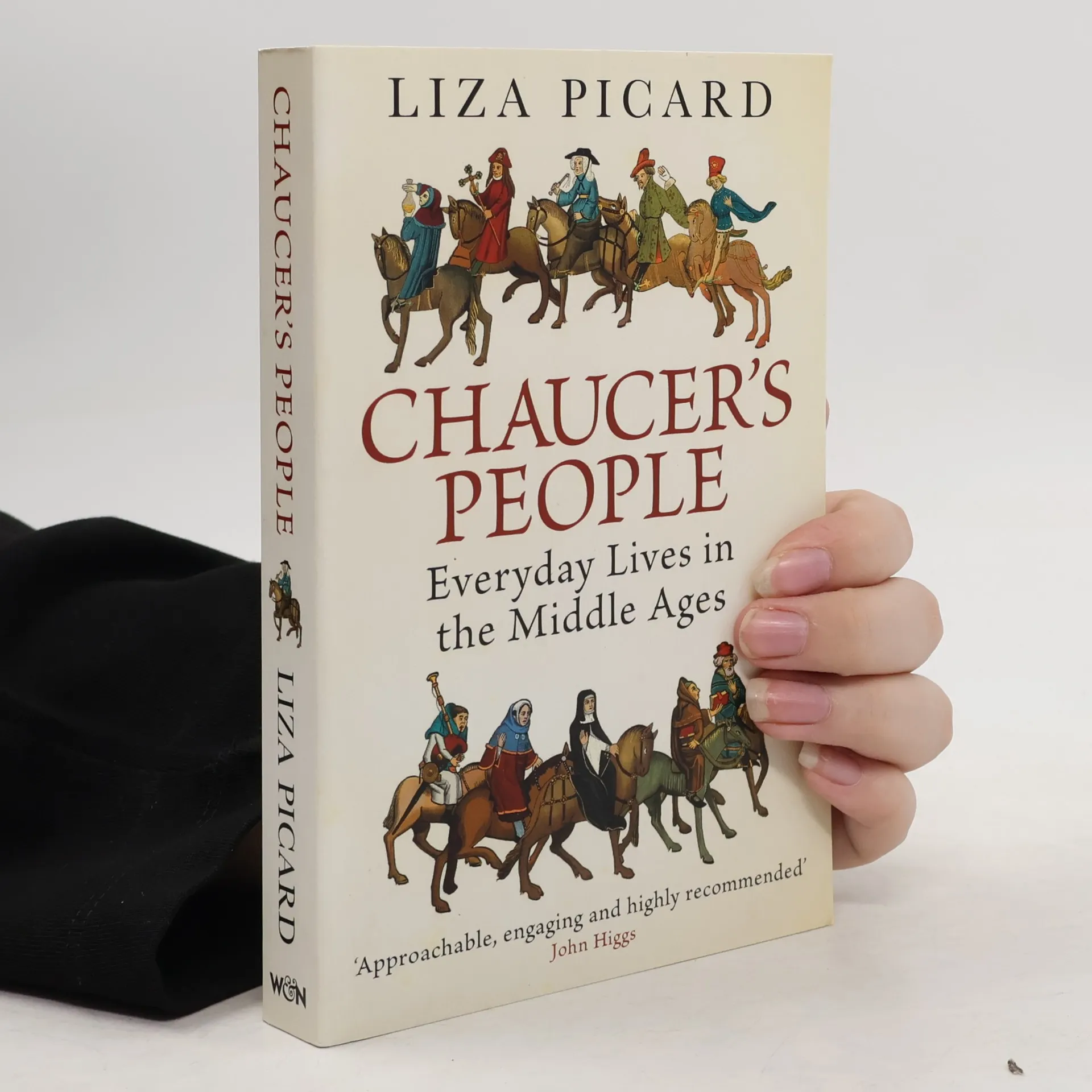
    Elizabeth's London. Everyday Life in Elizabethan Lnodon
    Dr Johnson's London
    Victorian London
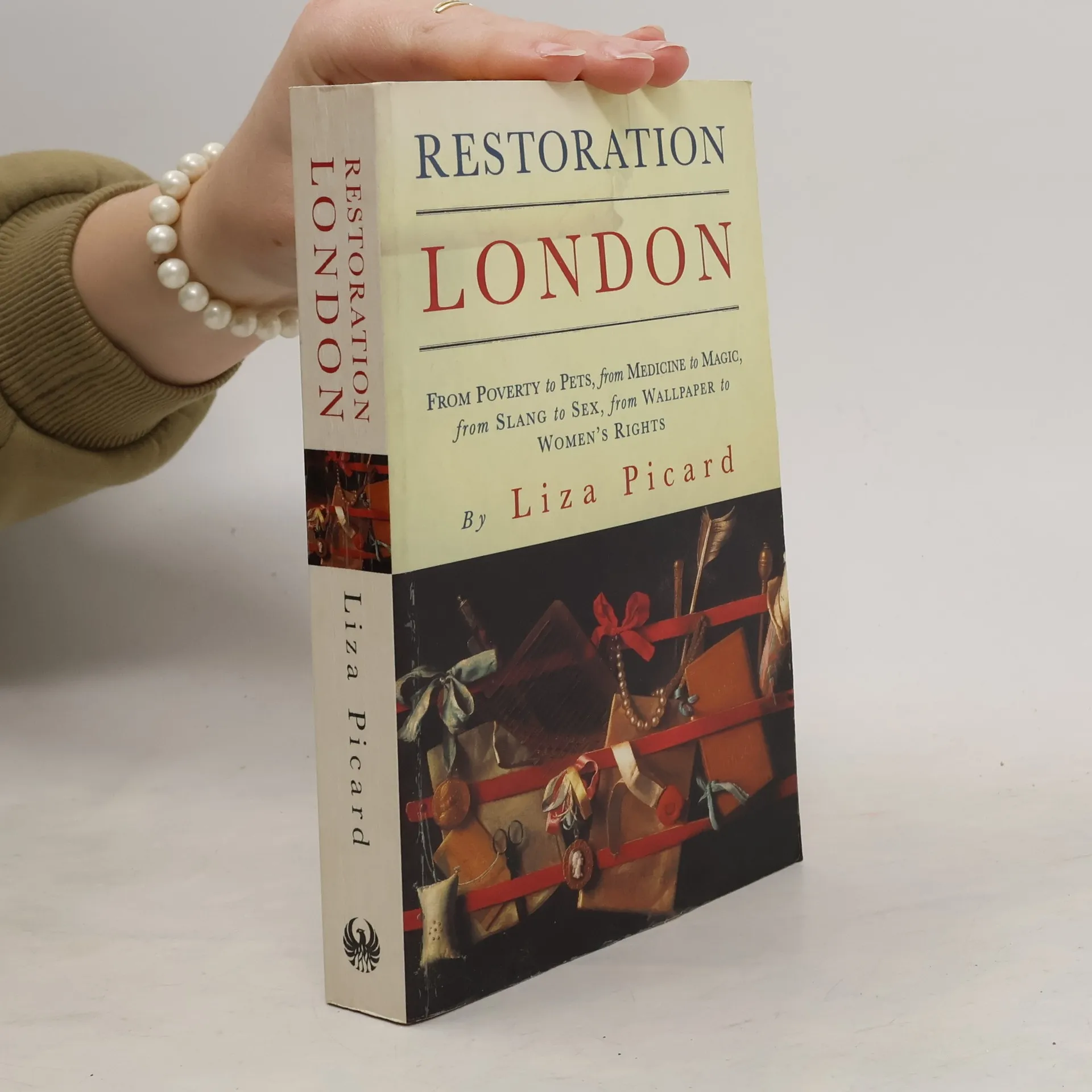
    Restoration London
    • Restoration London

      • 352 Seiten
      • 13 Lesestunden
      4,1(557)Abgeben

      Making use of every possible contemporary source - diaries, memoirs, advice books, government papers, almanacs, even the Register of Patents - Liza Picard presents an enthralling picture of how life in London was really lived in the 1600s: the houses and streets, gardens and parks, cooking, clothes and jewellery, cosmetics, hairdressing, housework, laundry and shopping, medicine and dentistry, sex, education, hobbies, etiquette, law and crime, religion and popular beliefs. 'There is almost no aspect of life in Restoration London that is not meticulously described in these 300-odd pages' Jan Morris, Independent

      Restoration London
    • Victorian London

      The Life of a City 1840-1870

      4,0(32)Abgeben

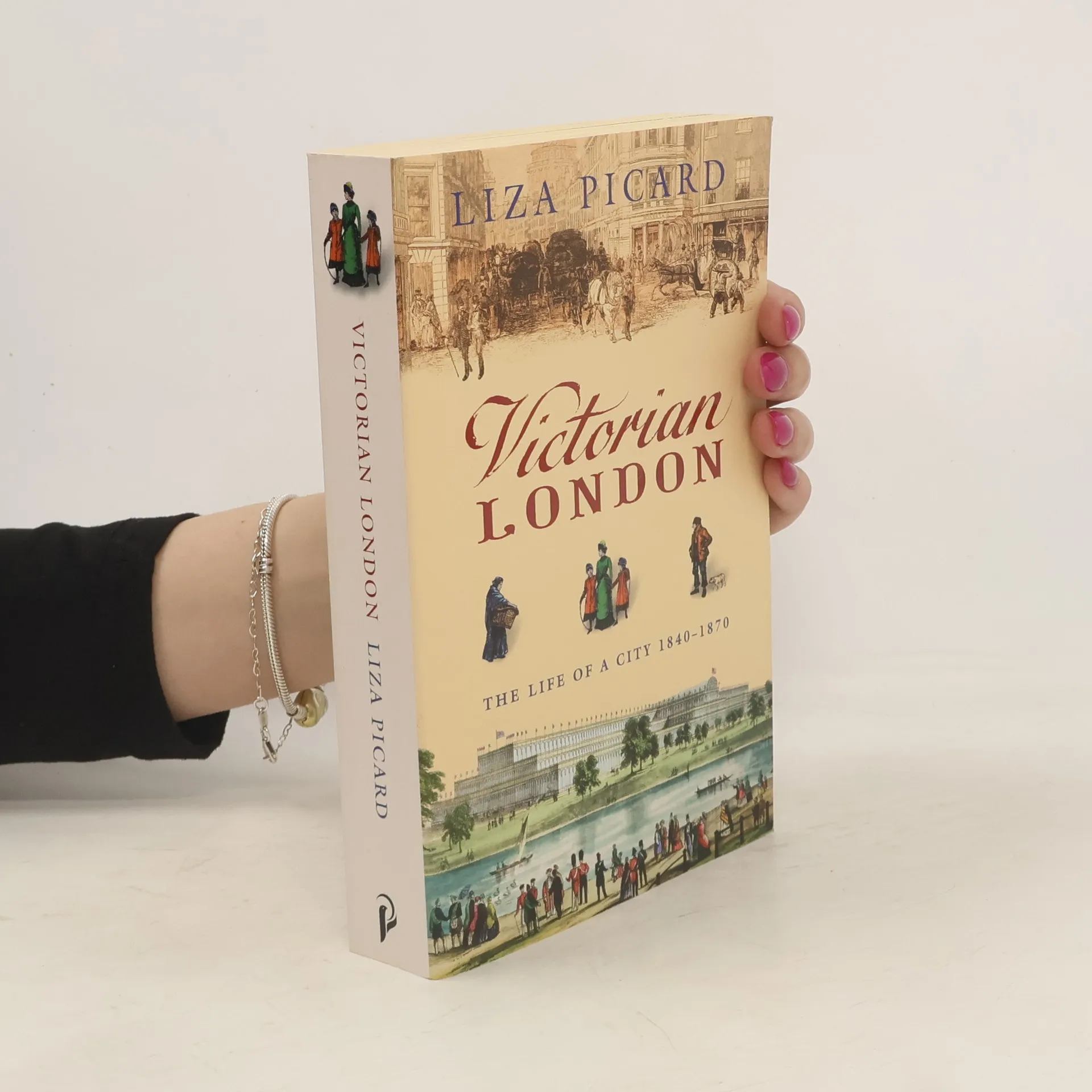
      Like her previous books, this book is the product of the author's passionate interest in the realities of everyday life - and the conditions in which most people lived - so often left out of history books. This period of mid Victorian London covers a huge span: Victoria's wedding and the place of the royals in popular esteem; how the very poor lived, the underworld, prostitution, crime, prisons and transportation; the public utilities - Bazalgette on sewers and road design, Chadwick on pollution and sanitation; private charities - Peabody, Burdett Coutts - and workhouses; new terraced housing and transport, trains, omnibuses and the Underground; furniture and decor; families and the position of women; the prosperous middle classes and their new shops, e.g. Peter Jones, Harrods; entertaining and servants, food and drink; unlimited liability and bankruptcy; the rich, the marriage market, taxes and anti-semitism; the Empire, recruitment and press-gangs. The period begins with the closing of the Fleet and Marshalsea prisons and ends with the first (steam-operated) Underground trains and the first Gilbert & Sullivan. All the splendours and horrors of Victorian life will be vividly recalled.

      Victorian London
    • Dr Johnson's London

      • 384 Seiten
      • 14 Lesestunden
      4,0(71)Abgeben

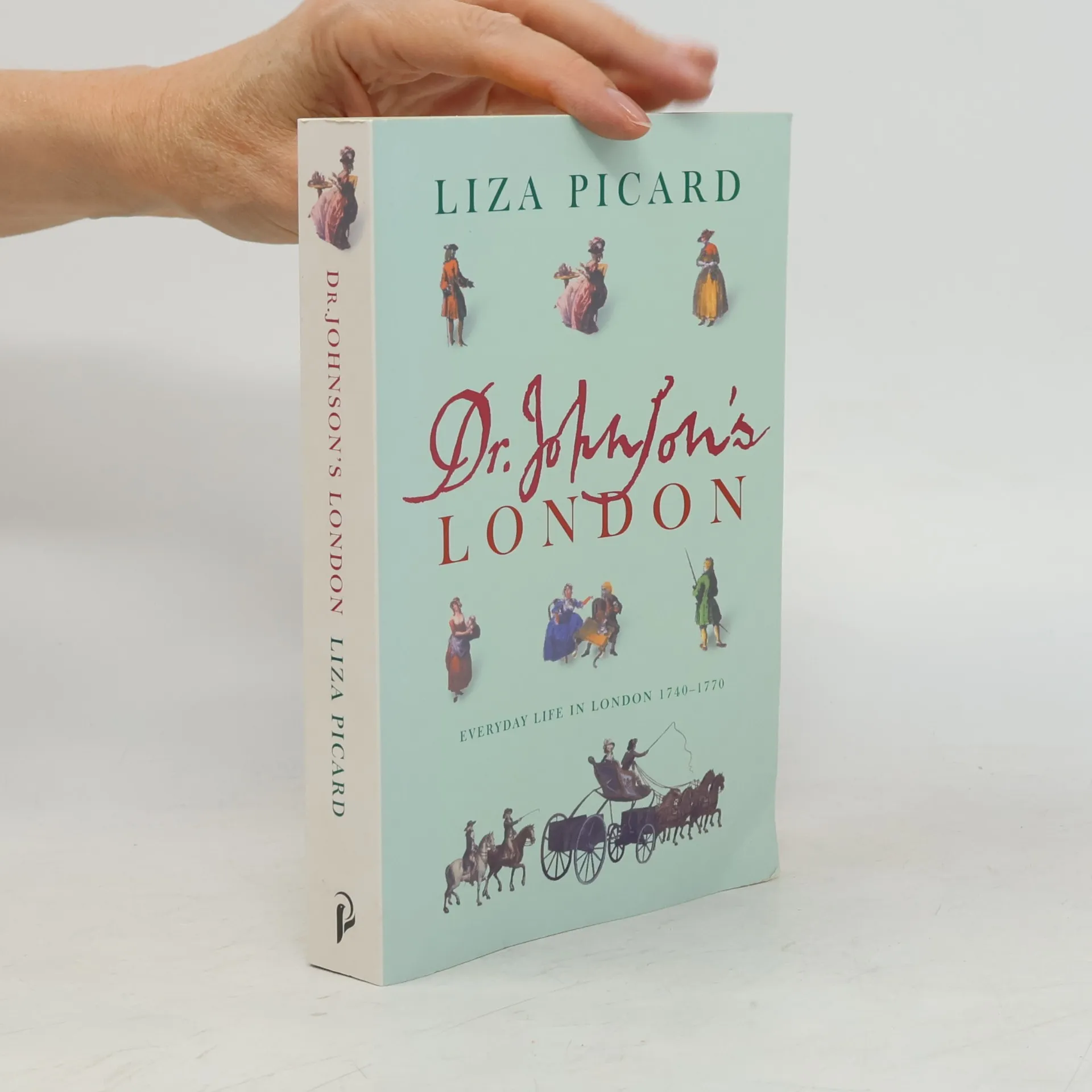
      When Dr Johnson published his great Dictionary in 1755, London was the biggest city in Europe. The opulence of the rich and the comfort of the 'middling' sort contrasted sharply with the back-breaking labour and pitiful wages of the poor. Executions were rated one of the best amusements, but there was bullock-hunting and cock-fighting too. Crime, from pickpockets to highwaymen, was rife, prisons were poisonous and law-enforcement rudimentary.Dr Johnson's London is the result of the author's passionate interest in the practical details of the everyday life of our ancestors: the streets, houses and gardens; cooking, housework, laundry and shopping; clothes and cosmetics; medicine, sex, hobbies, education and etiquette. The book spans the years 1740 to 1770, starting when the gin craze was gaining ground and ending when the east coast of America was still British. While brilliantly recording the strangeness and individuality of the past, Dr Johnson's London continually reminds us of parallels with the present day.

      Dr Johnson's London
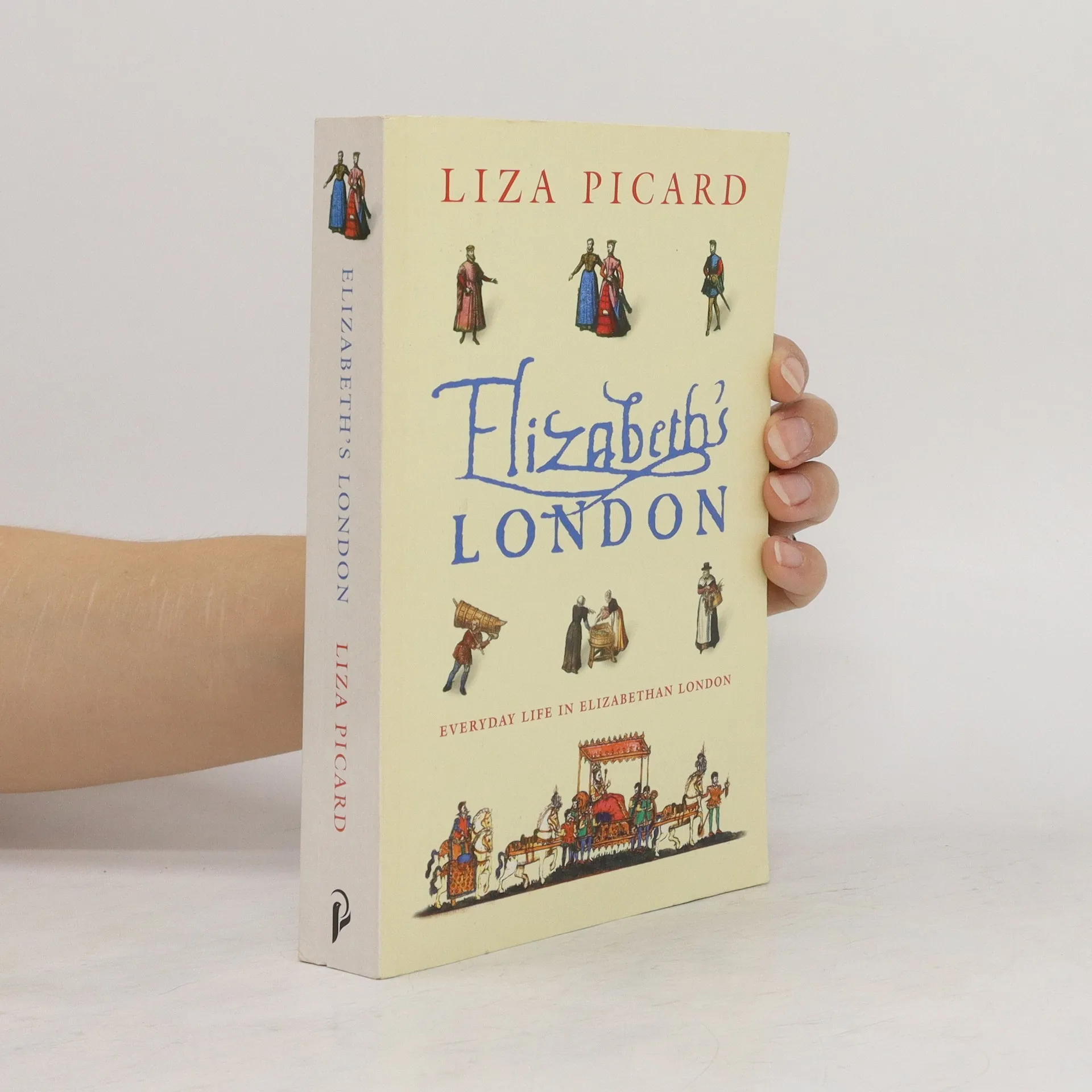
    • Like its acclaimed predecessors, RESTORATION LONDON and DR JOHNSON'S LONDON, this book is the result of the author's passionate interest in the practical details of everyday life - and the conditions in which most people lived - so often ignored in conventional history books. The book begins with the River Thames, which - from its surly water-men to its great occasions - played such a central part in the city's life. It moves on to the streets, houses and gardens; cooking, housework and shopping; clothes, jewellery and make-up; health and medicine; sex and food; education, etiquette and hobbies; religion, law and crime. 'Elizabeth's London is, like its predecessors, a storehouse of fascinating information. Every page contains a nugget' Daily Mail

      Elizabeth's London. Everyday Life in Elizabethan Lnodon