

The Whole Truth
- 264 Seiten
- 10 Lesestunden
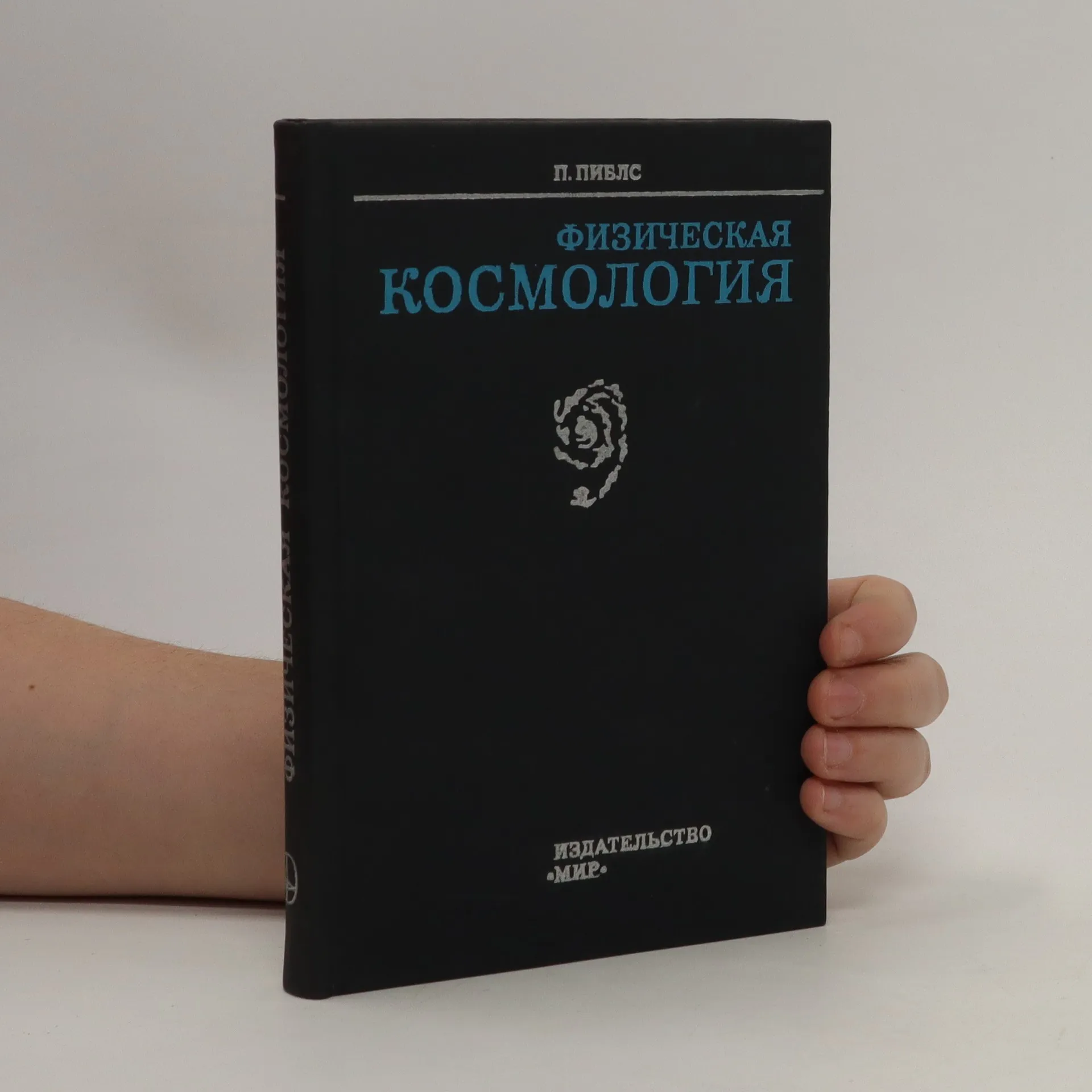
What lies at the heart of physical inquiry? This work delves into foundational ideas and assumptions that shape natural science, exploring principles guiding research and how scientists gauge the direction of their theories. It raises questions about the nature of physical theories: do they approximate an objective reality, or are they merely useful summaries of experimental results? Nobel Prize winner Jim Peebles draws on his extensive experience as a physicist to engage with these classic debates in the philosophy of science, using the development of physical cosmology as a case study. He begins by examining the evolution of thought in the physical sciences since Einstein, ultimately articulating the fundamental working assumptions of physics. Through a detailed exploration of the general theory of relativity, Einstein’s cosmological principle, the big bang theory, and our current understanding of the universe, Peebles argues that physical theories serve as useful approximations to an objective reality that science is gradually uncovering. This essential reflection on the nature and practice of science offers illuminating insights for cosmologists, physicists, and scholars in the history, philosophy, and sociology of science.

