In the face of Earth's environmental crisis, it is evident that technological innovation alone cannot save our planet; a more radical approach is necessary, involving significant changes in both individual and collective behavior. This exploration of the utopian tradition highlights how its expansive history—from ancient Sparta to contemporary thinkers—can provide moral and imaginative guidance amid catastrophe. Utopianism, critical of excessive consumption and luxury, may illuminate a path toward a society that prioritizes equality, sociability, and sustainability. The author presents a realist definition of utopia, emphasizing sociability and belonging as central themes. By examining the evolution of these ideas from the eighteenth and nineteenth centuries to modern debates surrounding alternatives to consumerism, the author argues that the current global warming limit of 1.5°C will lead to disaster without further reductions. In response, a radical Green New Deal program is proposed, merging sociability theories with strategies to eliminate fossil fuel dependence and unsustainable commodities. This urgent call for a revival of utopian ideas advocates for their role not as an escape from reality but as a powerful means to enact change and combat our planet's destruction.
Gregory Claeys Reihenfolge der Bücher (Chronologisch)



Aspirations for a better - even a perfect - society have existed throughout history, often imagined in intricate detail by philosophers, poets, social reformers, architects and artists. This book explores a perennially powerful idea: the quest for the ideal society. Gregory Claeys surveys the influence of the idea of Utopia on history. Central to his exploration of ideal worlds are creation myths; archetypes of heaven and the afterlife; new worlds and voyages of discovery; ages of revolution and technological progress; model communities and kibbutzim; political and ecological dystopias; space travel and science fiction. The most significant utopias throughout history - whether envisaged or attempted - are covered, including visions of the ideal society in the West as well as American, Asian, African and the Arab worlds. From classical times to the present day, this compelling book traces the enduring human need to imagine and construct ideal worlds.
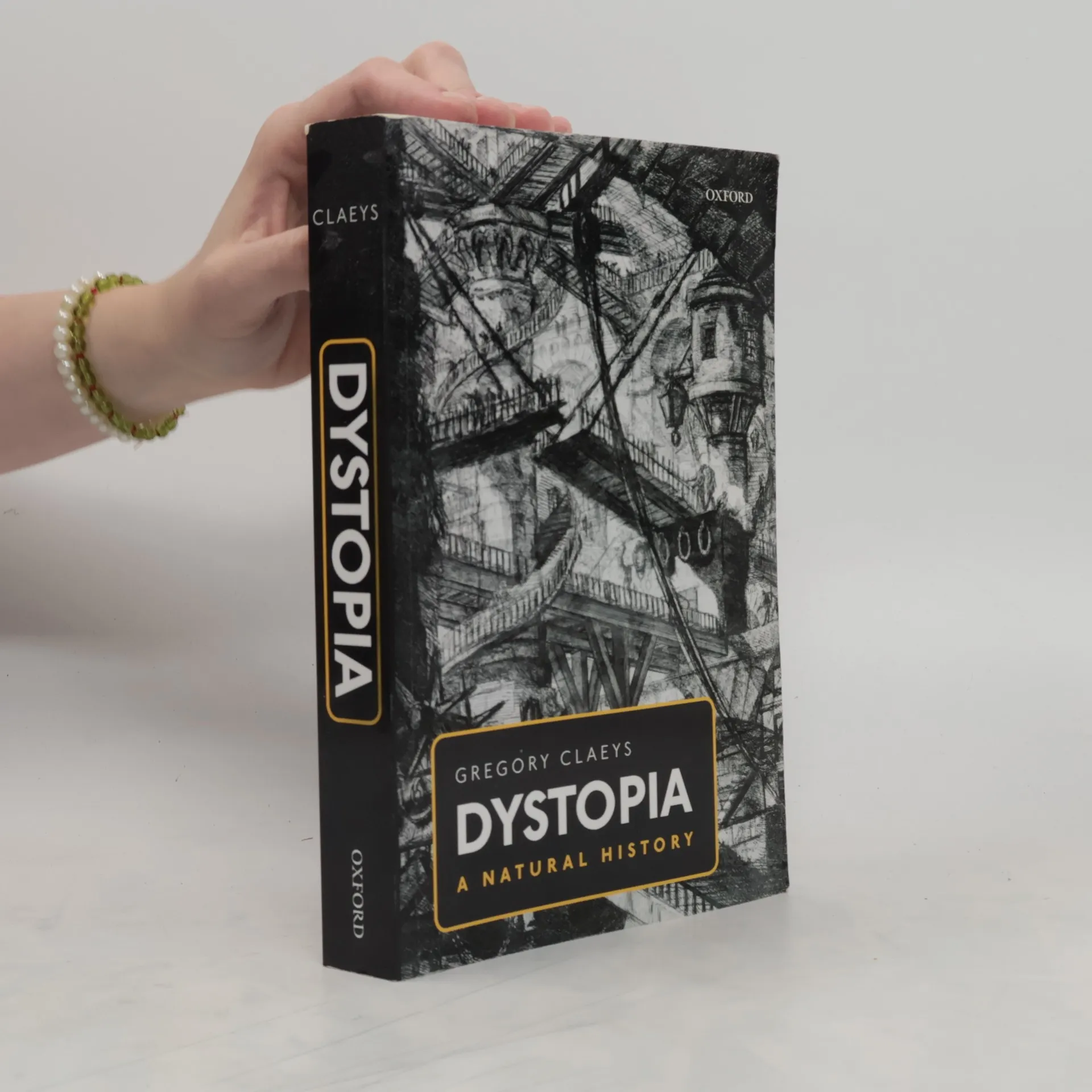
This monograph is the first dedicated to the concept of dystopia, encompassing both satirical literary traditions and real-life despotisms. It redefines key concepts and the chronology of the genre, offering a transformative understanding. Part One explores the theory and prehistory of dystopia, contrasting it with utopia. While utopia promotes enhanced sociability, dystopia is characterized by estrangement, fear, and the creation of 'enemy' categories. It emphasizes the emotions of fear and hatred central to modern despotisms, drawing on the works of Le Bon, Freud, and others to illustrate how these emotions are manipulated. Utopia and dystopia are positioned as extremes on a sociability spectrum, linked by heightened group identity. The prehistory section investigates the demonization of 'enemies,' tracing it from early monstrosity concepts to Christian views of the devil and witchcraft. Part Two surveys significant dystopian moments in the twentieth century, focusing on Nazi Germany, Stalinism, the Chinese Cultural Revolution, and Cambodia under Pol Pot, with an emphasis on the political religion hypothesis as a key explanation for communism's excesses. Part Three delves into literary dystopias, starting with anti-Jacobin writings of the 1790s and addressing major twentieth-century texts like Huxley's "Brave New World" and Orwell's "Nineteen Eighty-Four," before examining the genre's evolution into the present.
Marx and Marxism
- 544 Seiten
- 20 Lesestunden
An illuminating history of Marx's thought and intellectual influence from a leading historian of socialism Why was Marx so successful as a thinker? Did he have a system and if so, what does it consist of? How did Marxism develop in the twentieth century and what does it mean today? Karl Marx remains the most influential and controversial political thinker in history. The movements associated with his name have lent hope to many victims of tyranny and aggression but have also proven disastrous in practice and resulted in the unnecessary deaths of millions. If after the collapse of the Soviet Union his reputation seemed utterly eclipsed, a new generation is reading and discovering Marx in the wake of the recurrent financial crises, growing social inequality and an increasing sense of the injustice and destructiveness of capitalism. Both his critique of capitalism and his vision of the future speak across the centuries to our times, even if the questions he poses are more difficult to answer than ever. In this wide-ranging account, Gregory Claeys, one of Britain's leading historians of socialism, considers Marx's ideas and their development through the Russian Revolution to the present, showing why Marx and Marxism still matter today.
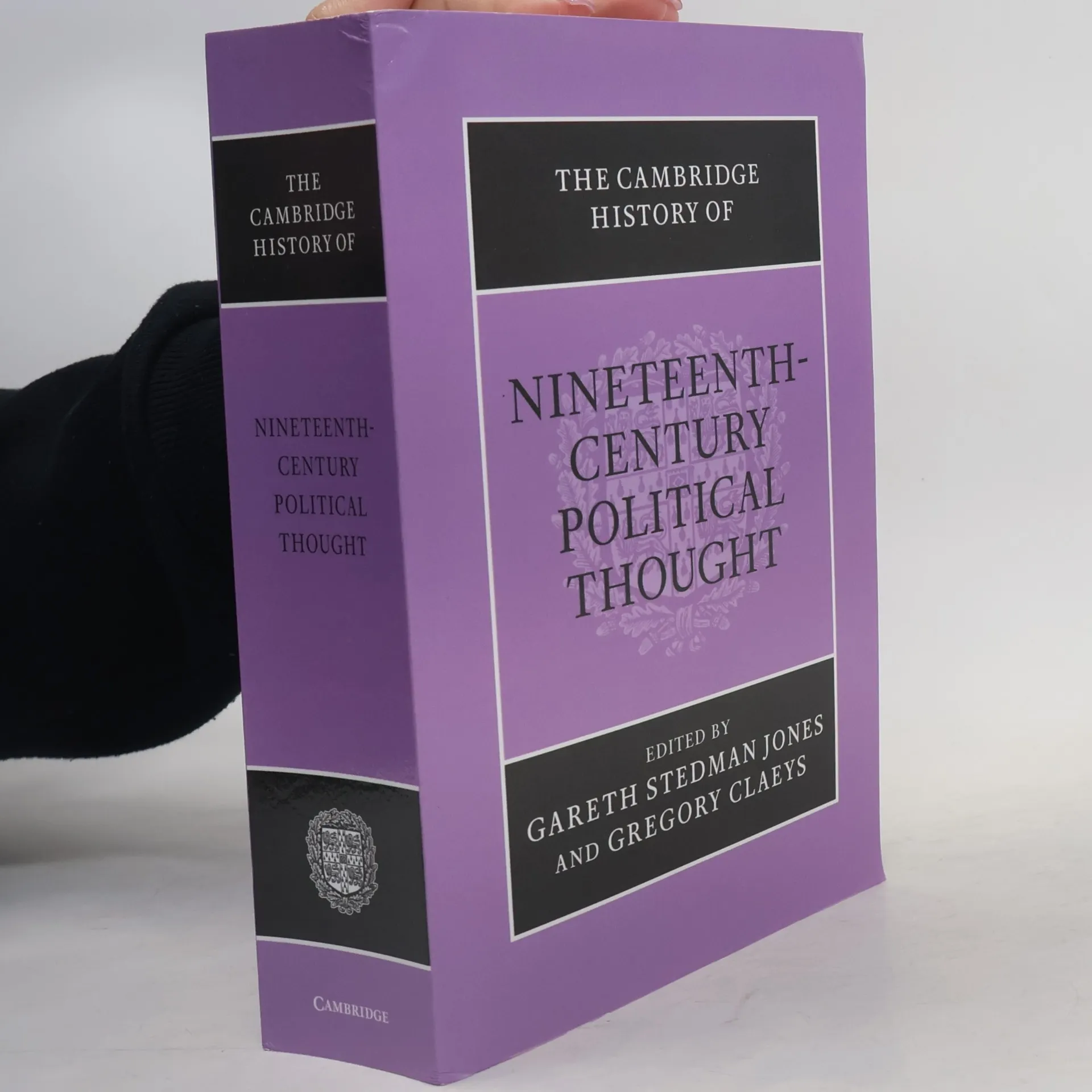
The Cambridge History of Nineteenth-Century Political Thought
- 1162 Seiten
- 41 Lesestunden
This major work of academic reference provides the first comprehensive survey of political thought in Europe, North America and Asia in the century following the French Revolution. Written by a distinguished team of international scholars, this Cambridge History is the latest in a sequence of volumes firmly established as the principal reference source for the history of political thought. In a series of scholarly but accessible essays, every major theme in nineteenth-century political thought is covered, including political economy, religion, democratic radicalism, nationalism, socialism and feminism. The volume also includes studies of major figures, including Hegel, Mill, Bentham and Marx, and biographical notes on every significant thinker in the period. Of interest to students and scholars of politics and history at all levels, this volume explores seismic changes in the languages and expectations of politics accompanying political revolution, industrialisation and imperial expansion and less-noted continuities in political and social thinking.
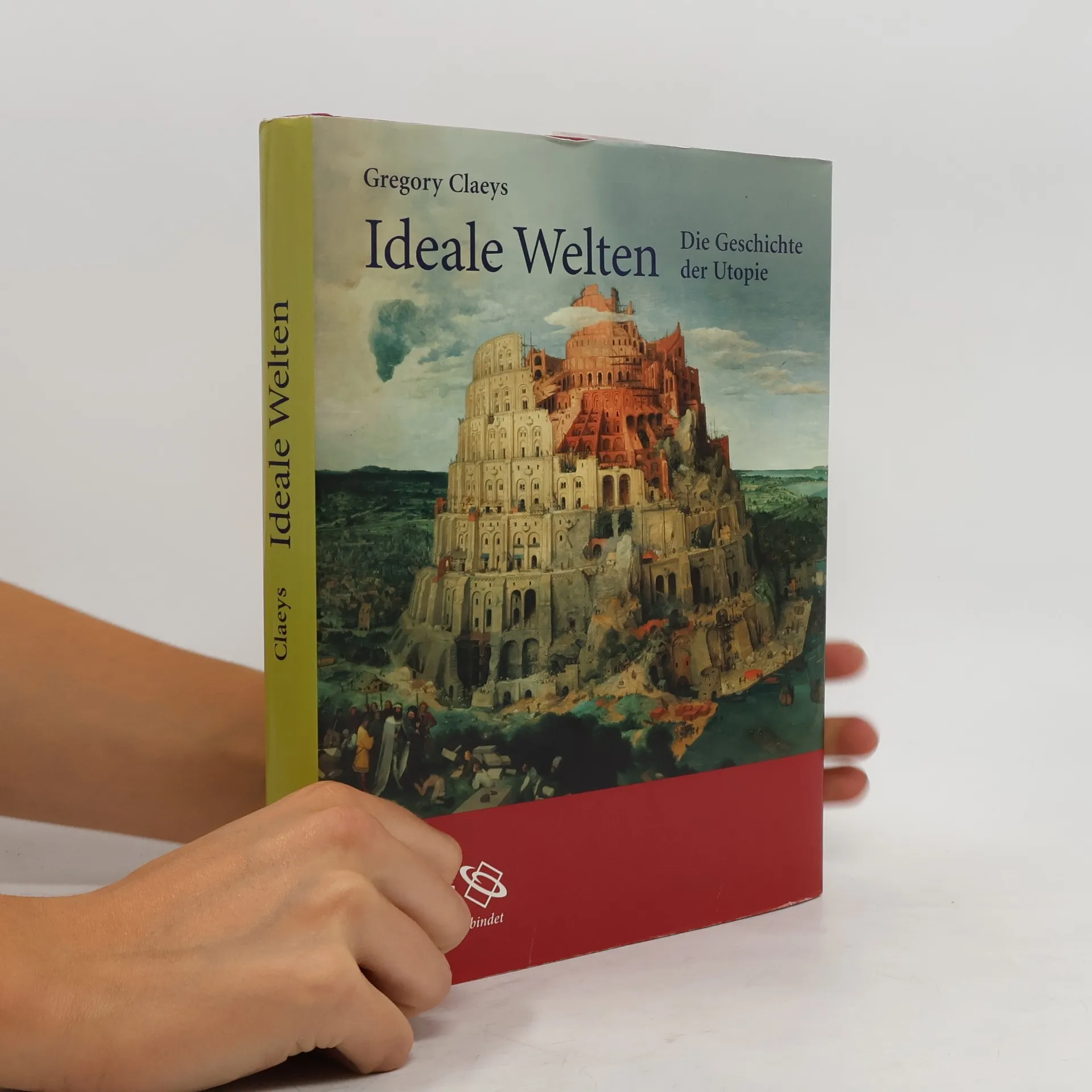
Ideale Welten
- 224 Seiten
- 8 Lesestunden
Die Suche nach der idealen Welt ist eine universelle menschliche Sehnsucht, die von Platon bis zu Jonathan Swifts Gulliver und den Hippies reicht. Utopien, so durchdacht und hoffnungsvoll sie auch sind, scheitern oft an der Realität. Überall und zu allen Zeiten haben Denker und Reformer nach einer gerechteren und glücklicheren Welt gestrebt, doch die Frage bleibt: Ist diese Suche nur eine fixe Idee oder ein brauchbarer Leitfaden für Politiker? Gregory Claeys, ein Experte für Utopiegeschichte, bietet in einem spannenden, bildreichen Überblick einen tiefen Einblick in diese faszinierende Idee, die trotz ihrer Unmöglichkeit zahlreiche Bibliotheken füllt und sich durch Literatur, Geschichte, Kunst und Populärkultur zieht. In 14 Kapiteln spannt der Autor den Bogen über alle Kontinente und Epochen, beginnend mit Gilgameschs Suche nach dem ewigen Leben, über die Visionen der alten Griechen bis hin zu Thomas Morus‘ 'Utopia' und moderner Science Fiction. Zu den behandelten Themen gehören Homers 'Odyssee', ideale Städte im Mittelalter, Jonathan Swifts 'Gullivers Reisen', kommunistische Gesellschaftsmodelle, die Zeit der Hippies und Utopie im Film, wie in Ray Bradburys 'Fahrenheit 451'.
Using a combination of historical and thematic approaches, this volume engages with the fascinating and complex genre of utopian literature.
Trieste Publishing offers a vast collection of classic literature, both fiction and non-fiction, meticulously sourced from libraries and private collections worldwide. Our goal is to provide readers with high-quality reproductions that reflect the original works as closely as possible. Each title in our extensive catalogue has been scanned to emulate the experience of first readers, ensuring that imperfections such as blurred text, missing pages, or damaged photographs are virtually eliminated. Our rigorous quality control process guarantees that every book meets our high standards, with staff thoroughly reviewing and repairing pages as needed. This commitment ensures that readers receive a faithful reproduction of the original work, allowing them to enjoy the experience of owning a classic. We pride ourselves on offering access to an exceptional range of literature while delivering value to our customers. While Trieste books are typically sold individually on demand, bulk purchases are also available. Interested readers are encouraged to contact us for tailored bulk rates, enhancing their access to our quality collection.