Harry Collins und Trevor Pinch vergleichen die Wissenschaft mit dem Golem, einem Wesen aus der jüdischen Mythologie, mächtig und potenziell gefährlich, ein sanftes, hilfreiches Geschöpf, das jederzeit außer Kontrolle geraten kann. Durch eine Reihe von faszinierenden Fallstudien widerlegen die Autoren die traditionelle Ansicht, dass Wissenschaft das direkte Ergebnis kompetenter Theoriebildung, Beobachtung und Experimentierung ist.
Harry M. Collins Bücher

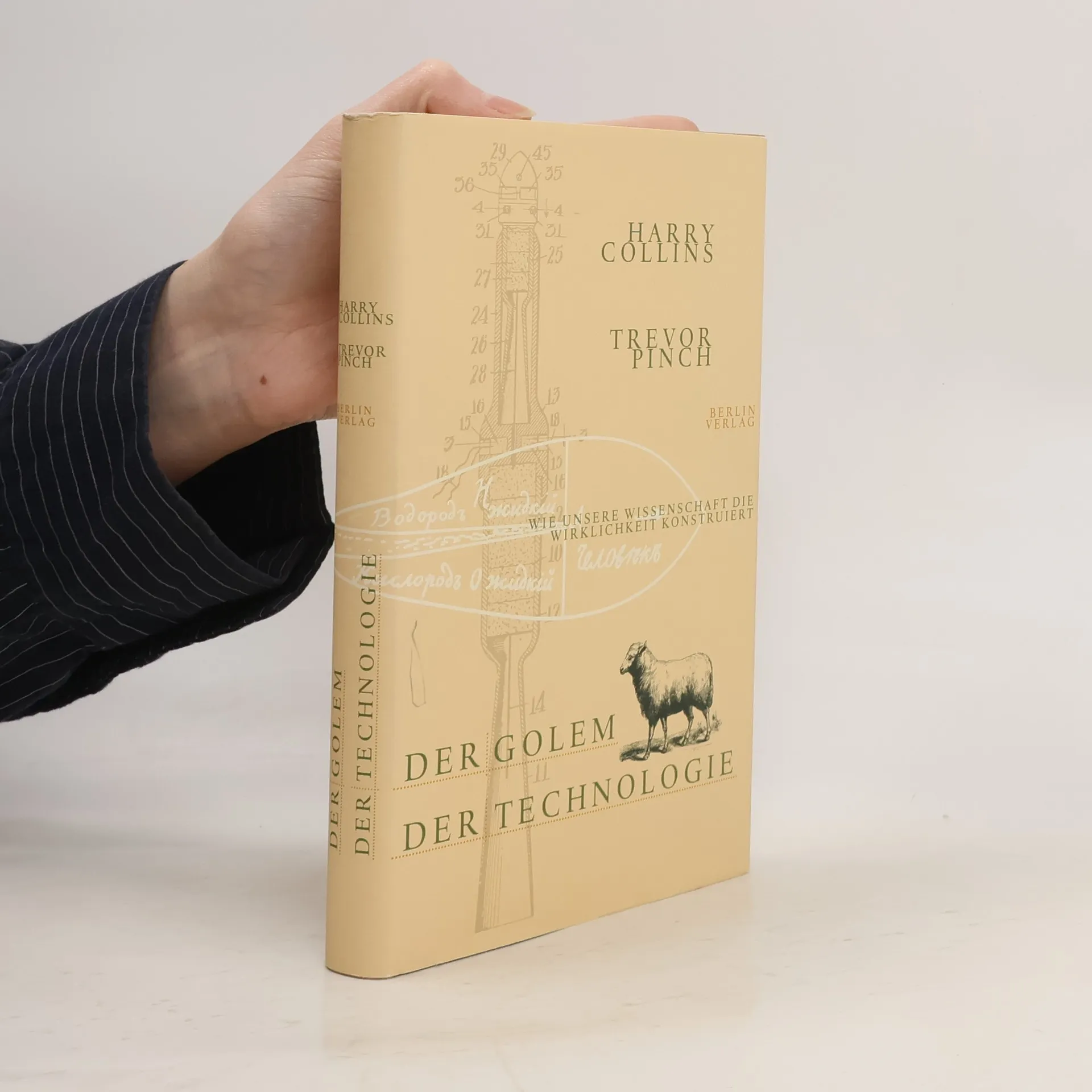
Der Golem der Forschung
- 239 Seiten
- 9 Lesestunden
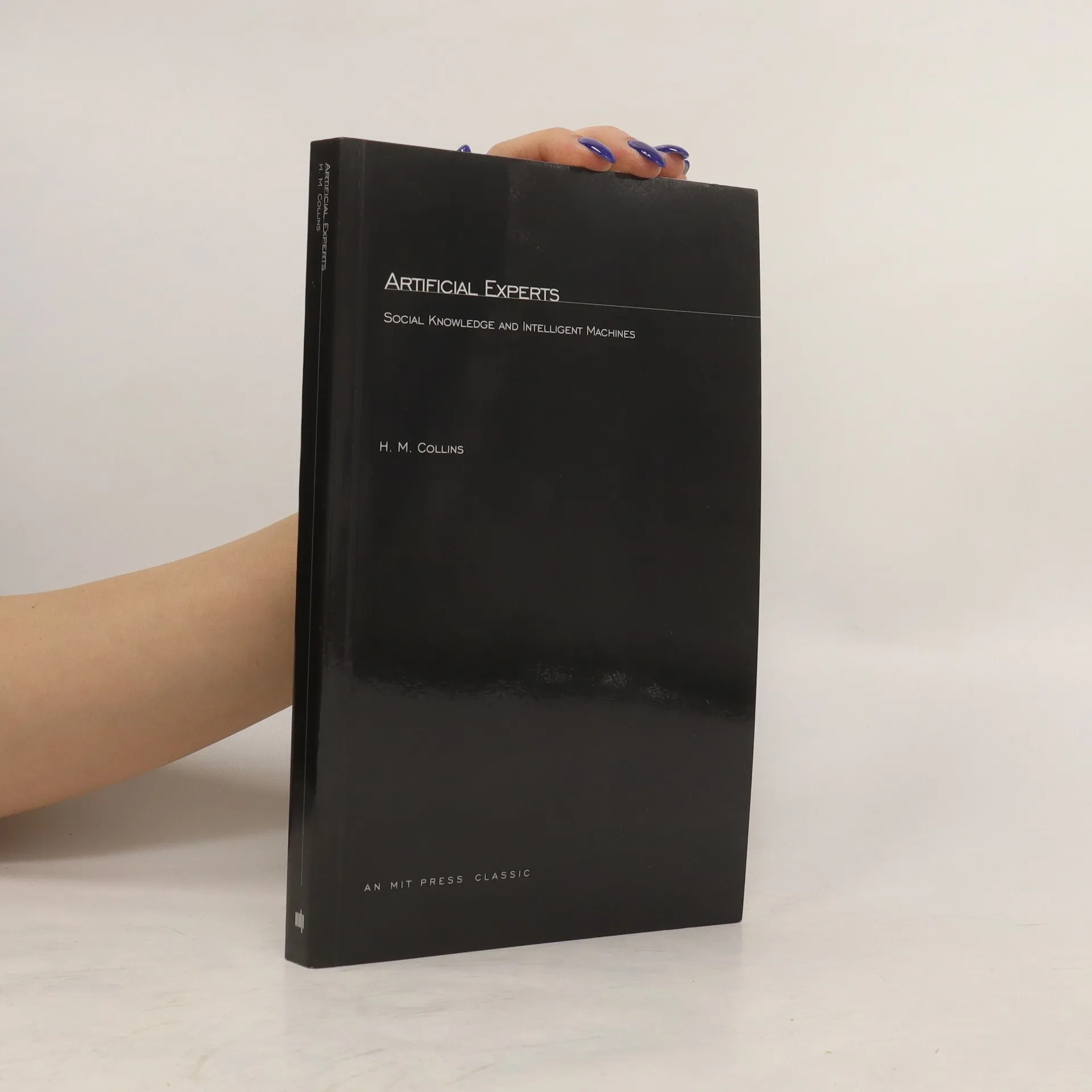
Artificial Experts
- 280 Seiten
- 10 Lesestunden
An in-depth look at the ordinary and extraordinary things computers can do.
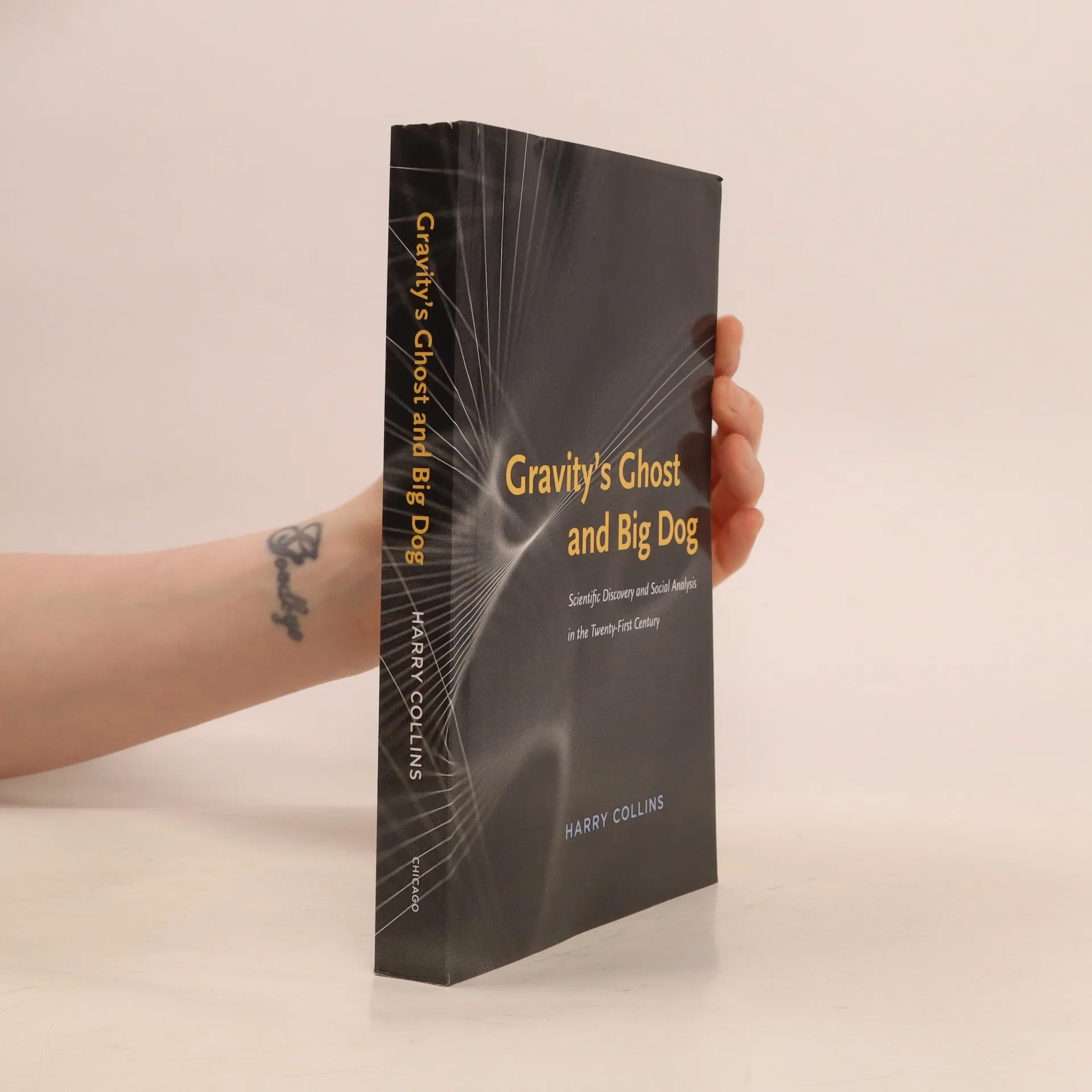
Gravity's Ghost and Big Dog
- 389 Seiten
- 14 Lesestunden
Gravity’s Ghost and Big Dog brings to life science’s efforts to detect cosmic gravitational waves. These ripples in space-time are predicted by general relativity, and their discovery will not only demonstrate the truth of Einstein’s theories but also transform astronomy. Although no gravitational wave has ever been directly detected, the previous five years have been an especially exciting period in the field. Here sociologist Harry Collins offers readers an unprecedented view of gravitational wave research and explains what it means for an analyst to do work of this kind. Collins was embedded with the gravitational wave physicists as they confronted two possible discoveries—“Big Dog,” fully analyzed in this volume for the first time, and the “Equinox Event,” which was first chronicled by Collins in Gravity’s Ghost. Collins records the agonizing arguments that arose as the scientists worked out what they had seen and how to present it to the world, along the way demonstrating how even the most statistical of sciences rest on social and philosophical choices. Gravity’s Ghost and Big Dog draws on nearly fifty years of fieldwork observing scientists at the American Laser Interferometer Gravitational Wave Observatory and elsewhere around the world to offer an inspired commentary on the place of science in society today.
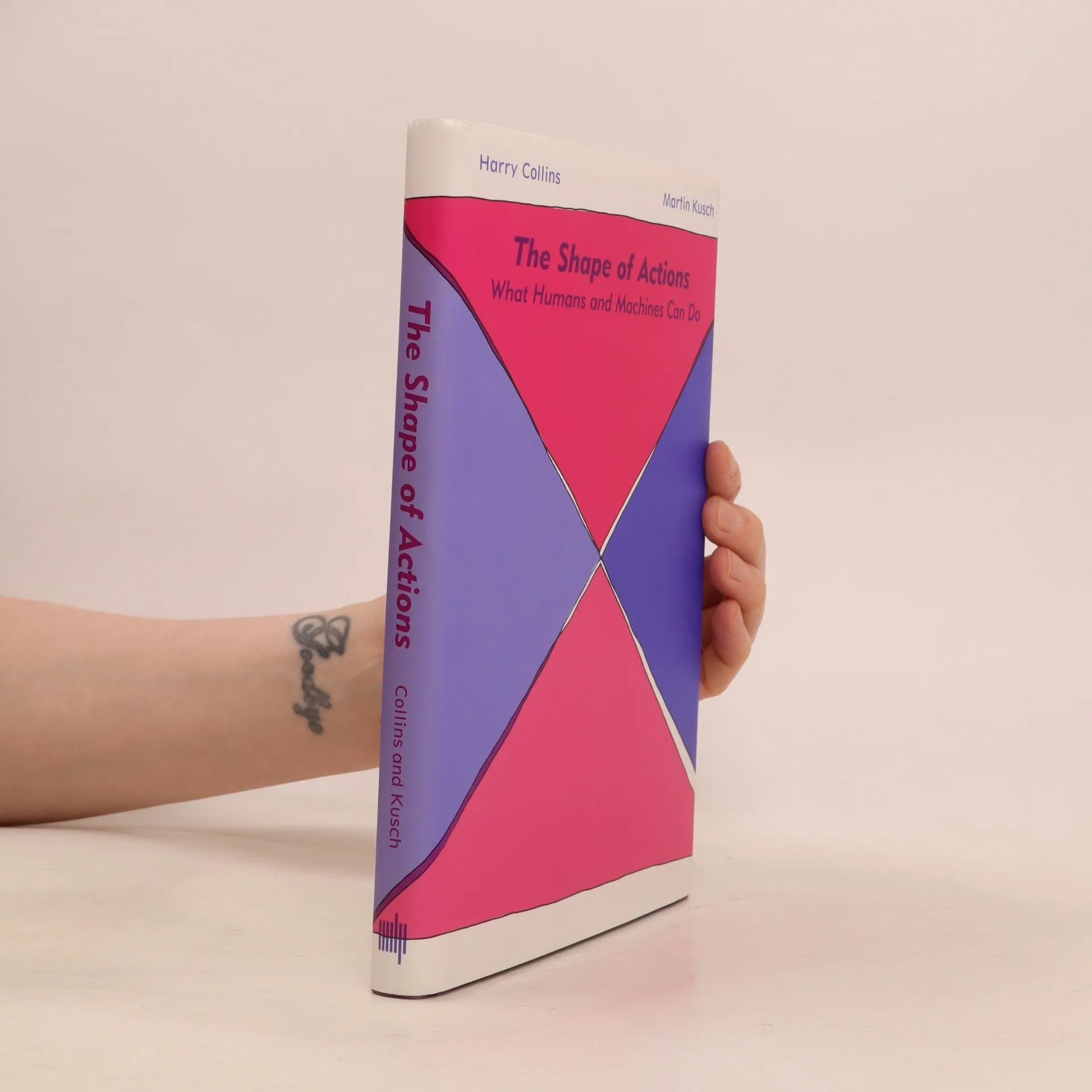
The Shape of Actions
- 224 Seiten
- 8 Lesestunden
What can humans do? What can machines do? How do humans delegate actions to machines?In this book, Harry Collins and Martin Kusch combine insights from sociology and philosophy toprovide a novel answer to these increasingly important questions.The authors begin by distinguishingbetween two basic types of intentional behavior, which they call polimorphic actions andmimeomorphic actions. Polimorphic actions (such as writing a love letter) are ones that communitymembers expect to vary with social context. Mimeomorphic actions (such a swinging a golf club) donot vary. Although machines cannot act, they can mimic mimeomorphic actions. Mimeomorphic actionsare thus the crucial link between what humans can do and what machines cando. Following a presentation of their detailed categorization of actions, theauthors apply their approach to a broad range of human-machine interactions and to learning. Keyexamples include bicycle riding and the many varieties of writing machines. They also show how theirtheory can be used to explain the operation of organizations such as restaurants and armies.Finally, they look at a historical case -- the technological development of the air pump -- applyingtheir categorization of actions to the processes of mechanization and automation. Automation, theyargue, can occur only where what we want to bring about can be brought about through mimeomorphicaction.
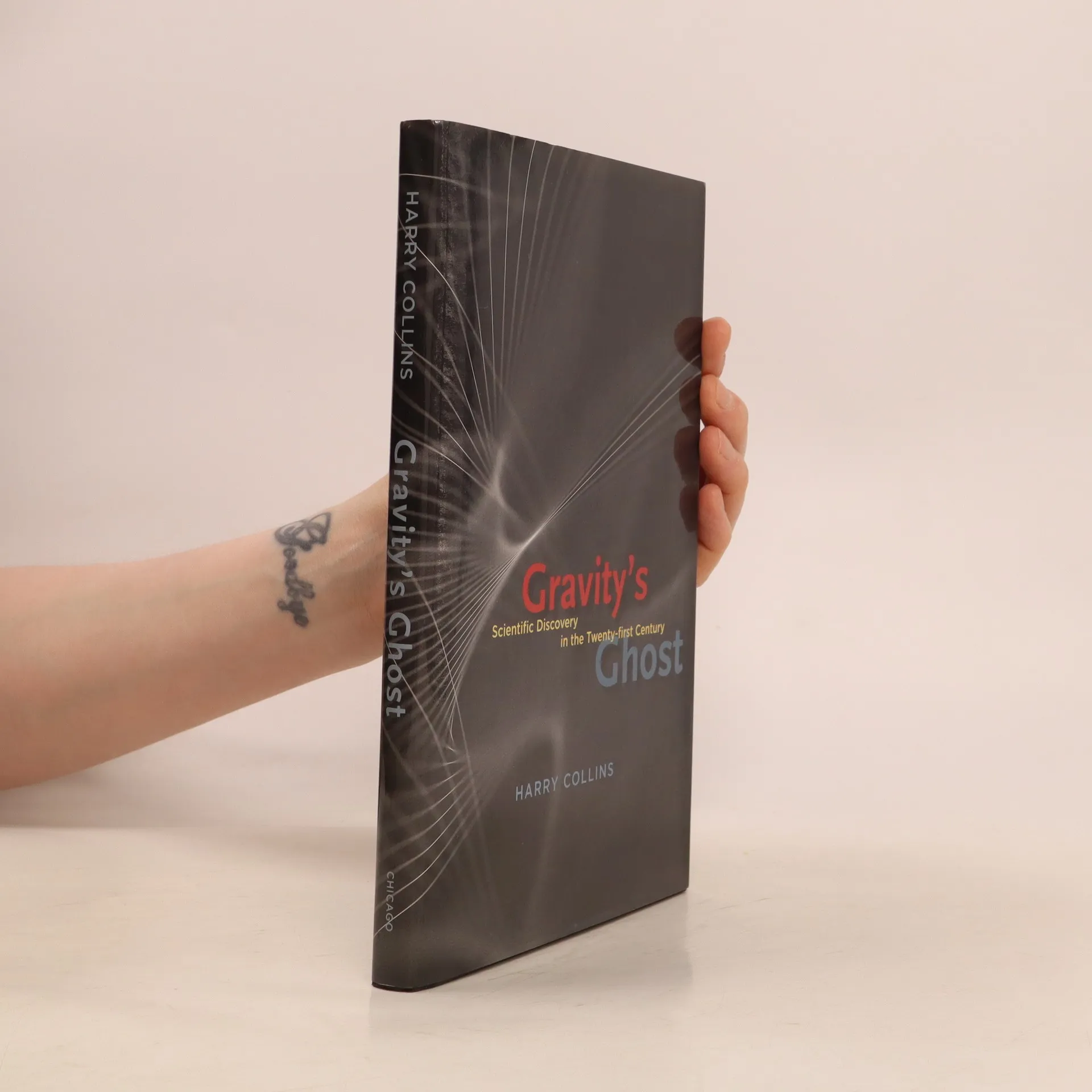
Gravity's Ghost
- 187 Seiten
- 7 Lesestunden
As the leading chronicler of the search for gravitational waves, Harry Collins has been right there with the scientists since the start.
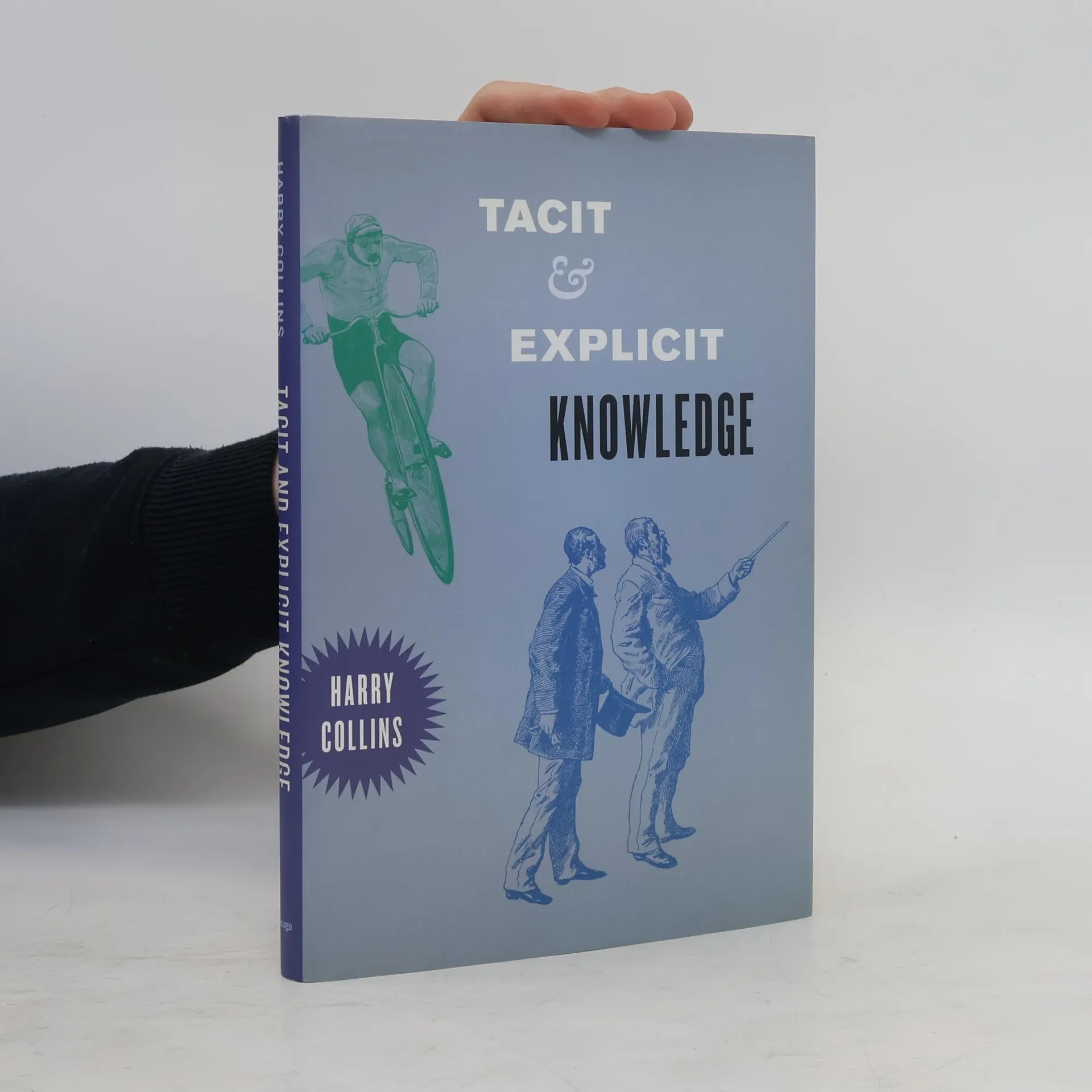
Tacit and Explicit Knowledge
- 200 Seiten
- 7 Lesestunden
Much of what humans know we cannot say. And much of what we do we cannot describe. For example, how do we know how to ride a bike when we can’t explain how we do it? Abilities like this were called “tacit knowledge” by physical chemist and philosopher Michael Polanyi, but here Harry Collins analyzes the term, and the behavior, in much greater detail, often departing from Polanyi’s treatment. In Tacit and Explicit Knowledge, Collins develops a common conceptual language to bridge the concept’s disparate domains by explaining explicit knowledge and classifying tacit knowledge. Collins then teases apart the three very different meanings, which, until now, all fell under the umbrella of Polanyi’s term: relational tacit knowledge (things we could describe in principle if someone put effort into describing them), somatic tacit knowledge (things our bodies can do but we cannot describe how, like balancing on a bike), and collective tacit knowledge (knowledge we draw that is the property of society, such as the rules for language). Thus, bicycle riding consists of some somatic tacit knowledge and some collective tacit knowledge, such as the knowledge that allows us to navigate in traffic.
Frames of Meaning
- 210 Seiten
- 8 Lesestunden
Good,No Highlights,No Markup,all pages are intact, Slight Shelfwear,may have the corners slightly dented, may have slight color changes/slightly damaged spine.
Gravity's Shadow
- 864 Seiten
- 31 Lesestunden
What does it mean to be an expert? In Rethinking Expertise, Harry Collins and Robert Evans offer a radical new perspective on the role of expertise in the practice of science and the public evaluation of technology. Collins and Evans present a Periodic Table of Expertises based on the idea of tacit knowledge—knowledge that we have but cannot explain. They then look at how some expertises are used to judge others, how laypeople judge between experts, and how credentials are used to evaluate them. Throughout, Collins and Evans ask an important question: how can the public make use of science and technology before there is consensus in the scientific community? This book has wide implications for public policy and for those who seek to understand science and benefit from it. “Starts to lay the groundwork for solving a critical problem—how to restore the force of technical scientific information in public controversies, without importing disguised political agendas.”—Nature “A rich and detailed ‘periodic table’ of expertise . . . full of case studies, anecdotes and intriguing experiments.”—Times Higher Education Supplement (UK)
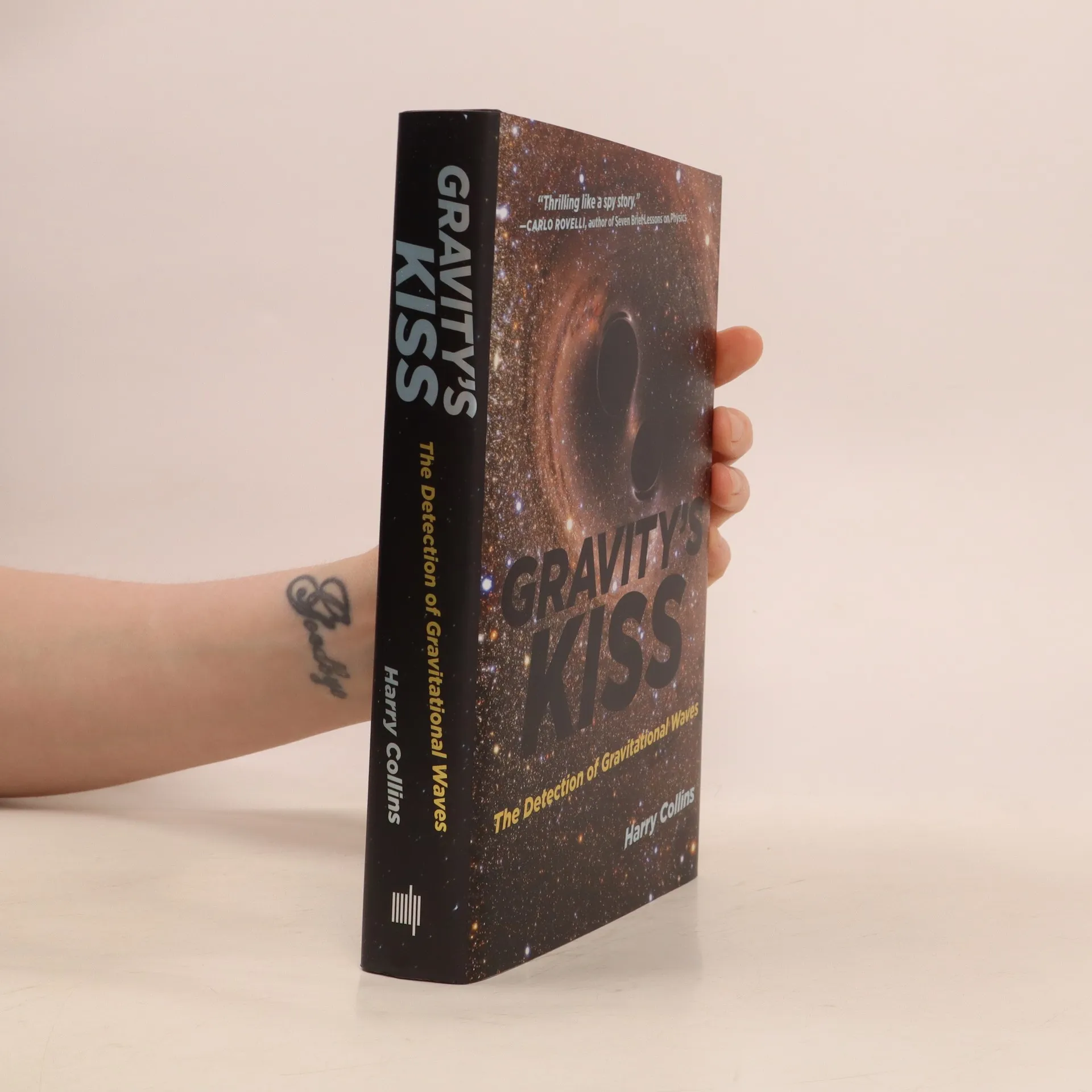
Gravity's Kiss
- 408 Seiten
- 15 Lesestunden
A fascinating account, written in real time, of the unfolding of a scientific discovery: the first detection of gravitational waves.
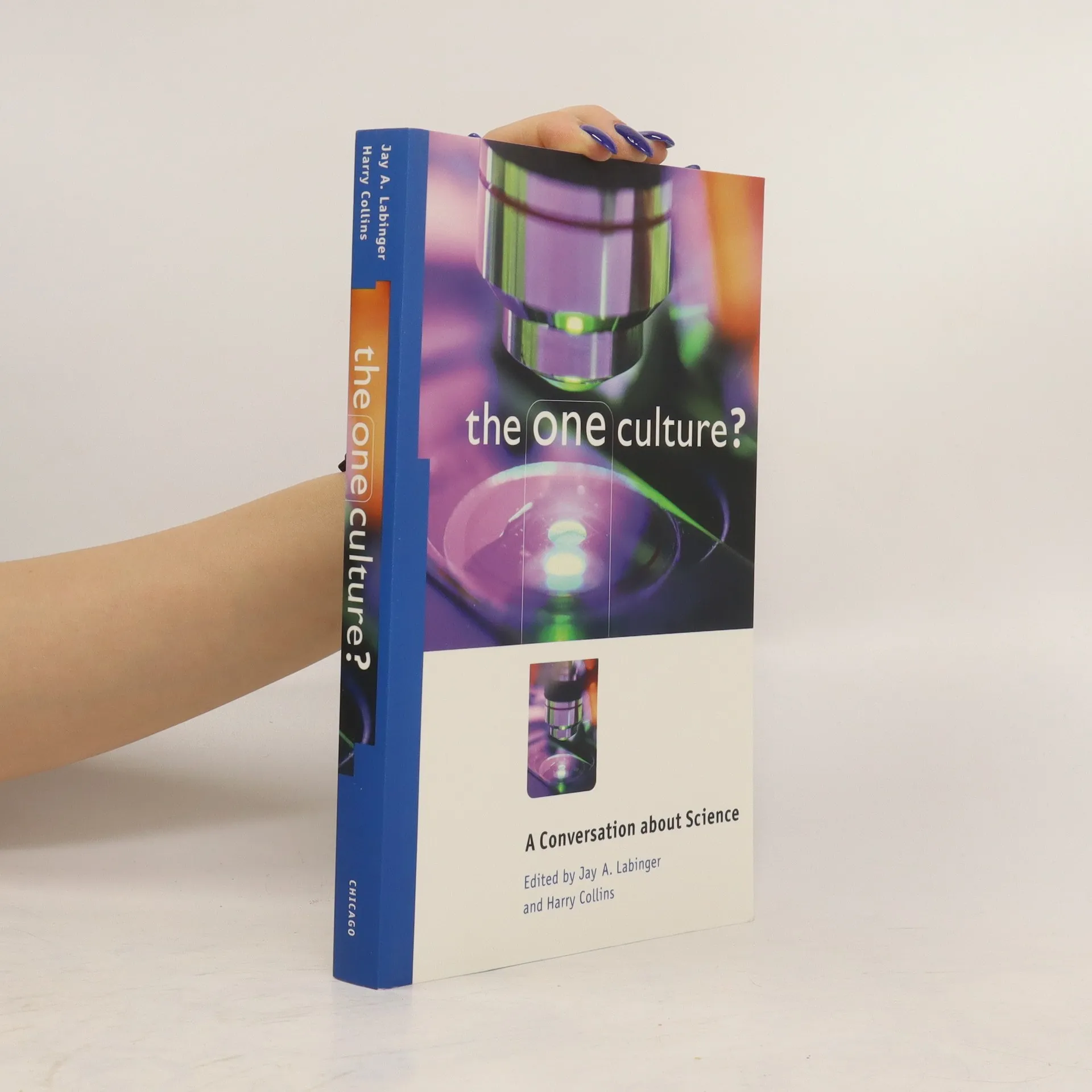
The One Culture?
- 296 Seiten
- 11 Lesestunden
In 'The One Culture?', Jay A. Labinger and Harry Collins have gathered together some of the world's foremost scientists and sociologists of science to exchange opinions and ideas rather than insults. The contributors find surprising areas of broad agreement in a genuine conversation about science, its legitimacy and authority as a means of understanding the world, and whether science studies undermines the practice and findings of science and scientists.
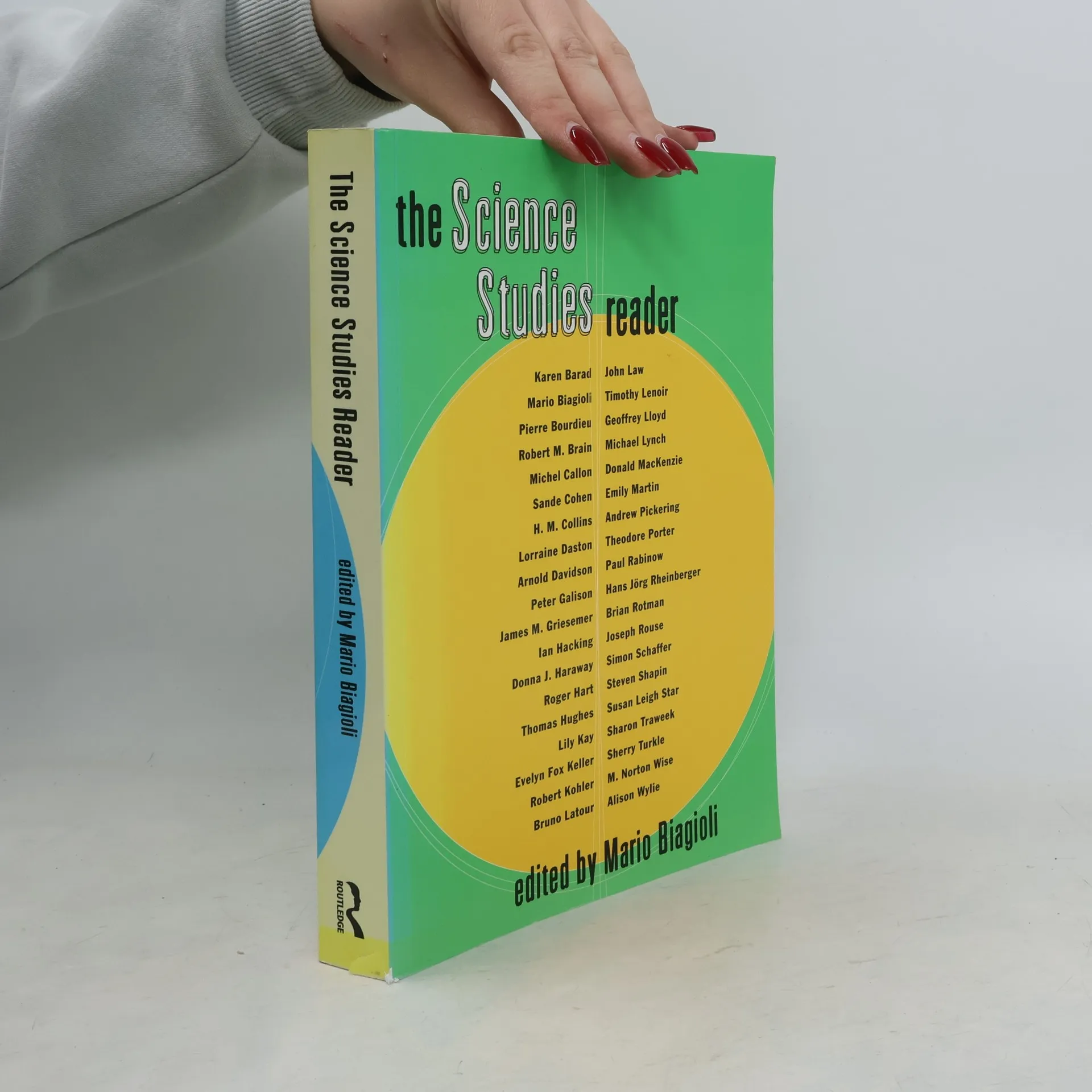
The Science Studies Reader
- 590 Seiten
- 21 Lesestunden
The Reader focuses on the practices of modern and contemporary science and technology located in different national and institutional settings, with some attention to non- Western contexts. By mapping some of the open questions and points of tension likely to occupy the field for years to come, the essays in the Reader cast fresh light on what "science" means at the end of the twentieth century.
Jsme dnes všichni vědečtí experti?
- 126 Seiten
- 5 Lesestunden
Harry Collins, emeritní profesor na University v Cardiffu a klasik „nové sociologie vědy“, v této populární knize rozlišuje různé typy „expertství“ v současných demokratických společnostech. Odpovídá na otázku, zda se všichni mohou považovat za (vědecké) experty, a dochází k závěru, že ne, alespoň ne všichni za experty stejného druhu. Kniha slouží jako obrana vědy a její specifické epistemické kompetence v době, kdy je její autorita oslabena různými sociálními mechanismy i vlastními vědeckými neúspěchy. To může působit paradoxně, protože sociologie vědy byla často vnímána jako disciplína, která přispěla k oslabení autority vědy. Collinsova analýza „expertství“ je vedena skrze výklad principů sociologie vědeckého poznání a zahrnuje výzkumné oblasti jako pandemie AIDS, skepse vůči očkování, detekce gravitačních vln a klimatická změna. Collins obhajuje sociologii vědeckého poznání jako disciplínu, která není protivědecká, i když byla kritická vůči idealizovanému obrazu vědy. Kniha je přístupná, nevyžaduje žádné zvláštní znalosti a je strukturována do čtyř hlavních částí. Může oslovit čtenáře zajímající se o současná společenská témata i studenty sociálních věd, kteří hledají úvod do sociologie vědeckého poznání.