Die Kinder fressen ihre Revolution
- 440 Seiten
- 16 Lesestunden



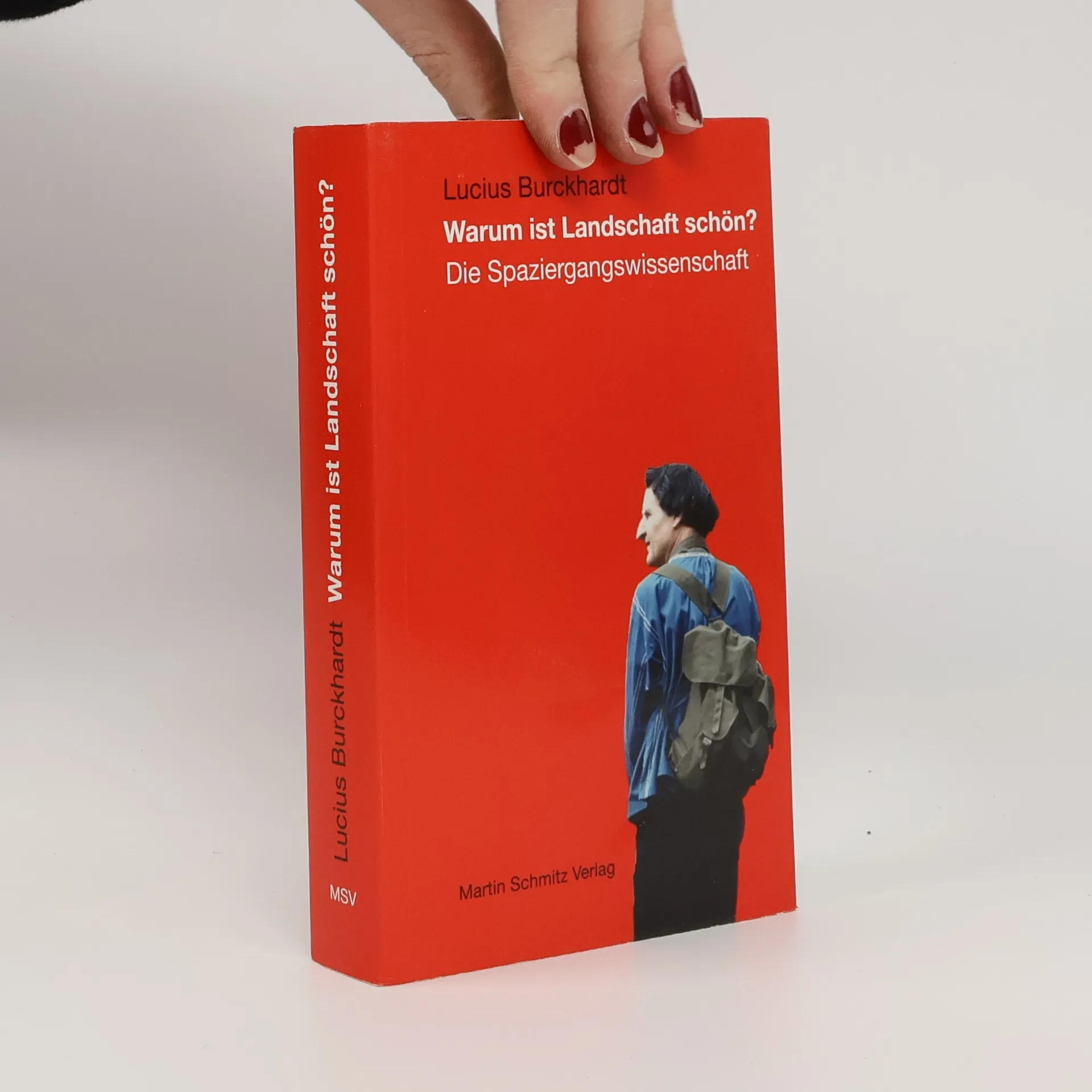
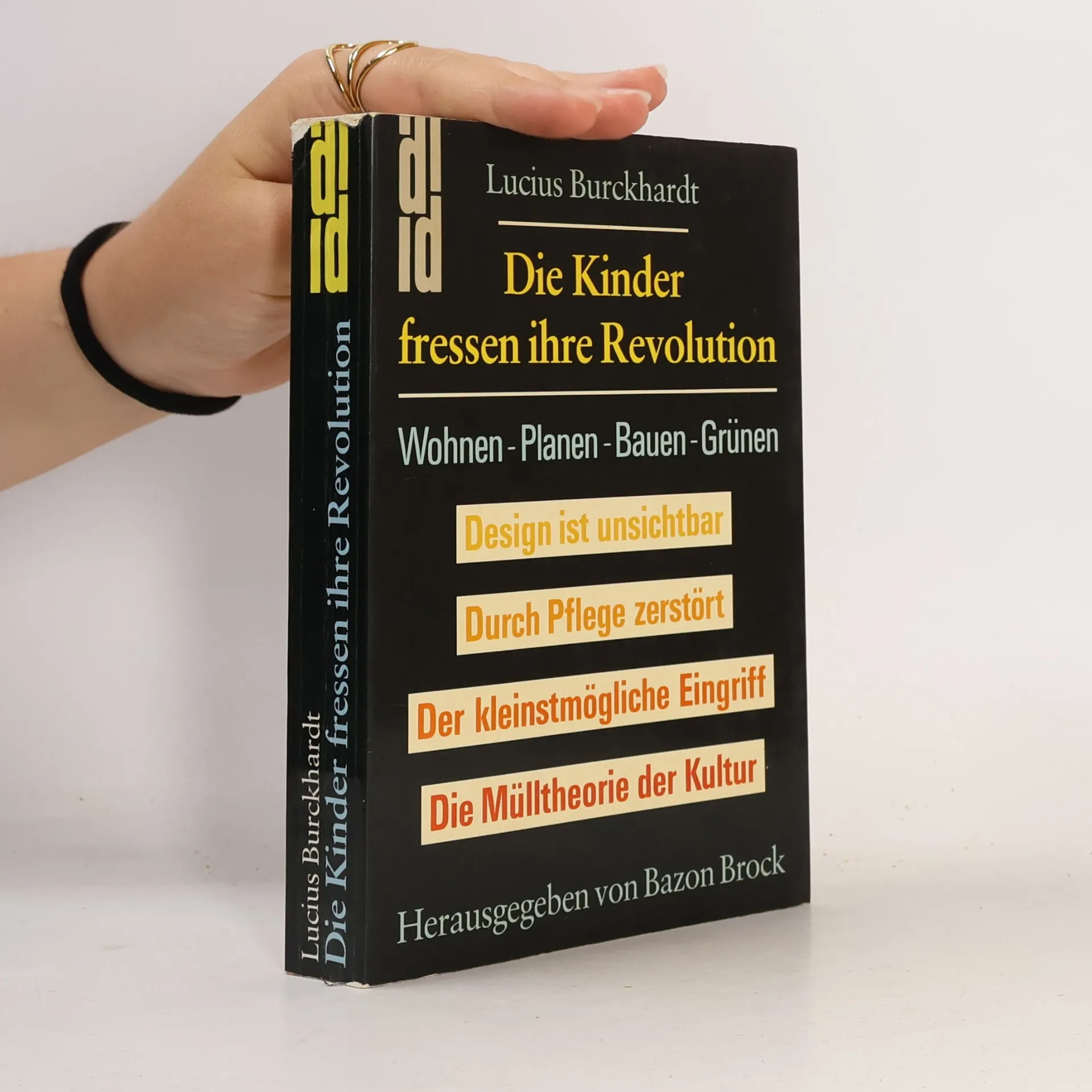
Lucius Burckhardt (1925-2003) begründete in den 1980er Jahren die Promenadologie, die Spaziergangswissenschaft oder engl. auch Strollology. Das neue Fach entwickelte er zu einer komplexen und weitblickenden Planungs- und Gestaltungswissenschaft. Die Promenadologie ist der Ausgangspunkt für eine realistische Haltung zur Wahrnehmung und Wirklichkeit, für ein anderes Verständnis von Landschaft und urbanem Raum, sowie für eine neue Architektur und Planung. Dieses Buch führt anhand einer Auswahl der Texte von Lucius Burckhardt über Landschaft, Natur und Ästhetik in die Grundlagen und die Theorie der Spaziergangswissenschaft ein.
Fünf Jahrzehnte Planungskritik
In Anthologie Landschaft geht der Soziologe Lucius Burckhardt von einem problematisierten Landschaftsbegriff aus. Er fragt: Wieso sehen wir überhaupt die Umwelt als Landschaft, und wann? Und wer sieht sie so?00Das versammelte Material zu dieser Diskussion enthält dichterisch beschreibende wie analytische Texte, die Leserin oder der Leser merkt von selbst, wann direkt und wann auf der Meta-Ebene der Theorie gesprochen wird.00Jedem der neun Kapitel stellt Lucius Burckhardt einen kurzen Einstieg voran. Darin fasst er seine Vorstellungen und Erkenntnisse zusammen, setzt die herangezogenen Quellen in Beziehung und legt seine Sicht der Dinge in konzentrierter Form dar, bevor die originelle Sammlung von Texten das Feld auf lustvolle und zum Teil überraschende Weise wieder öffnet.00Lucius Burckhardts Landschaftsanthologie herauszugeben, gründet in der Überzeugung der Relevanz und Originalität seines Schaffens. Die ursprüngliche Fassung wurde mit Annotation, Paraphrasen, Randglossen und auch Widerspruch durch Personen aus mannigfaltigem Werkzusammenhang mit Lucius Burckhardt in die Gegenwart übertragen. Dies ermöglicht, die Texte aus heutiger Sicht zu lesen und produktiv zu nutzen
Turin und die Einigung Italiens
The mind’s eye as a design principle Lucius Burckhardt (1925–2003) outlined his theory of the “smallest possible intervention” back in the early 1980s. The idea of minimal intervention runs through his entire oeuvre, from his critique of urbanism to the science of walking. The “smallest possible intervention” denotes a planning theory that assumes two “views” within landscape design: that which is actually visible and that in our mind’s eye. The theory of the minimal intervention means not interfering excessively with the existing landscape, but instead working with the landscape in our minds to develop an aesthetic understanding of the environment. In this book, available for the first time in English, the Swiss sociologist applies this formula to many areas of design. Intellectual distillation of Lucius Burckhardt’s theories available for the first time in English Exploration of the relationships between planning and building Rationalization and needs
Design for a democratic society was a matter of urgency in bombed-out postwar Europe. Swiss sociologist, journalist, professor and founding father of strollology Lucius Burckhardt (1925–2003) pioneered the interdisciplinary analysis of man-made environments, and thereby highlighted both the visible and invisible aspects of our cities and social relations. Acutely aware of how our interventions and decisions shape the world, and how the changing world in turn, shapes us, his life-long focus was not only the prerequisites of architecture, urban planning and design but also their long-term impact. Teaching and practice still owe much to his work. Thus, the first selection of Lucius Burckhardt’s texts to appear in English, introduces his groundbreaking theory of environmental design, in retrospective tribute to a prescient thinker.
From the 1950s, Lucius Burckhardt (1925-2003) focused on planning, design, and construction in a democracy. His astute observations and critical analysis have had a fundamental effect on the design of our environment, on teaching in the architectural/planning professions, and on our understanding of what "city" means. His research, which - between mighty commercial interests and conflicting political aspirations focuses on the benefit for the entire population - is indispensable when and wherever buildings are planned, designed, built, and inhabited. With a new selection of texts, this book ploughs a furrow through Lucius Burckhardt's theory of planning.
GERMAN. A collection of essays, some longer some shorter, around design, society and pedagogy.