Exploring the urgent need for a new political thought, the book addresses contemporary global challenges such as artificial intelligence, ecological crises, and geopolitical tensions. It proposes "planetary thinking," emphasizing a new language of coexistence beyond nation-states and recognizing political forms as technological constructs. By analyzing the limitations of traditional state concepts and introducing ideas like biodiversity and technodiversity, it seeks to redefine our understanding of sovereignty and develop frameworks to confront the crises of modernity and the future.
Yuk Hui Reihenfolge der Bücher (Chronologisch)
Hui beschäftigt sich mit der Philosophie von Technologie und Medien, wobei seine Arbeit aus einer tiefen Verbindung von Technik, Kunst und Wissenschaft schöpft. Er untersucht die Existenz digitaler Objekte und wie Technologie unsere Welt prägt, und bietet eine einzigartige Perspektive auf das technologische Sein. Seine Schriften beleuchten die komplexe Beziehung zwischen moderner Technologie und Kosmotechnik und eröffnen neue Wege zum Verständnis unserer Zukunft. Hui's Ansatz zeichnet sich durch eine interdisziplinäre Untersuchung aus, die Philosophie, Kunst und wissenschaftliches Verständnis für eine umfassende Analyse verbindet.

Jenseits von West und Ost. Gespräch über Technik und Philosophie
- 135 Seiten
- 5 Lesestunden
Yuk Hui untersucht in Gesprächen mit Milan Stürmer das Spannungsfeld zwischen Philosophie und Welt. Er thematisiert die Pluralisierung des Technikbegriffs und entwickelt eine Epistemologie des Unbekannten. Sein Denken überschreitet Grenzen und eröffnet neue Perspektiven auf Zusammenleben und technologische Ökologie.
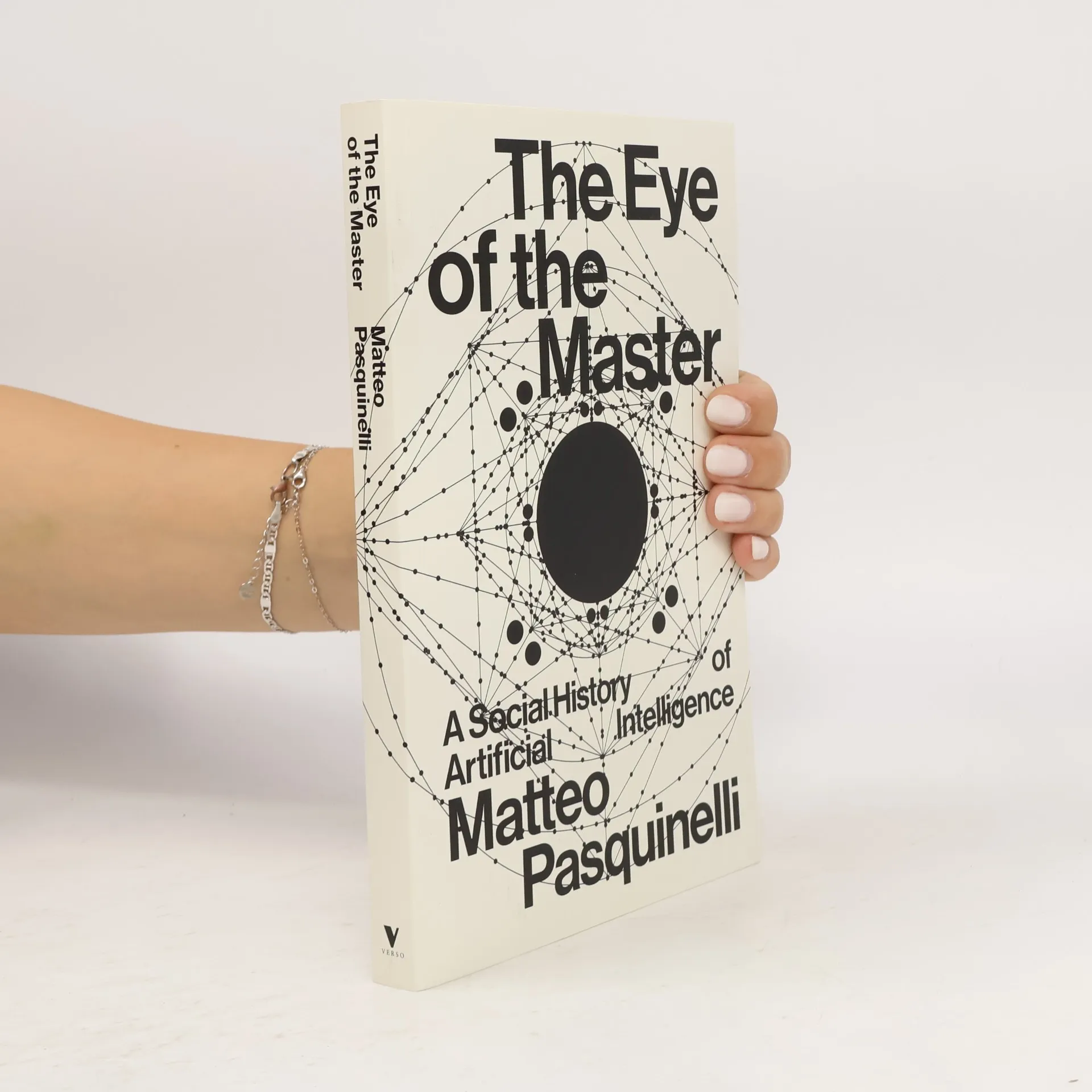
A social history of AI that finally reveals its roots in the spatial computation of industrial factories and the surveillance of collective behaviour. What is AI? A dominant view describes it as the quest "to solve intelligence," a solution supposedly to be found in the secret logic of the mind or in the deep physiology of the brain, such as in its complex neural networks. The Eye of the Master argues, to the contrary, that the inner code of AI is shaped not by the imitation of biological intelligence, but the intelligence of labour and social relations, as it is found in Babbage's "calculating engines" of the industrial age as well as in the recent algorithms for image recognition and surveillance. The idea that AI may one day become autonomous (or "sentient", as someone thought of Google's LaMDA) is pure fantasy. Computer algorithms have always imitated the form of social relations and the organisation of labour in their own inner structure and their purpose remains blind automation. The Eye of the Master urges a new literacy on AI for scientists, journalists and new generations of activists, who should recognise that the "mystery" of AI is just the automation of labour at the highest degree, not intelligence per se.
Die Durchsetzung der westlichen Moderne ging mit der Etablierung eines instrumentellen Begriffs von Technik einher. Mit den unabsehbaren Folgen des menschengemachten Klimawandels ist dieses Verständnis in eine tiefe Krise geraten. Im Rückgriff auf die antike Vorstellung der technē und im Austausch mit außereuropäischen Ansätzen entwickelt Yuk Hui das Konzept der Kosmotechnik. Es stellt in Rechnung, dass jede Technik mit einer bestimmten Vorstellung von Welt verbunden ist. So öffnet Kosmotechnik dem Nachdenken über Technologie eine kosmopolitische Perspektive. Junius Frey situiert den Entwurf Huis in der aktuellen geopolitischen Situation. Die zunehmende Polarität zwischen China und den USA wird nicht zuletzt über den Stand und die Ideologie technologischer Entwicklung und gouvernementaler Kontrolle ausgetragen. Indem Frey den Ansatz der Kosmotechnik ins Gespräch mit den Überlegungen des Tiqqun-Kollektivs zu Veränderungen des Imperialen bringt, entwickelt er die politischen Implikationen der Kosmotechnik hin zu einer neuen Doktrin verwandelter kommunistischer Politik. Sie findet ihren überraschenden Ort gerade deshalb im Süden Europas, weil dieser seine globale Zentralstellung schon lange eingebüßt hat.
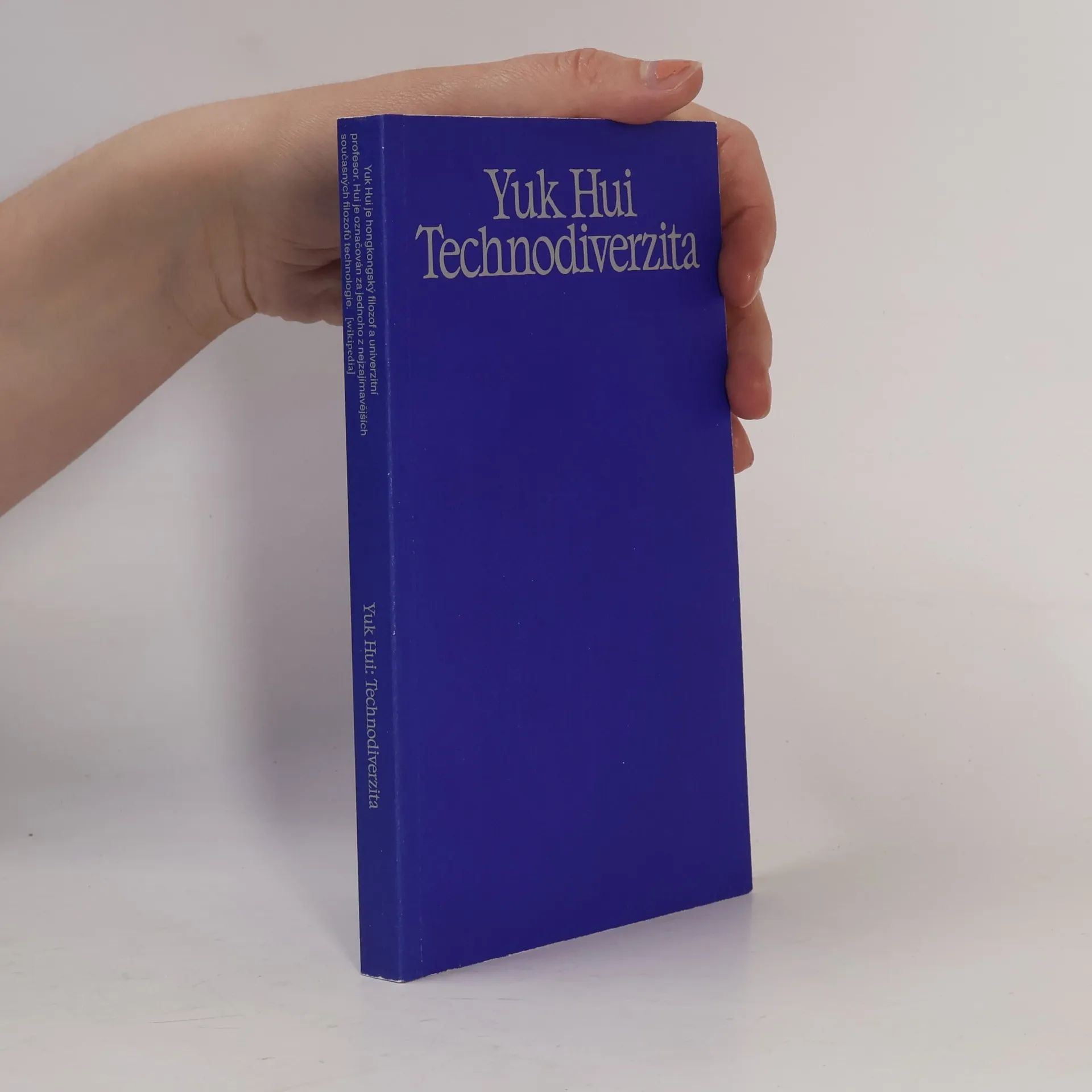
Technodiverzita
- 180 Seiten
- 7 Lesestunden
Kniha spojuje politické texty Yuka Huie o vzestupu neoreakcionářství, konci osvícenství, budoucnosti kosmopolitismu, popandemické politice a planetárním myšlení. Analýza je založena na historickém, antropologickém a filozofickém zkoumání otázky technologie, která otevírá zcela novou perspektivu. Hui navrhuje pojem technodiverzity skrze zpochybnění současného způsobu chápání technologie jako antropologického a univerzálního a zastává se mnohosti kosmotechniky, která vyjadřuje různé technologické zkušenosti, které jsou kulturně a kosmologicky situovány. Znovuobjevení historicky dohledatelné a stále produktivní technodiverzity je klíčovým úkolem pro zpochybnění ontologických a epistemologických předpokladů moderních technologií a jejich limitů. Huiova analýza navrhuje aktualizované chápání technologie v antropocénu a planetární politiku za hranice technologické planetarizace.
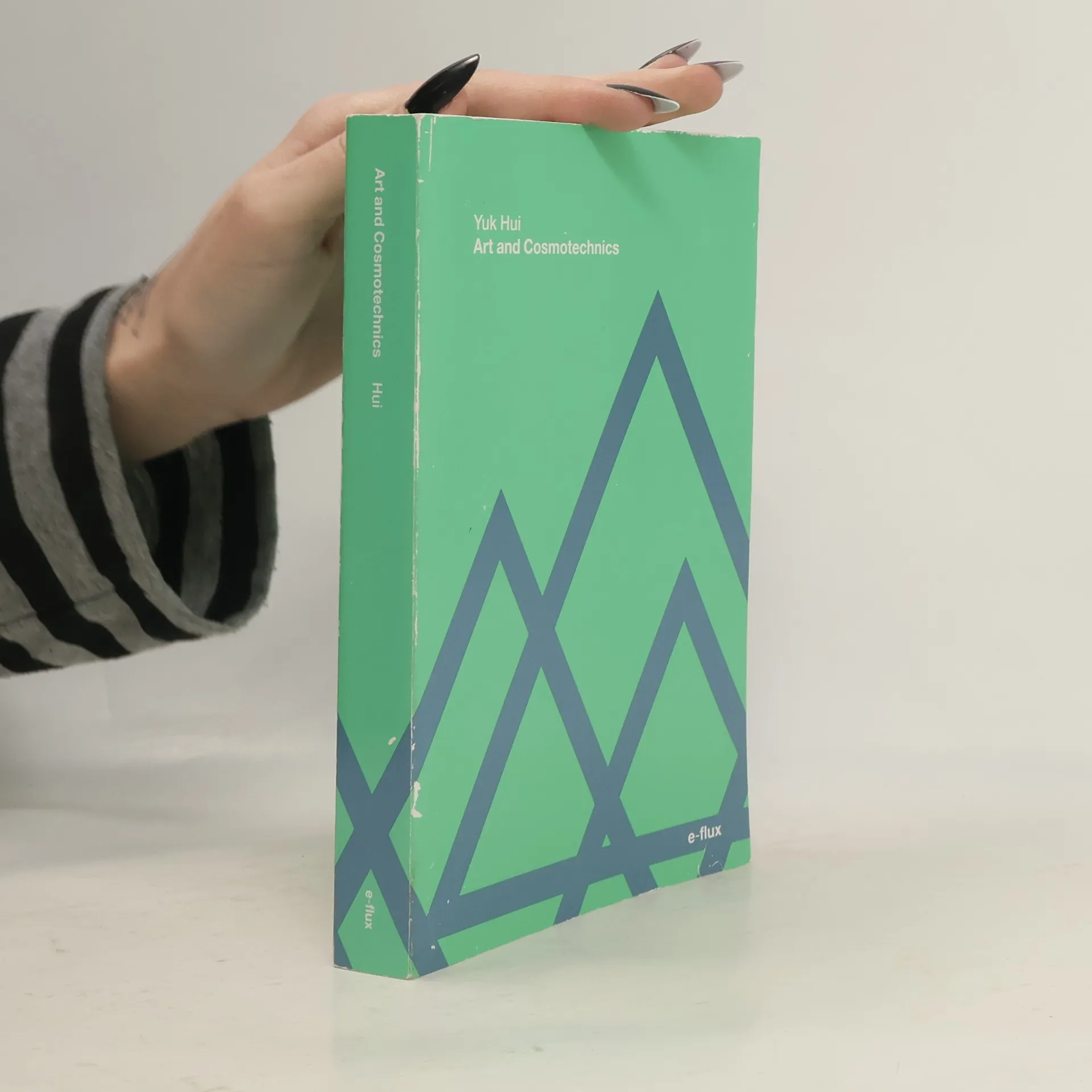
Art and Cosmotechnics
- 240 Seiten
- 9 Lesestunden
In light of current discourses on AI and robotics, what do the various experiences of art contribute to the rethinking of technology today? Art and Cosmotechnics addresses the challenge of technology to the existence of art and traditional thought, especially in light of current discourses on artificial intelligence and robotics. It carries out an attempt on the cosmotechnics of Chinese landscape painting in order to address this question, and further asks: What is the significance of shanshui (mountain and water) in face of the new challenges brought about by the current technological transformation? Thinking art and cosmotechnics together is an attempt to look into the varieties of experiences of art and to ask what these experiences might contribute to the rethinking of technology today.
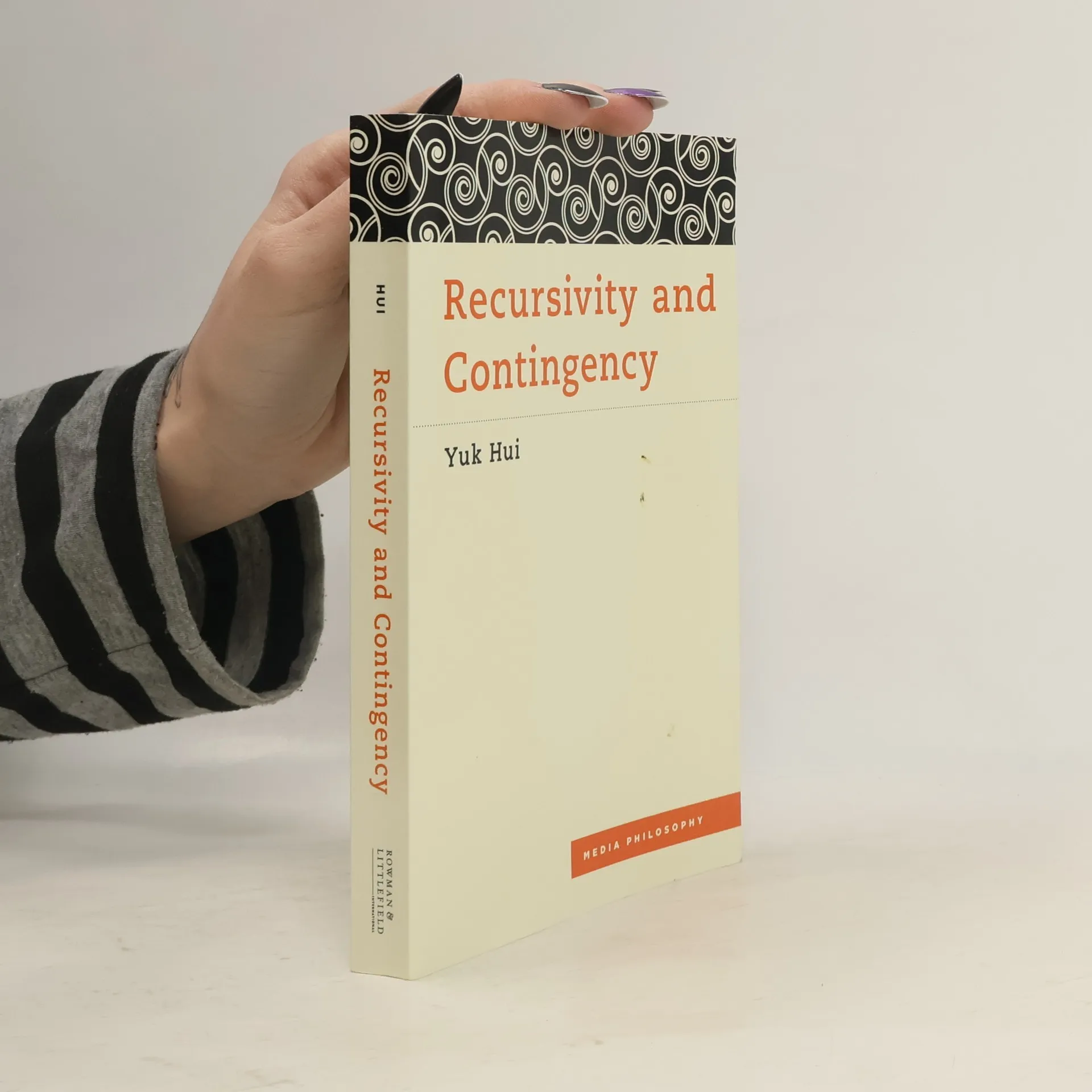
Media Philosophy: Recursivity and Contingency
- 336 Seiten
- 12 Lesestunden
Focusing on algorithmic catastrophes, the book explores the contemporary global landscape shaped by technology and computation. It delves into historical philosophical perspectives, analyzing the interplay between nature and technical systems. By investigating how algorithms influence our lives, it offers insights into the potential consequences of our reliance on technology and advocates for a redefined relationship with the natural world.
On the Existence of Digital Objects
- 332 Seiten
- 12 Lesestunden
Digital objects, in their simplest form, are data. They are also a new kind of industrial object that pervades every aspect of our life today--as online videos, images, text files, e-mails, blog posts, Facebook events.Yet, despite their ubiquity, the nature of digital objects remains unclear. On the Existence of Digital Objects conducts a philosophical examination of digital objects and their organizing schema by creating a dialogue between Martin Heidegger and Gilbert Simondon, which Yuk Hui contextualizes within the history of computing. How can digital objects be understood according to individualization and individuation? Hui pursues this question through the history of ontology and the study of markup languages and Web ontologies; he investigates the existential structure of digital objects within their systems and milieux. With this relational approach toward digital objects and technical systems, the book addresses alienation, described by Simondon as the consequence of mistakenly viewing technics in opposition to culture. Interdisciplinary in philosophical and technical insights, with close readings of Husserl, Heidegger, and Simondon as well as the history of computing and the Web, Hui's work develops an original, productive way of thinking about the data and metadata that increasingly define our world.
Heideggers Kritik der modernen Technologie, formuliert in seinem Aufsatz "Die Frage der Technik", bildet die Grundlage für philosophisches Nachdenken über Technik. Diese Beziehung zwischen Technik und Metaphysik wird auch im östlichen Denken allgemein akzeptiert. Jedoch stellt die Annahme, es gebe nur eine ursprünglich griechische Form der Technik, ein Hindernis dar, um zeitgemäßes kritisches Denken über Technologie zu entwickeln. Yuk Hui zeigt in diesem wegweisenden Essay die Notwendigkeit, ein spezifisch chinesisches Denken über Technologie zu suchen, das sowohl mit Heidegger in Dialog treten kann als auch die affirmative Haltung gegenüber Technik hinterfragt. Er bezieht sich auf Denker wie Lyotard, Simondon und Stiegler sowie auf östliche Philosophen wie Feng Youlan, Mou Zongsan und Keiji Nishitani, um ein besseres Verständnis der Eigenheiten chinesischen Denkens in Bezug auf Technologie zu erlangen. Hui behandelt grundlegende Fragen wie: Warum hat chinesisches Denken Technik so lange ausgeklammert? Warum war Zeit nie ein Thema der chinesischen Philosophie? Er bietet einen Überblick über die Geschichte und aktuelle Debatten des chinesischen Denkens und sucht Antworten auf die Herausforderungen, die uns die entfesselte Technologie täglich stellt.