

Ulli Beier Bücher
30. Juli 1922 – 3. April 2011
Ulli Beier war ein wichtiger Förderer afrikanischer Kunst und Literatur durch seine Redaktion von Black Orpheus und die Gründung der Mbari-Clubs. Seine wissenschaftliche Arbeit befasste sich mit afrikanischen Schöpfungsmythen und traditionellen Kunstformen und machte diese reichen kulturellen Ausdrucksformen zugänglich. Als begeisterter Übersetzer konzentrierte er sich darauf, Yoruba-Lyrik ins Englische zu übertragen und so sprachliche und kulturelle Brücken zu bauen.



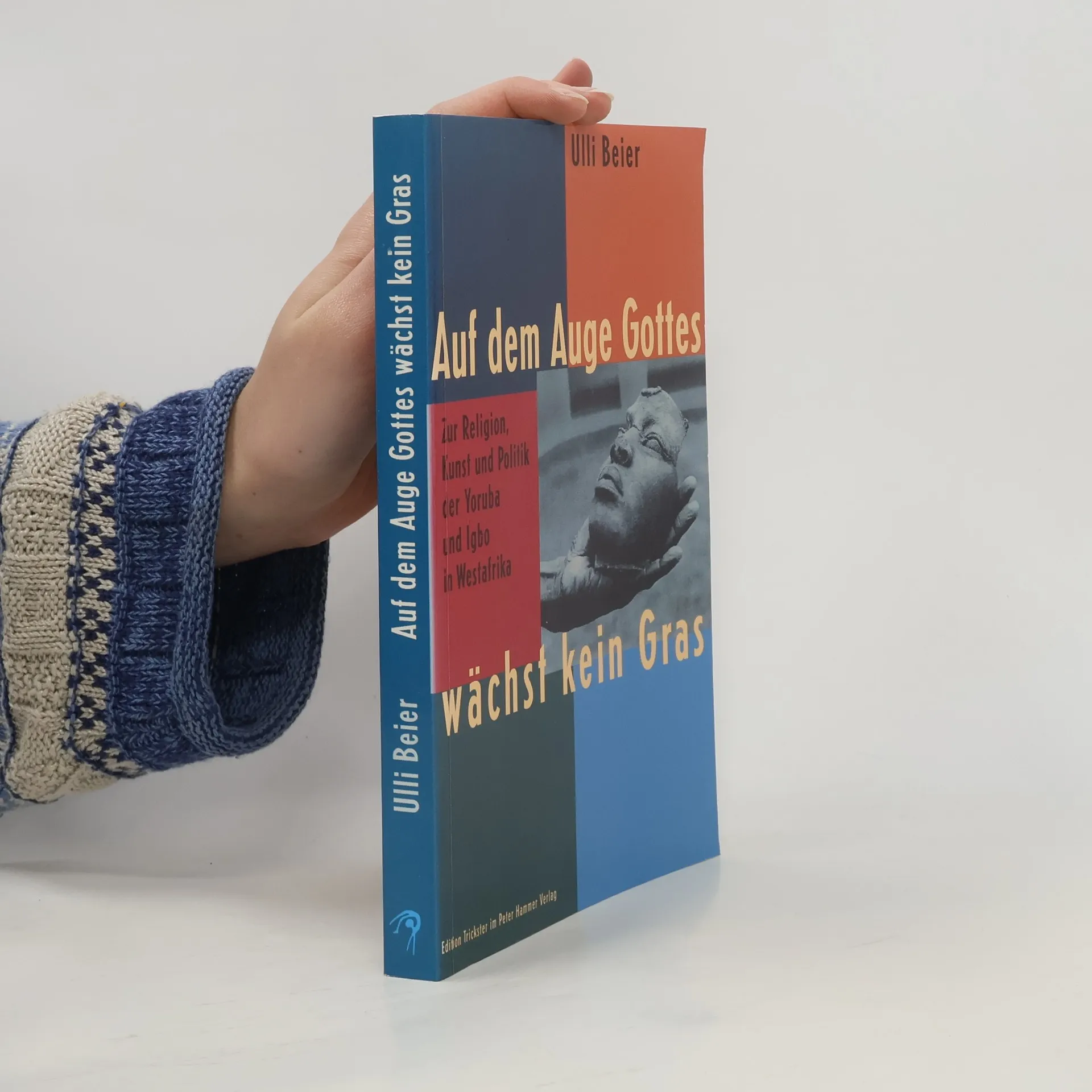
Auf dem Auge Gottes wächst kein Gras
- 253 Seiten
- 9 Lesestunden
Ein Meer aus Indigo
- 111 Seiten
- 4 Lesestunden
'Poetry, always foremost of the arts in traditional Africa, has continued to compete for primacy against the newer forms of prose fiction and theatre drama.' This wonderfully comprehensive anthology of African poetry has been expanded to include ninety-nine poets from twenty-seven countries, thirty-one of whom appear for the first time. Equally wide-ranging is the content of the poetry itself: war songs and political protests jostle with poems about human love, African nature and the surprises that life offers; all are represented in these rich and colourful pages.
Collected from many parts of Africa and from many different languages, the poems have been sympathetically translated into English. The music of an African tonal language can never be fully expressed in English. The poems in this collection come from widely different cultures, including the Yoruba and Ewe of West Africa, the Zulu and Bushmen of South Africa, the Galla and Swahili of East Africa and even the ancient Egyptians