
Berlin: Bei Partnern noch vor dem Fest lieferbar
Bookbot

Amy B. Zegart

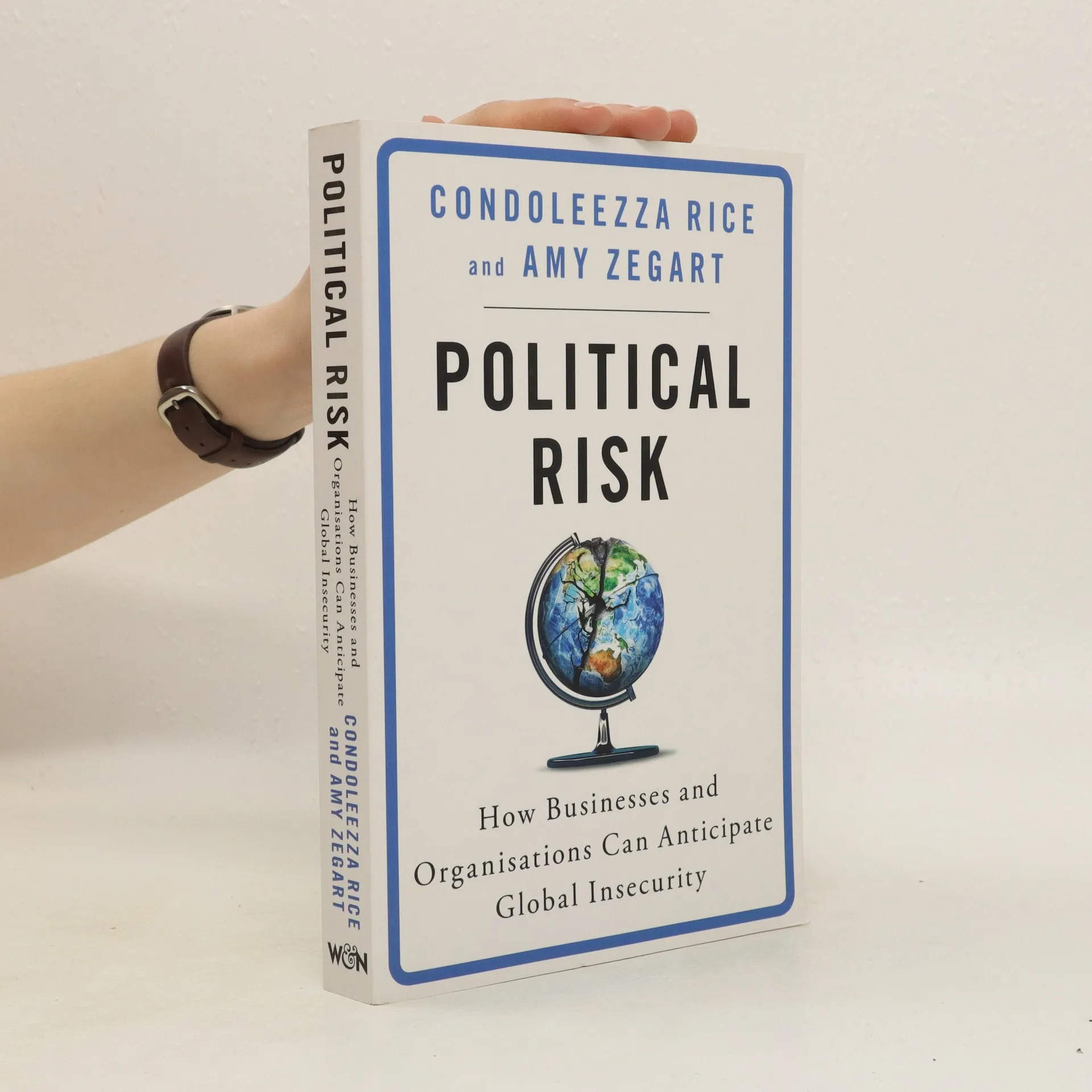
    Political risk
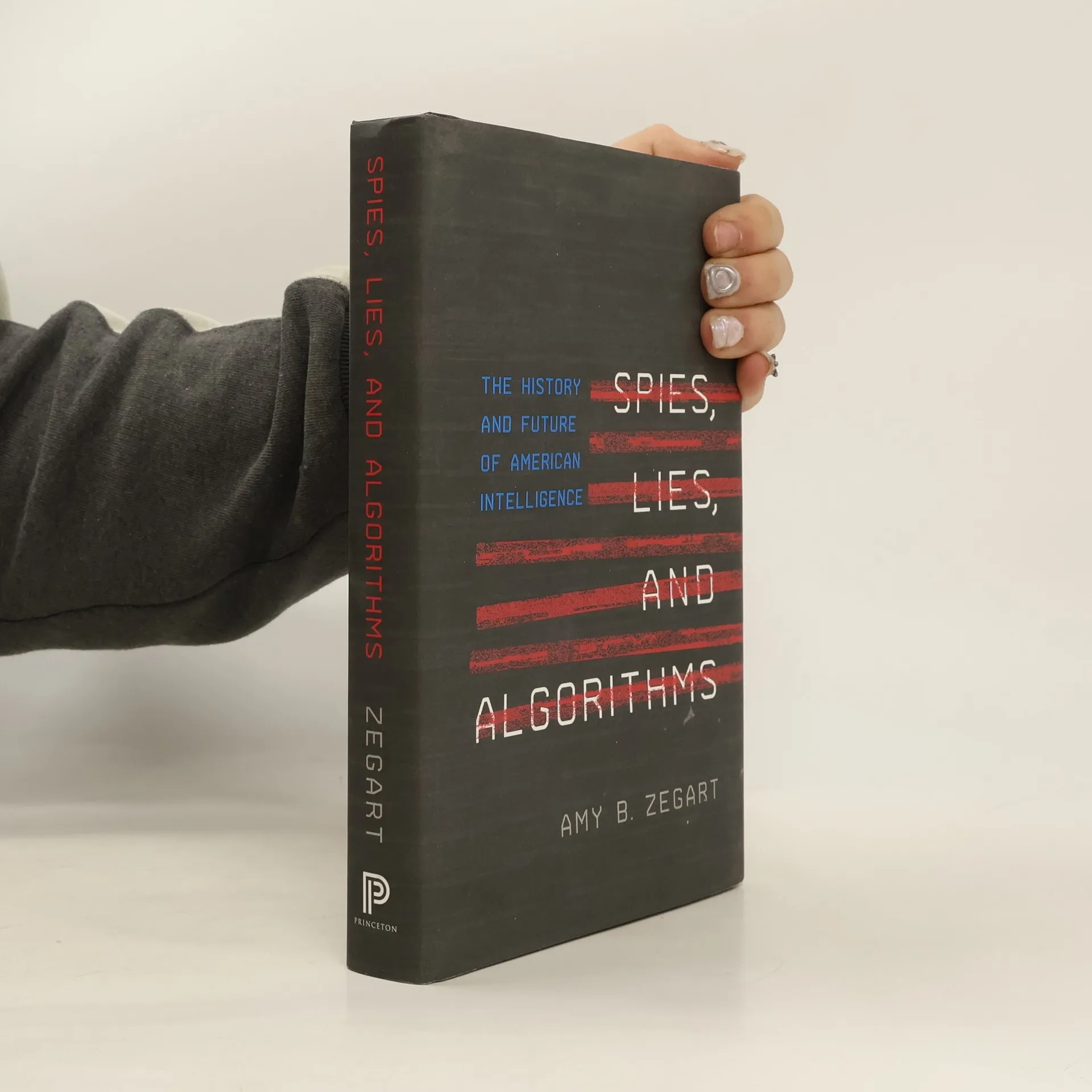
    Spies, Lies, and Algorithms
    • Spies, Lies, and Algorithms

      • 416 Seiten
      • 15 Lesestunden
      4,0(1092)Abgeben

      Spying is more prevalent yet less understood than ever. Despite the abundance of spy-themed entertainment, education on espionage remains limited, distorting public perception and complicating intelligence policy. Amy Zegart provides an insightful exploration of American espionage's evolution, shaped by digital technology. Drawing from extensive research and interviews with intelligence officials, she chronicles U.S. espionage history, from Revolutionary War spies to modern satellite surveillance. Zegart highlights the influence of fictional spies on real-life officials, outlines intelligence fundamentals, and examines life within U.S. intelligence agencies. She also addresses cognitive biases that can mislead analysts and discusses complex issues like traitors, covert actions, and congressional oversight. Importantly, Zegart illustrates how technology is reshaping the landscape of espionage, empowering new adversaries and opportunities. Private citizens, for instance, are now tracking nuclear threats using tools like Google Earth. Furthermore, she emphasizes that cyberspace has become the ultimate battleground for espionage, where deception and advanced technology are employed for theft and information warfare. This compelling account of modern espionage is essential for anyone seeking to grasp the realities of spying today.

      Spies, Lies, and Algorithms
    • Political risk - the probability that a political action could significantly affect an organisation - is changing fast, and it's more widespread than ever before. In the past, the chief concern used to be whether a foreign dictator would nationalise the country's oil industry or impose onerous new regulations. Today, political risk stems from a widening array of political agents, from Twitter users and terrorists to local officials, transnational activists, hackers and insurgents. What's more, the very institutions and laws that are supposed to reduce uncertainty and risk often increase it instead. This means that in today's globalised world there are no 'safe' bets. Political risk affects companies and organisations of all sizes, operating everywhere from London to Lahore, even if they don't know it. Political Risk investigates and analyses this shifting landscape, suggests what businesses can do to navigate it, and explains how all of us can better understand and deal with these rapidly changing geopolitical dynamics.

      Political risk