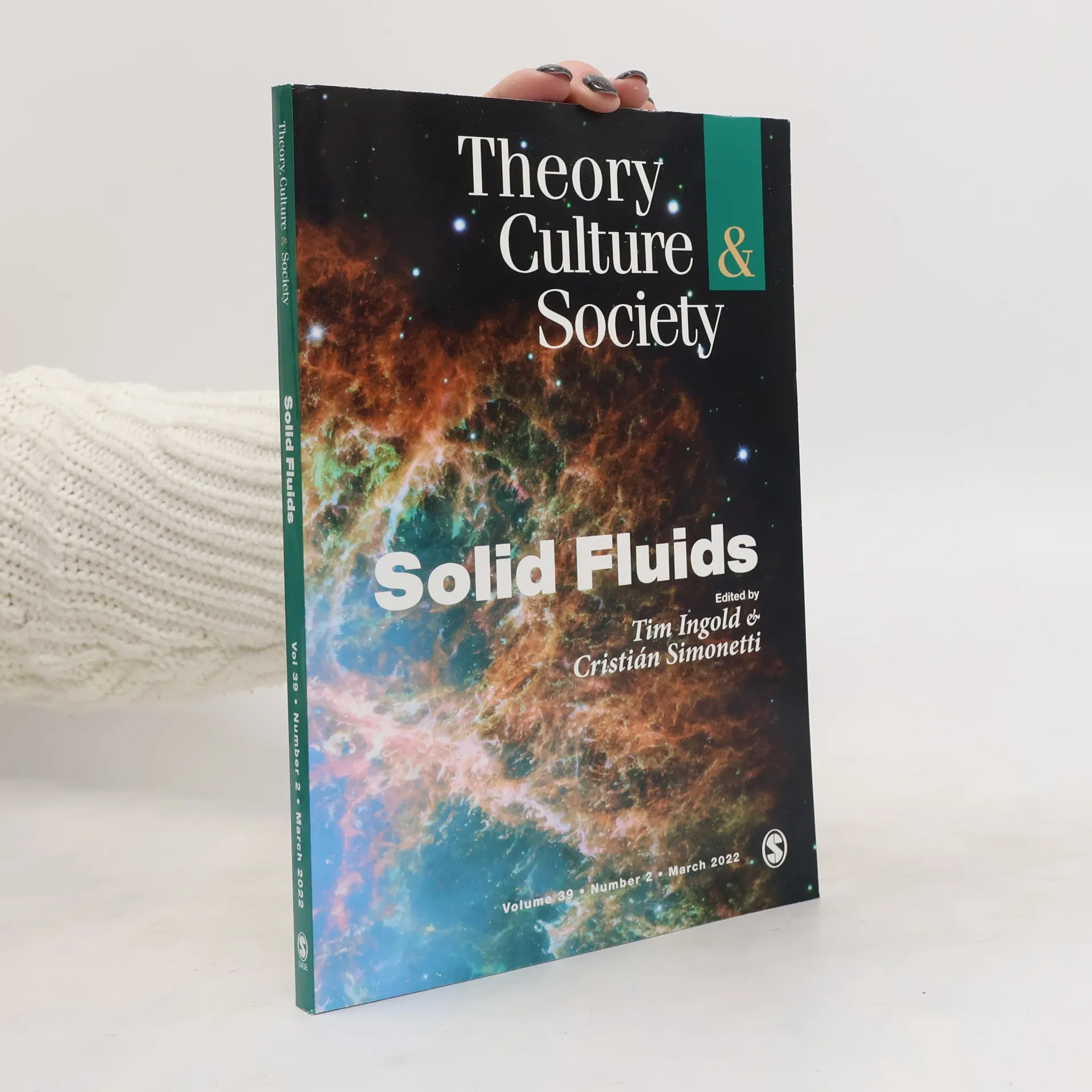
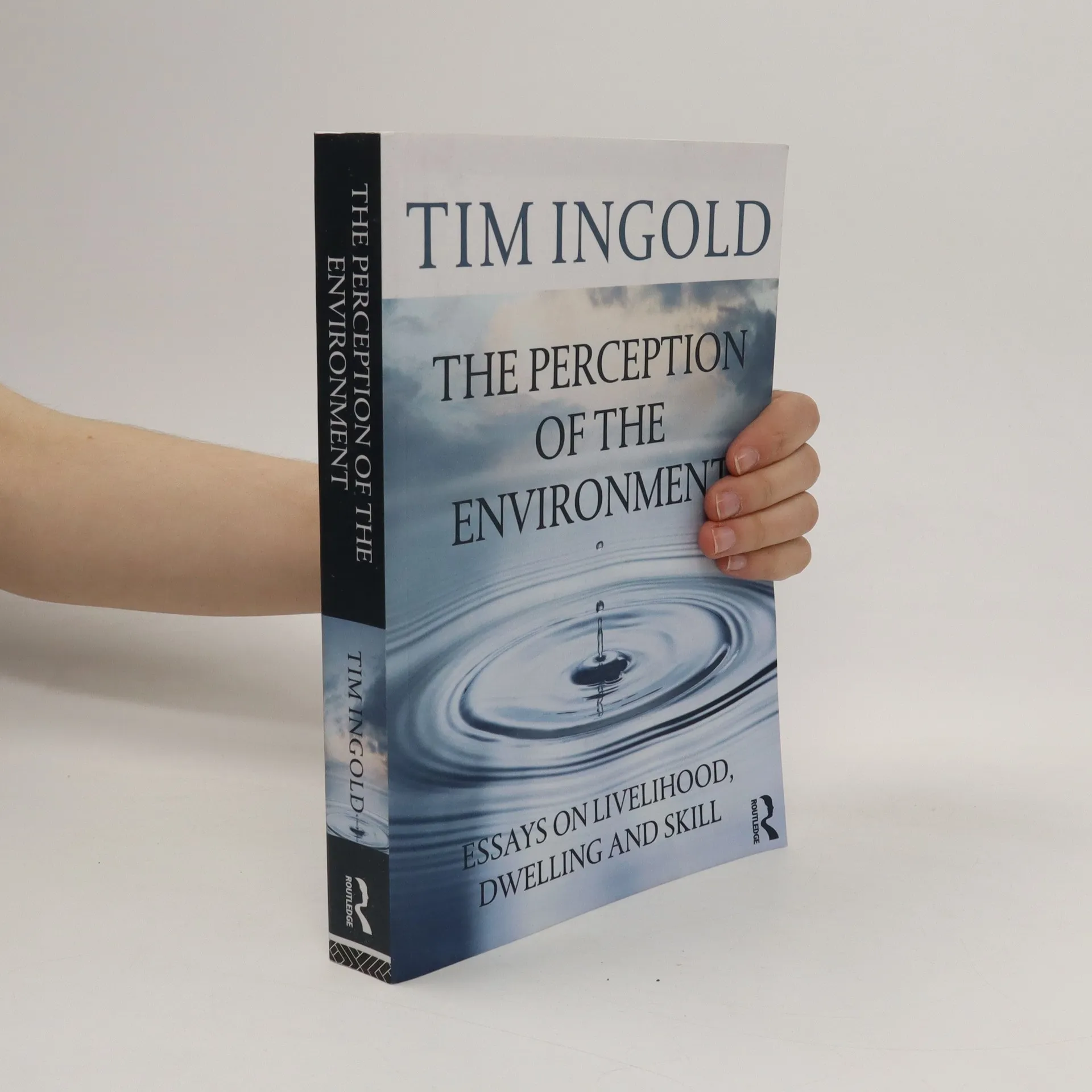
Tim Ingold ist ein britischer Sozialanthropologe, dessen Werk sich tiefgehend mit der Beziehung zwischen Mensch und Umwelt auseinandersetzt. Er untersucht, wie Menschen die Welt um sich herum durch alltägliche Aktivitäten und Fertigkeiten wahrnehmen und wie diese Erfahrungen ihre Seins- und Lebensweisen prägen. Seine Essays verbinden oft theoretische Reflexion mit Beobachtungen menschlicher Praxis und untersuchen, wie die Umwelt zu einem integralen Bestandteil unserer Existenz wird. Ingold's Anthropologie bietet Einblicke, wie wir lernen, in Verbindung mit der Natur zu leben, und wie diese Verbindung unser Weltverständnis beeinflusst.
In "The Future," anthropologist Tim Ingold challenges the conventional view of generations as stacked layers, proposing instead that they intertwine like fibers in a rope. He suggests this perspective could alleviate anxieties about the future and foster coexistence, while urging a reevaluation of progress and reliance on technology. Hope remains for future generations.
Nur wenn wir uns wieder in die Welt verlieben, kann es für die künftigen Generationen Hoffnung auf Erneuerung geben. Diese Prophezeiung von Hannah Arendt nach dem Ende des Zweiten Weltkriegs ist für den Anthropologen Tim Ingold heute so wahr wie damals. Er sieht die Erde angesichts drohender Katastrophen auf Messers Schneide und fordert mit Nachdruck eine neue Art des Umgangs mit der Welt, die uns umgibt, der belebten wie der unbelebten. Korrespondieren nennt Ingold diese aufmerksame, sinnliche Auseinandersetzung mit der Welt, die die Dinge nicht als abgeschlossene Phänomene, sondern in ihrem beständigen Werden begreift und sich selbst in Beziehung zu ihnen setzt. In 27 klugen Essays begleiten die Leserinnen und Leser Ingolds Korrespondenz mit Bäumen, Felsen und Flüssen, Regen und Schnee, mit Kunstwerken und Denkmälern. In luzider und gleichzeitig lyrischer Sprache gelingt es ihm , das Gefühl der Verwandtschaft mit den Dingen und der Erde wiederzubeleben. Ein Buch für das 21. Jahrhundert,
Exploring the relationship between imagination and perception, Tim Ingold argues for the reintegration of reality and imagination, challenging the modern separation between the two. Through a series of essays, he examines how this division has shaped contemporary thought and science, advocating for a more holistic understanding of our experiences and the world around us. Ingold's work invites readers to reconsider the role of imagination in shaping reality and to embrace a more interconnected worldview.
Humanity is at a crossroads. We face mounting inequality, escalating political violence, warring fundamentalisms and an environmental crisis of planetary proportions. How can we fashion a world that has room for everyone, for generations to come? What are the possibilities, in such a world, of collective human life? These are urgent questions, and no discipline is better placed to address them than anthropology. It does so by bringing to bear the wisdom and experience of people everywhere, whatever their backgrounds and walks of life. In this passionately argued book, Tim Ingold relates how a field of study once committed to ideals of progress collapsed amidst the ruins of war and colonialism, only to be reborn as a discipline of hope, destined to take centre stage in debating the most pressing intellectual, ethical and political issues of our time. He shows why anthropology matters to us all. Introducing Polity’s Why It Matters series: In these short and lively books, world-leading thinkers make the case for the importance of their subjects and aim to inspire a new generation of students.
Focusing on the intersection of evolution and anthropology, the book explores how these concepts have evolved since the mid-nineteenth century. Ingold revisits his original work nearly thirty years later, adding a new preface that reflects on its historical context and recent advancements in the field. With a unique approach that bridges natural sciences and the humanities, it significantly contributes to the understanding of anthropological and social thought, as well as ongoing discussions about human nature, culture, and social dynamics.
Sprache, Musik und Notation – Spuren, Fäden und Oberflächen – Hoch, quer und entlang – Die genealogische Linie – Zeichnen, Schreiben und Kalligrafie – Wie die Linie gerade wurde.
Exploring the concept of interconnectedness, this book delves into the metaphor of lines as representations of life and relationships. Building on Tim Ingold's previous work, it presents unique reflections on various themes such as environment, movement, creativity, and the essence of humanity. Through these meditations, it invites readers to consider how lives intertwine and the significance of these connections in understanding our existence.
Exploring the interconnectedness of anthropology, archaeology, art, and architecture, the book presents a transformative perspective on how these disciplines contribute to knowledge creation and environmental shaping. Tim Ingold delves into the processes of making that underpin these fields, emphasizing their roles in altering human experiences and lives. This innovative approach encourages a deeper understanding of how these areas influence one another and the world around us.
Exploring the evolution of subsistence practices, this book delves into the transitions from hunting to pastoralism and ranching. Tim Ingold analyzes the underlying causes and mechanisms driving these transformations, providing insights into how human societies adapt to their environments and the implications for cultural and social structures. Through a detailed examination, the author sheds light on the interconnectedness of these practices and their impact on human development.