
Gratisversand in ganz Deutschland!
Bookbot

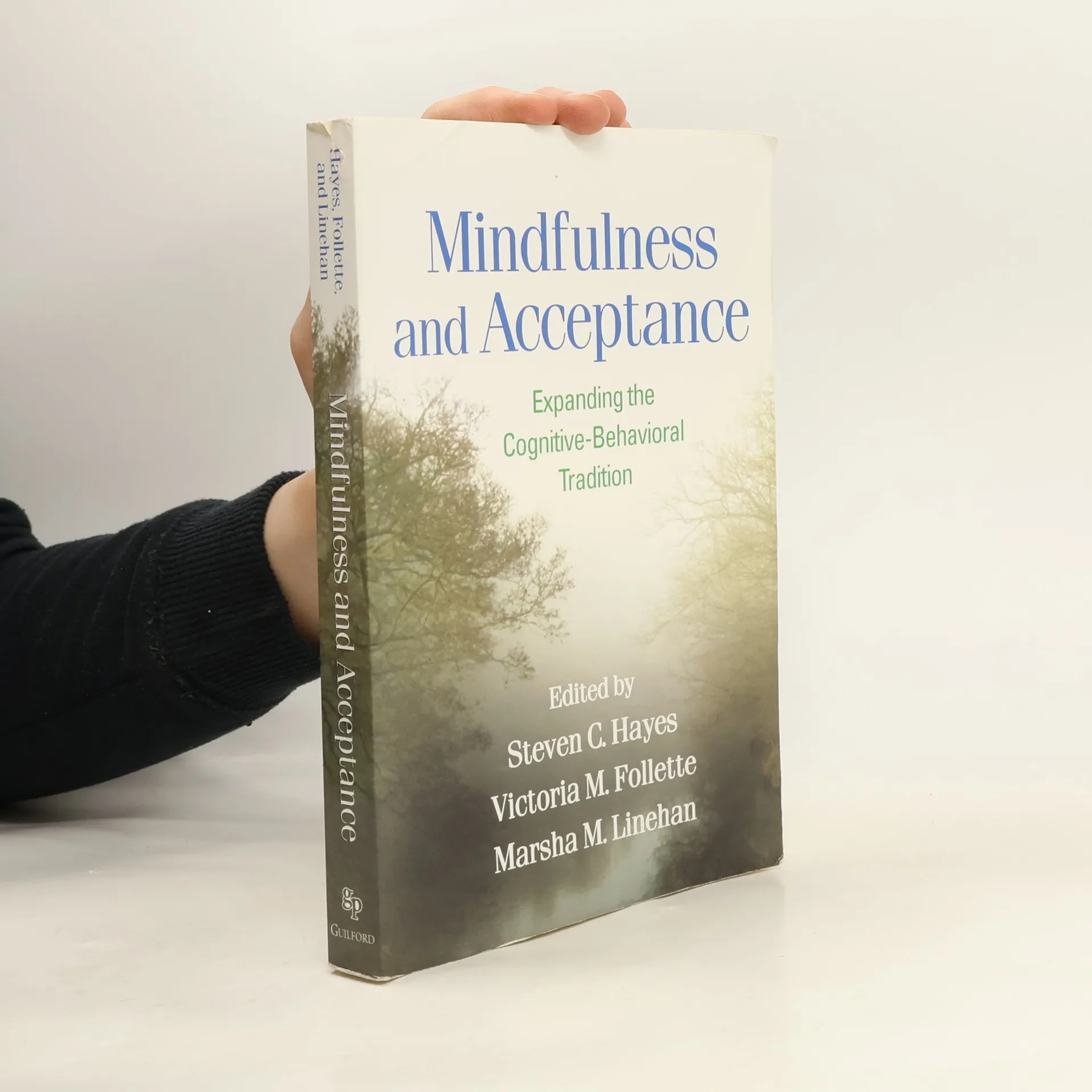
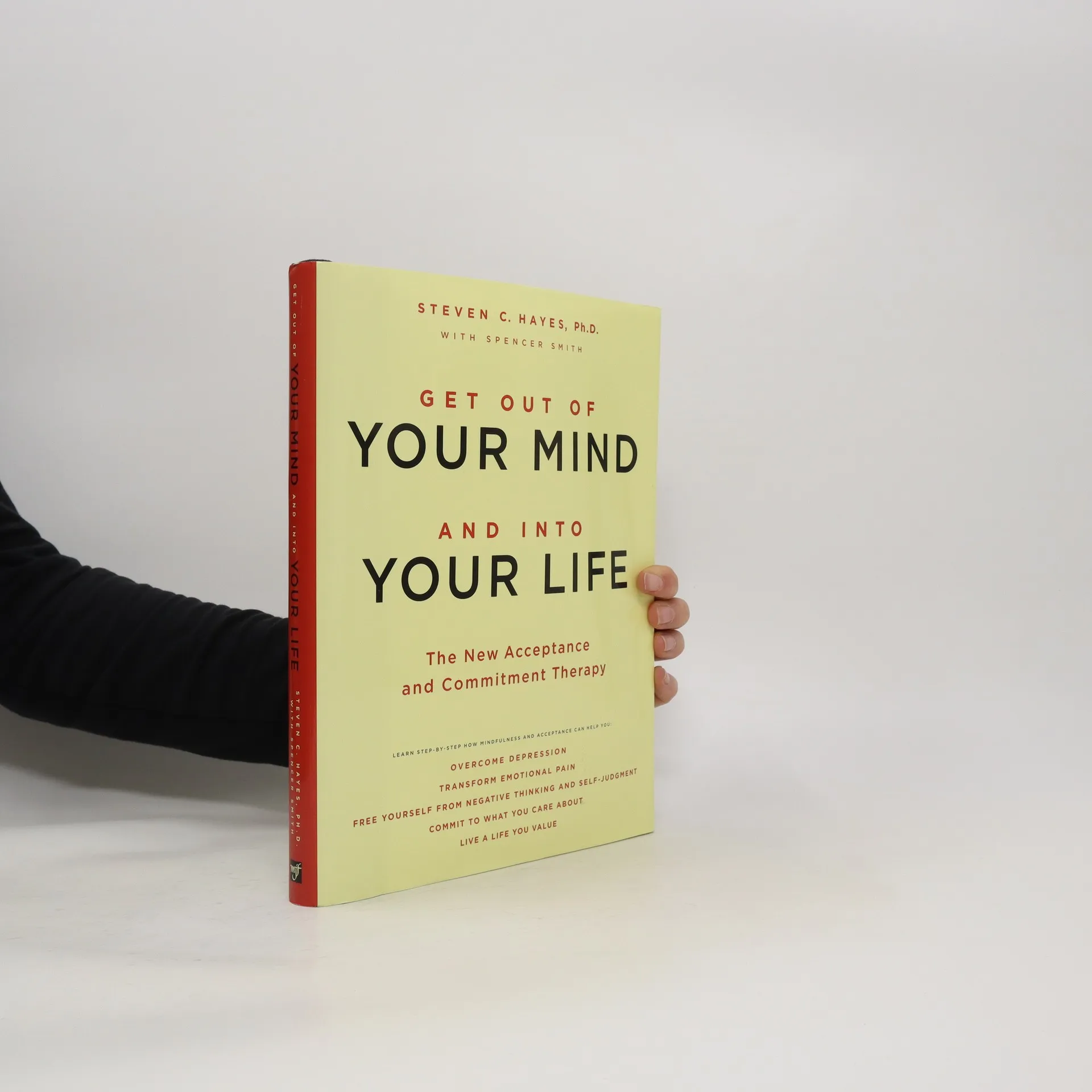
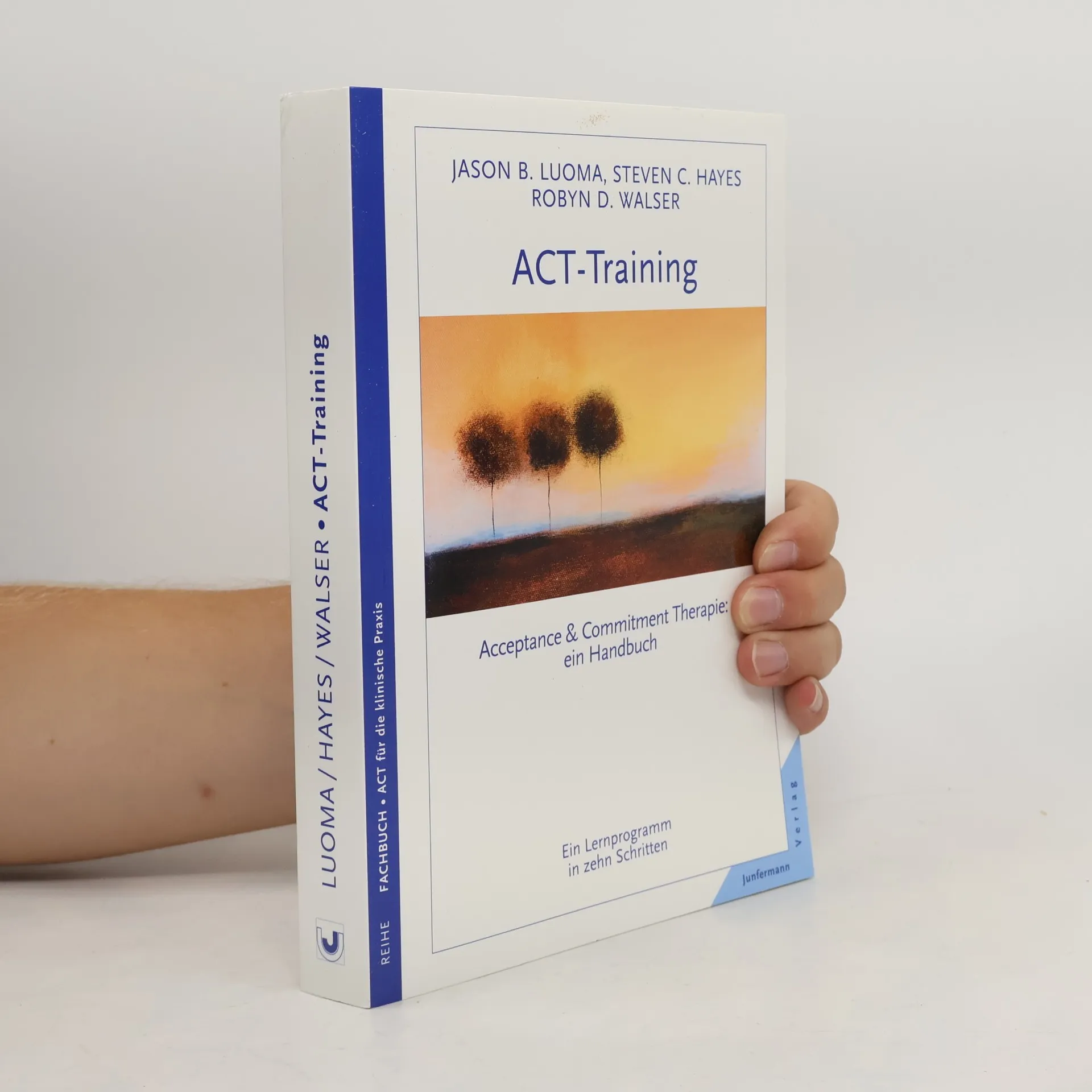
Steven C. Hayes

    1. Januar 1948

    Steven C. Hayes ist ein renommierter Psychologieprofessor, dessen Forschung aufdeckt, wie Sprache und Denken zum menschlichen Leid beitragen. Er ist Mitbegründer der Acceptance and Commitment Therapy (ACT), einer wirkungsvollen therapeutischen Methode mit breiten Anwendungsmöglichkeiten. Hayes ist bekannt für die Entwicklung der Relational Frame Theory, einer verhaltensanalytischen Erklärung menschlicher Sprache und Kognition, und deren klinische Anwendung bei verschiedenen psychischen Problemen. Seine einflussreiche und manchmal kontroverse Arbeit hat die Bereiche Psychologie und Psychotherapie maßgeblich geprägt.

    Acceptance and Commitment Therapy, Second Edition
    A Liberated Mind
    Learning Process-Based Therapy
    Kurswechsel im Kopf
    In Abstand zur inneren Wortmaschine
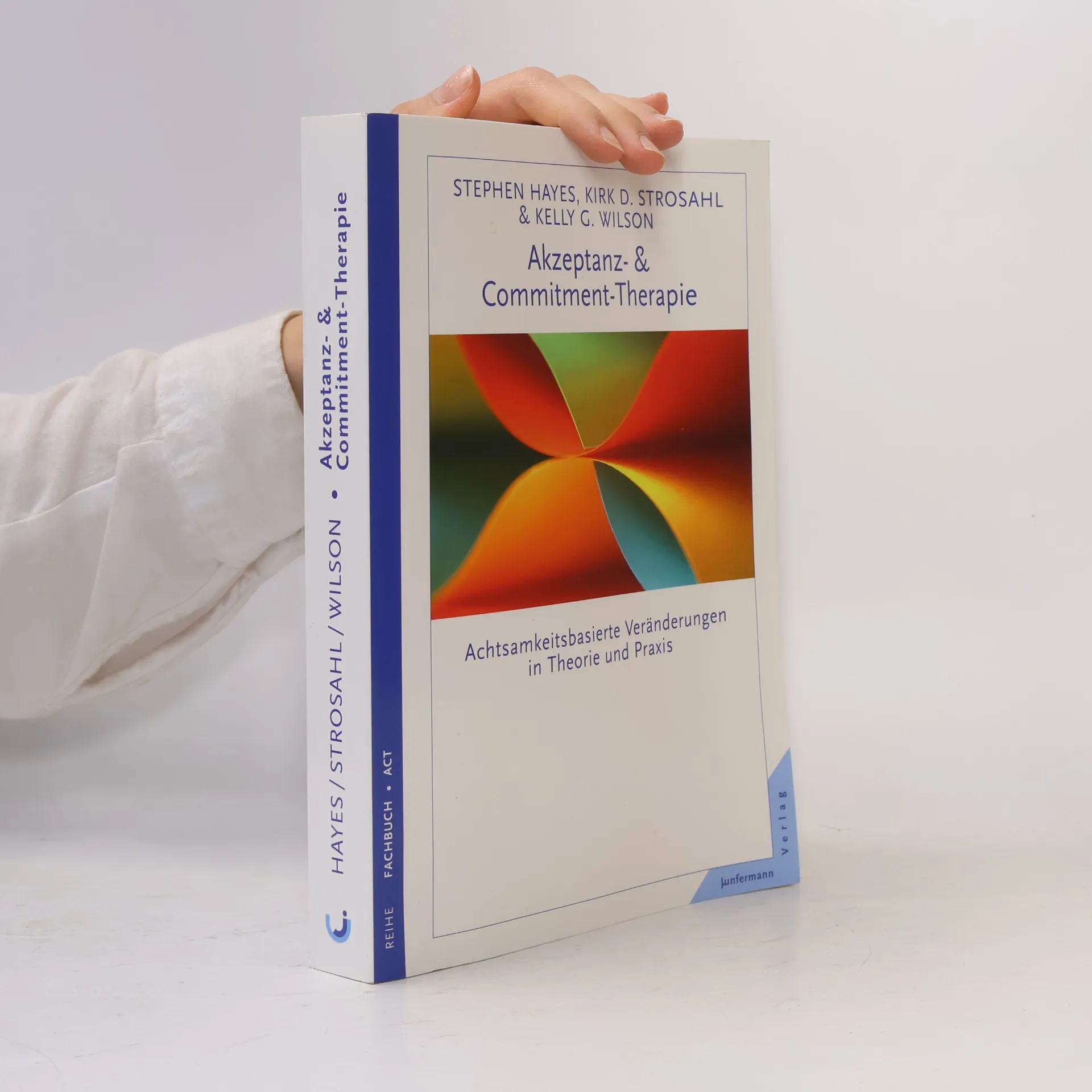
    Akzeptanz- und Commitment-Therapie
    • Was macht es so schwer, das Leben zu genießen? Oft sehen wir alles durch eine düstere Brille aus negativen Gefühlen und Gedanken. Wir kämpfen verzweifelt dagegen und versuchen, mögliche schmerzliche Erlebnisse zu vermeiden. Das will die Akzeptanz- und Commitment-Therapie (ACT) verändern. Wenn Menschen lernen, negative Gedanken, Gefühle und Ereignisse anzunehmen und „von außen“ offen und neugierig zu betrachten, anstatt sich in in sinnloser Abwehr aufzureiben, entsteht Spielraum für Veränderung. Sie entdecken in der Therapie persönliche Werte und lernen, sich bewusst für dazu passende Verhaltensweisen zu entscheiden. Neue Herausforderungen wird das Leben immer stellen – ACT hilft dabei, sie als Chance für persönliches Wachstum anzunehmen.

      Akzeptanz- und Commitment-Therapie
    • Kurswechsel im Kopf

      Von der Kunst anzunehmen, was ist, und innerlich frei zu werden

      Das perfekte Leben gibt es nicht, erfüllt kann es trotz mancher Herausforderung dennoch sein. Stressphasen, chronische Schmerzen, Krankheiten und Beziehungsprobleme sind für viele Menschen ungeliebte Aspekte des Lebens, an deren Verschwinden sie unermüdlich und oft vergeblich feilen. Steven C. Hayes hat über 30 Jahre seines Forscherlebens der Frage gewidmet, wie wir der Tyrannei der Selbstoptimierung entkommen. Wie wir ungebetene Elemente unseres Lebens akzeptieren lernen und die dadurch freigesetzte Kraft für anderes nutzen. Der Anstoß für seine Psychologie der Akzeptanz und Flexibilität waren seine eigenen Panikattacken, die er auf herkömmlichem Weg nicht bekämpfen konnte. »Kurswechsel im Kopf« erzählt von der Leidenschaft eines außergewöhnlichen Forschers und gibt durch Strategien der ACT Impulse, das Leben in all seinen Facetten zu akzeptieren und neu auszurichten.

      Kurswechsel im Kopf
    • Learning Process-Based Therapy

      A Skills Training Manual for Targeting the Core Processes of Psychological Change in Clinical Practice

      • 208 Seiten
      • 8 Lesestunden
      4,5(30)Abgeben

      Focusing on the innovative approach of process-based therapy (PBT), this workbook provides mental health professionals with a detailed framework for understanding its theoretical foundations. Renowned psychologists Steven C. Hayes and Stefan G. Hofmann present practical strategies and a step-by-step guide to help clinicians create personalized treatment plans that address their clients' specific needs, enhancing their therapeutic practice and effectiveness.

      Learning Process-Based Therapy
    • A Liberated Mind

      The essential guide to ACT

      • 448 Seiten
      • 16 Lesestunden
      4,4(273)Abgeben

      The book offers a simple and accessible approach to a complex subject, making it ideal for readers seeking clarity and understanding. It breaks down intricate concepts into easy-to-digest information, emphasizing practical applications. Engaging examples and relatable scenarios enhance the learning experience, ensuring that readers can grasp the material effortlessly. This resource is perfect for beginners or anyone looking to refresh their knowledge in a straightforward manner.

      A Liberated Mind
    • Acceptance and Commitment Therapy, Second Edition

      The Process and Practice of Mindful Change

      • 402 Seiten
      • 15 Lesestunden
      4,3(52)Abgeben

      Focusing on acceptance and commitment therapy (ACT), this book serves as a comprehensive guide to the principles and practices that have established ACT as a leading therapeutic approach. It outlines the core concepts and techniques that facilitate meaningful change in individuals, emphasizing the importance of acceptance, mindfulness, and commitment to personal values. By integrating theory with practical applications, it aims to equip practitioners with the tools necessary to effectively implement ACT in their work.

      Acceptance and Commitment Therapy, Second Edition
    • Empirical research supports the effectiveness of specific components found in this book, demonstrating their utility beyond therapeutic settings. Studies have shown that techniques like acceptance, mindfulness, and defusion can help individuals manage distress from various sources, including anxiety and physical discomfort. The book includes exercises and metaphors, such as the quicksand and leaves on a stream metaphors, which have been validated through trials involving both clinical patients and normal populations. These findings suggest practical applications for the material presented.

      Get Out of Your Mind and Into Your Life (16pt Large Print Edition)
    • A Liberated Mind

      • 448 Seiten
      • 16 Lesestunden
      4,3(1258)Abgeben

      In this landmark book, the originator and pioneering researcher into Acceptance and Commitment Therapy (ACT) lays out the psychological flexibility skills that make it one of the most powerful approaches research has yet to offer. Science shows that they are useful in virtually every area--mental health, physical health, social processes, and performance.ance.

      A Liberated Mind
    • Metaphors and exercises play an incredibly important part in the successful delivery of acceptance and commitment therapy (ACT). These powerful tools go far in helping clients connect with their values and give them the motivation needed to make a real, conscious commitment to change. Unfortunately, many of the metaphors that clinicians use have become stale and ineffective. That’s why you need fresh, new resources for your professional library. In this breakthrough book, two ACT researchers provide an essential A-Z resource guide that includes tons of new metaphors and experiential exercises to help promote client acceptance, defusion from troubling thoughts, and values-based action. The book also includes scripts tailored to different client populations, and special metaphors and exercises that address unique problems that may sometimes arise in your therapy sessions. Several ACT texts and workbooks have been published for the treatment of a variety of psychological problems. However, no one resource exists where you can find an exhaustive list of metaphors and experiential exercises geared toward the six core elements of ACT. Whether you are treating a client with anxiety, depression, trauma, or an eating disorder, this book will provide you with the skills needed to improve lives, one exercise at a time. With a special foreword by ACT cofounder Steven C. Hayes, PhD, this book is a must-have for any ACT Practitioner.

      The Big Book of ACT Metaphors: A Practitioner’s Guide to Experiential Exercises and Metaphors in Acceptance and Commitment Therapy
    • Process-Based CBT

      The Science and Core Clinical Competencies of Cognitive Behavioral Therapy

      • 480 Seiten
      • 17 Lesestunden
      4,2(59)Abgeben

      Focusing on core competencies in cognitive behavioral therapy (CBT), this essential resource is edited by Steven C. Hayes and Stefan G. Hofmann. It aligns with new training standards from The Inter-Organizational Task Force on Cognitive and Behavioral Psychology Doctoral Education. The book integrates insights from the behavioral, cognitive, and acceptance and mindfulness approaches, featuring contributions from leading experts in the field, making it a pivotal guide for practitioners and students alike.

      Process-Based CBT