Robert E. Goodin ist ein führender Sozialwissenschaftler, dessen Werk sich mit politischer Theorie und Moralphilosophie beschäftigt. Er untersucht die Natur politischer Macht, Ethik im öffentlichen Raum und die gesellschaftlichen Normen, die unser Verhalten prägen. Sein analytischer Ansatz und seine gedankliche Tiefe bieten Lesern einen tiefen Einblick in die komplexen Fragen von Regierungsführung und sozialem Zusammenhalt. Goodins Schriften werden für ihre intellektuelle Strenge und ihre Fähigkeit geschätzt, die grundlegenden Prinzipien zu beleuchten, die menschliche Interaktionen innerhalb der Gesellschaft leiten.
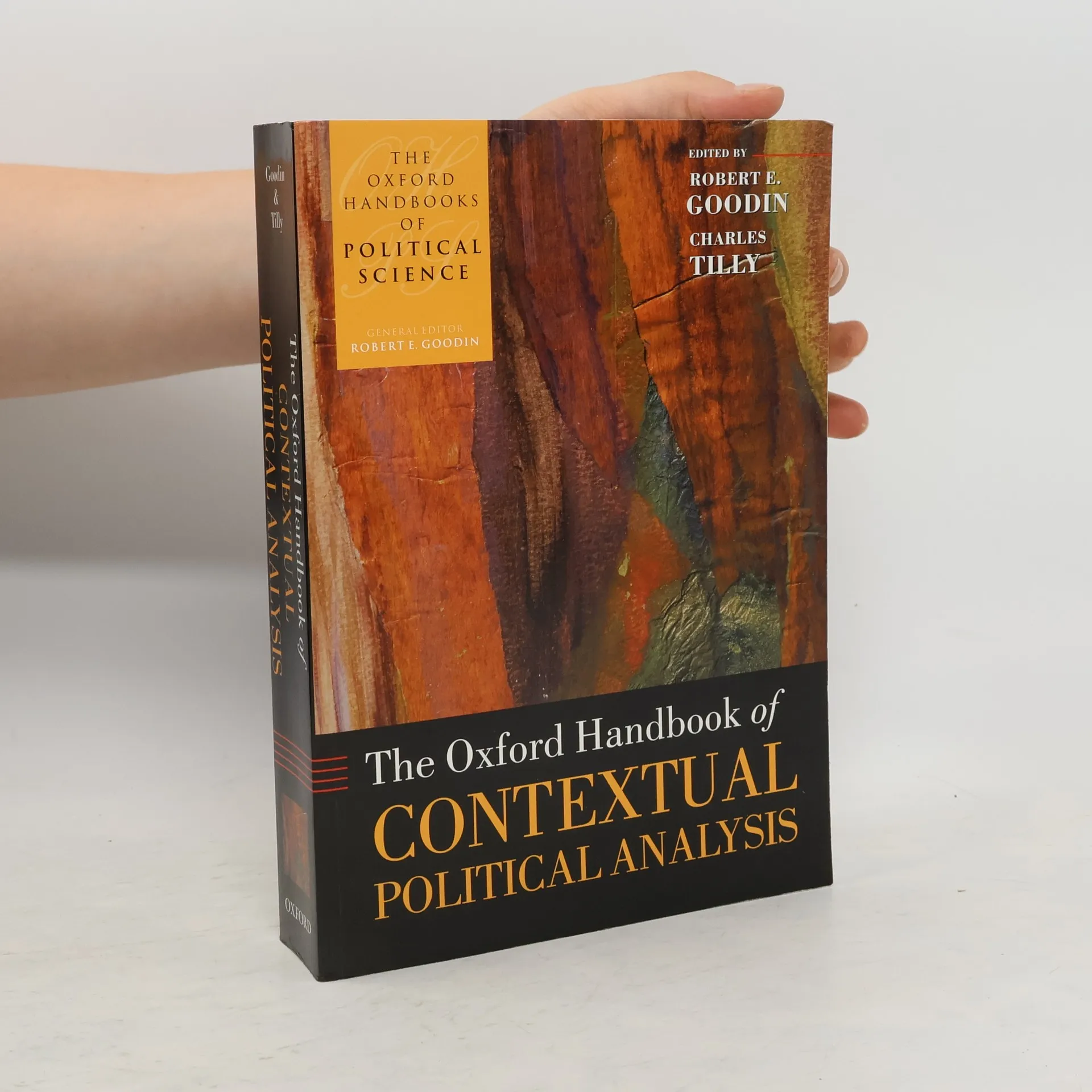
This is part of a ten volume set of reference books offering authoritative and engaging critical overviews of the state of political science. This work explores the idea of context in politics from a number of angles, including philosophically psychologically, historically and culturally.
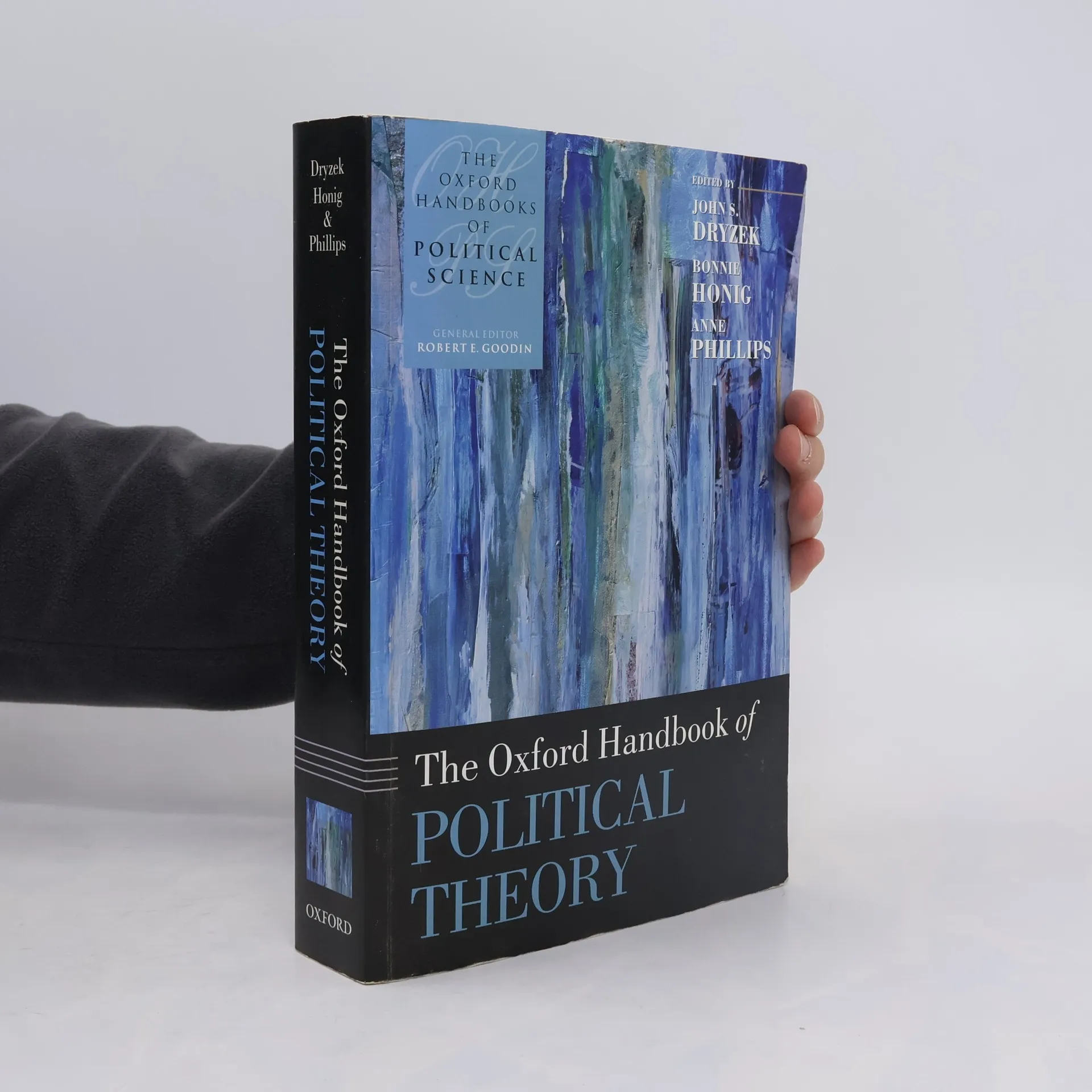
Long recognized as one of the main branches of political science, political theory has in recent years burgeoned in many different directions. Close textual analysis of historical texts sits alongside more analytical work on the nature and normative grounds of political values. Continental and post-modern influences jostle with ones from economics, history, sociology, and the law. Feminist concerns with embodiment make us look at old problems in new ways, and challenges of new technologies open whole new vistas for political theory. This Handbook provides comprehensive and critical coverage of the lively and contested field of political theory, and will help set the agenda for the field for years to come. Forty-five chapters by distinguished political theorists look at the state of the field, where it has been in the recent past, and where it is likely to go in future. They examine political theory's edges as well as its core, the globalizing context of the field, and the challenges presented by social, economic, and technological changes.
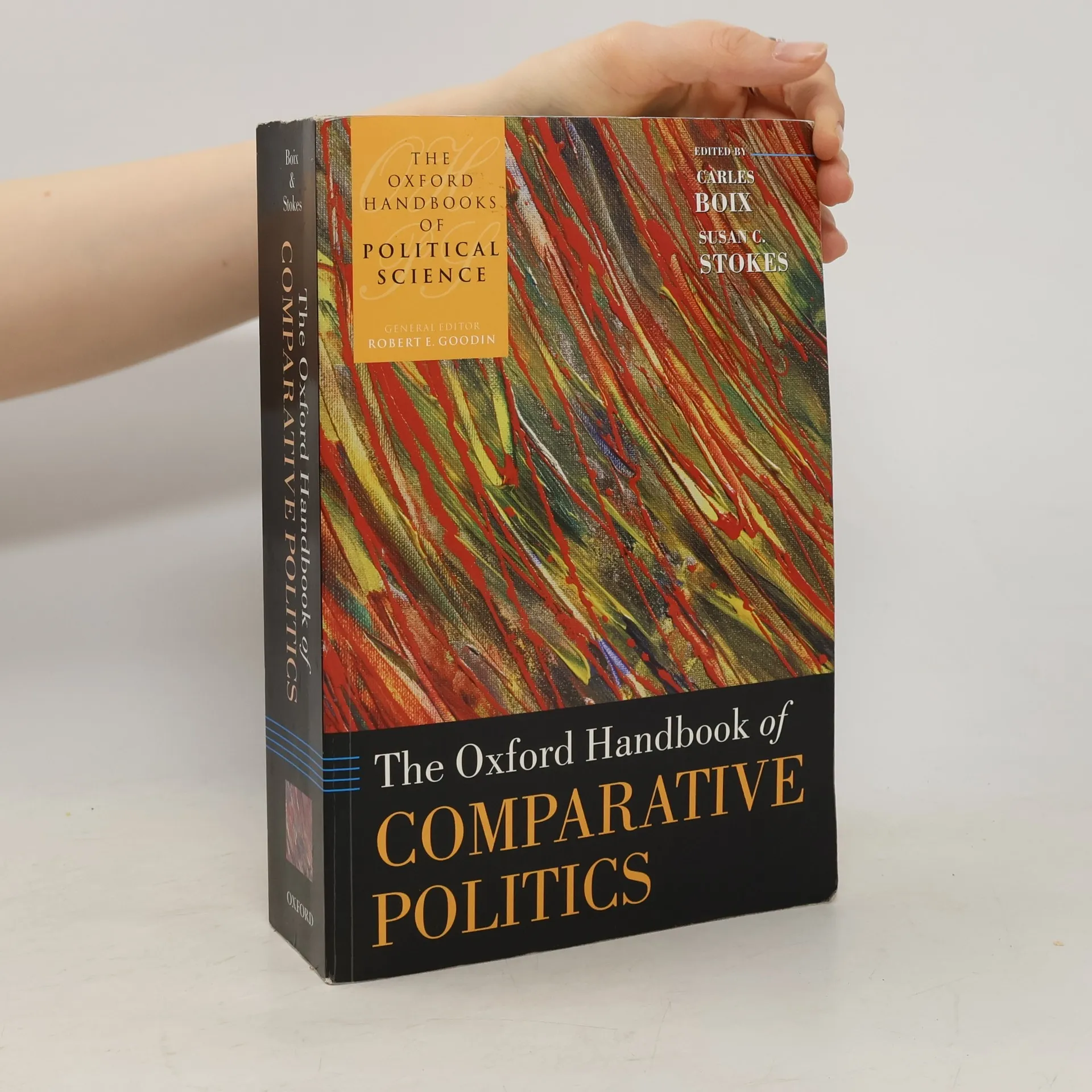
This comprehensive volume offers a critical survey of empirical political science through contributions from 48 leading scholars in comparative politics. Part I explores key research methodologies, including the comparative method, historical analysis, case-study research, and field research, while assessing the potential for establishing a science of comparative politics. Parts II to IV delve into the foundations of political order, examining state origins, their connections to war and economic development, and the sources of citizen compliance and political obligation. Topics such as democratic transitions, civic culture, authoritarianism, revolutions, civil wars, and contentious politics are also addressed. Parts V and VI focus on the mobilization, representation, and coordination of political demands. Part V investigates the emergence of political parties, their various forms, and voter behavior, alongside discussions on collective action, social movements, and political participation. Part VI examines the mechanisms for aggregating and coordinating political demands, leading to a systematic exploration of specific institutions like electoral systems, federalism, legislative-executive relationships, the judiciary, and bureaucracy. Lastly, Part VII highlights the growing literature on macropolitical economy from the past two decades.
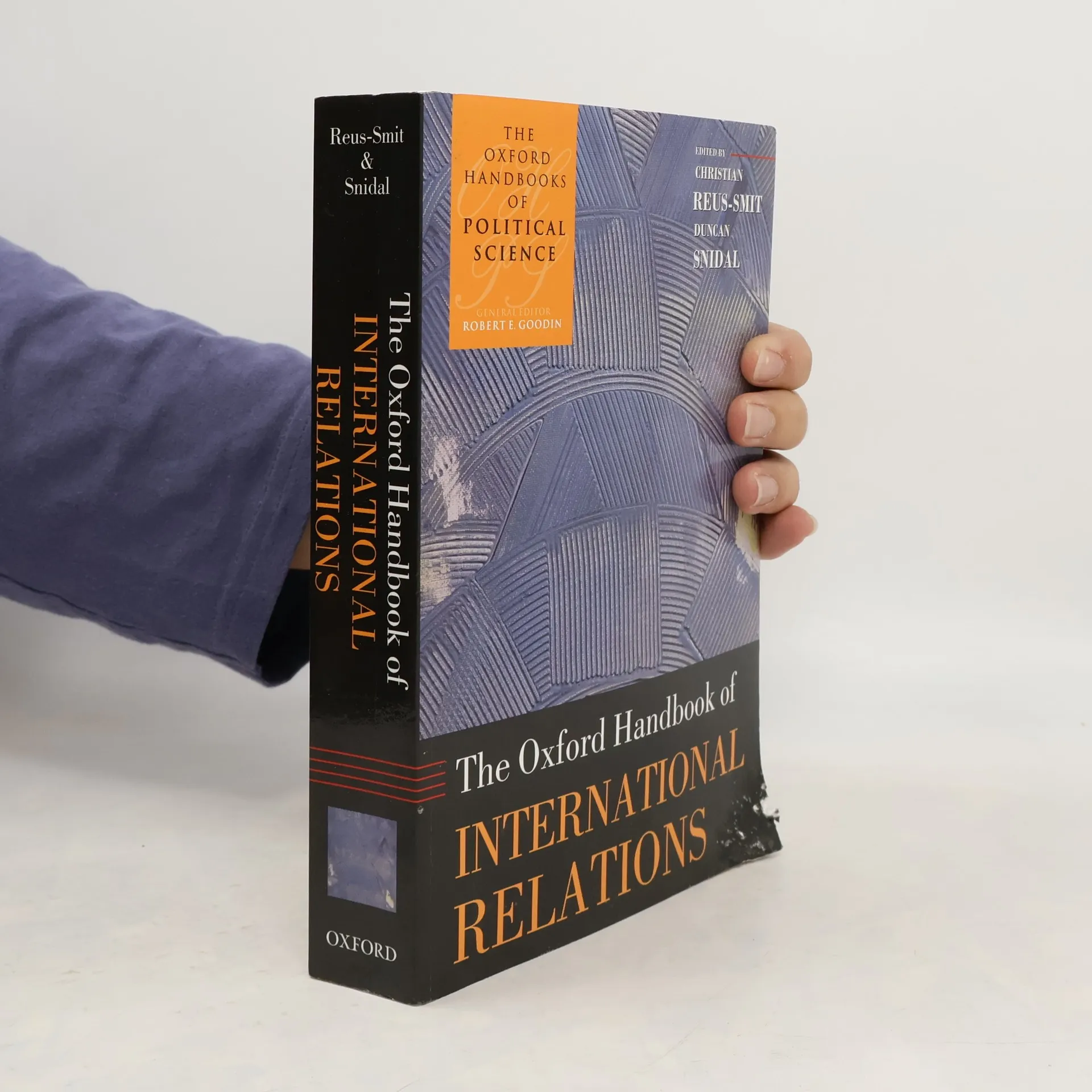
The Oxford Handbook of International Relations offers the most authoritative and comprehensive overview to date of the field of international relations. Arguably the most impressive collection of international relations scholars ever brought together within one volume, the Handbook debates the nature of the field itself, critically engages with the major theories, surveys a wide spectrum of methods, addresses the relationship between scholarship and policy making, and examines the field's relation with cognate disciplines. The Handbook takes as its central themes the interaction between empirical and normative inquiry that permeates all theorizing in the field and the way in which contending approaches have shaped one another. In doing so, it provides an authoritative and critical introduction to the subject and establishes a sense of the field as a dynamic realm of argument and inquiry. The Oxford Handbook of International Relations will be essential reading for all of those interested in the advanced study of global politics and international affairs.
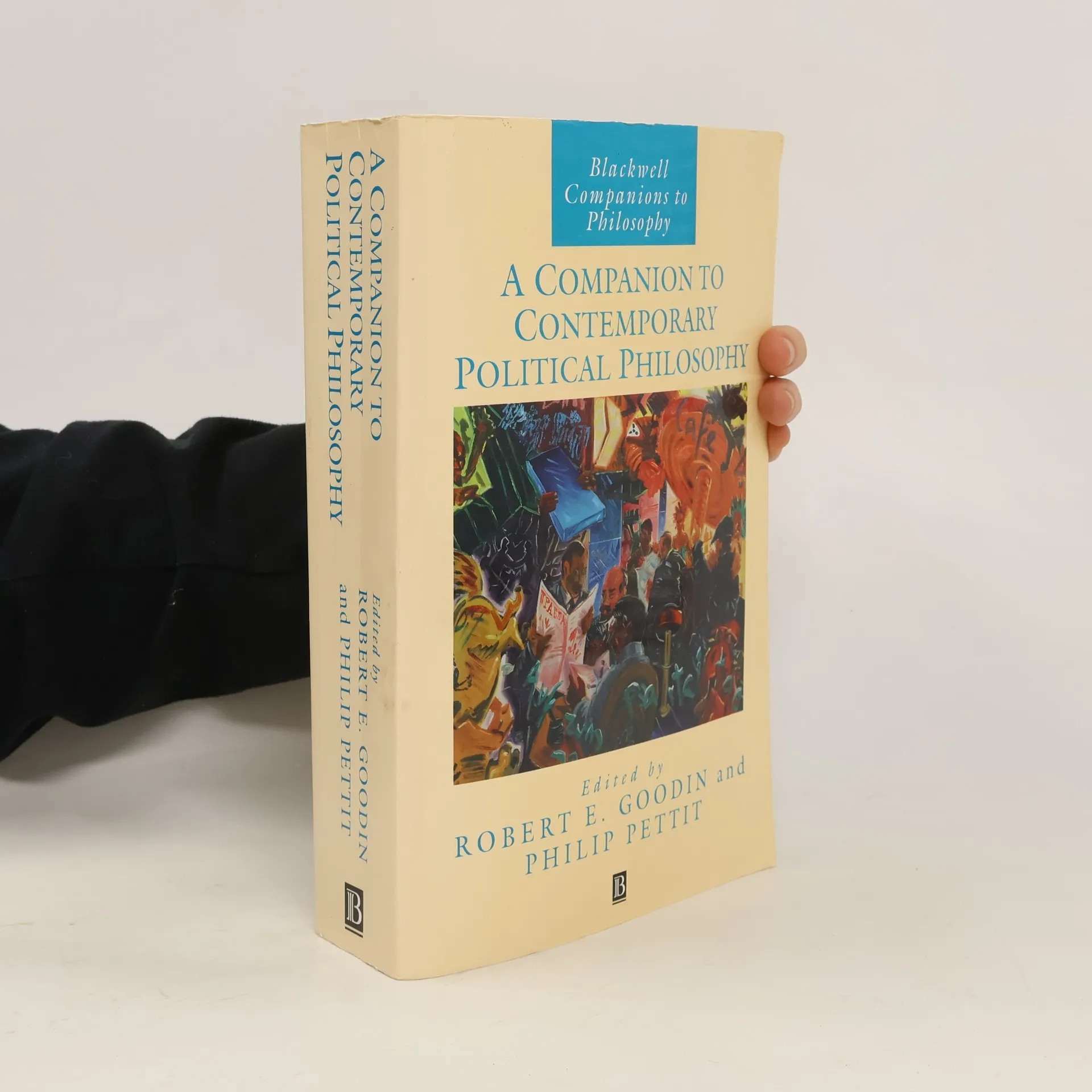
An essential reference for anyone interested in this dynamic field, the new edition of A Companion to Contemporary Political Philosophy is the most current and comprehensive resource available.
The book explores the ethical implications of social welfare, contrasting individual responsibility with collective accountability. Authors Schmidtz and Goodin engage in a critical discussion, addressing the complexities of welfare systems and the moral obligations of individuals versus society. Their analysis contributes to the ongoing international debate about the most just and effective approaches to social welfare.
Exploring the mechanisms of structural injustice, Robert Goodin delves into social position, networks, language, norms, reputation, and organization. Drawing from various social sciences, he identifies commonalities among these factors and discusses actionable strategies to address and overcome them. This insightful analysis highlights the complexities of injustice and offers a pathway toward social change.
Utilitarianism is defended as a versatile framework for addressing various public policy dilemmas, including paternalism, social welfare, international ethics, nuclear armaments, and environmental crises. Robert E. Goodin illustrates how this philosophical approach can effectively navigate complex ethical challenges, showcasing its practical applications in real-world scenarios. His work emphasizes the adaptability of utilitarian principles in formulating responses to pressing social issues.
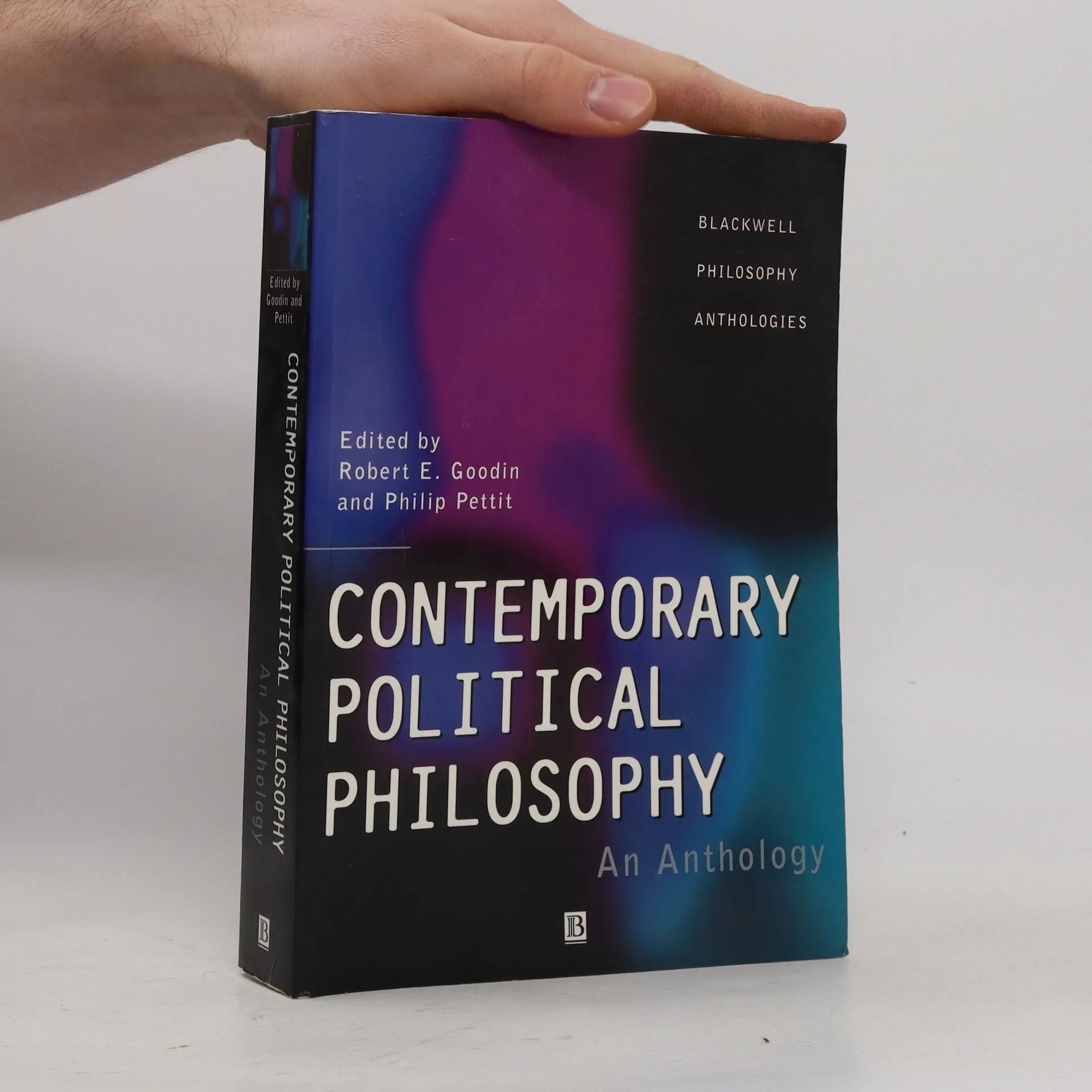
This monumental volume provides the most comprehensive and authoritative collection of the essential primary readings in post-war political philosophy.
"Political Theory Without Borders" redefines political theory in light of globalization and environmental challenges. This collection addresses global issues like climate change and unrestricted movement across borders, featuring contributions from emerging scholars and established theorists, emphasizing the renewed importance of justice, equality, liberty, and oppression.
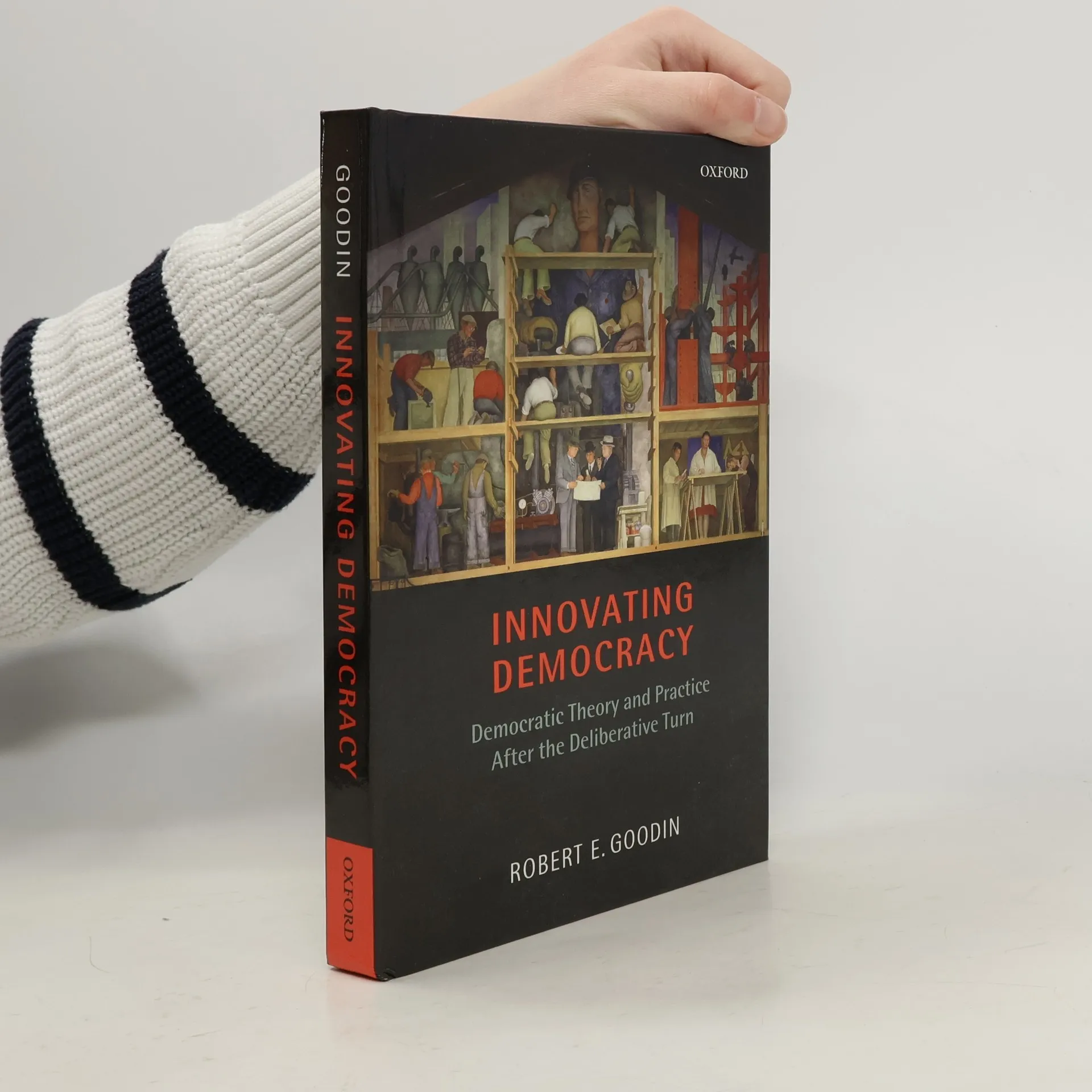
Instead of merely casting the occasional ballot, deliberative democrats want citizens to reason together. They embrace 'talk as a decision procedure'. But of course thousands or millions of people cannot realistically talk to one another all at once. When putting their theories into practice, deliberative democrats therefore tend to focus on 'mini-publics', usually of a couple dozen to a couple hundred people. In Innovating Democracy, Robert Goodin surveys these new deliberative mechanisms, asking how they work and what we can properly expect of them. He concludes we should treat talk as discovery procedure rather than as a decision procedure. Goodin goes on to show how to adapt our thinking about the familiar institutions of representative democracy to take full advantage of such deliberative inputs. That involves rethinking who should get a say, how we hold people accountable, how we sequence deliberative moments and the roles of parties and legislatures in that.