William Hardy McNeill Bücher
Das Werk dieses Historikers vertritt die Idee, dass Kontakt und Austausch zwischen Zivilisationen die treibenden Kräfte der Menschheitsgeschichte sind. Seine Schriften untersuchen langfristige Trends und die gegenseitigen Einflüsse zwischen Kulturen über Jahrtausende hinweg. Er analysiert, wie sich Zivilisationen durch Interaktion entwickeln und bereichern, und bietet so eine umfassende Perspektive auf die Weltgeschichte. Sein Ansatz betont globale Vernetzung und die Dynamik des zivilisatorischen Fortschritts.


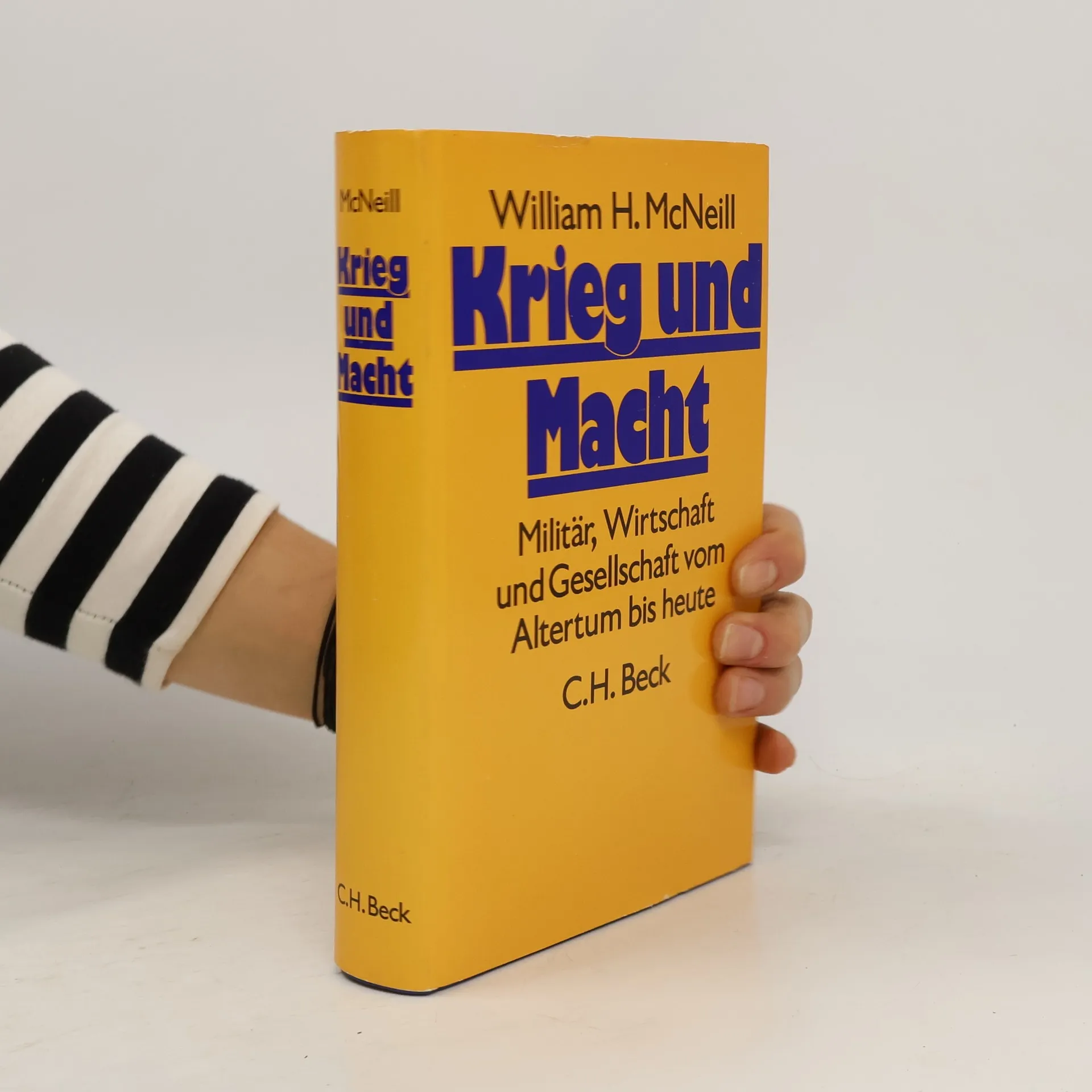
Krieg und Macht
- 411 Seiten
- 15 Lesestunden
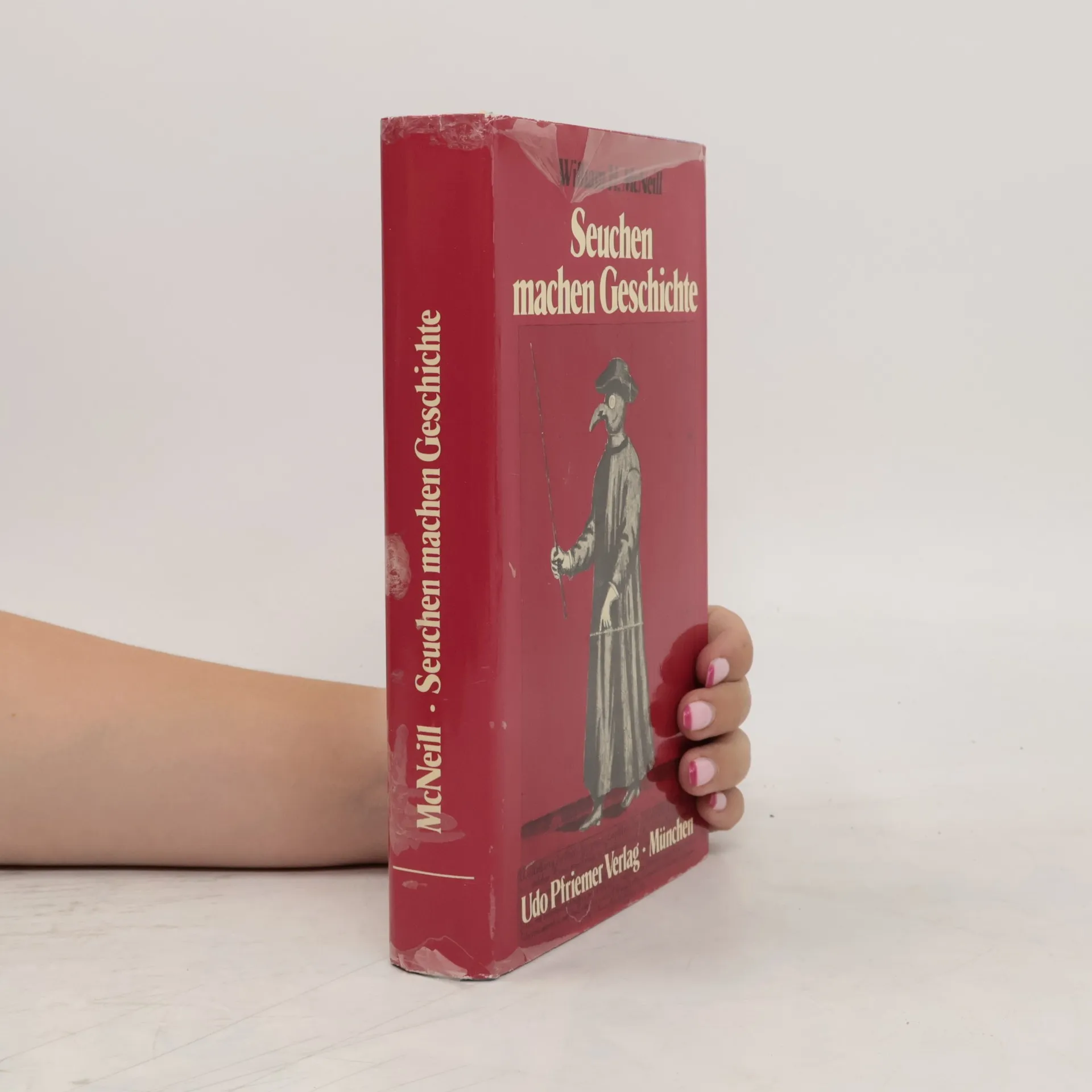
Seuchen machen Geschichte
- 334 Seiten
- 12 Lesestunden
Solzhenitsyn at Harvard
The Address, Twelve Early Responses, Six Later Reflections
- 143 Seiten
- 6 Lesestunden
When Aleksandr Solzhenitsyn gave the commencement address at Harvard University in 1978, many Americans expected to hear their country praised by this celebrated refugee from a totalitarian state. Instead they heard some sharply critical views of their legal system, their press, their popular culture, and even their national will. The forthright and controversial speech makes up Part One of this book. A sampling of the avalanche of comment that followed it is included in Part Two. In Part Three, six thoughtful scholars reflect on the ideas and judgments expressed by the great Russian writer.
In elf weit gespannten Bögen - 250 Schritte lang, 10 Schritte breit - schwingt sich die Brücke über die Drina. Bei Višegrad, einer bosnischen Stadt nahe der serbischen Grenze, führt sie über den Fluss. Seit Jahrhunderten ist sie ein Treffpunkt für Menschen von beiden Ufern, ist Trennlinie und Bindeglied zwischen Orient und Okzident. In seinem Meisterwerk entrollt Ivo Andrić ein gewaltiges Zeitpanorama vom 17. Jahrhundert bis zum Ersten Weltkrieg und erzählt von den vielfältigen Schicksalen der Menschen, die dort aufeinandertrafen.
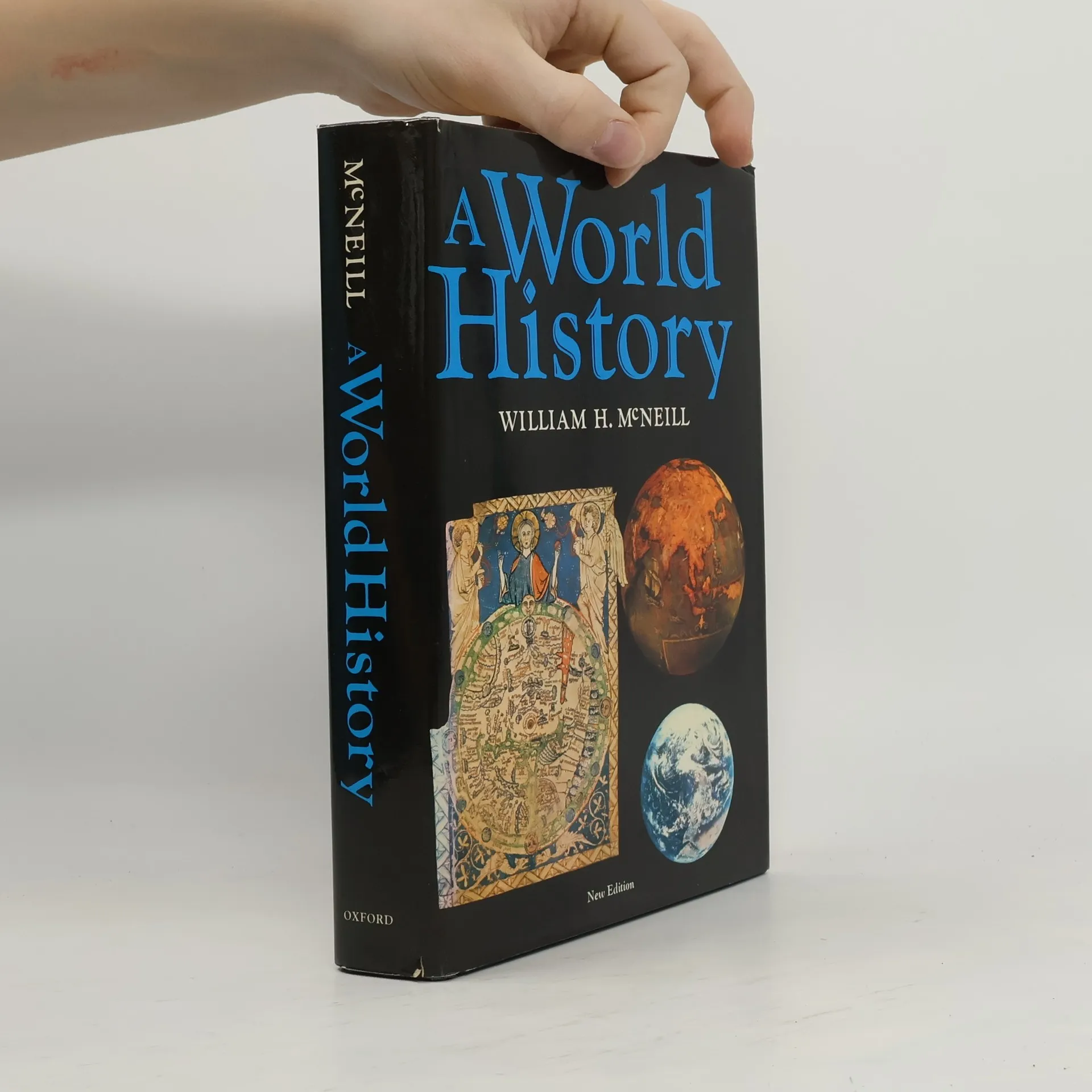
An intellectually and stylistically unified overview of world history, this text draws a global portrait of the human past—showing how each part of the world fits into the overall balance in each successive age.
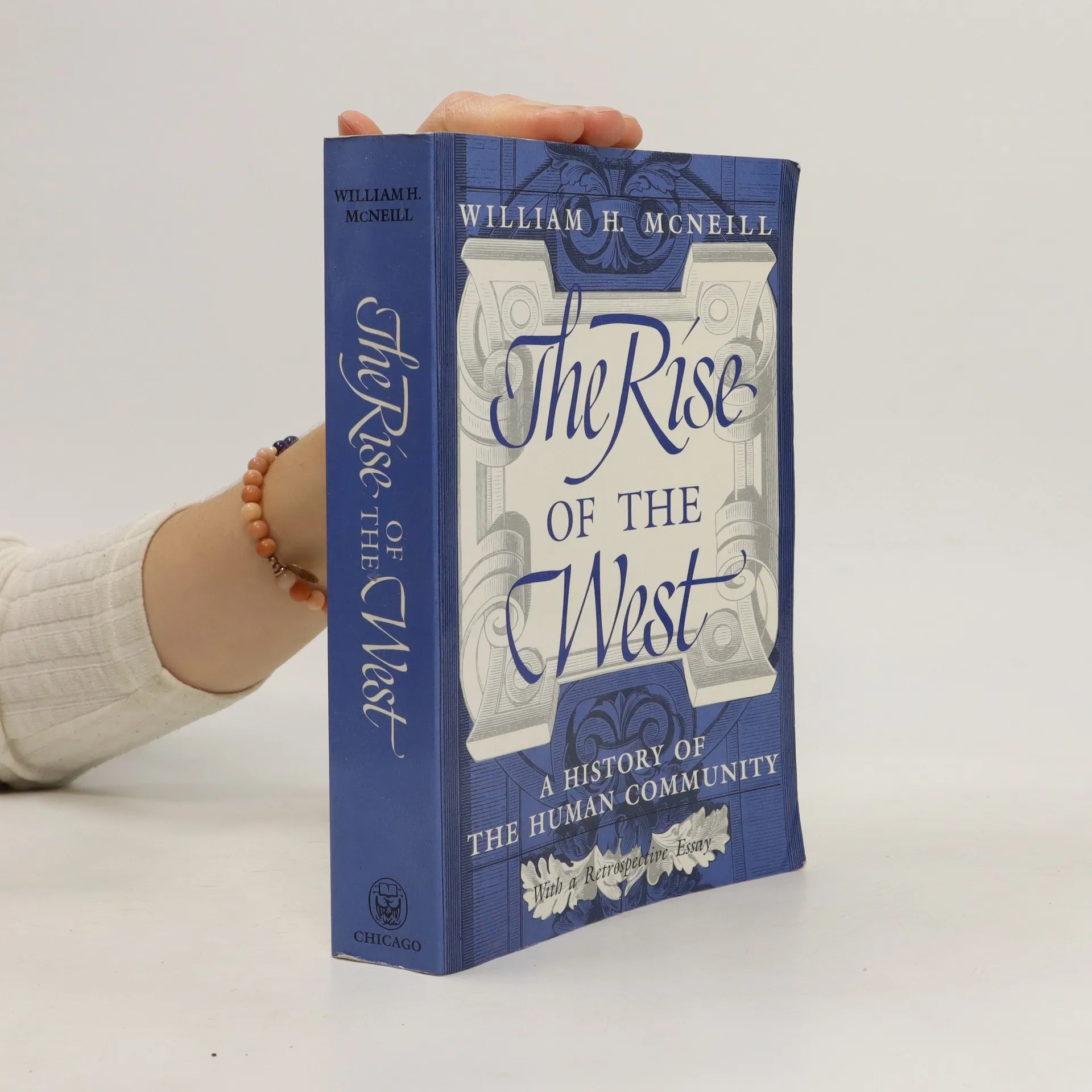
The Rise of the West
- 860 Seiten
- 31 Lesestunden
The Rise of the West, winner of the National Book Award for history in 1964, is famous for its ambitious scope and intellectual rigor. In it, McNeill challenges the Spengler-Toynbee view that a number of separate civilizations pursued essentially independent careers, and argues instead that human cultures interacted at every stage of their history. The author suggests that from the Neolithic beginnings of grain agriculture to the present major social changes in all parts of the world were triggered by new or newly important foreign stimuli, and he presents a persuasive narrative of world history to support this claim. In a retrospective essay titled "The Rise of the West after Twenty-five Years," McNeill shows how his book was shaped by the time and place in which it was written (1954-63). He discusses how historiography subsequently developed and suggests how his portrait of the world's past in The Rise of the West should be revised to reflect these changes. "This is not only the most learned and the most intelligent, it is also the most stimulating and fascinating book that has ever set out to recount and explain the whole history of mankind. . . . To read it is a great experience. It leaves echoes to reverberate, and seeds to germinate in the mind."—H. R. Trevor-Roper, New York Times Book Review
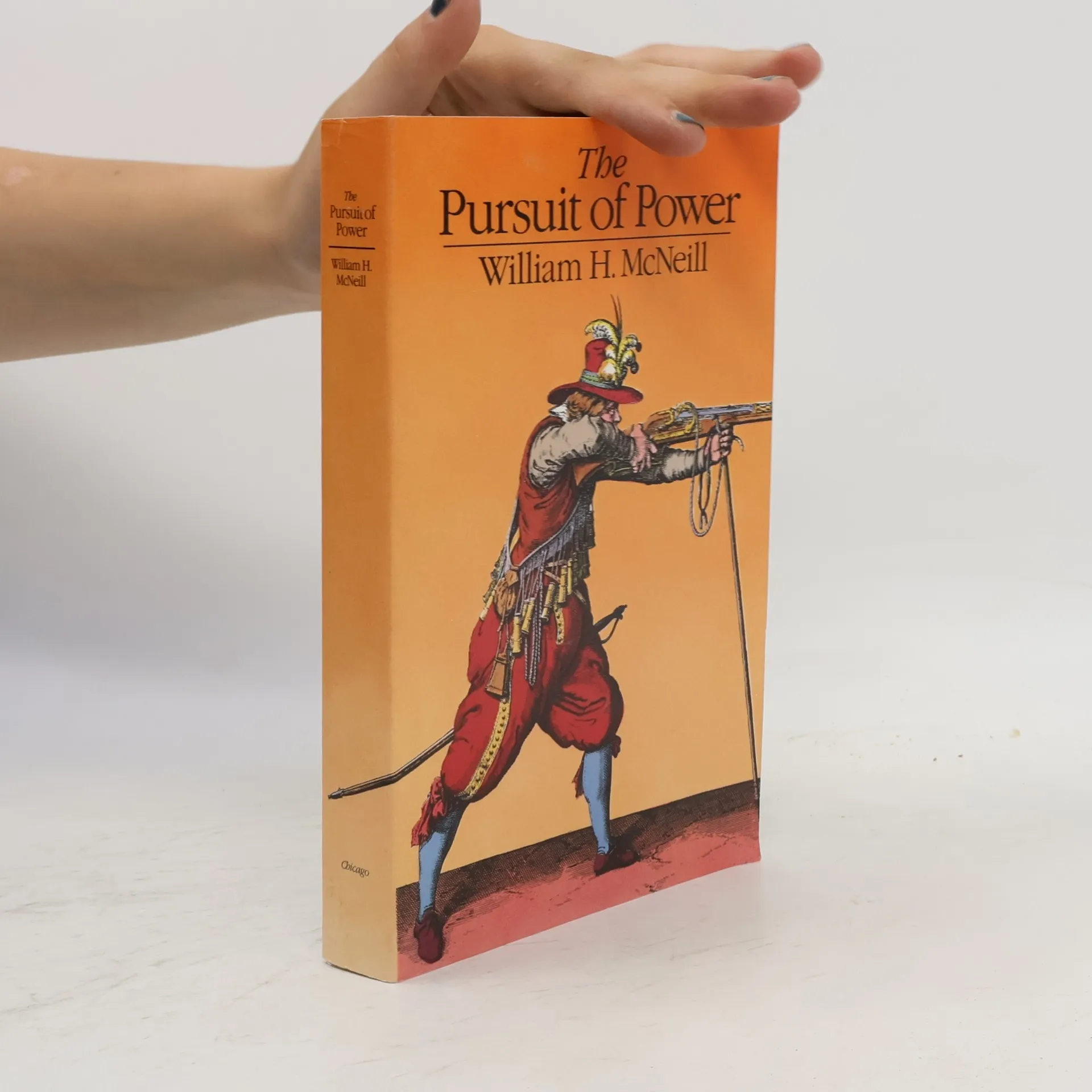
The Pursuit of Power
- 416 Seiten
- 15 Lesestunden
Shows the interrelatedness of technical, military, political, and economic history and examines the changes introduced by the industrialization of war
Upon its original publication, Plagues and Peoples was an immediate critical and popular success, offering a radically new interpretation of world history as seen through the extraordinary impact--political, demographic, ecological, and psychological--of disease on cultures. From the conquest of Mexico by smallpox as much as by the Spanish, to the bubonic plague in China, to the typhoid epidemic in Europe, the history of disease is the history of humankind. With the identification of AIDS in the early 1980s, another chapter has been added to this chronicle of events, which William McNeill explores in his new introduction to this updated editon.Thought-provoking, well-researched, and compulsively readable, Plagues and Peoples is that rare book that is as fascinating as it is scholarly, as intriguing as it is enlightening. "A brilliantly conceptualized and challenging achievement" (Kirkus Reviews), it is essential reading, offering a new perspective on human history.
Renowned historian William H. McNeil provides a brilliant narrative chronology of the development of Western civilization, representing its socio-political as well as cultural aspects. This sixth edition includes new material for the twentieth-century period and completely revised bibliographies. An invaluable tool for the study of Western civilization, the Handbook is an essential complement to readings in primary and secondary sources such as those in the nine-volume University of Chicago Readings in Western Civilization.
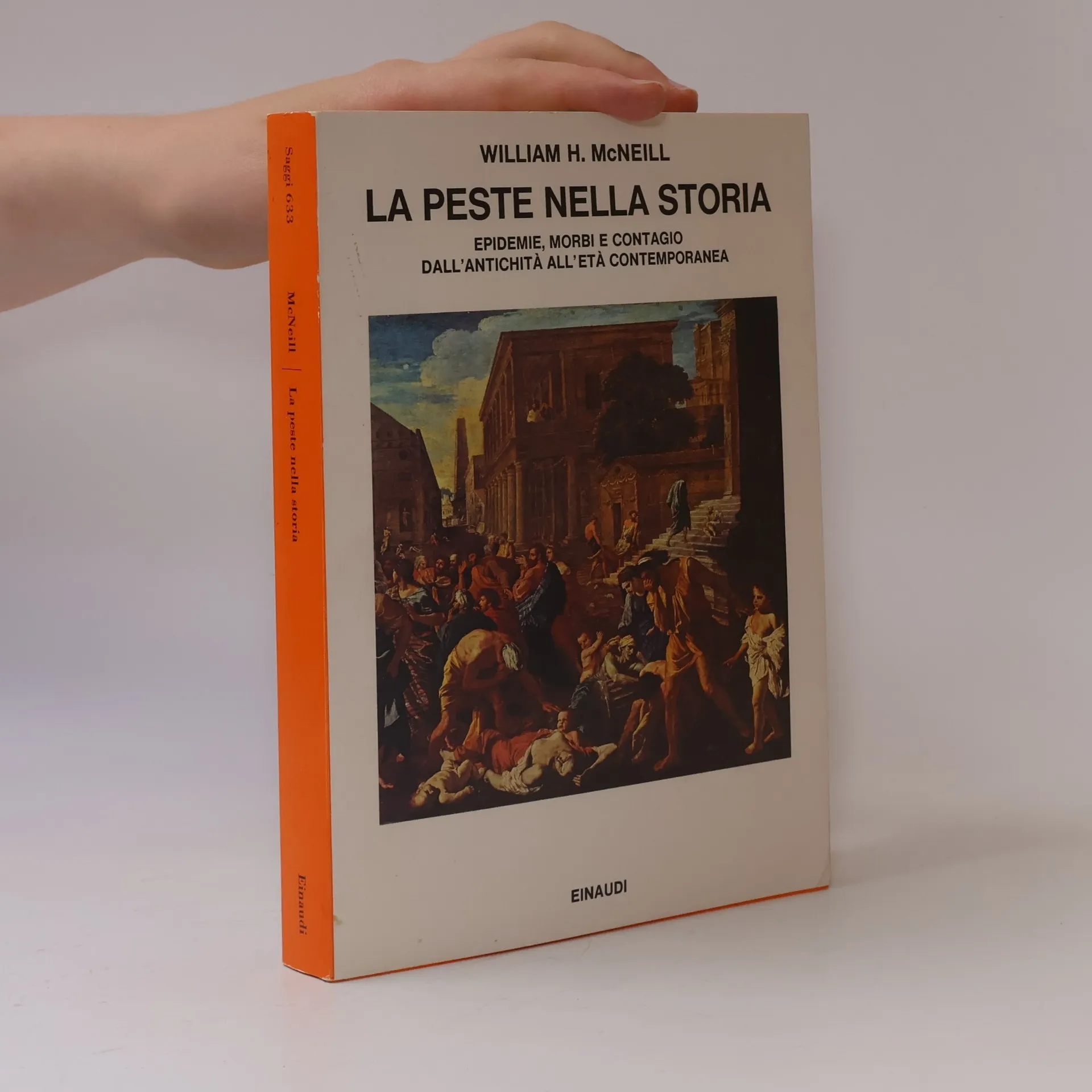
La peste nella storia. L'impatto delle pestilenze e delle epidemie nella storia dell'umanità
- 292 Seiten
- 11 Lesestunden
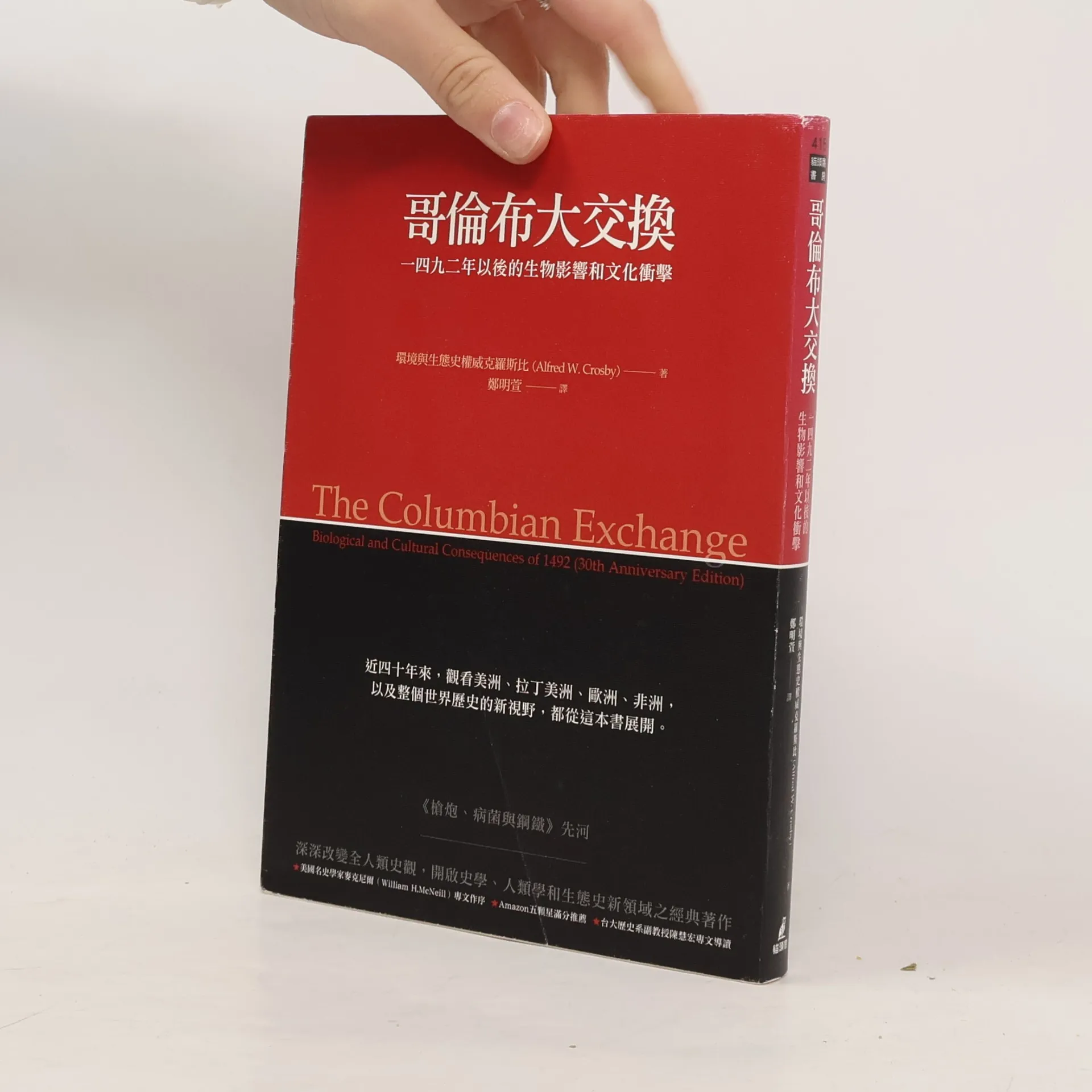
哥倫布大交換
1492年以後的生物影響和文化衝擊 / The Columbian Exchange: Biological and Cultural Consequences of 1492 (30th Anniversary Edition)
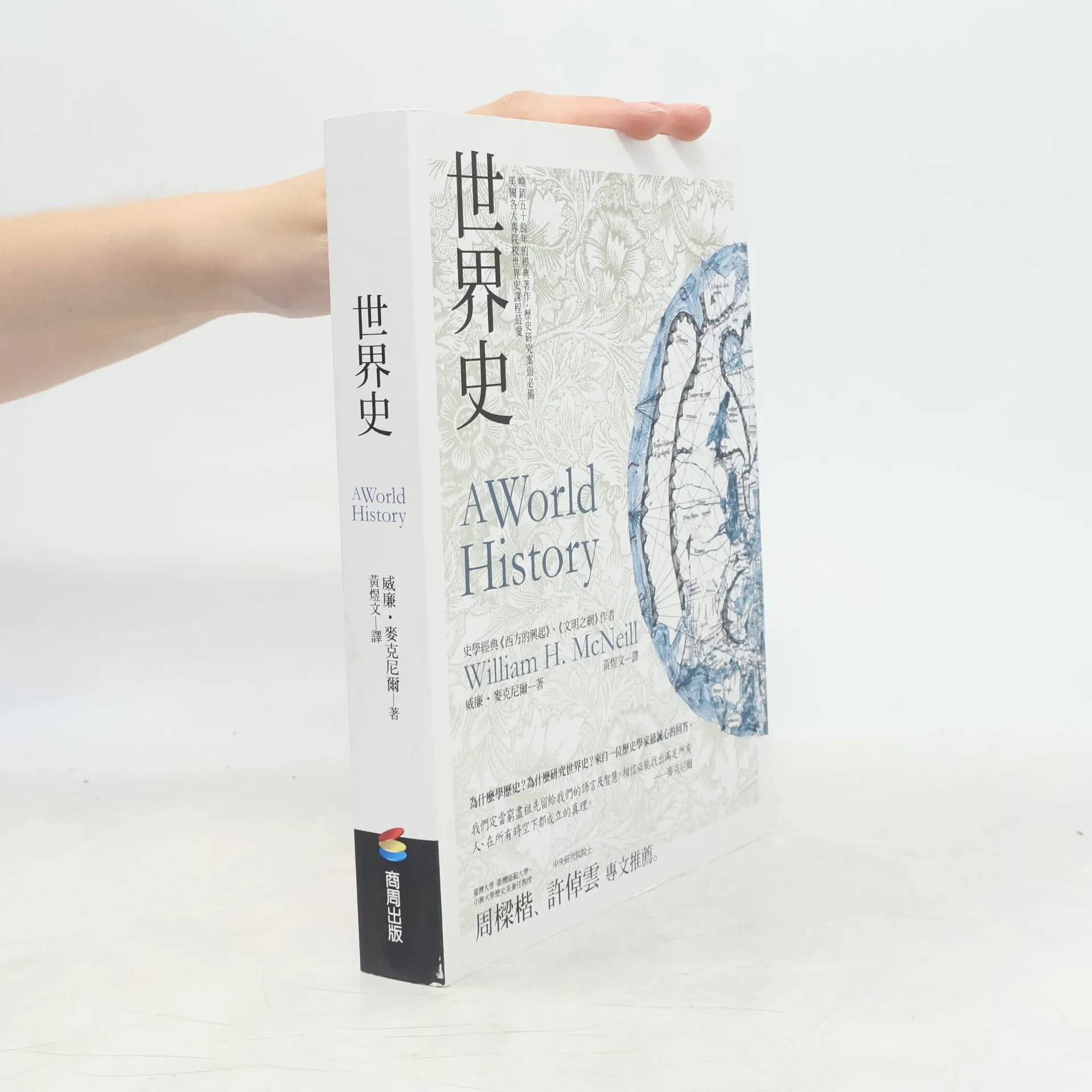
世界史 / A World History
- 600 Seiten
- 21 Lesestunden